

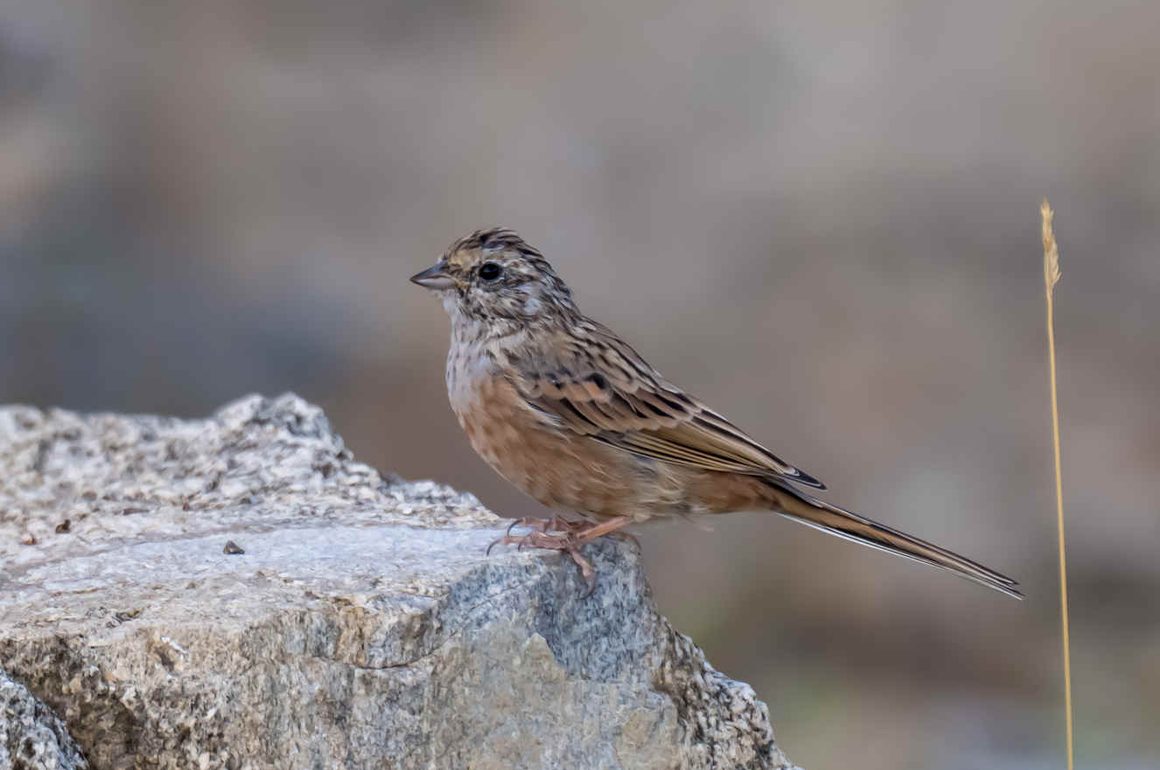
Here’s a puzzle.
Looking at the names of the seven bunting species I saw in Xinjiang in August, it seems like they should prefer rather different habitats:
Pine Bunting – pine forest
Corn Bunting – agricultural fields
Rock Bunting – rocky areas
Meadow Bunting – meadows
Red-headed Bunting – discotheque?
Grey-necked Bunting – office?
Ortolan Bunting – somewhere where Greek is taught in high school?
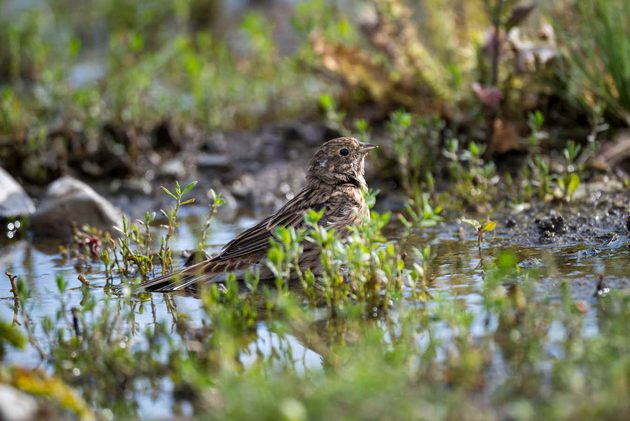
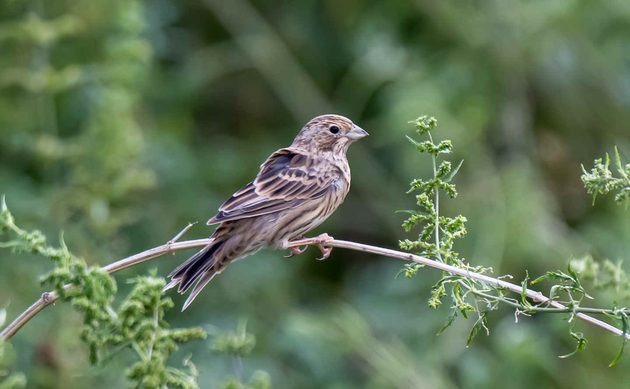
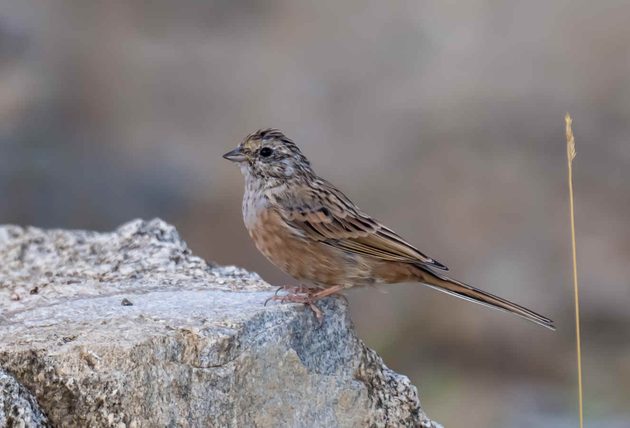
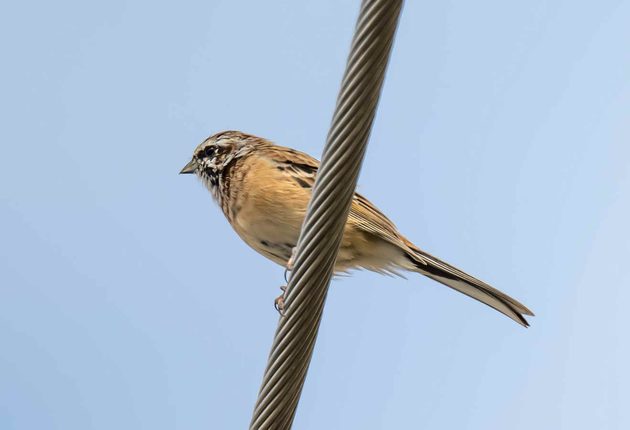
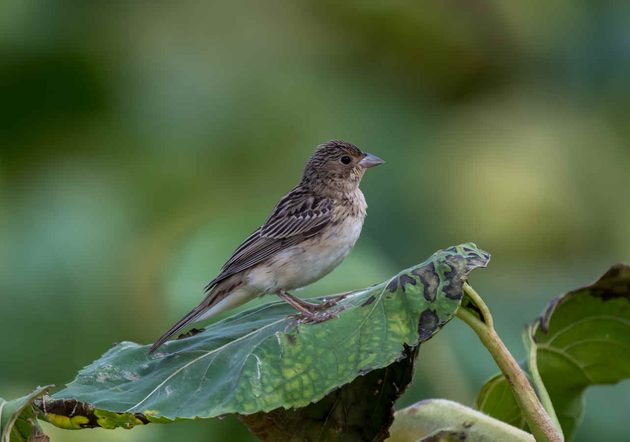
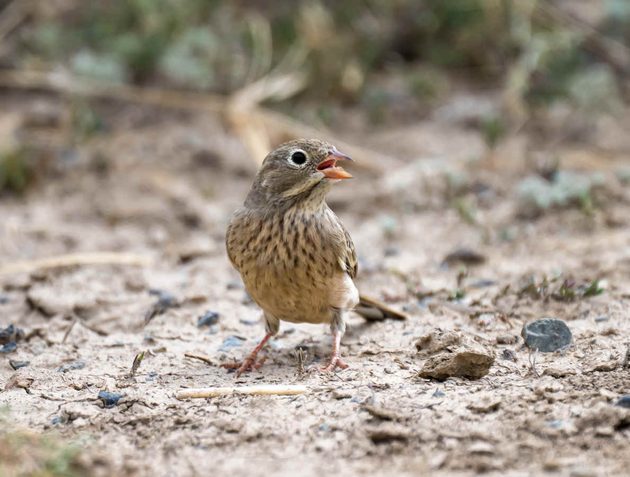
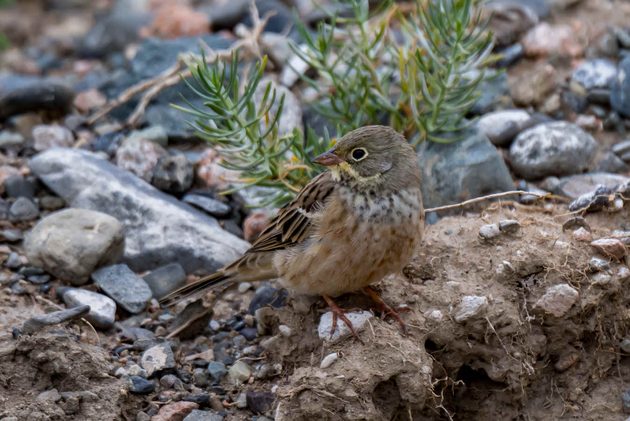
Pine, Corn / Rock, Meadow / Red-headed, Grey-necked / Ortolan Bunting (Xinjiang, Aug 2026)
But then, looking up their habitat requirements in the HBW, the picture begins to blur:
Pine Bunting – forest edges, thinned or fragmented woodland, and clearings
Corn Bunting – open rolling grasslands, both in natural steppe and agricultural land
Rock Bunting – sunny rocky slopes, ravines and clearings in conifer forests
Meadow Bunting – lightly wooded hills, foothills and rocky steppe
Red-headed Bunting – open steppe, semidesert margins, farmland and field edges
Grey-necked Bunting – dry, rocky mountainsides, ravines and upland plateaux
Ortolan Bunting – lightly wooded, dry, open country
All these – with the slight exception of the Pine Bunting – seem to be variations of “we like edges, clearings, scattered bushes, rocky patches, sparse vegetation and the places where one habitat turns into another.”
So why is it, then, that at most locations visited on the trip, there appeared to be only one or two bunting species in any numbers, rather than all seven? Or, to ask it in a slightly grumpier way: was it really necessary to drive around so much just to see different bunting species?
I guess the answer lies in the HBW descriptions being rather vague and unspecific, at least from the perspective of a bunting looking for its ideal habitat. The real differences are probably in the precise combination of altitude, latitude, vegetation structure, and moisture – details that can vary by species and season, as well as with breeding range and migration strategy.
It’s a bit like saying that humans like houses with four walls and some windows.









Leave a Comment