
Which bird species do you think is the biggest attraction to visitors of your lodge?
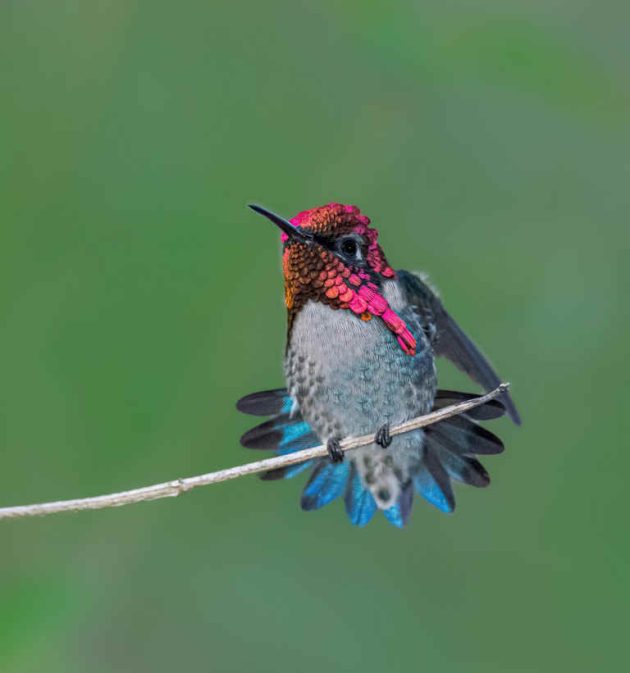
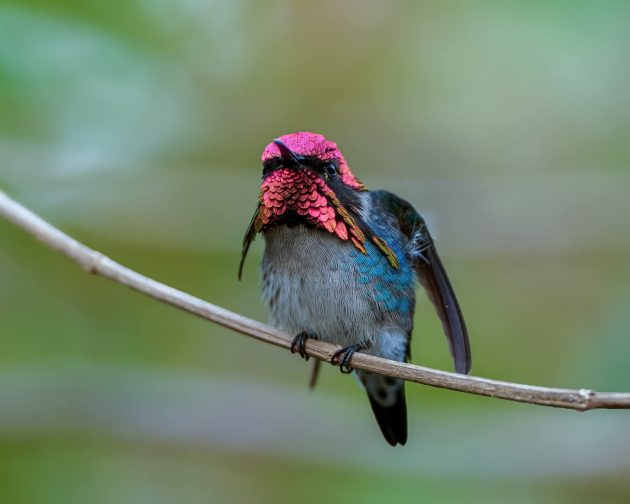
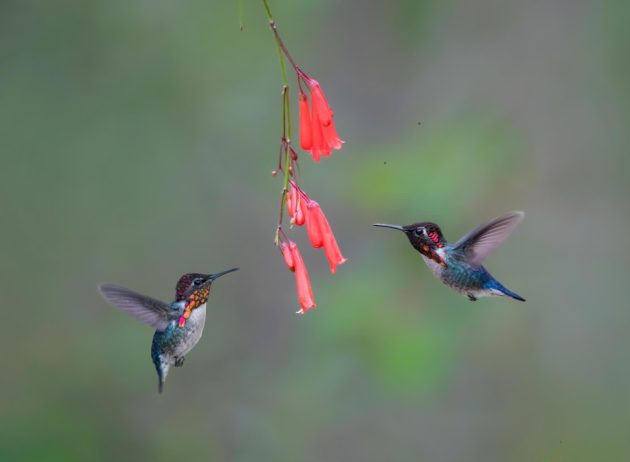
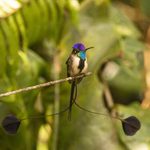
The Bee Hummingbird — the smallest bird in the world.
What is the name of your lodge, and since when has your lodge been operating?
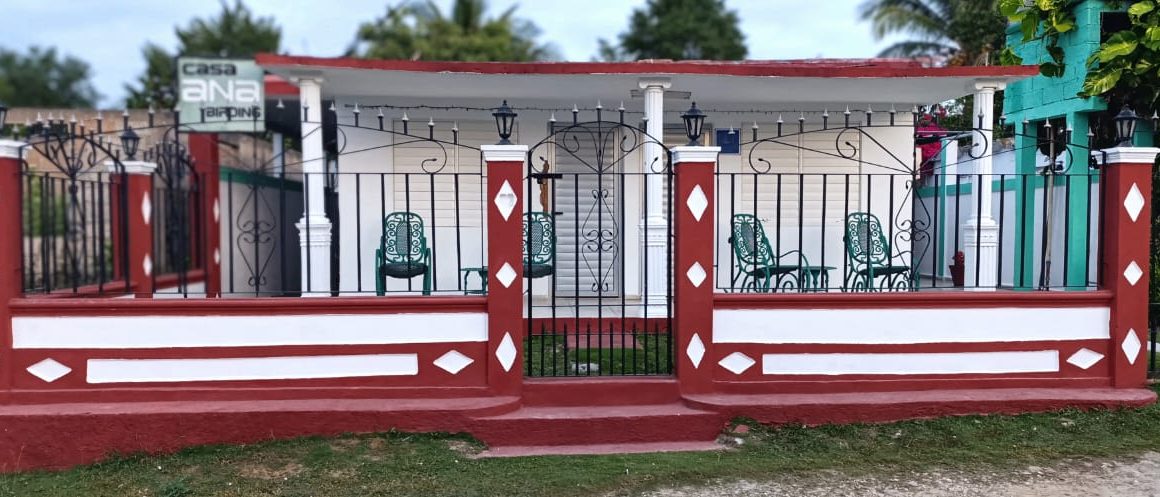
Casa Ana Birding, operating since 2001.
How best to travel to your lodge?
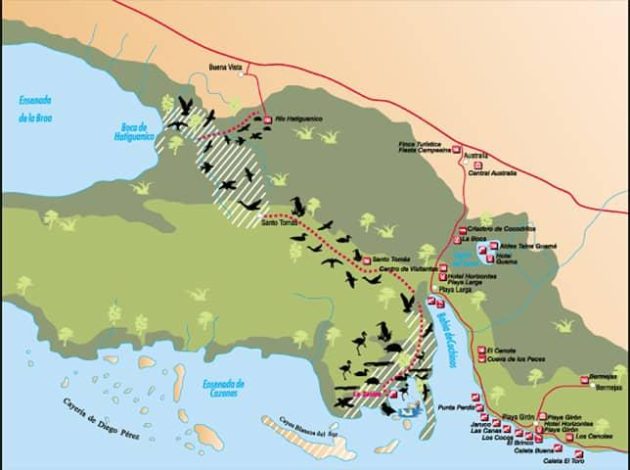
Clients should compare options between José Martí International Airport in Havana and Juan Gualberto Gómez Airport in Varadero — prices sometimes differ between the two, so I recommend checking both. I personally wait with transportation at whichever airport the client chooses to transfer them directly to Casa Ana Birding. The Varadero airport is about 150 km from Casa Ana Birding, and the Havana airport is about 180 km, so the difference isn’t major.
What kind of services — except for accommodation and food — does your lodge offer to visiting birders? (e.g., guided tours, photography blinds, bird feeders, etc.)
In the garden, the birds have their own feeders and well-placed photographic perches to get great results. In the different protected areas we visit, we always try to find the best perches too, as long as the birds cooperate. We also provide transportation and organize private tours tailored to each client’s request, in search of their favorite birds, whether within Ciénaga de Zapata National Park or in other parts of the island.
What makes your lodge special?
Having the smallest bird in the world right in the garden all day long — an exclusive spot for observation and getting great photos, something that is impossible to achieve in the forest. That, along with having turned an old dumping ground into an oasis to protect and conserve the species.
What are the 10-20 most interesting birds that your lodge offers good chances to see?
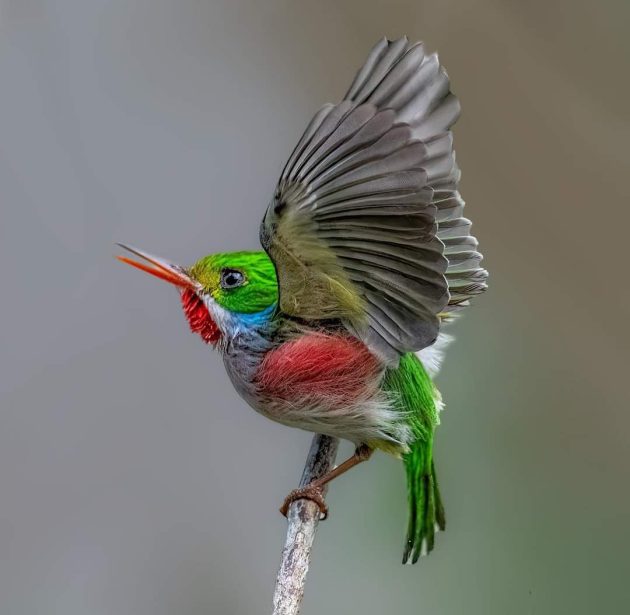
- Bee Hummingbird, Cuban Trogon, and Cuban Tody — the three jewels of Cuban ornithology
- Zapata Wren — found exclusively in Ciénaga de Zapata, nowhere else in the world; it lives in the marsh grasslands about 20 km from Casa Ana Birding and can only be observed and photographed at dawn, before the wind picks up with the sunrise
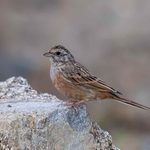
- Zapata Sparrow — also endemic to Ciénaga de Zapata (with a subspecies on Cuba’s north coast).
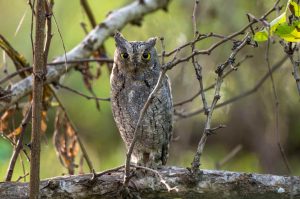
- Cuban Pygmy Owl and Bare-legged Owl — the two endemic owls
- Cuban Green Woodpecker and Fernandina’s Flicker — the two endemic woodpeckers; the Flicker is endangered due to habitat loss
- Yellow-headed Warbler, Cuban Bullfinch, Cuban Vireo, and Cuban Oriole
- Blue-headed Quail-Dove and Gray-fronted Quail-Dove — the two endemic doves.
Cuban Tody
What is the best time to visit your lodge, and why?
Endemic birds can be observed and photographed year-round. That said, the best season is November to May, when there is no rain and no mosquitoes. Many clients like to combine endemics with migratory species — migration season runs from October to April. A few extra details for photographers: the male Bee Hummingbird loses its colorful gorget around June (courtship/breeding season) and begins regaining it in December. January to March is the best window for courtship photos. March to May is the breeding season for most endemics, especially good timing for the Zapata Wren, Cuban Tody, Cuban Trogon, and Fernandina’s Flicker.
Is your lodge involved in conservation efforts? If yes, please describe them.
Yes. We turned what used to be a dumping ground full of rubble and plastic bottles into a small oasis for birds, especially the Bee Hummingbird, providing food, nesting sites, and protection. We also organize volunteer work cleaning up trash in the forested areas around the community, finishing at the garden watching birds and learning to identify the different species — helping bring the next generation of children and teenagers into caring for and conserving birds.
What other suggestions can you give to birders interested in visiting your lodge? (for example, what to bring, how to prepare for the visit, etc.)
Visitors should dress appropriately in comfortable clothing — camouflage or non-bright colors, long-sleeved shirt, long pants, and closed shoes — plus mosquito repellent. Birdwatchers should bring binoculars, and photographers should bring their camera with the best telephoto lens available. The birds in the garden are close, even within reach of a phone camera, but other birds — especially waterbirds — can be more distant. Very important for photographers: bring a battery charger. It’s very frustrating to travel to another country and forget your charger.
Do you have activities for non-birders? If so, please describe.
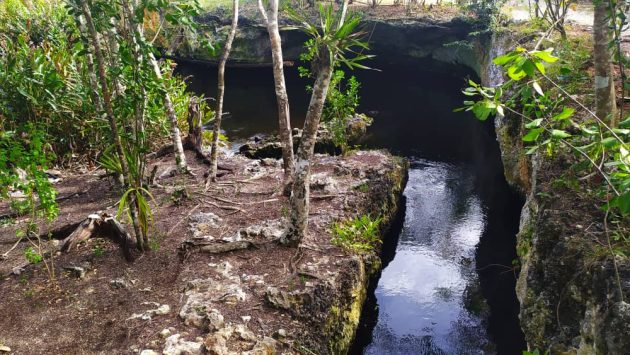
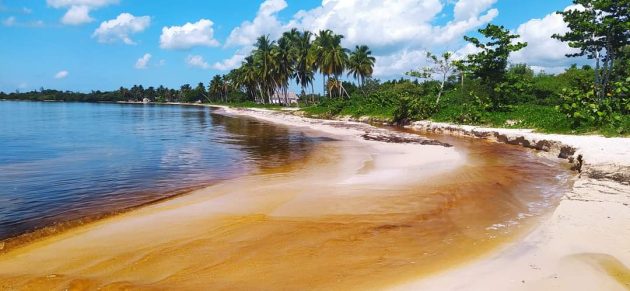
Casa Ana Birding is located at the head of the Bay of Pigs in Ciénaga de Zapata, one of the best spots for snorkeling and learning to dive, with calm waters, good visibility, and a wide variety of fish and coral reef. Diving instructors are available for first lessons, whether you’re a beginner or already experienced. There are also cenotes (natural pools) for an unforgettable experience, a Cuban crocodile breeding farm, speedboat rides across Laguna del Tesoro (Treasure Lagoon) with a visit to the Taíno Village to get a glimpse of how Cuba’s indigenous people once lived, horseback rides across the flooded savannas, and beachfront all-inclusive restaurants to make the most of your vacation. In short, there are activities of all kinds.
If any reader of 10,000 Birds is interested in staying at your lodge, how can they best contact you?
Whatever is most convenient for them:
- WhatsApp: +53 53536855
- Instagram: instagram.com/casaanabirdingendemic
- Facebook: facebook.com/casa.ana.playa.larga.cuba
Is there anything else you would like to share with the readers of 10,000 Birds?
I built Casa Ana Birding in 2001 in the heart of Ciénaga de Zapata National Park. Back then, the garden was an old dumping ground full of rubble and plastic bottles. I chose this spot because of a small natural freshwater stream flowing from the Zapata wetland toward the sea — it runs through the back of the garden with a phenomenal view, continuing underground beneath the house, out to the sea. I’m very proud of having turned that dumping ground into a small oasis for birds, especially the Bee Hummingbird, creating a welcoming environment where they can be observed and photographed year-round. As a child, I hunted birds with a slingshot out of pure entertainment and ignorance. Today, I give back to nature by creating welcoming spaces where I provide food, nesting sites, and protection for the birds of the island, and by organizing community clean-up efforts that help bring the next generation into caring for and conserving Cuba’s birds.



Leave a Comment