

After writing a few posts about different locations and bird species in the Philippines, there are a few birds left, which this post – rather like the broom wagon picking up the stragglers at a marathon race – collects. I know, not the most promising start of a post.
The Balicassiao is basically the Philippines’ version of a drongo, as indicated by the scientific name Dicrurus balicassius.
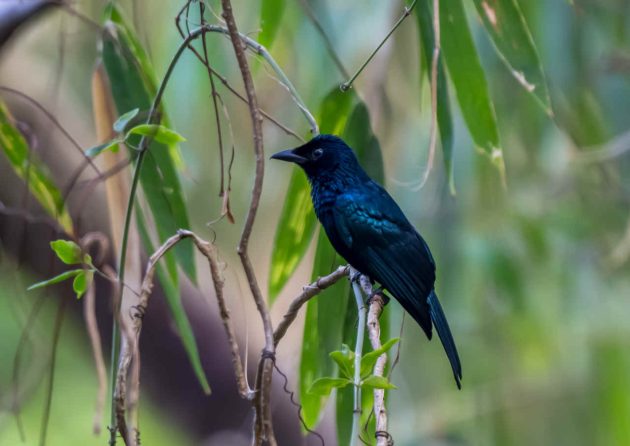
At least in 1948, the relationship of the genus Dicrurus was not clear – Ernst Mayr then sardonically wrote in a paper that “the Dicruridae are usually placed near the Corvidae (crow family), apparently for no better reason than that they are black”.
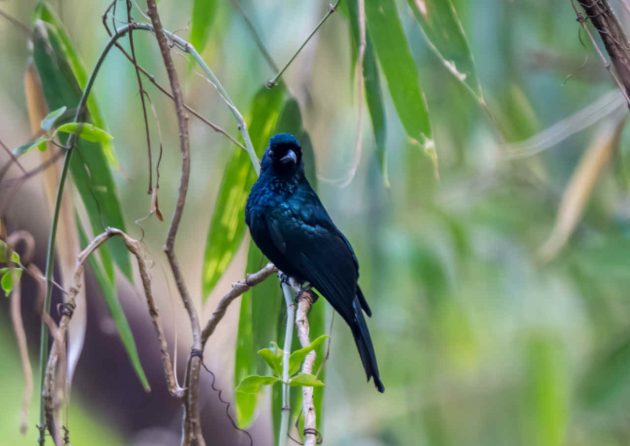
Nowadays, it is clear they are not particularly closely related -while they are both deep within the same large corvoid radiation, that is a very broad neighborhood—more like “same ancient superfamily” than “close relatives”.
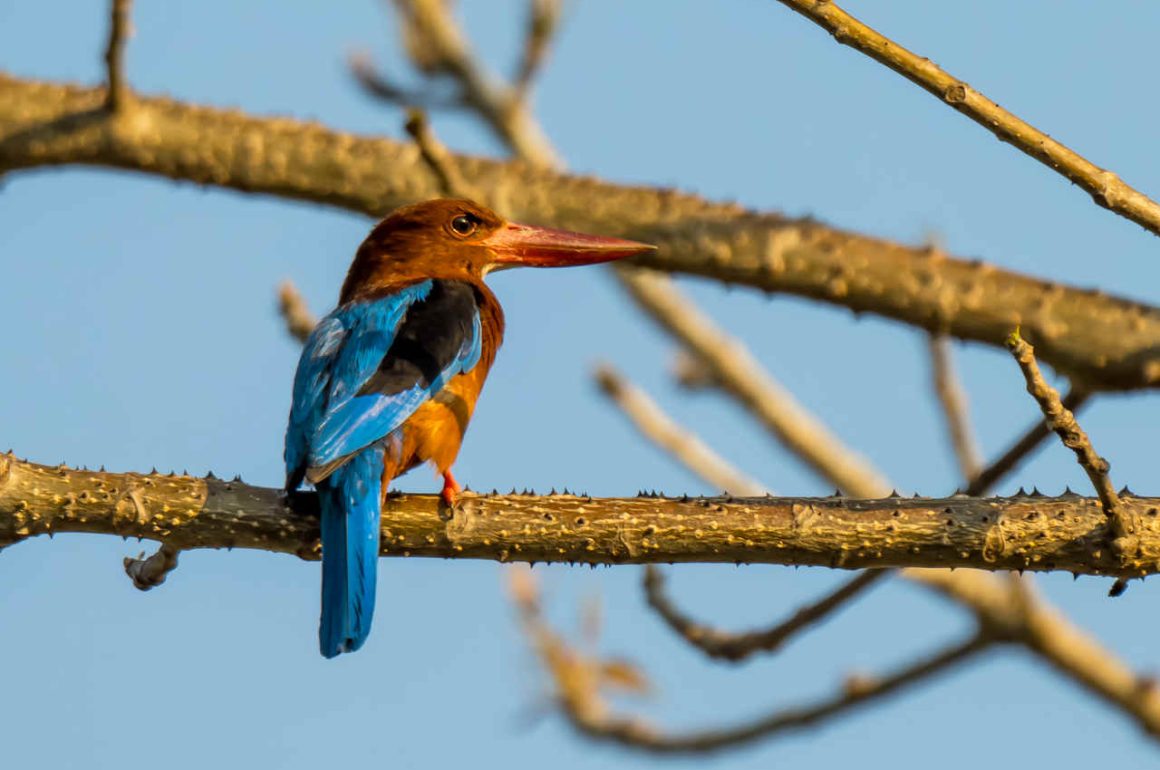
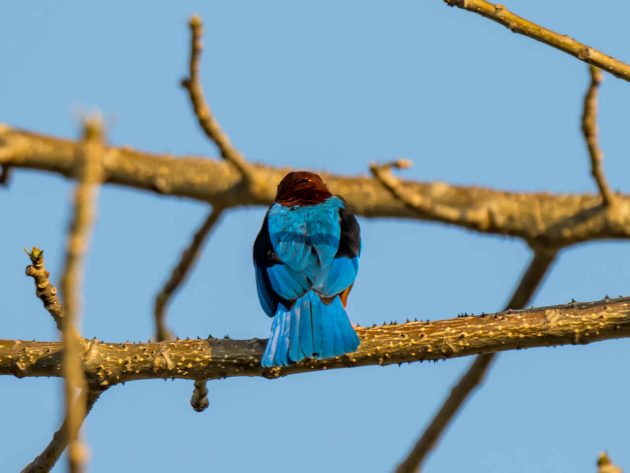
The Brown-breasted Kingfisher is another Philippine endemic – though it looks quite similar to the White-throated Kingfisher …
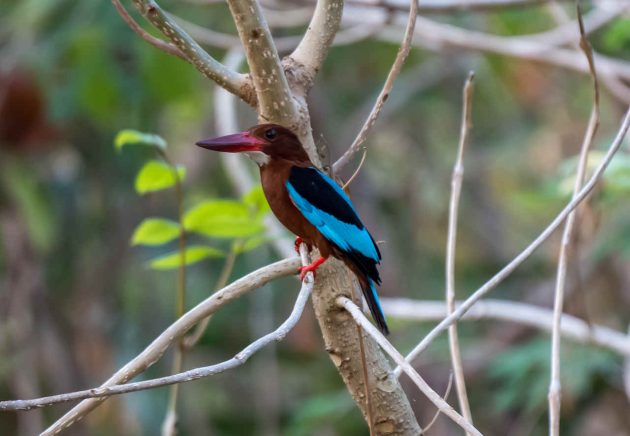
… and some of the differences named in the HBW profile sound rather spurious to me:
- restriction of white to the throat
- much larger and darker wing patch involving elongated median coverts, consisting of (a) black rather than brownish-sooty coloration of the feature, (b) black rather than chestnut-brown lesser wing-coverts, (c) black rather than dull blue tips of the median coverts, and (d) elongate median coverts so that the feature is three-quarters the length of the folded wing
- black rather than blackish-grey tips of primaries
- in comparison with H. s. fokiensis (nearest population geographically), shorter tail
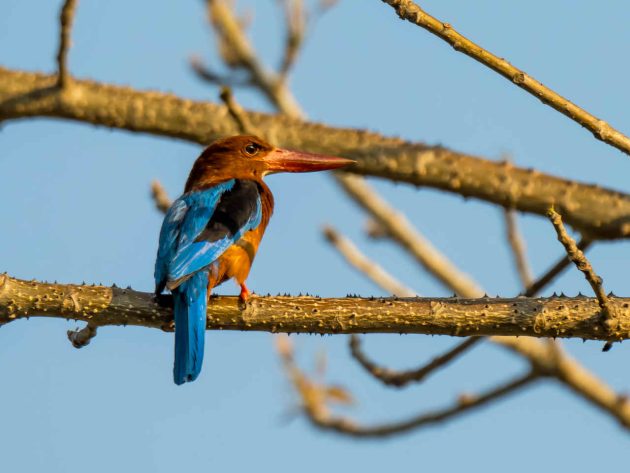
General rule of thumb: the more differences are listed, the more difficult each of them is to spot. If one species is blue and one is red, you would not focus on their different tail length for id purposes …
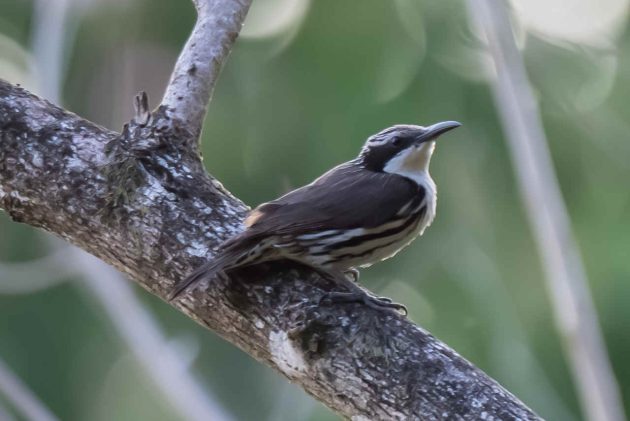
The Stripe-headed Rhabdornis is yet another endemic. It did not allow me to get a good photo, so I do not feel compelled to write anything about it.
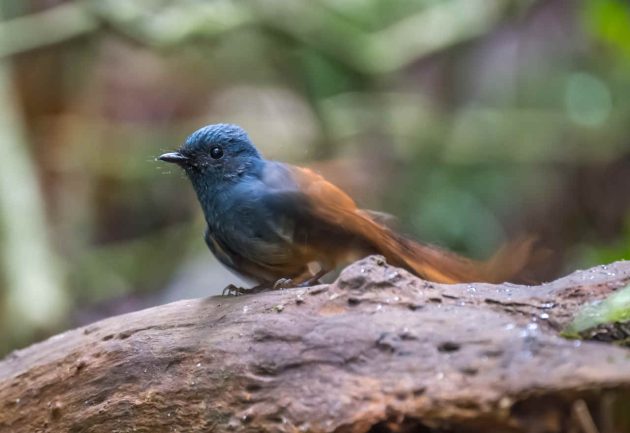
Apparently, in 1958, subspecies were still fashionable (at that time, people still thought smoking was healthy as well). So an excited paper was published on a new subspecies (then called race) of the Blue-headed Fantail.
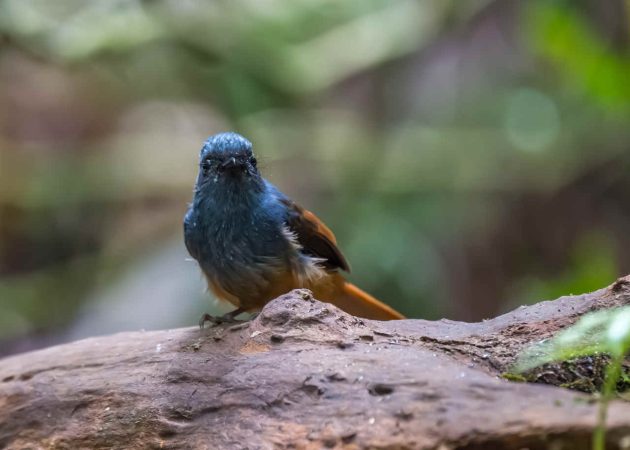
A few decades later, the species provided an undergraduate with the topic of a thesis: “The blood cells of blue-headed fantail, Rhipidura cyaniceps”.
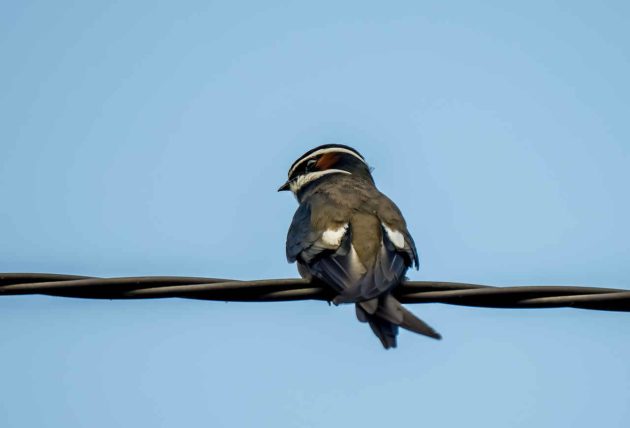
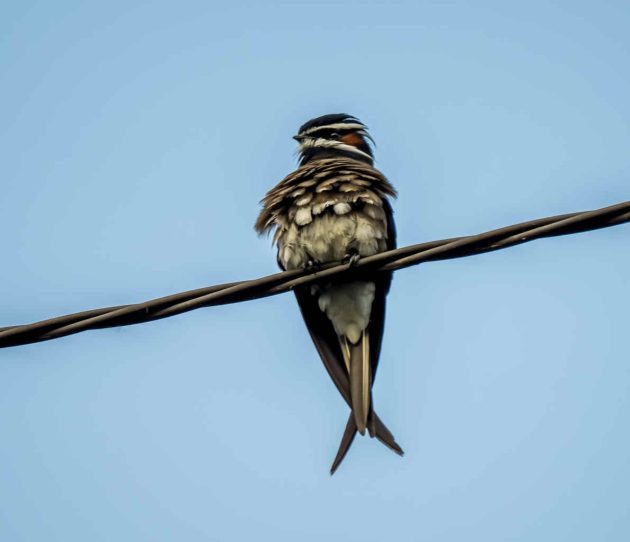
The last species in this post is the Whiskered Treeswift, and it is the only species not endemic to the Philippines.
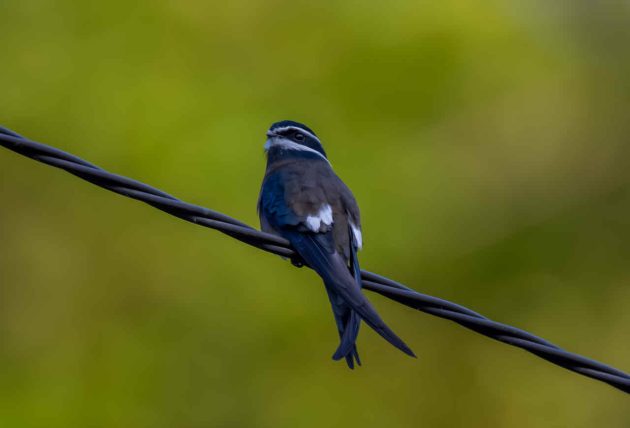
The scientific name, Hemiprocne comata, makes this a “hairy” bird (comatus = hairy).
So that is the remainder of the Philippine list, or at least the part that did not get promoted into its own post.
There is not much to unify it, apart from the fact that all of these birds exist, which is generally considered a sufficient criterion in ornithology.
In any case, the Whiskered Treeswift continues to look mildly detached from all of this, which may be the correct attitude.








We want more oddball collections and leftovers like this. Please.