

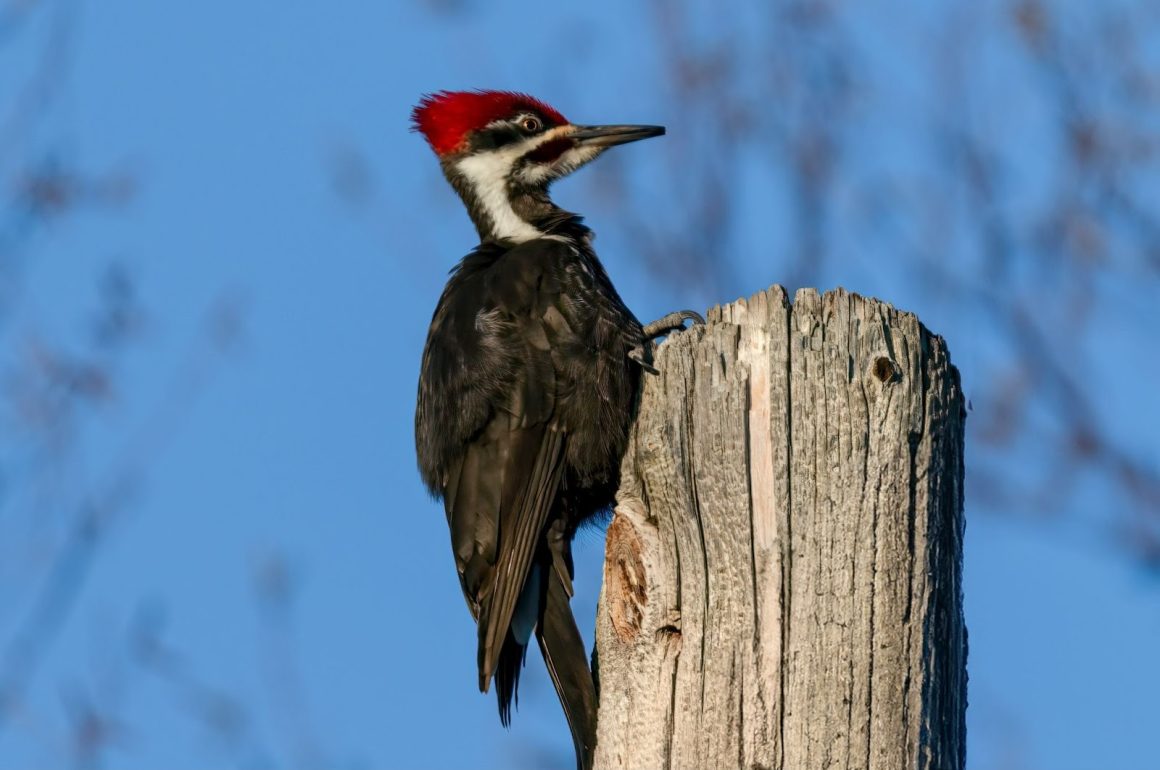
As a bird watcher or enthusiast, you may have noticed that woodpeckers, specifically Pileated Woodpeckers, are making a triumphant reappearance in North American suburban areas. They are drumming on houses, creating nest cavities, and controlling insect populations. The return of these birds indicates a significant ecological shift and a positive effect of conservation efforts.
Woodpecker Expansion Into Suburban Areas
Many woodpecker populations are dwindling in North America. Their potential extinction is due to deforestation. Woodpeckers are particularly sensitive to this because they rely on mature trees for sustenance and nest-building. As their trees disappeared, so did the species. However, Pileated Woodpeckers returning to suburban areas is a sign that recent conservation efforts have been successful enough to bring some birds back.
With the rise of environmentally conscious individuals and stress on companies to become greener due to climate change, conservation efforts have increased. Forest recovery is a significant factor in protecting the woodpecker population. Beyond expanding forests, conservationists are also creating pathways near rivers that help birds travel between forest patches. Urban areas have more green spaces thanks to conservation efforts as well. Planting local native vegetation is one green effort that creates a significant food source for birds.
Suburban spaces actually provide significant benefits for Pileated Woodpeckers, which explains the influx in this area. Suburban yards typically have mature trees, either for aesthetic or eco-friendly reasons. The birds need mature trees to create nests and cavities. They also feed on insects, which are abundant in trees. Suburban areas also lack significant predators of woodpeckers, largely due to the proximity to human structures. The woodpeckers can thrive without fear of attack.
Some homeowners are resistant to woodpeckers because of their loud calls and the cavities they create in buildings. Still, their presence in suburban spaces indicates a dramatic shift in wildlife recovery, suggesting conservation efforts are working successfully. It also demonstrates the resilience of particular species, such as Pileated Woodpeckers, which can adapt surprisingly well to suburban areas.
Woodpeckers as a Keystone Species
Woodpeckers are valuable to conservation efforts because they are considered keystone species, playing a critical role in their ecosystem. Specifically, Pileated Woodpeckers have around thirty species that rely on them. Some of these animals include the Boreal Owl, Red Squirrels and the Silver-Haired Bat. The main reason birds and other animals depend on woodpeckers is that they use their nest sites for reproduction.
Pileated Woodpeckers also provide significant benefits to local homeowners in suburban areas. The main reason is their diet — they eat insects that can infest homes and create substantial extermination bills. With woodpeckers around, residents do not need to worry as much about pests, similar to cat owners not stressing over mice.
How to Create a Better Habitat for Woodpeckers
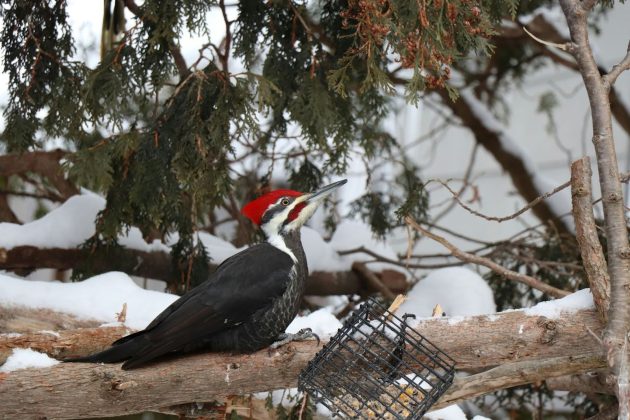
If you are intrigued by the idea of having Pileated Woodpeckers around, either because of their help with pest control or out of a general desire to support conservation, there are many ways you can modify your home and yard to suit a woodpecker’s habitat better. Setting up bird feeders attracts woodpeckers. Suet is especially beneficial as a food source in the winter. Put a large piece of food into a suet feeder that allows woodpeckers to eat for an extended period.
Another effective method is to plant native trees and shrubs, since woodpeckers rely on those to create nest cavities and hunt for insects. Having a year-round water source is also essential, as suburban areas typically lack nearby streams or rivers for woodpeckers to drink from. Installing a bird bath is a good solution.
Homeowners must consider their outdoor equipment, as harmful chemicals can significantly reduce local animal populations, including woodpeckers. Do a quick survey of your house and yard to identify potentially dangerous machines and harmful chemical residue. Examples could include external HVAC systems or areas storing toxic cleaning equipment.
Importance of Living Peacefully Alongside Woodpeckers
You do not have to create an entire habitat to live peacefully alongside woodpeckers. Some residents may find them annoying, especially when they incessantly drum on houses. However, you should remember that it is how they communicate. They could also be finding insects in the folds of the house, preventing them from infiltrating your home.
Unfortunately, the drumming could also mean they are trying to excavate a cavity as deep as 1 1/4 inches in your house for nesting. If you notice this, it is essential not to resort to pesticides or brute force. Pileated Woodpeckers are a valuable species in North America, so you should help preserve them. A helpful tip for preventing nest building in undesirable areas is to hang nest boxes near your house or on local trees. These boxes provide an alternative home for woodpeckers and should keep them away from your house’s siding.
Record Bird Sightings and Create Habitats
The presence of Pileated Woodpeckers in suburban areas demonstrates that conservation efforts can be successful. It is up to local homeowners to make these spaces safer for wildlife. Bird enthusiasts can help by observing population shifts and reporting them via an app or other sources. Creating a backyard habitat or simply logging woodpecker sightings are great ways to aid conservation efforts and keep this species around for much longer.










Great article! Always good to read about wins for the environment.