

Highlights
Great habitat and species variety from lowland steppes with rivers, lakes, to old mountain beech forests
Key Bird Species and Families
- Great Bustard
- Saker Falcon
- Imperial Eagle
- Collared Pratincole
- Eurasian Hoopoe
- European Roller
- Bluethroat
- Eurasian Honey-Buzzard
- Montague’s Harrier
- Moustached Warbler
- Ural Owl
- Collared Flycatcher
- White-backed Woodpecker
- Syrian Woodpecker
- Autumn-Winter: 100thousand Common Cranes, Wallcreeper, Dotterel
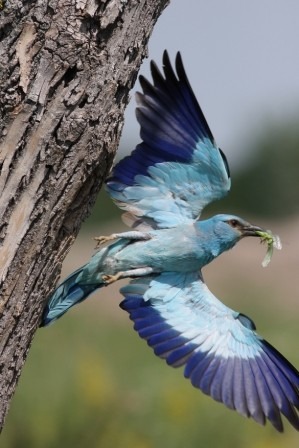
European Roller
Best Regions for Birding
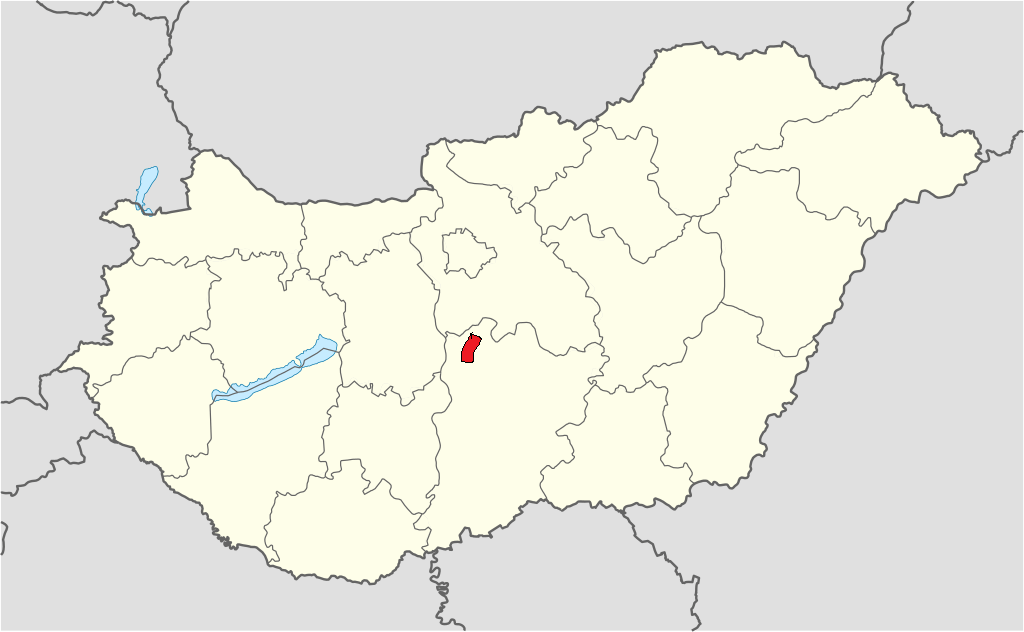
Kiskunsag National Park – Many birders come to Hungary to discover the Westernmost edge of the Asiatic steppe (what we locally call Puszta), which still exists in Central Europe. The best example you can find is in Kiskunsag National Park.
Ecotours Kondor EcoLodge is in the middle of this interesting protected area, which covers huge, different habitats ranging from moving sand dunes through steppes, alkaline and freshwater lakes, meandering rivers with gallery forests, oxbow lakes, wooded pastures and mixed forests. Because of this great variety of habitats, the area offers fantastic birding with loads of interesting, characteristic species from Great Bustard, Stone Curlew, Tawny Pipit to Saker and Red-footed Falcon, White-tailed, Short-toed & Imperial Eagle, colourful Roller, Bee-eater, Golden Oriole, Hoopoe, Nightjar, just to mention a few.
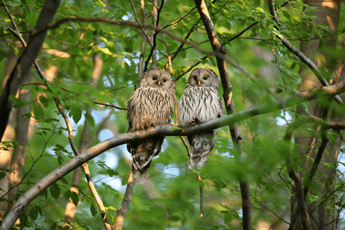
Bukk National Park has completely different habitats, thus species. Besides the previously mentioned grassland species, in the vast beechwoods you will have a good chance for Ural & Eagle Owl, almost all European Woodpecker species, Red-breasted Flycatcher, Hawfinch and other woodland species.
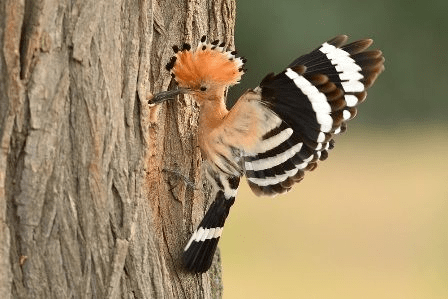
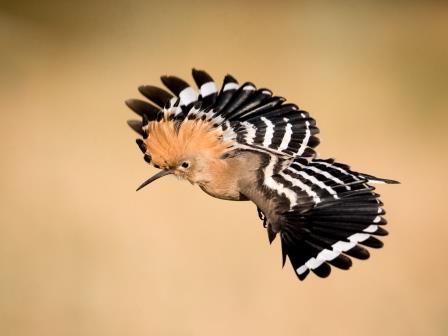
Eurasian Hoopoe
Best Birding Season
April-July – most of the above species
Sept-Nov – 100thousand Common Cranes, Wallcreeper, Dotterel
Dec-Febr – Winter photography of Imperial & White-tailed Eagles, Hen Harrier, Ural Owl, woodpeckers
Birding Trip Suggestion(s)
- Kondor Ecolodge & its vicinity – Golden Oriole, Bee-eater, Roller, Hoopoe & more
Several full days can be spent at and around the lodge. The air is full of thrills and songs of nesting Chaffinches, Goldfinches, Greenfinches, Swallows, Chiffchaffs, Black Redstarts, Stonechats, Blackcaps, Mistle Thrushes, and Willow Warblers. Tree Sparrow and Common Redstart are also a possibility, both have been breeding species in the garden recently. You won’t be bored by the flute of Golden Orioles or the bubbling sounds of Bee-eaters or female Cuckoos around. Various resident woodpeckers in or near the garden include Lesser and Great Spotted Woodpecker, Wryneck and Green Woodpecker, but even Black Woodpecker is possible.
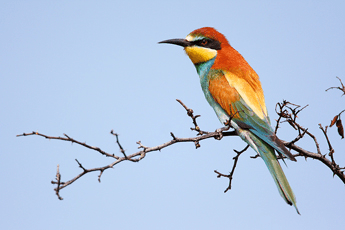
Most of the above-mentioned species are in or around the garden, but with different walks, one can find many more interesting things around, even without using a vehicle! Trails and rural, sandy dirt-roads meander through a flat area dotted by small forest patches, grasslands and a lake. The surrounding area is very good for Rollers and Bee-eaters, in fact, they are one of the most common birds around! Nearby, Syrian & Black Woodpecker are around & Turtle Dove occurs as well. One can find Tawny Pipit, Red-backed & Lesser Grey Shrike as well. Hoopoe, Tree Pipit, Corn Bunting, Whinchat, Nightingale, Crested Lark and Yellow Wagtail all have good populations here as well. It is not uncommon to hear and see Hawfinch, Garden Warbler, Linnet or Spotted Flycatcher, either. The nearby extensive sand dunes covered with different Stipa species in the central part of the National Park are ideal for Wood Lark populations.
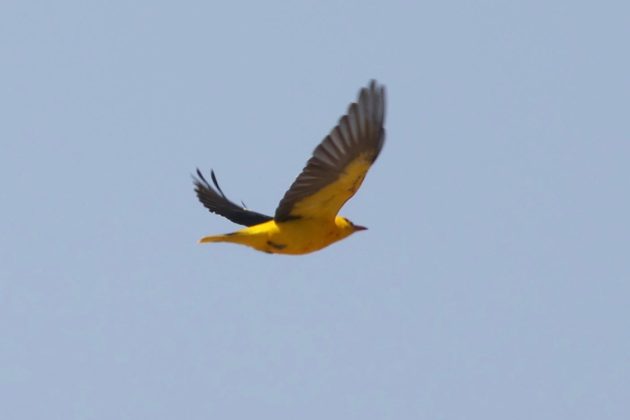
Golden Oriole
- Upper Kiskunsag National Park – Great Bustard, Collared Pratincole & more
One of the typical habitats of Kiskunsag is the flat, perfect plain, which we Hungarians refer to as “The Puszta”, which has several different types ranging from dry grassland to marshy meadows.
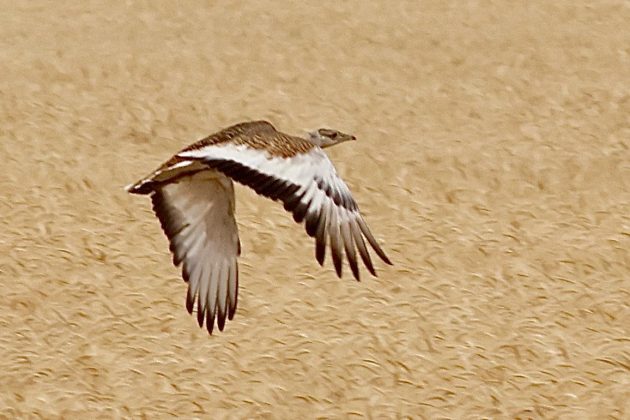
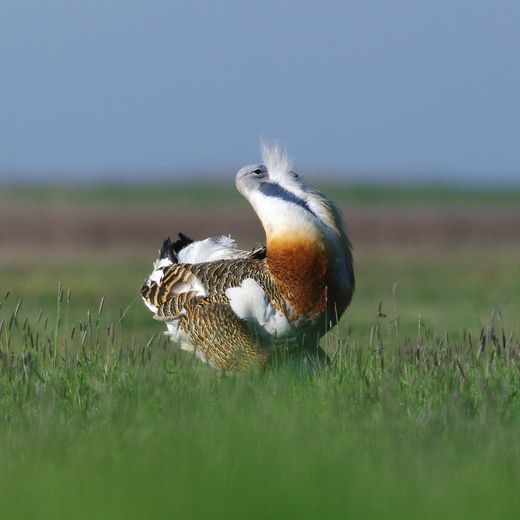
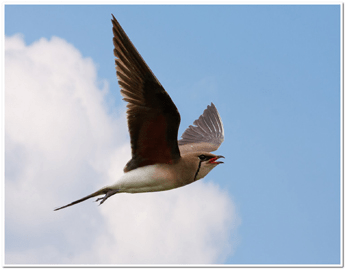
Kiskunsag grassland is the typical habitat for Great Bustard, with the largest population not just in Hungary, but all of Europe! In the grassland area, there is a good chance of enjoying the view of the enormous males, which is quite an unforgettable experience! A nearby area holds Mediterranean Gulls. Not too far, one can also search for an occasional Black-winged Pratincole among the Collared ones. On the way, one should look for Stone Curlew, Tawny Pipit, Lesser Grey Shrike, Wheatear, Grey Partridge, Stonechat, Whinchat and a bee-eater colony.
An ancient man-made hill provides a perfect hunting area for some great raptors such as Imperial Eagle, Red-footed Falcon, Saker Falcon or Booted Eagle. Certain species adapted to the agricultural fields and nest at the edge of these areas. Long-eared and Little Owl usually can be found at farmhouses.
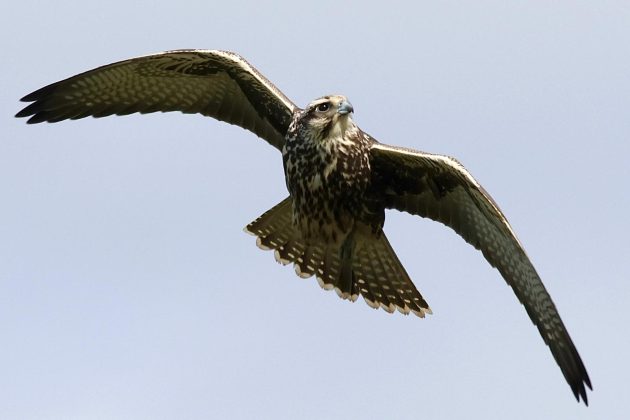
Saker Falcon
Great Bustard
Collared Pratincole
- Freshwater & Alkaline Lakes, channels, fishponds & steppes – Great seasonal variety
Some natural alkaline lakes have very high salt and other mineral concentrations. Different species can be found at gravel pits filled with water and alongside the canals connecting the River Tisza or River Danube with drier areas.
This is where one can find the following breeding birds: Avocet, Redshank, Black-winged Stilt, Black-tailed Godwit, Curlew, Kentish Plover, Pygmy Cormorant, Black-necked Grebe, Little Grebe, Squacco Heron, Purple Heron, Night Heron, Spoonbill, Common Snipe, and Kingfisher.
It is usually easier to hear than to see Bittern, Corncrake, Spotted Crake and Little Crake, but one may be able to get a glimpse of some of these species as well.
Besides the numerous Marsh Harriers one should find Montague’s Harrier as well, but White-tailed Eagle or Saker Falcon cause much bigger alarm amongst the flocks of Ferruginous Duck, Shoveler, Garganey, and Red-crested Pochard. Terns are represented by Common and Whiskered Tern, and during “wet years,” Black and White-winged Black Terns are present as well. Alongside Black-headed and Yellow-legged Gulls, there are nice colonies of Mediterranean Gulls. Reedbeds are teeming with Penduline Tit, Bearded Reedling, Great Reed Warbler, Savi’s Warbler, Sedge and Reed Warbler. Alongside the rivers at the so-called “gallery forests” or riparian forests, one may find Lesser and Middle Spotted Woodpecker, Black Woodpecker and Black Storks, plus plenty of Golden Orioles.
- Oxbow Lakes & old floodplain forests
Floodplains of the River Tisza and its several oxbow lakes are also perfect birding spots.
Alongside the river and its oxbow lakes, there are so-called “gallery forest” or riparian forest where the old trees provide a perfect Woodpecker Paradise. One may find Lesser, Middle, and Great Spotted Woodpecker, but should look for Grey-headed & Black Woodpecker as well. The forest is a nesting site for Black Storks and Tawny Owls as well.
Looking down from the top of an ancient earth-fortress to the surrounding vast area with meandering oxbow lakes full of birds: It is a paradise for Great White & Little Egret, Great & Pygmy Cormorant, Black-necked & Little Grebe, Squacco Heron, Purple Heron, Night Heron, Spoonbill, Common Snipe, Kingfisher and of course plenty of ducks, including Ferruginous Duck, Shoveler, Garganey. Raptors are frequently hunting around, sometimes even White-tailed Eagle or Saker Falcon.
With a short walk, one can visit the edge of a little lake and a marshy area to find Penduline Tit, Bearded Reedling, Great Reed Warbler, Savi’s Warbler, Sedge and Reed Warbler. Night Heron and Kingfisher are usually here as well.
Another, smaller oxbow lake offers a second chance for closer views of some of the above-mentioned species. Plus, the gardens of weekend houses are perfect habitats for Wryneck & Syrian Woodpecker.
- Lake Kolon & steppe habitats
This is an area where traditional herds of Great Grey Hungarian Cattle are grazing the puszta. It is an excellent site for Red-footed Falcons and Eurasian Rollers. It also holds a small population of Great Bustards.
Lake Kolon has one of the most important bird-ringing centres of Hungary. It is also a field centre for Moustached Warbler populations. The most common reedbed species here are Sedge and Reed Warbler, but it has the strongest Moustached Warbler population in Hungary as well. It is a reliable place for Penduline Tit & Bearded Reedling, Great Reed Warbler, and Savi’s Warbler.
It is possible to do an environmentally friendly electric boat ride to visit different channels and islands of the lake. A professional hide offers photography or wildlife viewing of Black-winged Stilt, Spoonbill, Great White & Little Egret, Squacco Heron, Little Grebe, Purple & Grey Heron, Hobby, Marsh Harrier and sometimes even White-tailed Eagle.
European Bee-eater
Practical Tips
- Best locations depend on the specific interests of each visitor (e.g., twitcher, general birder, bird photographer, general wildlife lover)
- Each month, sometimes even a week is different, so make sure you visit at a good time for your goals
Books
Finding Birds in Hungary by Dave Gosney
Links
- https://mme.hu/en/magyarorszagmadarai
- https://en.wikipedia.org/wiki/List_of_birds_of_Hungary
- https://ebird.org/region/HU
- www.knp.hu
- www.kondorecolodge.hu
- https://naturewatchingineurope.com/2025/06/28/kiskunsag-national-park/
- https://naturewatchingineurope.com/2025/12/27/bukk-hills-national-park/
- https://www.bnpi.hu/hu/bukki-nemzeti-park-2
Ural Owl
By Gabor Orban
Gabor and his wife, Andrea, are both professional guides with decades of experience. They actually live and migrate like strange birds. From May to October, they live in Hungary in the lowland steppe area where they run Kondor Ecolodge Birding and Photography Center, and the other half they live in the cloudforests of Costa Rica, where they have the Casa Quetzal Birding & Photography Guesthouse. Gabor Orban is the founder and owner of ECOTOURS-WORLDWIDE and can be reached at ecotoursgabororban@gmail.com
Map “Hungary location map” by NordNordWest (talk · contribs) is licensed under CC BY-SA 3.0. Park location is approximate only.









That’s Kiskunsag, but Bukk is missing from the map.