
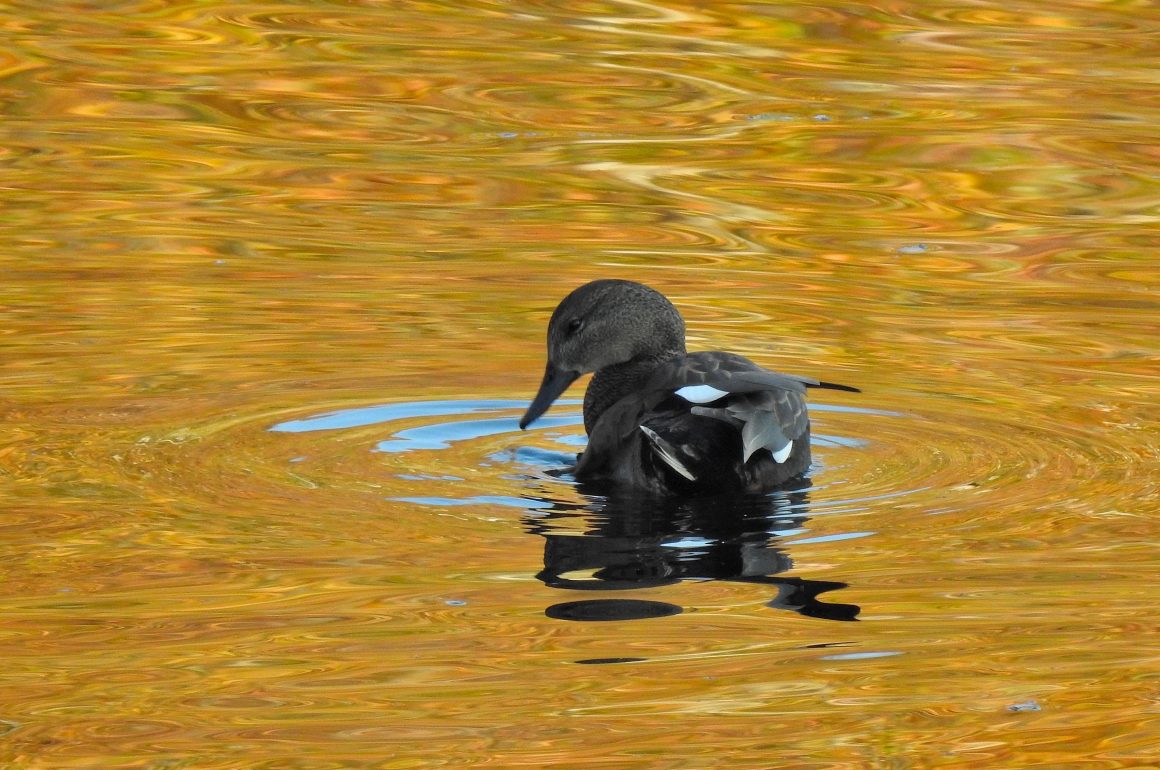
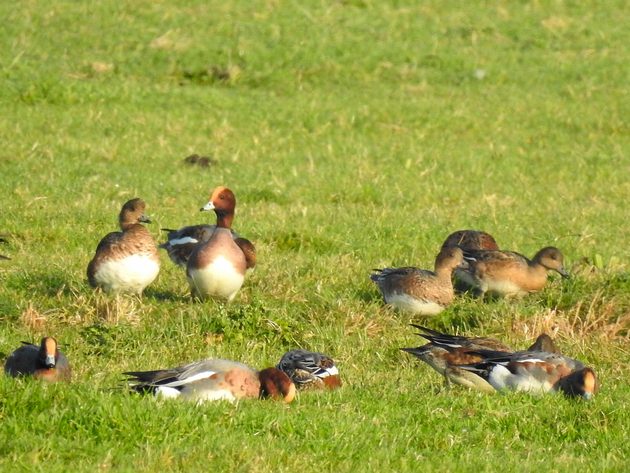
The peak of migration seems to be behind us here in Holland. Most passage migrants have, how to put it, passaged and the winter crew is settling in. As you all know, a gross generalisation. Like one throw of the dice can change a game, so can a change in wind direction or a cold snap change the avian landscape. Sometimes I also just don’t know. Are the group of about 30 Golden Plovers amongst the Lapwings passing or staying? I have seen the plovers in every winter month now and literature keeps portraying them as both passsage and wintering. One hundred % certified as a winter visitor and a bird I personally like a lot is the Wigeon. This colourful duck is the most abundant duck in the Western Palaearctic. They don’t breed in the Netherlands so every year it is an eager wait for their characteristic whistling.
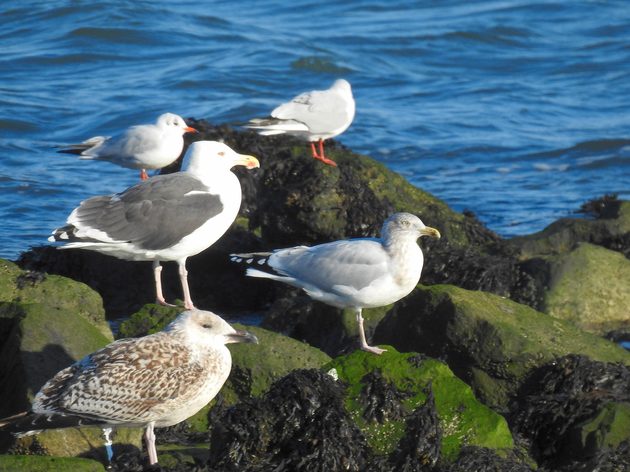
Gulls are also upon our shores. Most of the Lesser Black-backed Gulls have flown south (I see them on the coast near my Portuguese home every winter) but Herring Gull suddenly increase in numbers, presumably through migration. Out on the Rozenburg Landtong the North Sea is close, so I wasn’t too surprised to see some Great Black-backed Gulls too.
Inland, the Grey Herons are taking advantage of the mowing of the nature reserves. This is done late to allow the wild plants to set seed.
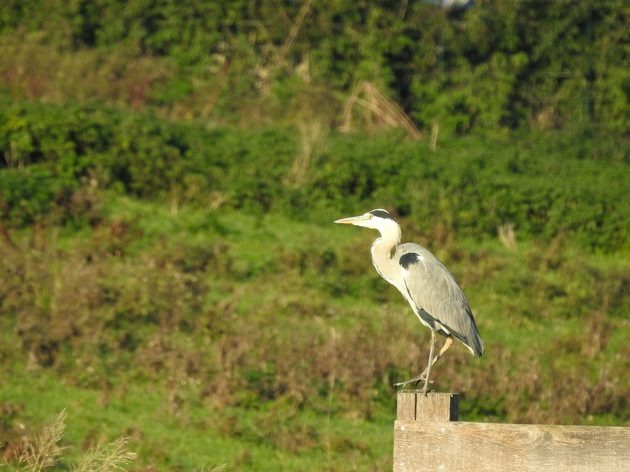
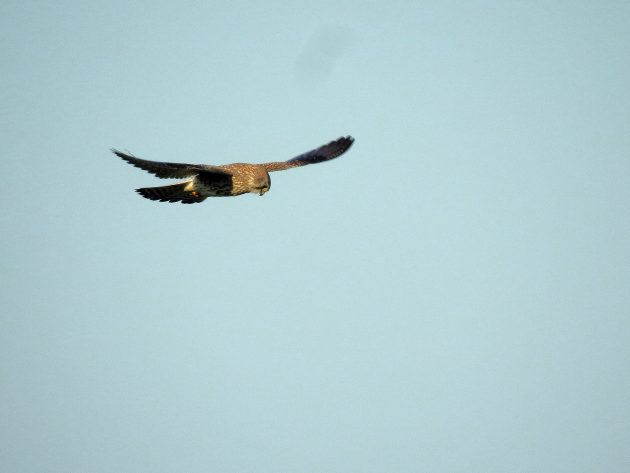
No mowing at all would probably be the preferred option for the voles and mice because the herons and Kestrels are making a killing in the short grass, pun ever so intended.
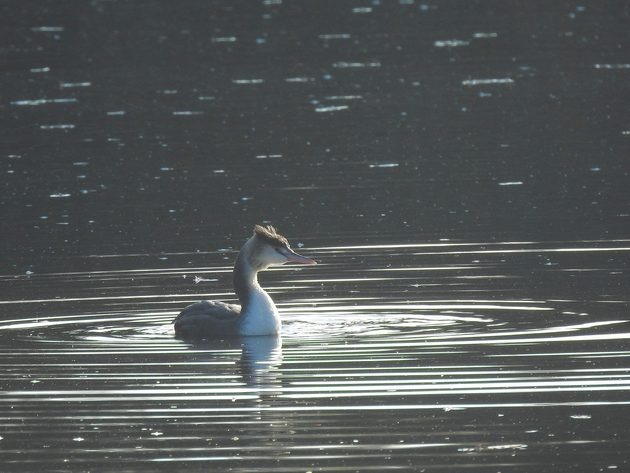
On the ponds the Great Crested Grebe has changed into winter clothes. I took this artistic picture against the light. As usual, a very poor result, but you get the picture.
And while I type that last pun, our editor calls. “Will you stop immediately with those lame word jokes!!“





Leave a Comment