

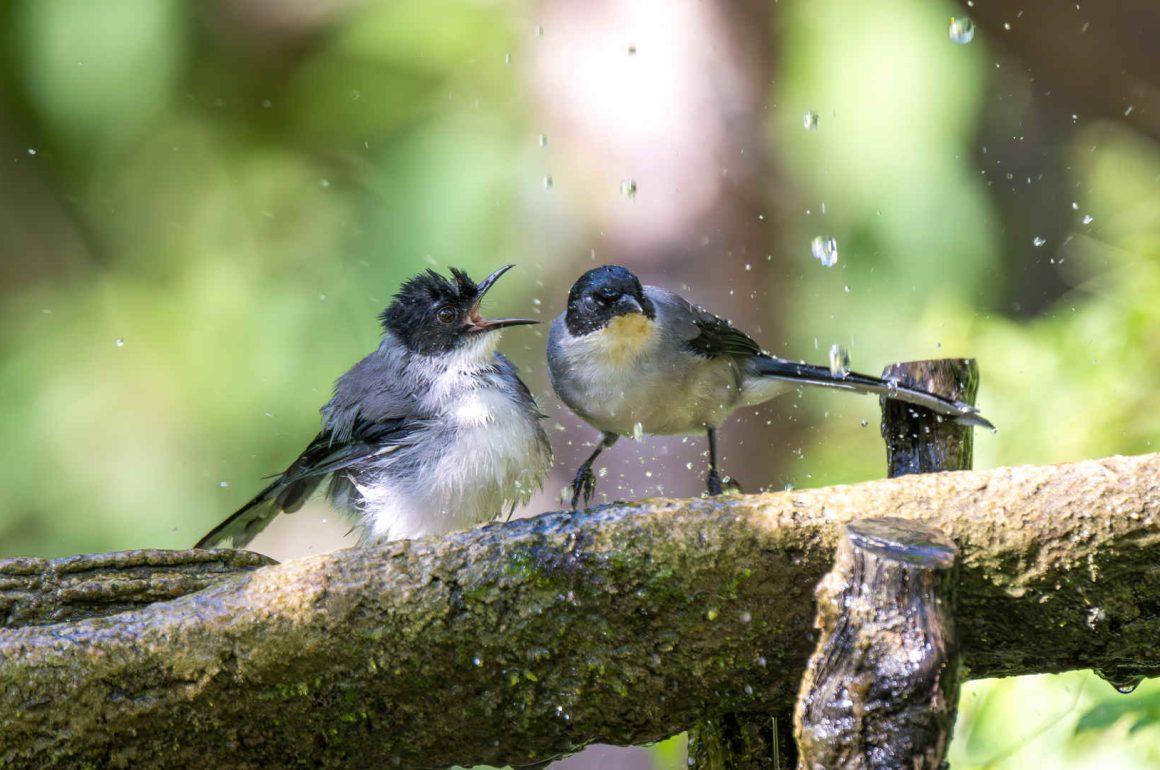
This was mostly birding from a hide about two hours from Dali, Yunnan – so remote that the guesthouse lacked Wifi, prompting my wife to remark, “This is not China then”. Cold beer was out of the question as well.
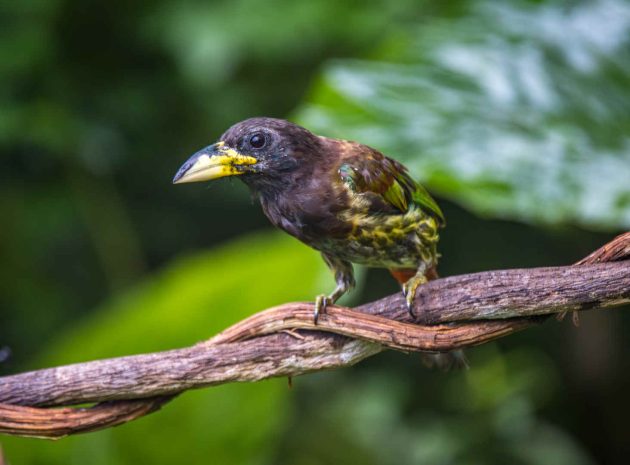
The birds did not seem to mind much, though it is possible that the somewhat poor plumage condition of the local Great Barbet was a consequence of these issues. How would I know.
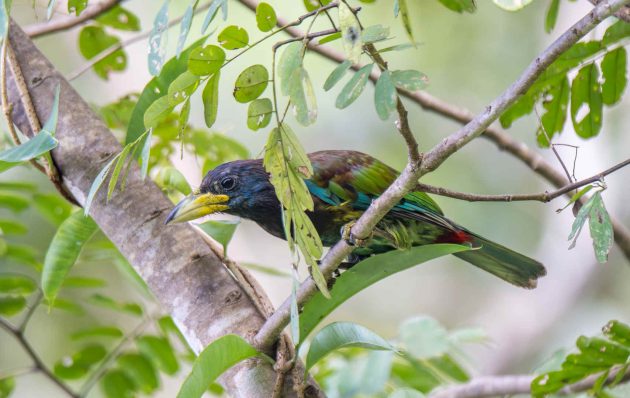
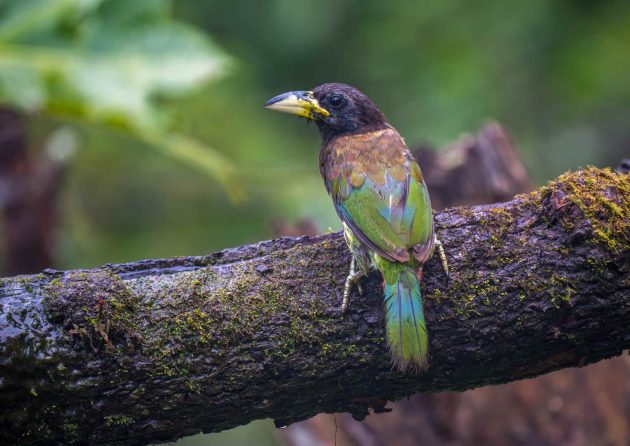
While it is listed as Least Concern, it is hunted for food in some of its distribution range (source: HBW) – apparently by people who are not afraid of food colorants.
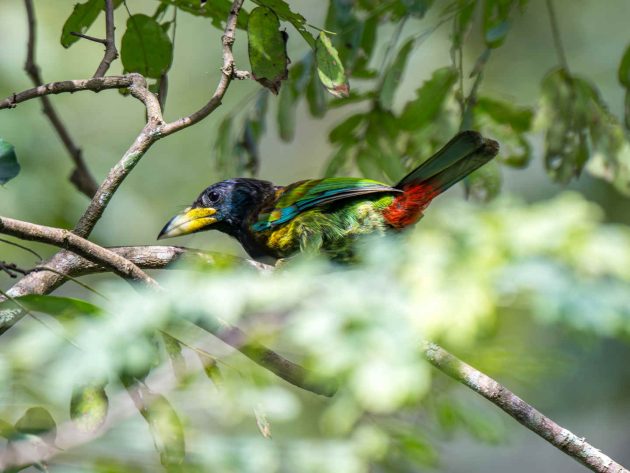
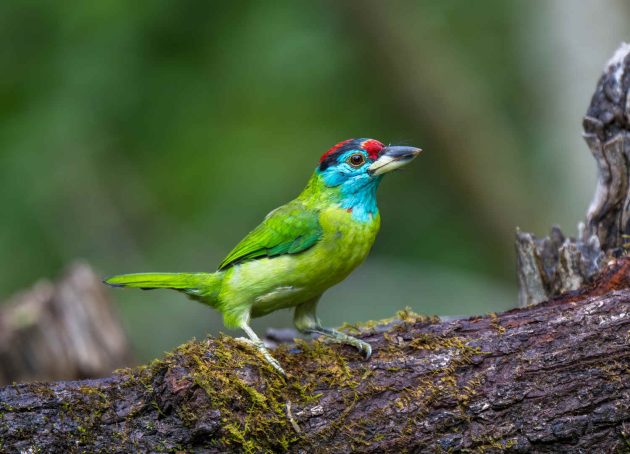
The smaller Blue-throated Barbet is in the same genus (the somewhat weirdly named Psilopogon – sounds a bit like a fraternity founded by punks).
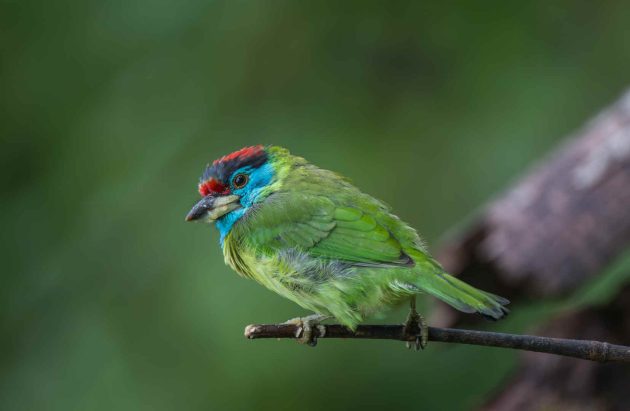
The HBW remarks that it is most easily observed at fruiting trees, but I learned that strategically placed bits of apple work as well.
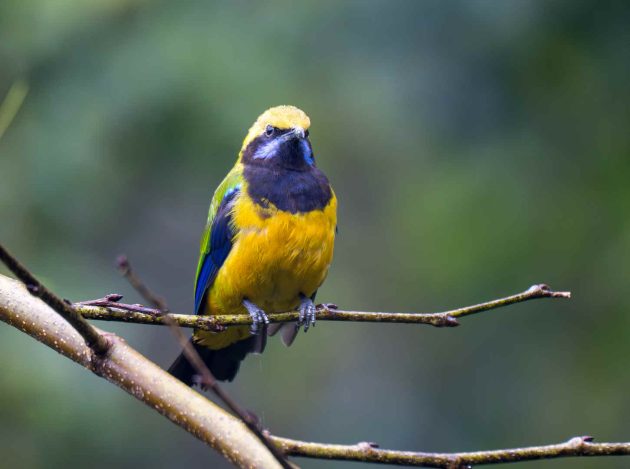
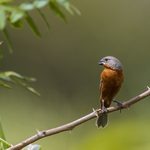
As it does for the Orange-bellied Leafbird. Its scientific name, Chloropsis hardwickii, commemorates one Thomas Hardwicke, an English soldier and naturalist who was in India from 1777 to 1823 (source).
Apparently, he combined not marrying with some sexual activity – Wikipedia writes that “Hardwicke was not married but had three illegitimate daughters and two sons apart from two daughters born to an Indian mistress.”
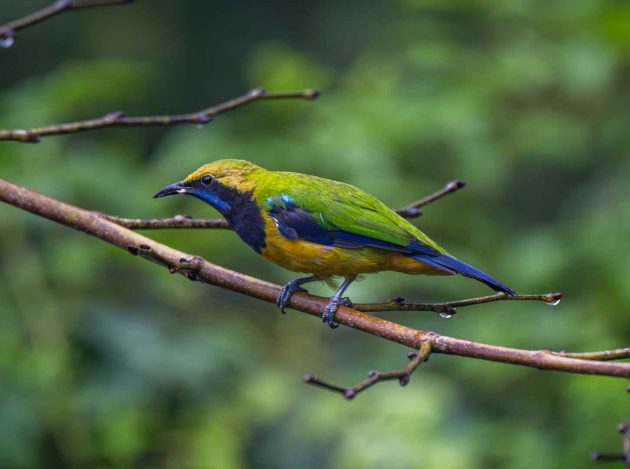
The species itself makes a pretty clear distinction by the sexes, as presumably Hardwicke did – here is the female.
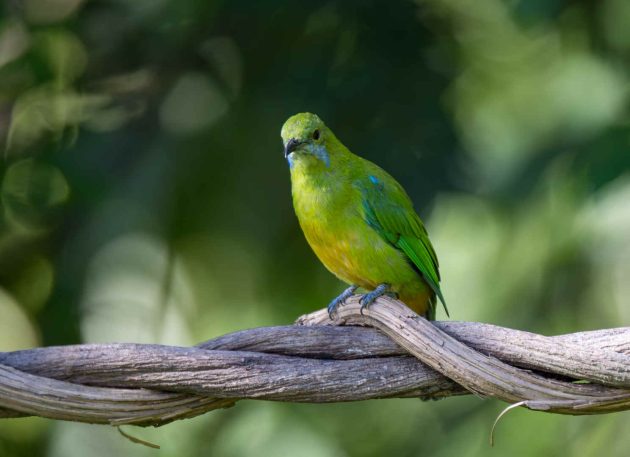
Habitat selection by birds of the species is based on canopy density and coverage (source) – sounds rather materialistic to me … where is the idealism of earlier bird species?
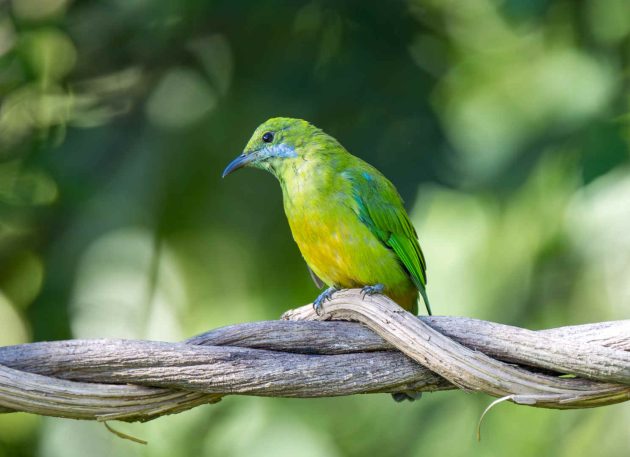
The species seems to be fairly idealistic regarding the seed dispersal of an endangered plant, Taxus chinensis, though.
Weirdly, a paper in the (rightly not too renowned) INDIAN J TRADITIONAL KNOWLEDGE gives the wrong English name for the species, calling it “Long-tailed Minivet”. I know, it would have been polite not to point this out. Still (I just rewatched Reacher series 2), “In an investigation, details matter”.
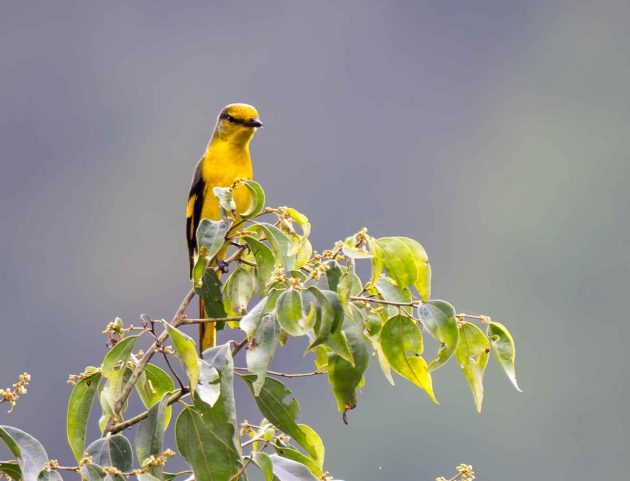
The latter Long-tailed Minivet also showed up, though, both in the orange-taste and the lemon-taste variety (male, female).
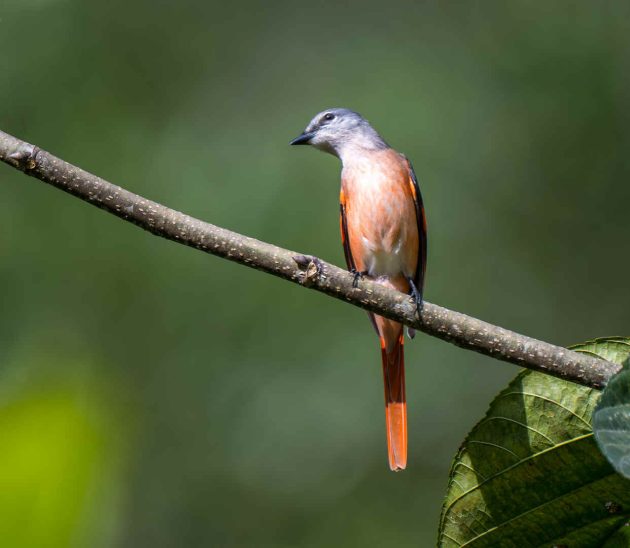
The photos show mainly what I presume to be juveniles with their much weaker-colored breast feathers.
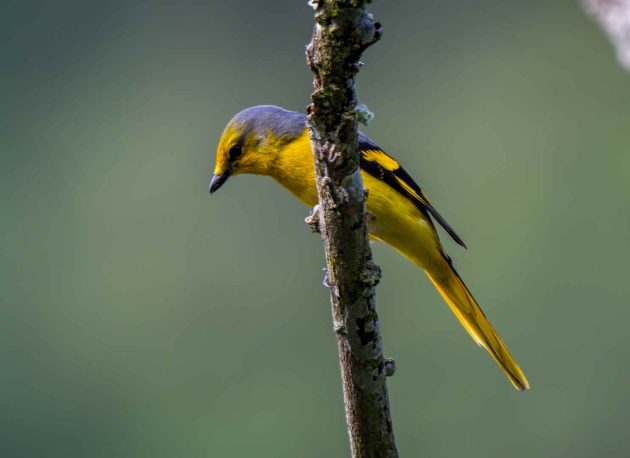
I did not find a good explanation for its scientific name, Pericrocotus ethologus (ethologus means mimic), so I asked ChatGPT – but I have no idea whether this explanation is correct, and I do not find it particularly convincing:
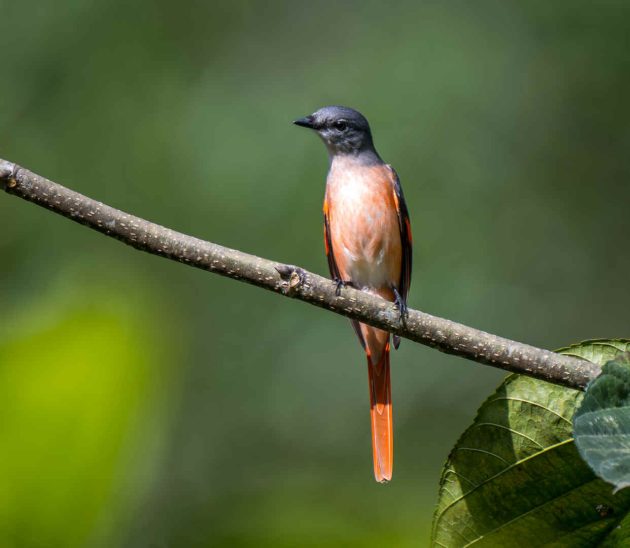
“When Edward Blyth named the species in 1846, he may have been alluding to something in the bird’s behavior or temperament — perhaps the way minivets move in conspicuous, coordinated flocks, their active foraging style, or their striking pair behavior (males and females often move together). Unfortunately, Blyth didn’t always explain his naming rationale, but ethologus most likely refers to some notable behavioral trait he observed, rather than a plumage feature or locality. So, roughly speaking, Pericrocotus ethologus could be read as: ‘The minivet distinguished by its behavior.’”
Moving on to bulbuls now. The Black-crested Bulbul always tempts me to make another Presley joke (“Elvis has left the bird hide”).
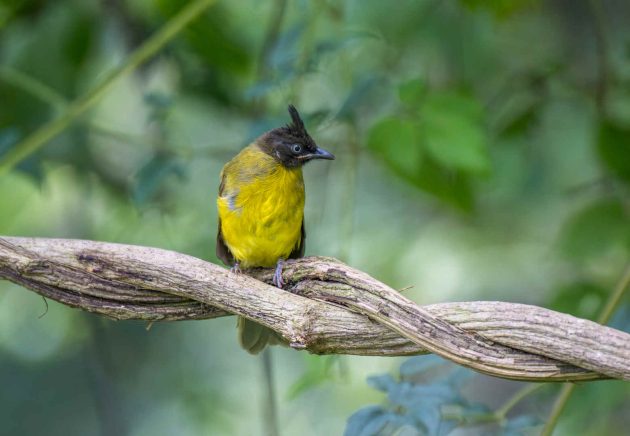
But I will refrain this time …
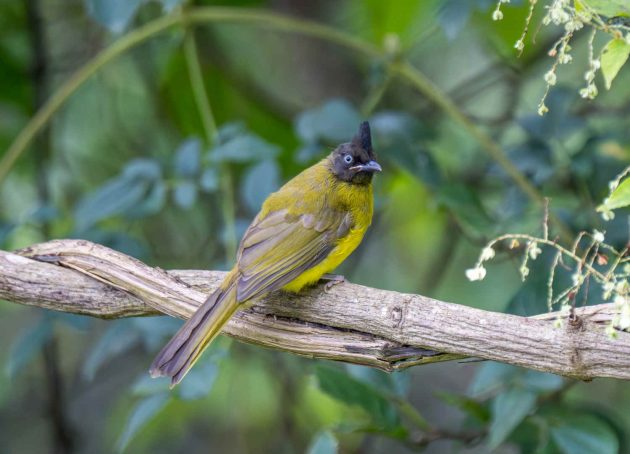
… as there was a slightly more uncommon bulbul as well, the Ashy Bulbul.
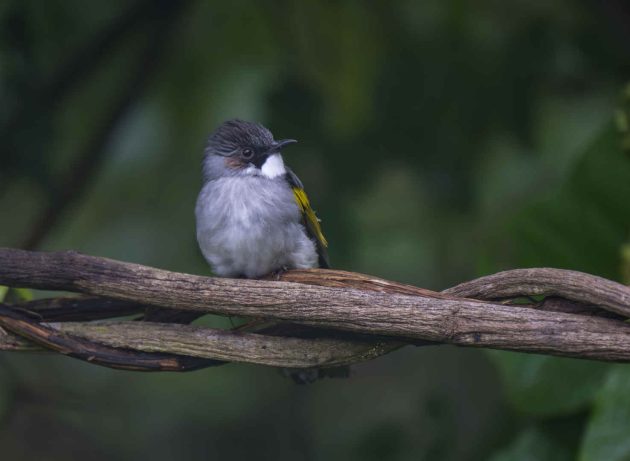
To me, the scientific name Hemixos flavala (which indicates it has yellow wings) sounds misleading (it looks more like green to me) – but the HBW describes them as “broadly fringed bright golden with olive tinge”, and who am I to disagree with the HBW (apart from the cases when specific bird pages are sponsored by individuals, which I find decidedly weird).
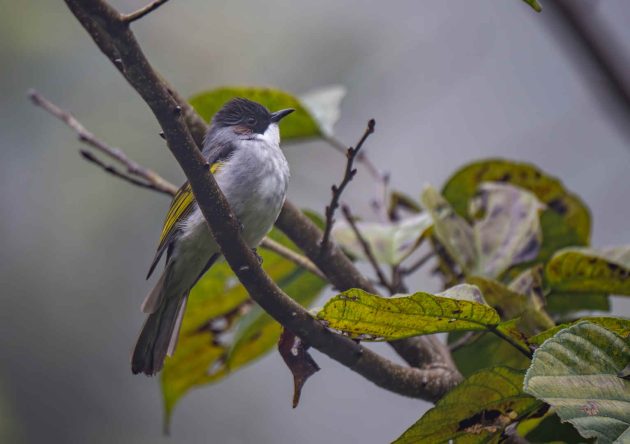
Of course, Sooty-headed Bulbuls are always present.
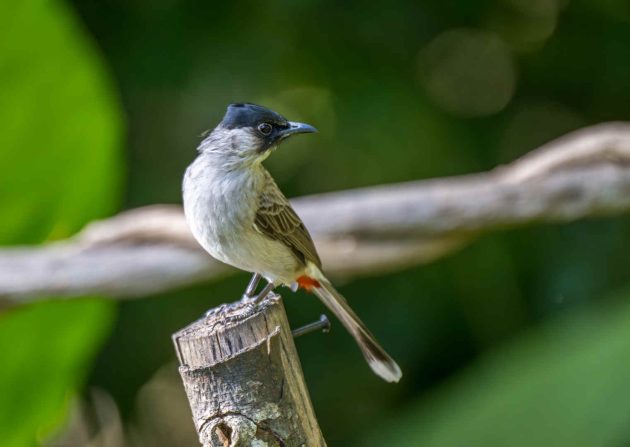
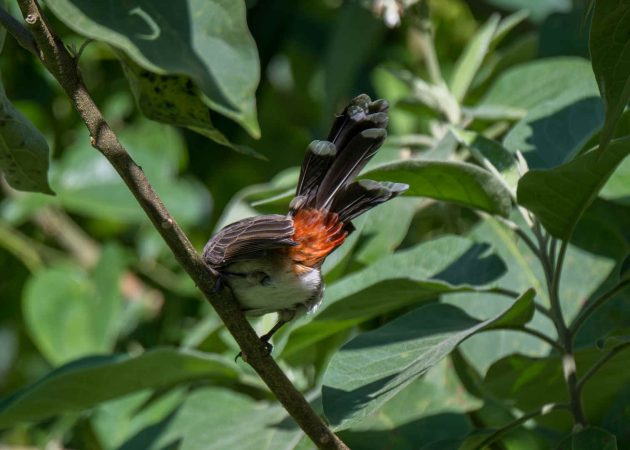
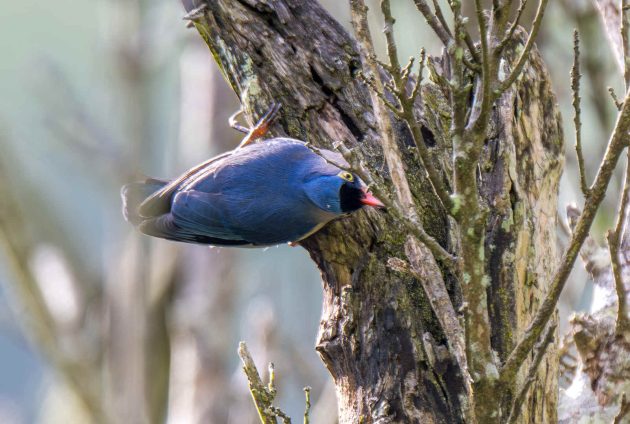
Also, there were two types of nuthatches – one being the Chestnut-vented Nuthatch.
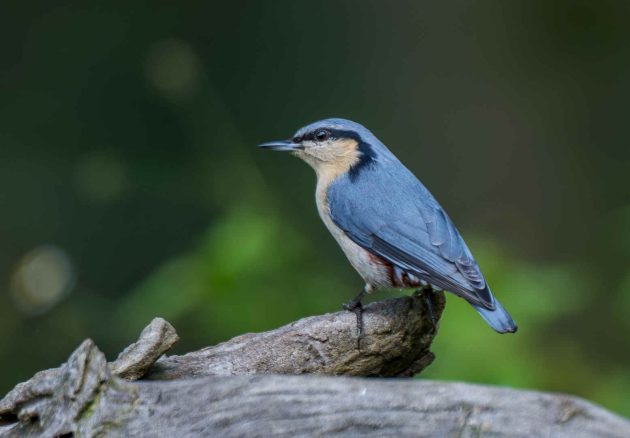
Presumably, the people – Victorians? – who named this bird were probably a bit shy about anatomical areas – the vent is the area around the cloaca.
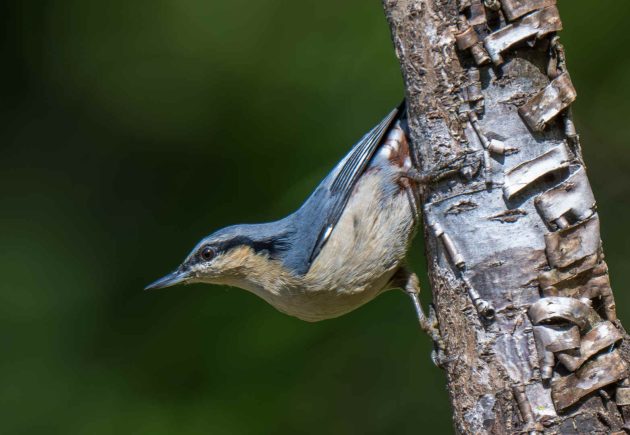
A paper on the breeding of this nuthatch has the following first 3 sections (I added the first sentence for each section):
- Simple Summary: “Life history and its related theories are one of the most important topics in behavioral ecology, population ecology, and evolutionary biology.”
followed by
- Abstract: “The breeding ecology of birds is the cornerstone of bird life-history theory, and breeding success directly affects the survival and development of populations.”
followed by
- Introduction: “Life history and its related theories are important topics in behavioral ecology, population ecology, and evolutionary biology.”
Hmm, I guess this is academia.
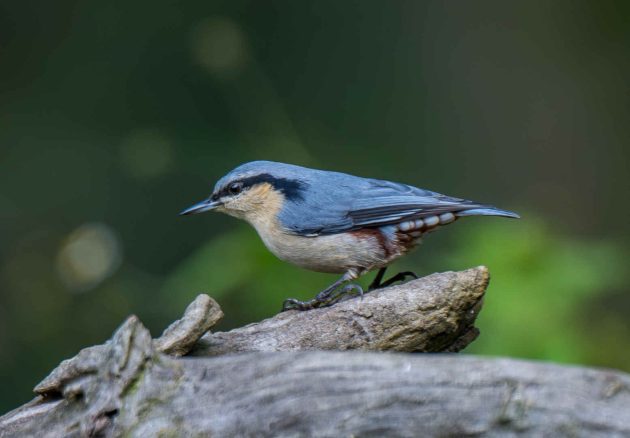
The Velvet-fronted Nuthatch is prettier, but it did not allow me to get a very satisfying photo.
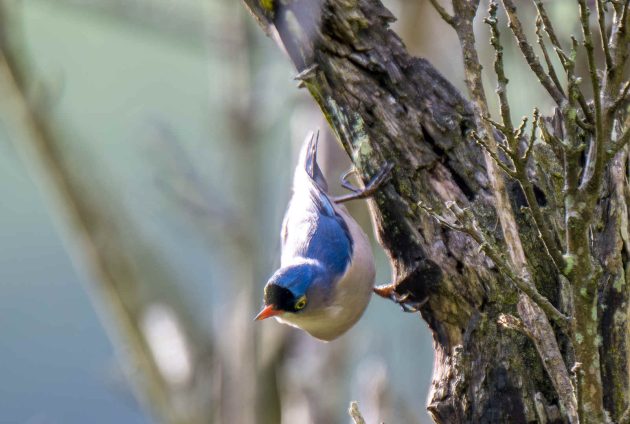
Interestingly, both HBW profiles of these nuthatches have the same author (Simon Harrap), and he makes a very fine distinction in his description of the size of both species:
- Velvet-fronted Nuthatch: 12–13·5 cm; A medium-small nuthatch
- Chestnut-vented Nuthatch: 12·5–14 cm; A medium-small to medium-sized nuthatch
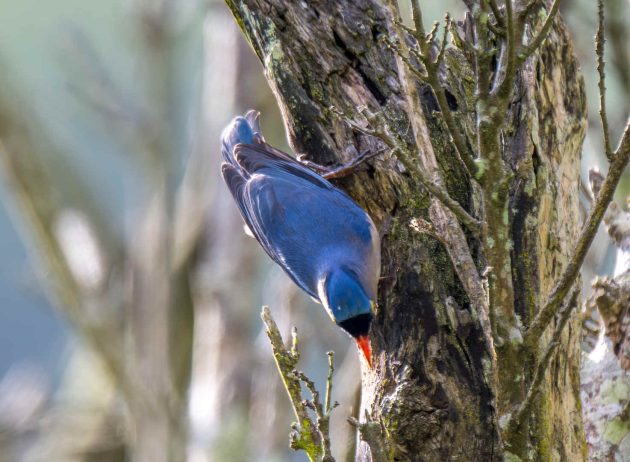
As you can see, the added 0.5 cm elevates the latter from a medium-small to a medium-small to medium-sized nuthatch. It seems to me that, given his talent for minute distinctions, he would be unstoppable as the person who writes field-guide captions for ‘barely distinguishable’ species such as my beloved leaf warblers.
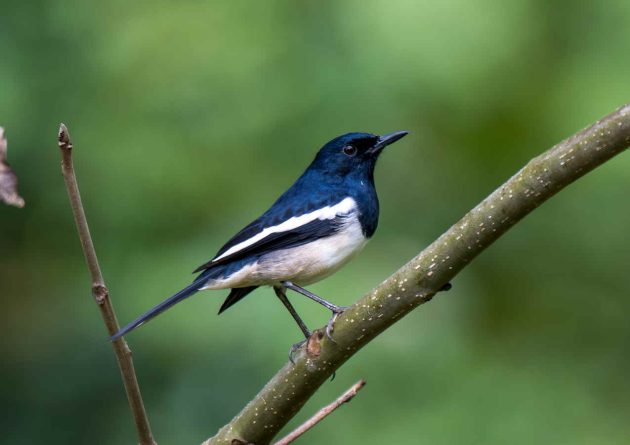
As I recently had an Oriental Magpie-robin at my feeder on the 14th floor of my Shanghai apartment, that one was not so exciting.
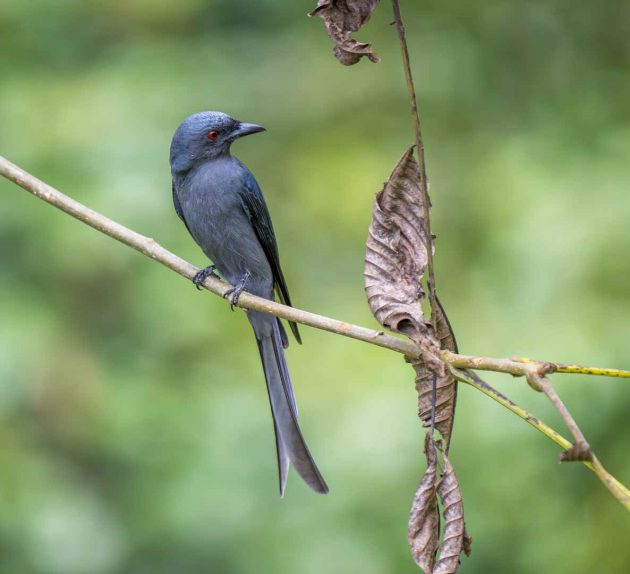
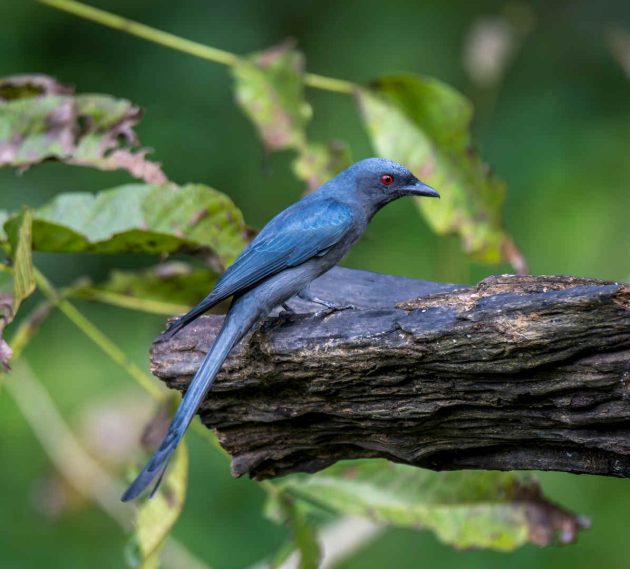
Two more species to mention at the hide, just to be able to show some photos: Ashy Drongo …
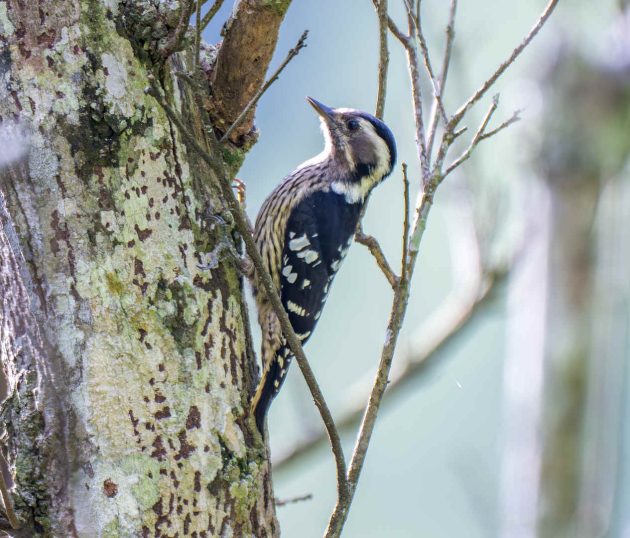
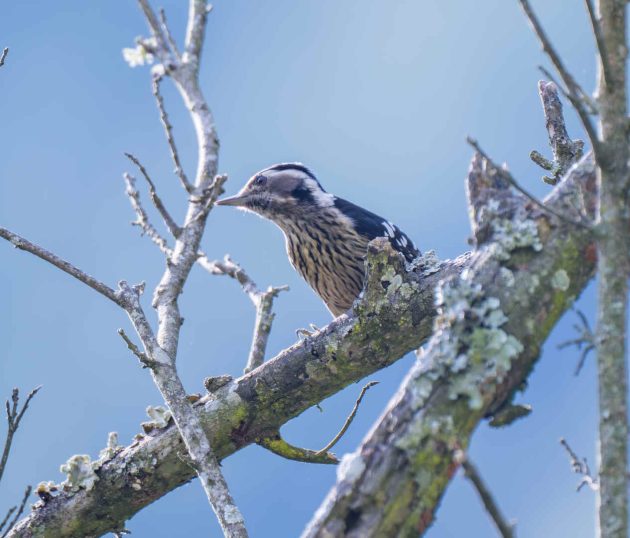
… and Grey-capped Pygmy Woodpecker.
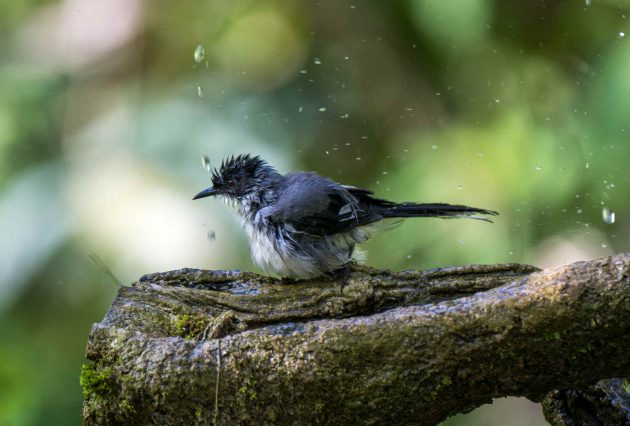
That only leaves the Black-headed Sibia, apparently the only species among the above with a strong sense of hygiene …
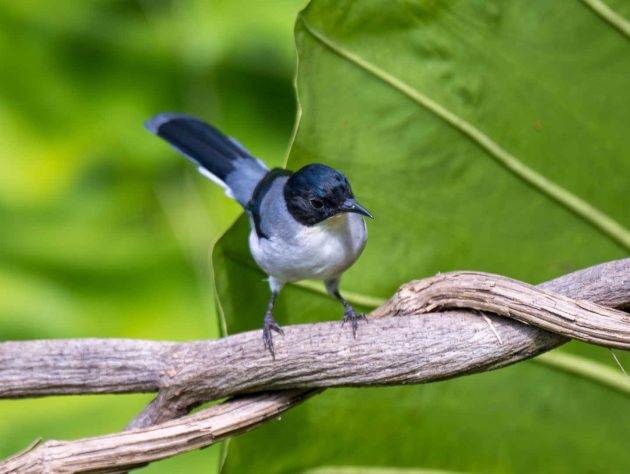
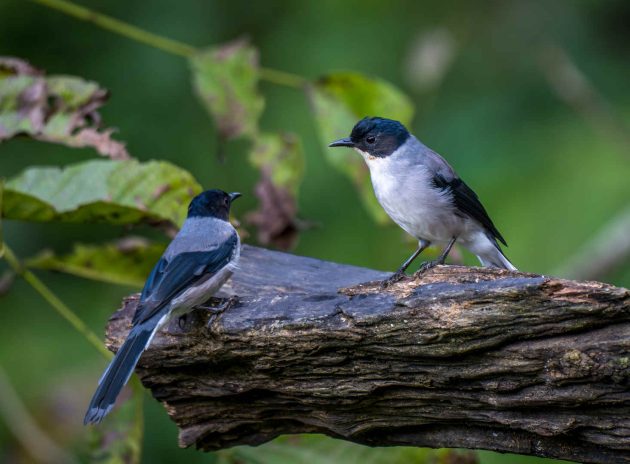
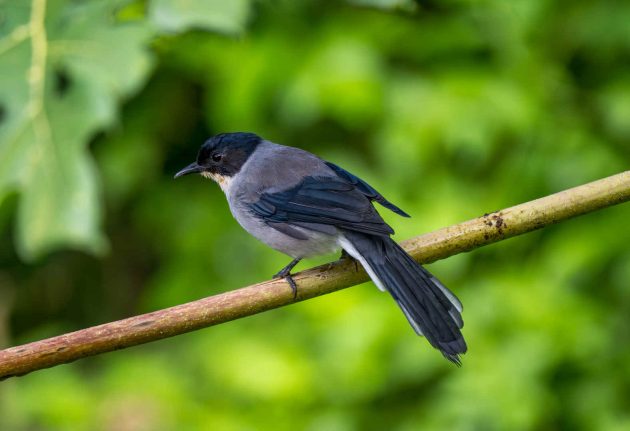
… as these photos show. Always fun to watch.
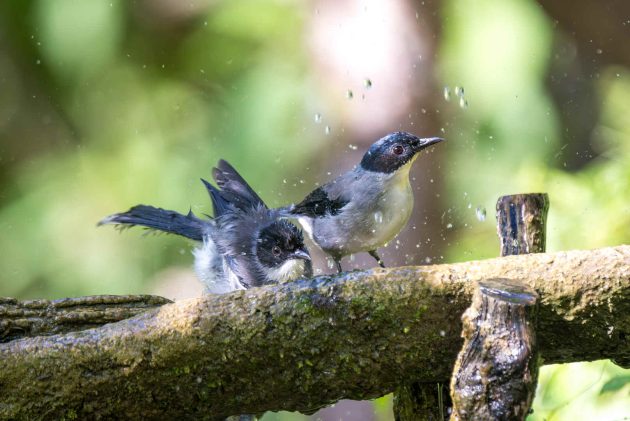




People in China describe Yunnan a vibrant and colorful place with rich diversity in nature and culture. These birds are best examples. Your wife is soon to be right about internet, as by 2025, 5G has covered 93.5% of areas with more than 20 households in Yunnan.