

Highlights
Uruguay is a remarkable crossroads of biodiversity. Within just 600 km from end to end, an exceptional range of habitats converges, including Atlantic Forest, Chaco woodlands, coastal lagoons, riverine systems, and influences from the Cerrado and Misiones rainforest.
Over 500 bird species have been recorded to date, and the list continues to grow. Despite being nearly 50 times smaller than Brazil, Uruguay supports around a quarter of its bird species, and although 16 times smaller than Argentina, it hosts roughly half of its avifauna, including several range-restricted and endemic species.
Safe, politically stable, and easy to travel in, Uruguay offers outstanding birding conditions. On a 15–20 day tour, it is possible to record over 250 species, often with excellent views at close range, thanks to the open nature of many habitats.
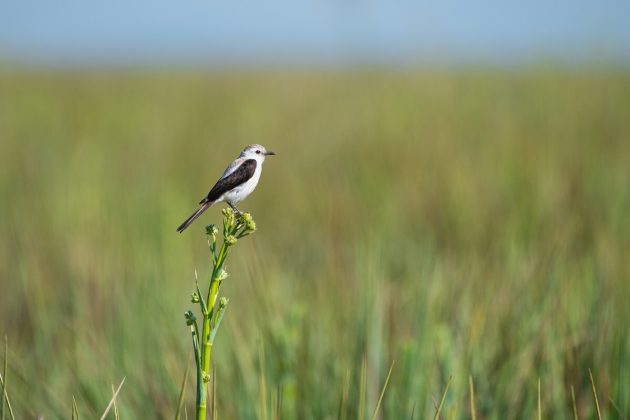
Black-and-white Monjita by Mauricio Silvera
Key Bird Species and Families
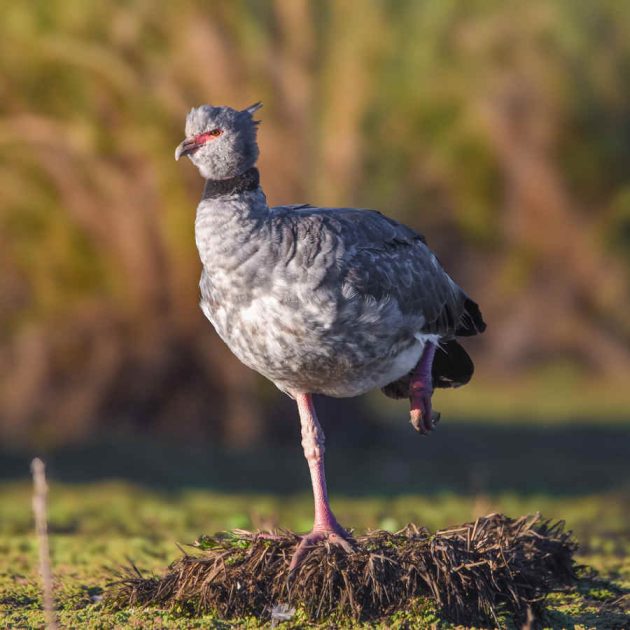
- Southern Screamer (Chauna torquata): Large, loud, and unmistakable. Its haunting calls echo across wetlands, delivering a truly wild South American atmosphere and unforgettable encounters.
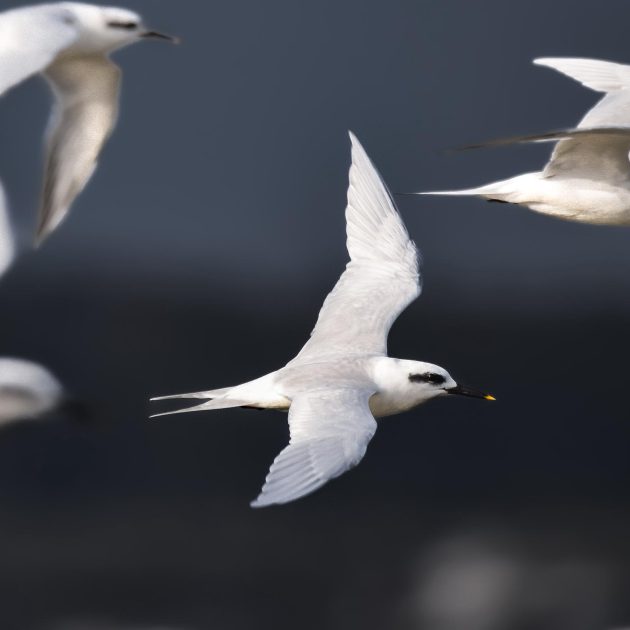
- Snowy-crowned Tern (Sterna trudeaui): A graceful tern with a highly restricted distribution in southern South America. Uruguay offers some of the best opportunities to observe this localized and elegant species along its coastal lagoons, estuarine systems, and Atlantic coast.
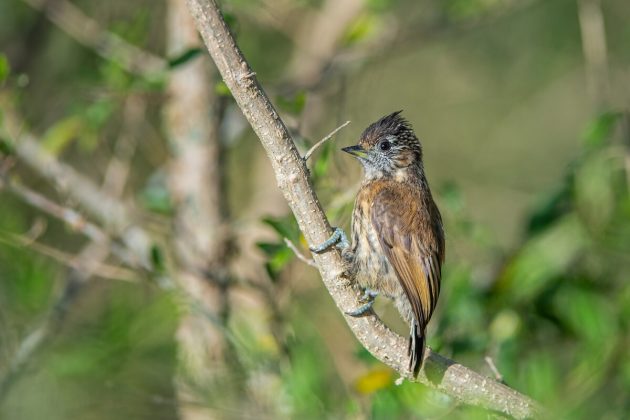
- Mottled Piculet (Picumnus nebulosus): A small and highly sought-after woodpecker with a restricted distribution in the Atlantic Forest region. Subtle yet distinctive, it adds depth and exclusivity to the birding experience.
- Black-and-white Monjita (Heteroxolmis dominicana): Elegant and rare, this striking black-and-white flycatcher stands out in wet grasslands. A key conservation species and a prized sighting for experienced birders.
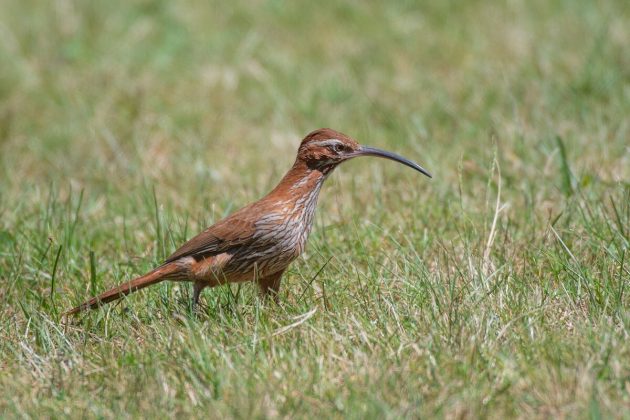
- Scimitar-billed Woodcreeper (Drymornis bridgesii): A highly sought-after species instantly recognizable by its long, decurved bill. Its distinctive structure and proportions make it one of the most unusual and unmistakable members of the woodcreeper family.
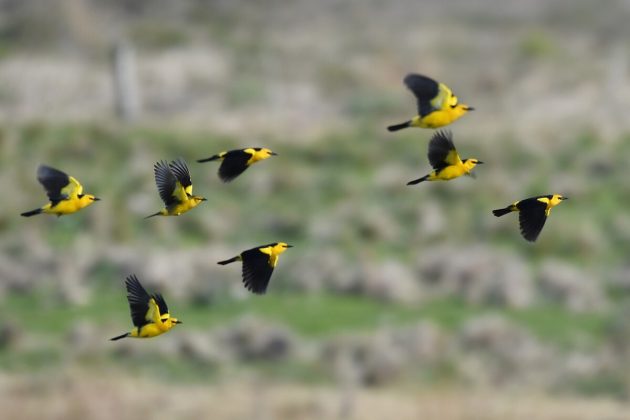
- Saffron-cowled Blackbird (Xanthopsar flavus): A globally endangered wet grassland specialist and one of South America’s most sought-after birds. Uruguay offers some of the best chances to observe this striking black-and-gold species in its natural habitat.
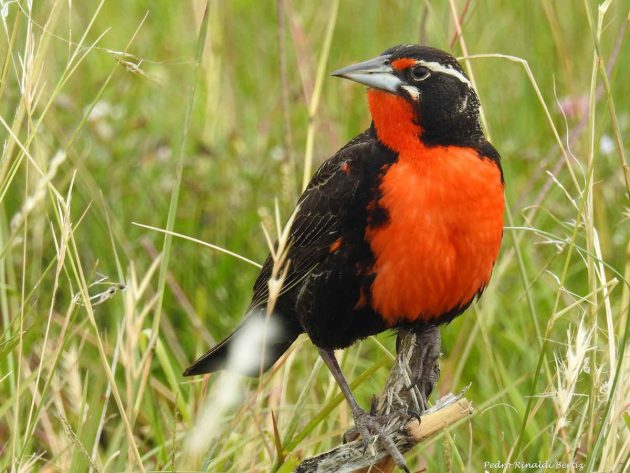
- Pampas Meadowlark (Leistes defilippii): A true icon of the Pampas. Its rich song and subtle beauty embody the spirit of South America’s disappearing grasslands, making every sighting especially meaningful.
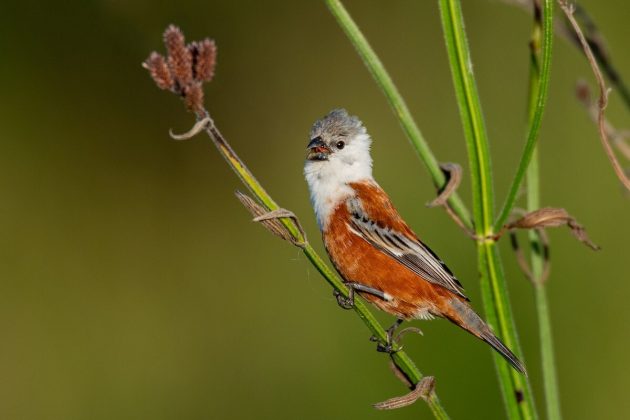
- Marsh Seedeater (Sporophila palustris): One of the most threatened “capuchinos,” highly sought after by birders worldwide. Seasonal flocks in Uruguay offer a rare chance to observe this delicate and declining species.
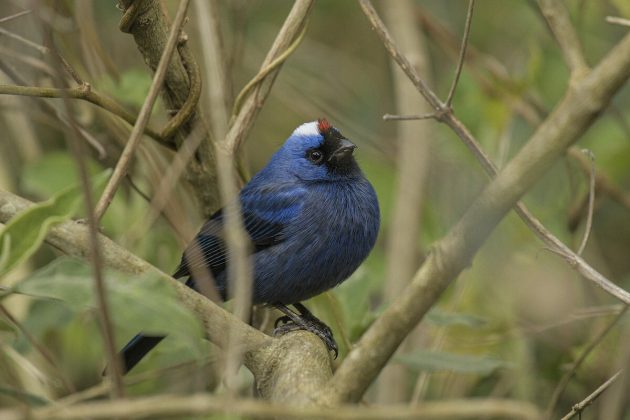
- Diademed Tanager (Stephanophorus diadematus): A jewel of the forests of Uruguay. Its elegant crest and soft colors make it a standout among South American tanagers.
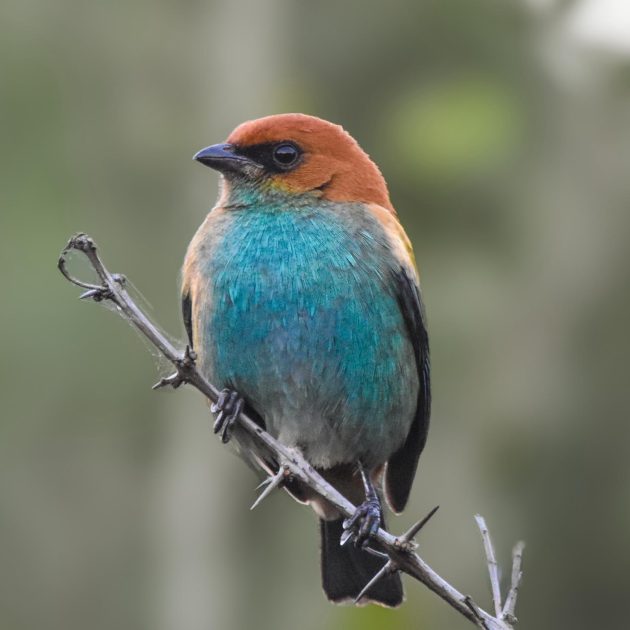
- Chestnut-backed Tanager (Stilpnia preciosa): Brilliantly colored and highly photogenic, this species brings a tropical touch to Uruguay’s eastern hills, contrasting beautifully with the country’s open landscapes.
Chestnut-backed Tanager by Celina Diaz Asqueta
Southern Screamer by Celina Diaz Asqueta
Best Regions for Birding
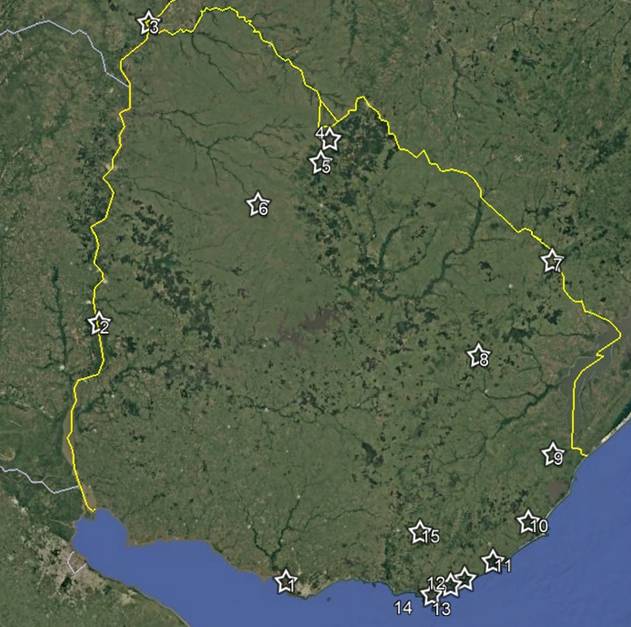
- Santa Lucía Wetlands
- Esteros de Farrapos
- Rincón de Franquía
- Valle del Lunarejo
- Quebrada de Laureles
- Arerunguá
- Paso del Centurión
- Quebrada de los Cuervos
- Eastern Wetlands
- Laguna de Castillos
- Laguna de Rocha
- Laguna Garzón
- Laguna José Ignacio
- Arroyo Maldonado Wetlands
- Sierras de Minas
Diademed Tanager by Mauricio Silvera
Best Birding Season
The best time for birding in Uruguay is from September to early December, when birds are in the breeding season and at peak activity. They are more vocal, which greatly aids identification, and migratory species arrive from North America and northern South America.
Another good period is from late February to early April. Although overall activity is lower, birds gather in family groups and mixed wintering flocks, offering excellent viewing opportunities. During this time, migratory species from southern South America also begin to arrive.
Winter (from June to early August) also offers rewarding birding opportunities. Although daylight hours are shorter and temperatures cooler, southern South American migrants are fully established across the country. It is also an excellent season for offshore trips, with good chances to observe pelagic species.
Marsh Seedeater by Mauricio Silvera
Birding Trip Suggestion(s)
For cruise ship passengers or short-stay visitors:
- Day trips (from Montevideo – Capital City)
- Santa Lucía Wetlands (including Playa Penino Natural Reserve)
- Sierras de Minas (Villa Serrana, Salto del Penitente, Cerro Arequita)
- Punta del Este (including Arroyo Maldonado Wetlands and Coastal Lagoons)
- Colonia del Sacramento day trip (surrounding countryside and riverside habitats)
- Day trips from Punta del Este
- Punta del Este Peninsula
- Maldonado Wetlands
- Coastal Lagoons.
Snowy-crowned Tern by Celina Diaz Asqueta
Multi-day trips – 5 to 7 days
- Option 1: Esteros de Farrapos – Rincón de Franquía – Valle del Lunarejo – Quebrada de Laureles
- Option 2: Eastern Wetlands – Quebrada de los Cuervos – Paso del Centurión
- Option 3: Sierras de Minas – Quebrada de los Cuervos – Arerunguá
Multi-day trips – 15 to 22 days
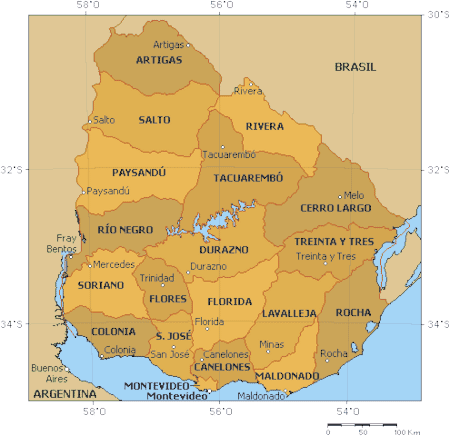
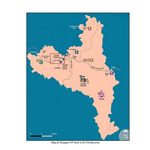
- This timeframe allows for a comprehensive exploration of all major birding sites in Uruguay (see map), staying 2 to 3 nights at each location.
- This approach maximizes birding opportunities while ensuring a relaxed and immersive pace, ideal for experiencing the full diversity of habitats and species across the country
Mottled Piculet by Mauricio Silvera
Practical Tips
- Sun protection is essential, especially during the summer months.
- The climate is generally moderate. Warm clothing is recommended for winter, while layered clothing is ideal in summer, as nights can be cool. A waterproof rain layer is also advisable year-round.
- Insect repellent is recommended.
- National roads are in good condition, and a standard SUV-type vehicle is sufficient to access all main birding regions.
- Be prepared for remote areas: ensure you have a well-maintained spare tire, adequate supplies, and a basic first-aid kit.
- In remote regions, mobile phone coverage may be intermittent or unavailable. It is advisable to stay in contact with a local reference person in each area.
- Due to local cultural habits, dinner is typically served late; restaurants generally open from around 8:00 PM onwards.
- In small towns across the interior, it is customary to observe a midday break (siesta). From around noon until approximately 5:00 PM, many shops and services remain closed.
- A private guide provides access to private properties that often hold higher ecological value and also increases the chances of observing more elusive or difficult-to-detect species.
Pampas Meadowlark by Pedro Rinaldi
Books
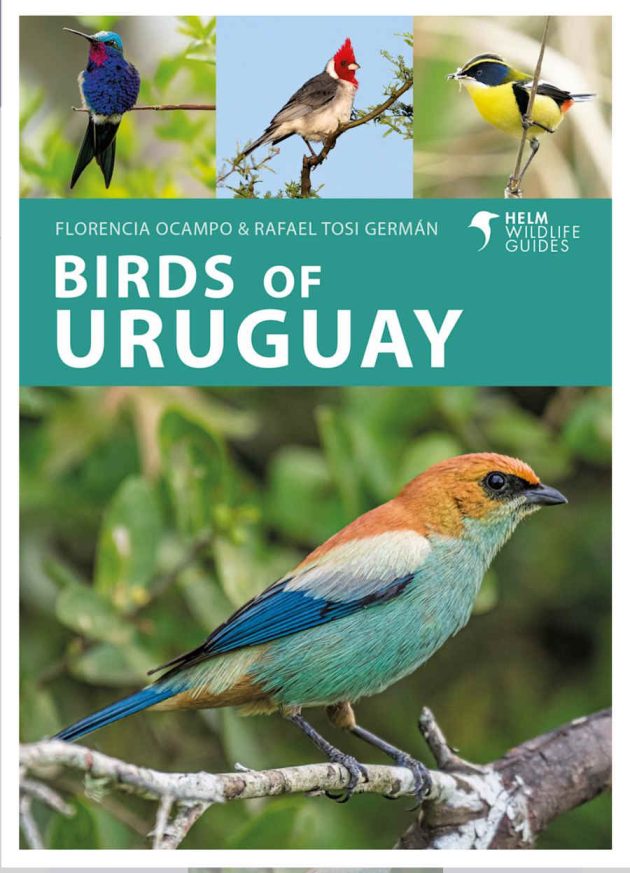
Birds of Uruguay – A Helm Wildlife Guide by Florencia Ocampo & Rafael Tosi-Germán
Links
- https://www.bloomsbury.com/us/birds-of-uruguay-9781399406734/
- https://www.instagram.com/celinadiazasqueta?igsh=MW1xOWw0MjBhMjRlNg==
- https://www.instagram.com/mauriciosilvera.ph?igsh=MXIwNmdhcm92dzdnag==
- https://www.instagram.com/pedrorinaldibirdwatchsalto?igsh=bG1tMGRsdzZkdDY0
- https://ebird.org/region/UY
- https://avesuruguay.org.uy/
Saffron-cowled Blackbird by Mauricio Silvera
By Florencia Ocampo
Florencia Ocampo is a female bird guide to Uruguay, a biologist, and co-author of Birds of Uruguay – A Helm Wildlife Guide alongside Rafael Tosi Germán. Florencia can be reached at birdingwithme@gmail.com
Snowy-crowned Tern by Mauricio Silvera
“Departments of Uruguay (map)” by Enciclopedia Libre is licensed under CC BY-SA 3.0. Other photos by photographers as indicated.
Scimitar-billed Woodcreeper by Mauricio Silvera








Leave a Comment