

Which bird species do you think is the biggest attraction to visitors of your lodge (please only name one species)?
The Lovely Cotinga: The Lovely Cotinga is not simply a bird — it is a living jewel of the rainforest. With its radiant turquoise-blue plumage and deep violet crown, it seems to glow against the green canopy like a piece of sky touched by sunlight. To encounter one in the wild is considered a once-in-a-lifetime experience for many birders.
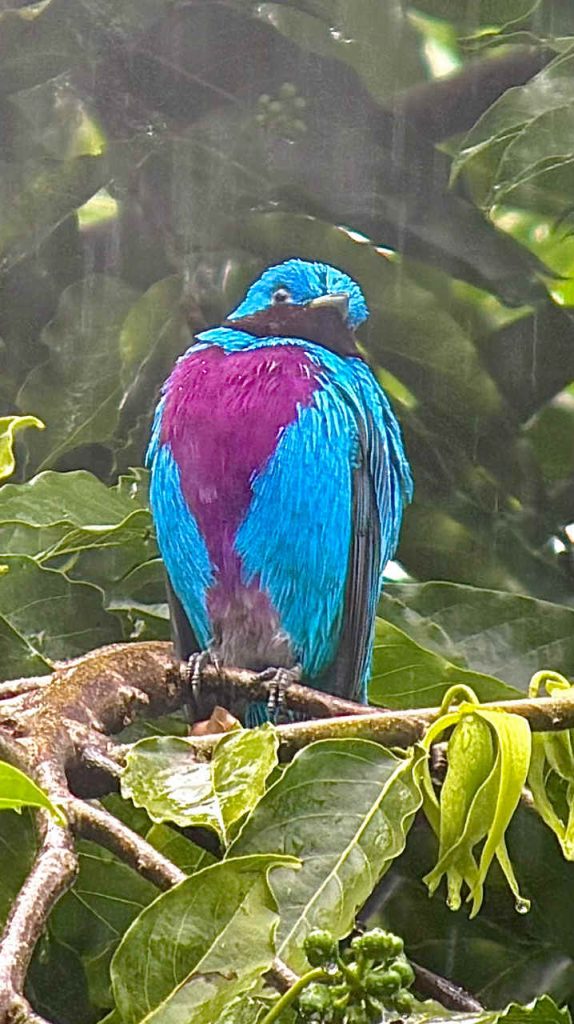
Pico Bonito is one of the finest places on Earth to see this elusive species. The lodge is surrounded by mature primary rainforest, fruiting trees, and untouched river corridors — the exact habitat the Lovely Cotinga depends on. From our forest trails, towers, and river edges, guests often witness this magnificent bird gliding silently through the treetops, offering moments of beauty that remain unforgettable.
What is the name of your lodge, and since when has your lodge been operating?
The Lodge at Pico Bonito opened on March 18, 2000, and has now been welcoming nature lovers and birders for more than 25 years. For over a quarter of a century, it has stood as a gateway between humans and the living rainforest beneath the iconic Pico Bonito Mountain.
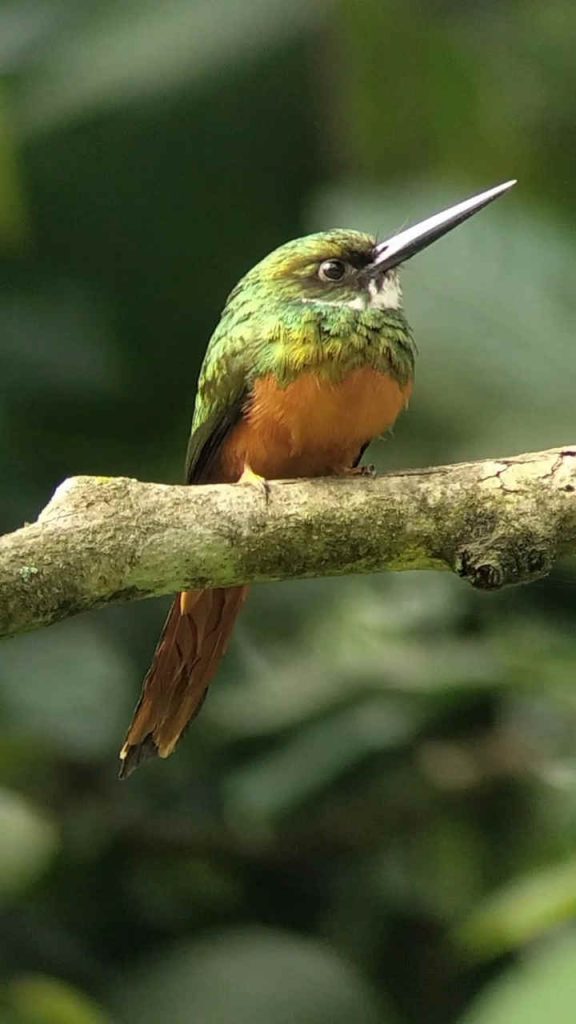
Rufous-tailed Jacamar
How best to travel to your lodge?
International travelers arrive via Ramón Villeda Morales International Airport (SAP) in San Pedro Sula, Honduras. From there, guests may take a scenic 30-minute domestic flight to La Ceiba’s Guillermo Anderson International Airport (LCE), or enjoy a three-hour private shuttle through lush tropical landscapes, which we are happy to coordinate.
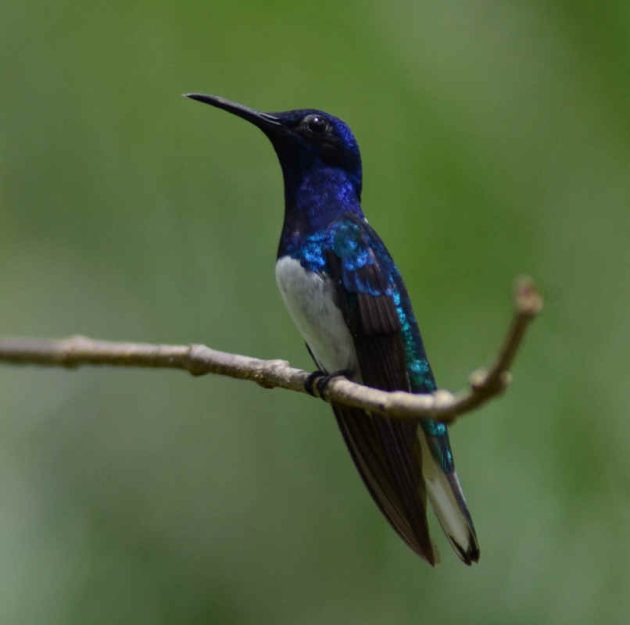
White-necked Jacobin
What kind of services – except for accommodation and food – does your lodge offer to visiting birders?
The Lodge at Pico Bonito operates as a certified bird sanctuary through BirdLife International (Aves de Honduras) and offers one of the richest birding infrastructures in Central America.
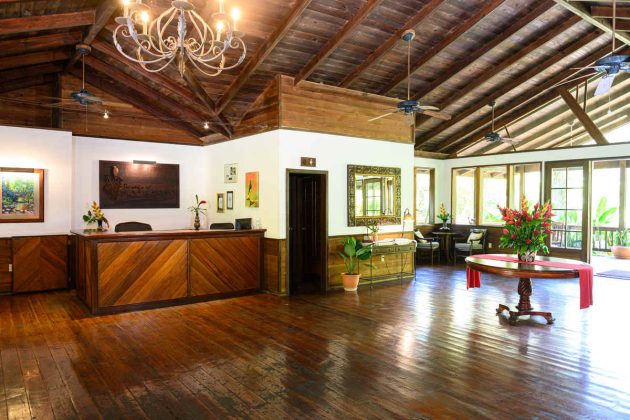
We maintain over two dozen strategically placed bird feeders throughout the lodge, including around the reception and restaurant, where up to 400 hummingbirds can be observed at once. In addition, we have multiple banana and plantain feeding stations placed deep in the forest and gardens, which regularly attract toucans, Montezuma oropendolas, and aracaris for close viewing and photography.
Our Loop Trail and river trails run through different micro-habitats — riparian forest, lowland rainforest, and edge habitat — allowing birders to encounter dozens of species within a compact, walkable area. These trails are ideal for both birdwatching and photography, offering excellent light, open sightlines, and frequent bird activity.
We also host a MOTUS wildlife-tracking antenna on the property, contributing to international bird migration research and making Pico Bonito part of a global conservation and monitoring network.
Professional local birding guides, trained in the Pico Bonito ecosystem, are available for private and group outings, helping guests locate target species and understand the ecology of the forest.
All of this makes the lodge not just a place to stay, but a living, working birding sanctuary where wildlife and people share the same protected rainforest.
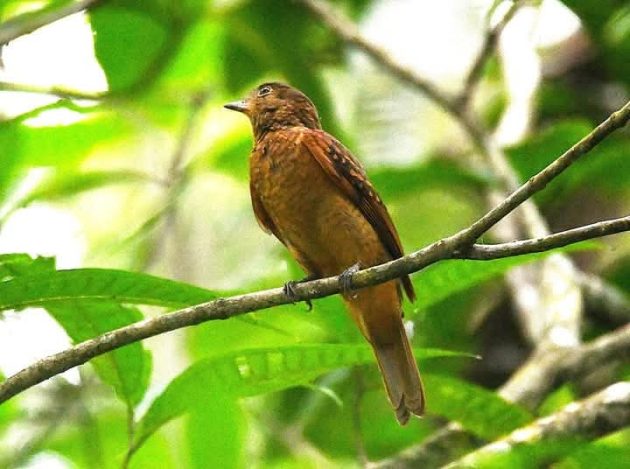
Speckled Mourner
What makes your lodge special?
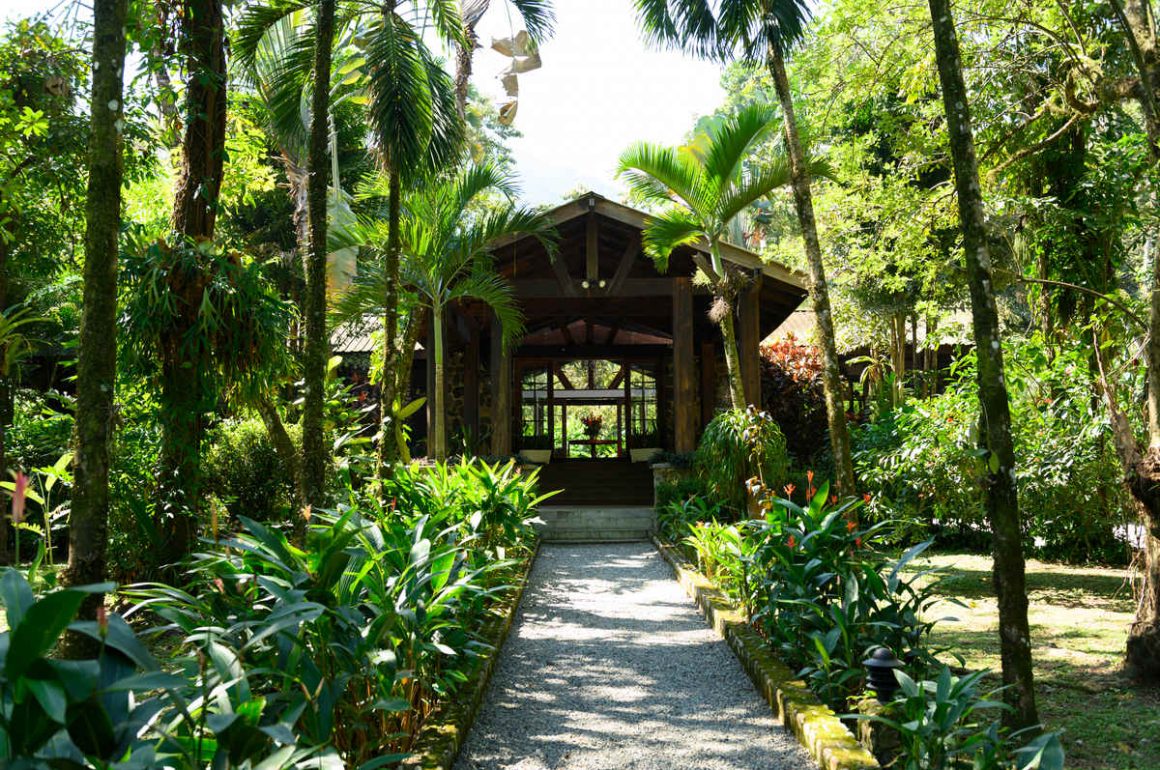
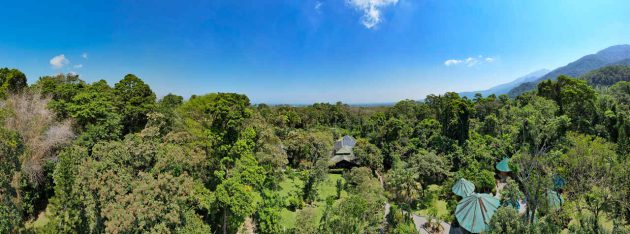
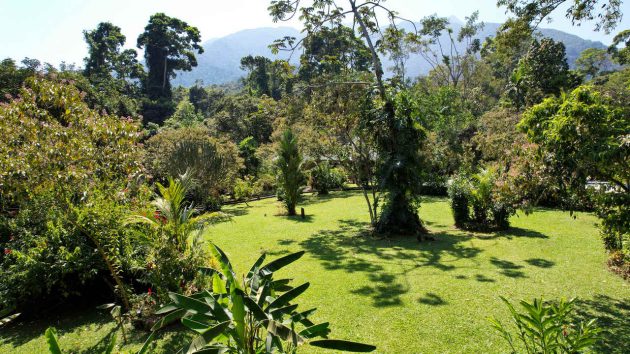
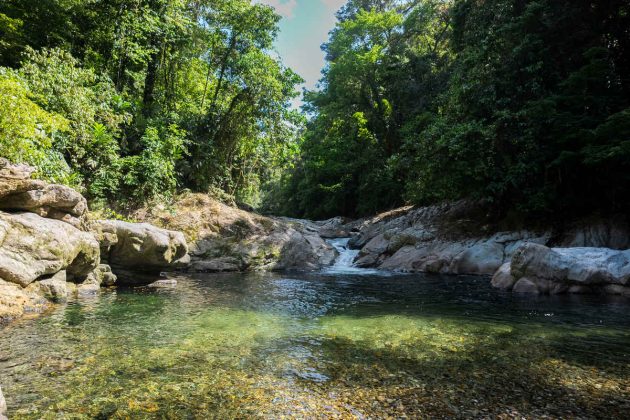
We are located within a protected national park, surrounded by 400 acres of untouched rainforest, bordered by the Coloradito River and the Corinto River. Cacao, orange, and rambutan trees grow along our trails and around our rooms.
Our crystal-clear pools, Mermaid Falls and Las Pilas, flow directly from the mountain, untouched and pure. Everywhere you go, birdsong mixes with flowing water, creating a soundtrack that feels ancient and alive.
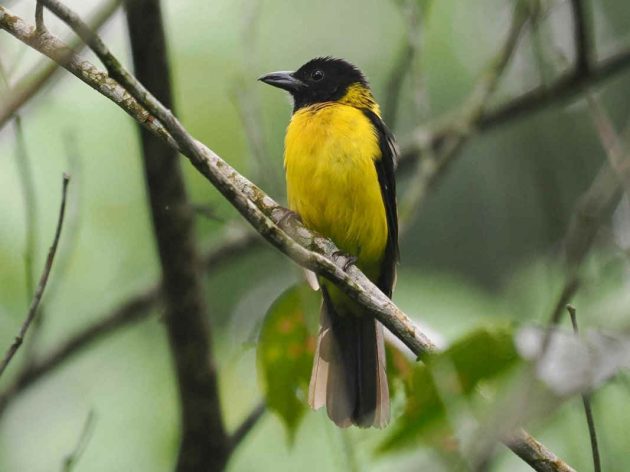
Black-throated Shrike-Tanager
What are the 10 – 20 most interesting birds that your lodge offers good chances to see?
- Lovely Cotinga
- Violet-headed Hummingbird
- Slaty-tailed Trogon
- Black-throated Trogon
- Central American Pygmy-Owl
- Black-throated Shrike-Tanager
- Keel-billed Toucan
- Great Green Macaw
- White-collared Manakin
- Rufous-tailed Jacamar
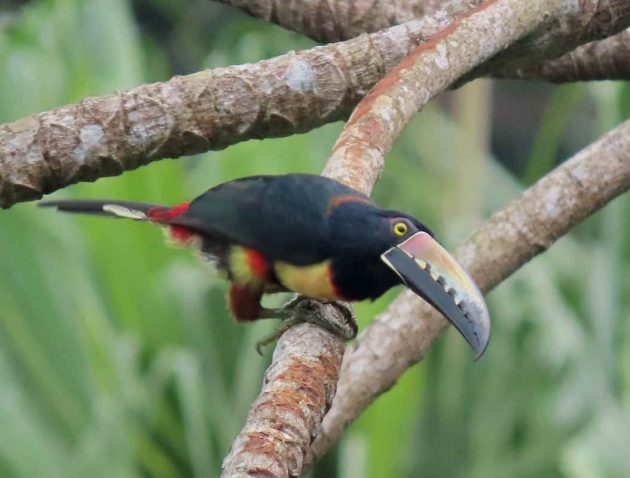
- Collared Aracari
- Montezuma Oropendola
- Chestnut-colored Woodpecker
- Gartered Trogon
- Crimson-collared Tanager
- Blue-crowned Motmot
- Black-headed Tody-Flycatcher
- Royal Flycatcher
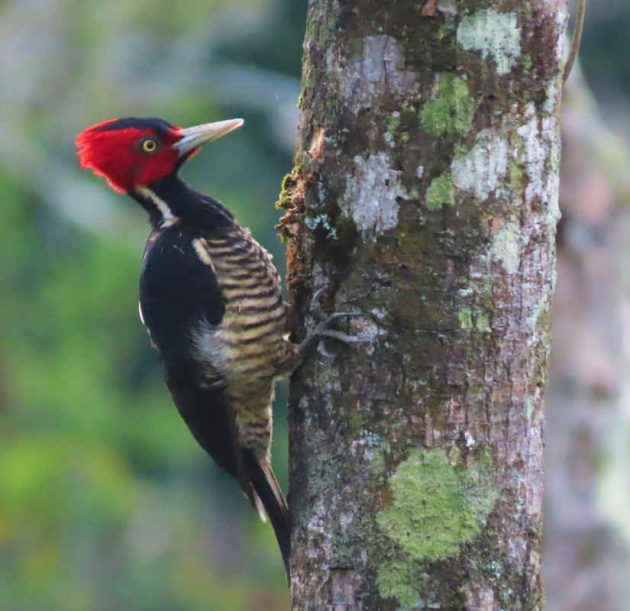
- Pale-billed Woodpecker
- Red-capped Manakin
Collared Aracari
What is the best time to visit your lodge, and why?
The prime birding and migration season is November through March, when migratory and resident species converge, creating some of the highest bird diversity in Central America.
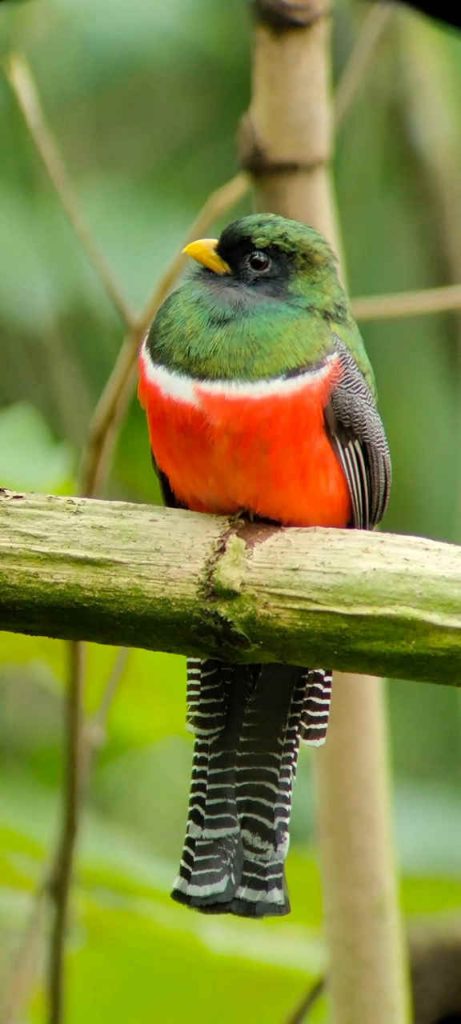
Collared Trogon
Is your lodge involved in conservation efforts? If yes, please describe them.
- Aves de Honduras (BirdLife International) — We are one of Honduras’ most important certified bird sanctuaries.
- MOTUS.org — Our antenna helps track migrating birds across the Americas.
- Panthera.org — We support feline conservation by hosting camera traps to study jaguars, pumas, and other elusive wildlife.
- Project Aura — We raise and release monarch butterflies, house Blue Morphos, and protect rare butterfly species that have appeared naturally on our land.
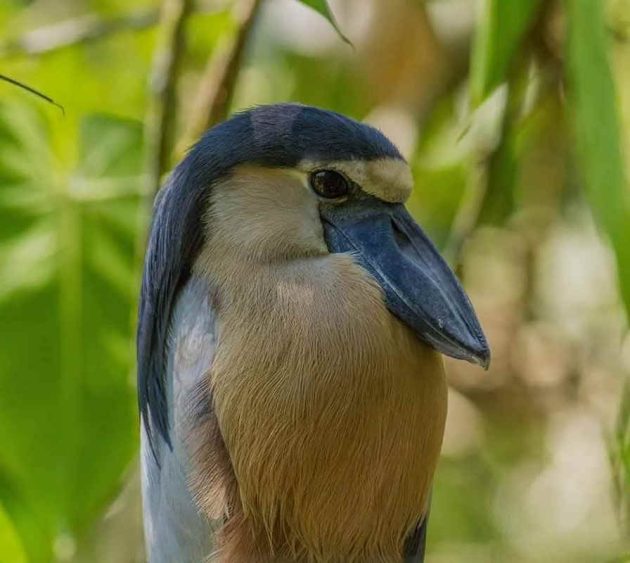
Boat-billed Heron
What other suggestions can you give to birders interested in visiting your lodge?
Bring a good camera, binoculars, light hiking clothes, and comfortable shoes. Long sleeves and pants are ideal for forest walks. Insect repellent is optional but recommended.
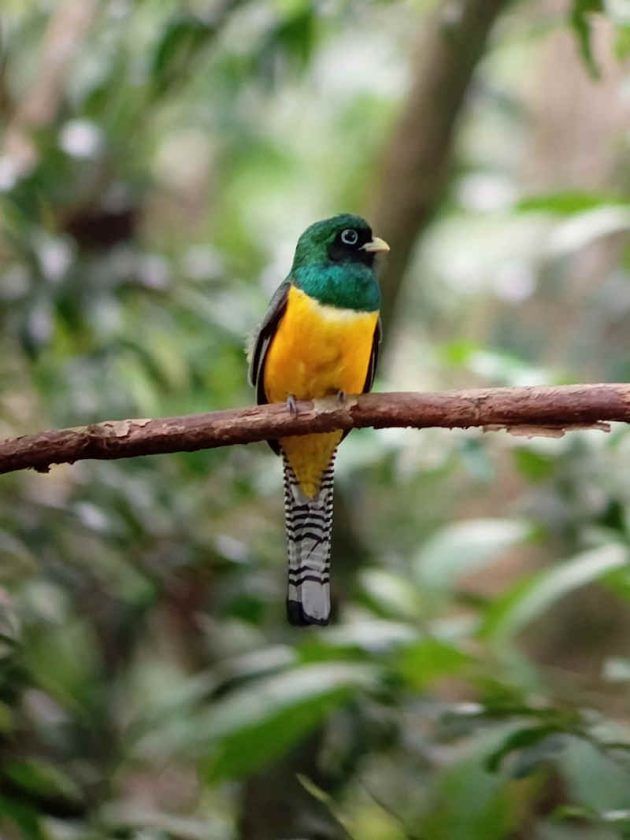
Graceful black-throated Trogon
Do you have activities for non-birders? If so, please describe.:
Guests enjoy swimming in Mermaid Falls and Las Pilas, jungle trails with monkeys and big cats, a butterfly garden, serpentarium, and a river deck perfect for yoga or relaxation
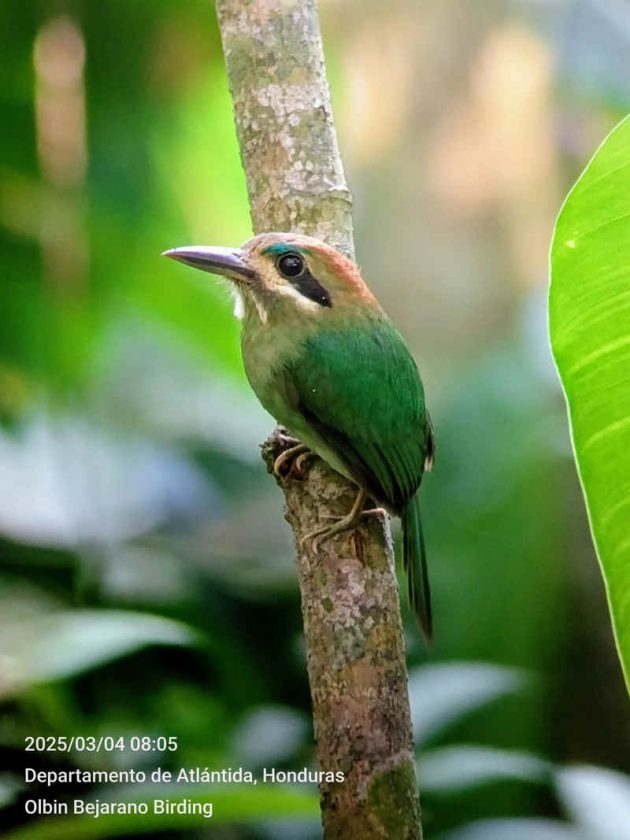
Tody Motmot
If any reader of 10,000 Birds is interested in staying at your lodge, how can they best contact you?
Book at www.picobonito.com
Email reservation@picobonito.com, reception@picobonito.com, or birding@picobonito.com
WhatsApp: Front Desk +504 9462-7841 or +504 9243-2832
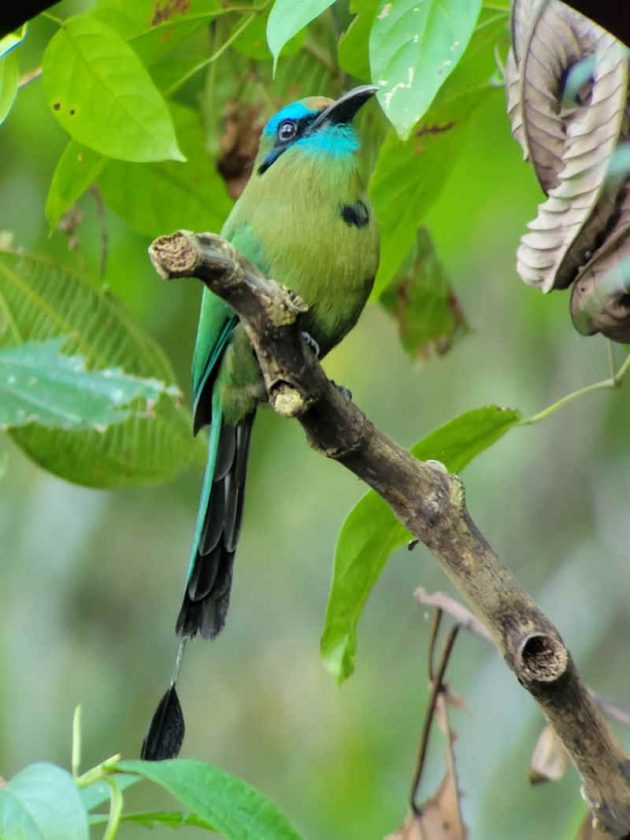
Keel-billed Motmot
Is there anything else you would like to share with the readers of 10,000 Birds?
We have been featured by National Geographic, and in November 2025, became the only Michelin-Guide hotel in mainland Honduras. The Lodge at Pico Bonito is not just a place to stay — it is a living rainforest sanctuary. Come once, and you will never forget it.
Pale-billed Woodpecker






A dream I am having for quite some time already…