

I have never encountered the word “denizen” anywhere other than in birding brochures. It seems to live there, alongside several other terms that have found a safe habitat in this particular corner of marketing literature.
Here is an excerpt from a typical brochure, followed by a translation into something resembling plain English.
“We will explore lush, verdant forests teeming with avifauna, where a dazzling array of endemic and highly sought-after species await. Among the denizens of this pristine habitat are the elusive ground-dwelling pittas, jewel-like sunbirds, and a charismatic suite of forest specialists. This immersive experience offers excellent opportunities to encounter some of the region’s most iconic birds in an unforgettable setting.”
What it means:
We’ll walk through fairly green forest where there are quite a lot of birds. Some of them are local species you can’t see elsewhere. We might see pittas on the ground if we’re lucky, and there are also some colourful sunbirds and other typical forest birds. Overall, this is a good place to see several well-known species.
The birds are real, the language does the rest.


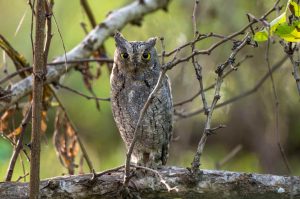
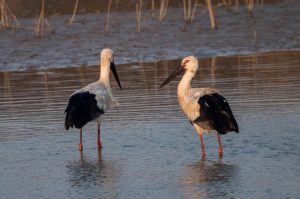
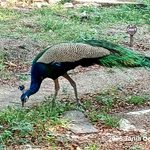
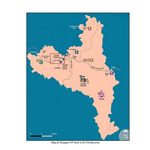


Translate pitta to pipit and all traces of AI have gone
I don’t reckon that there’s any AI in the original: it’s typical of the enthusiasm shown by brochure writers when they are trying to sell an expensive trip. As a journalist I was always taught to never use 10 words when one will do. Brochure writers have the opposite approach. Kai shows how to cut through the cr*p.
David’s right – why use one or two words when you can get away with 10! Hahaha!
Webster’s Dictionary 1828 – Denizen – In England, an alien who is made a subject by the kings letters patent, holding a middle state between an alien and a natural born subject. He may take land by purchase or devise, which an alien cannot; but he cannot take by inheritance.
when in doubt, always look to the dictionary, even if it is a bit dated.