

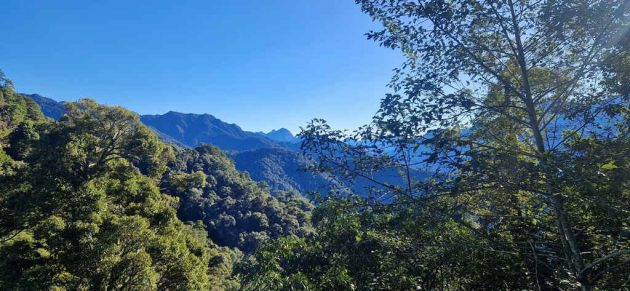
Dasyueshan (Dasyueshan National Forest Recreation Area, to give it its full but rather clumsy name) is a beautiful place if the weather is good.
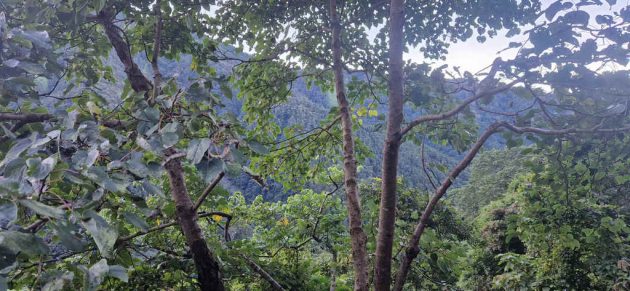
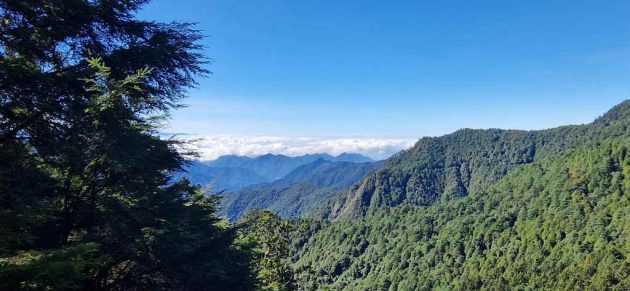
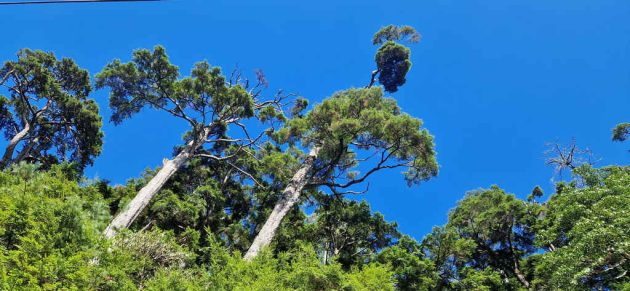
The altitude ranges from about 1000 meters to 3000 meters, hinting at the variety of species to be found.

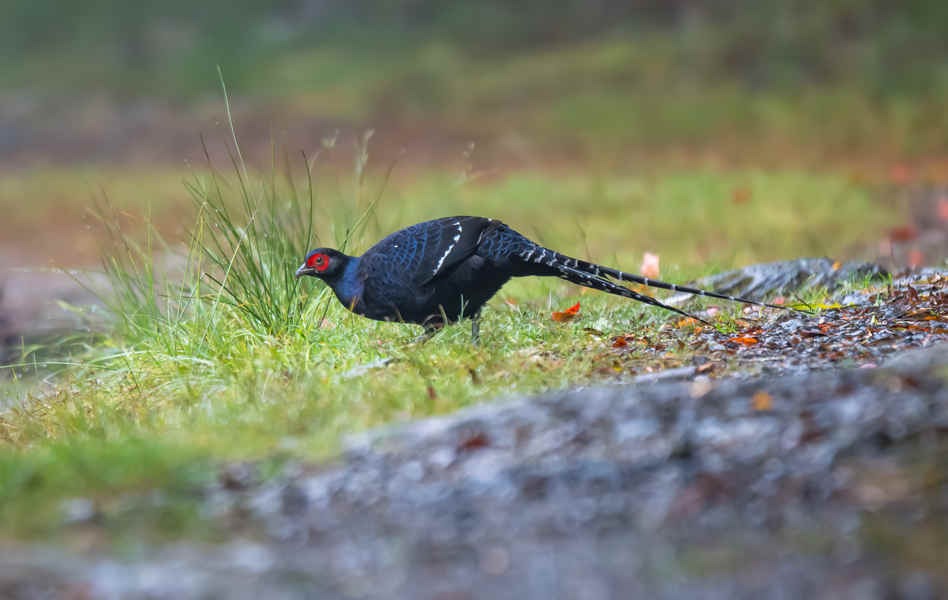
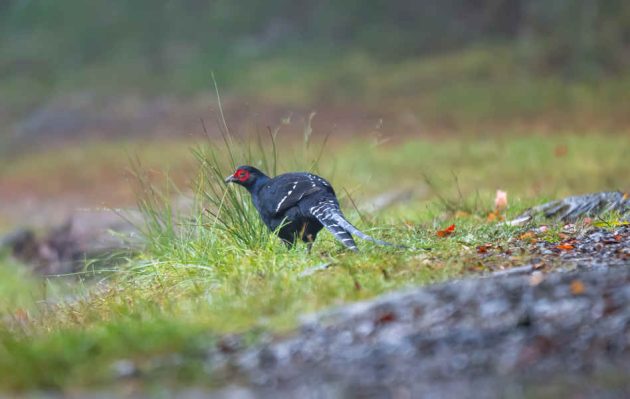
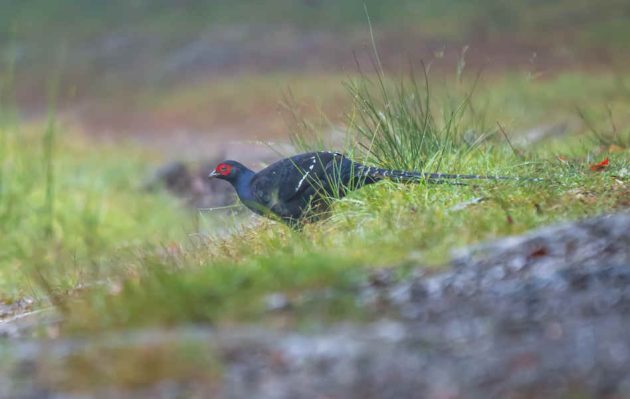
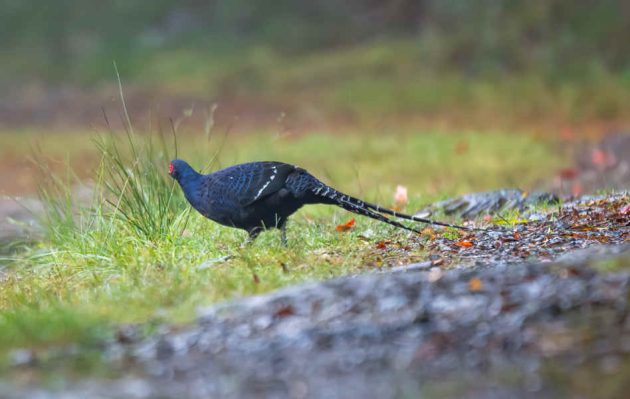
Dasyueshan is apparently the best place in Taiwan to see the Mikado Pheasant.
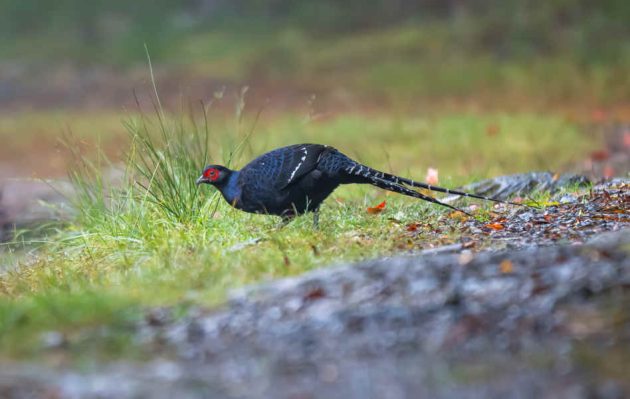
Its name reflects a part of Taiwanese history. Mikado is an honorific title of the Japanese emperor, which may at first seem like a strange choice for a Taiwanese endemic. But when the bird was named by a British ornithologist in 1906, Taiwan was under Japanese colonial rule.
There is a whole paper on the naming of this pheasant – an interesting topic as such, I think, but not helped by sentences in the abstract such as “The act of writing and publishing a species description is performative in that it creates a new species by assigning a scientific name that allows it to gain recognition within the scientific community and beyond.”
When asked, ChatGPT translates this into “Writing and publishing a species description is like an act that makes the species officially exist, because giving it a scientific name lets scientists — and everyone else — recognize it as a real, distinct species.”
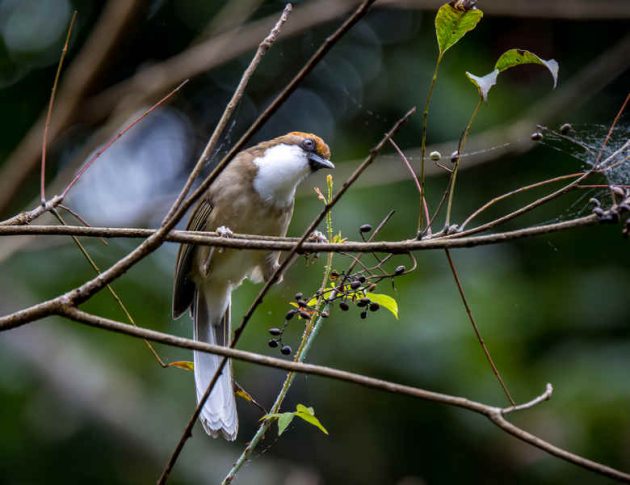
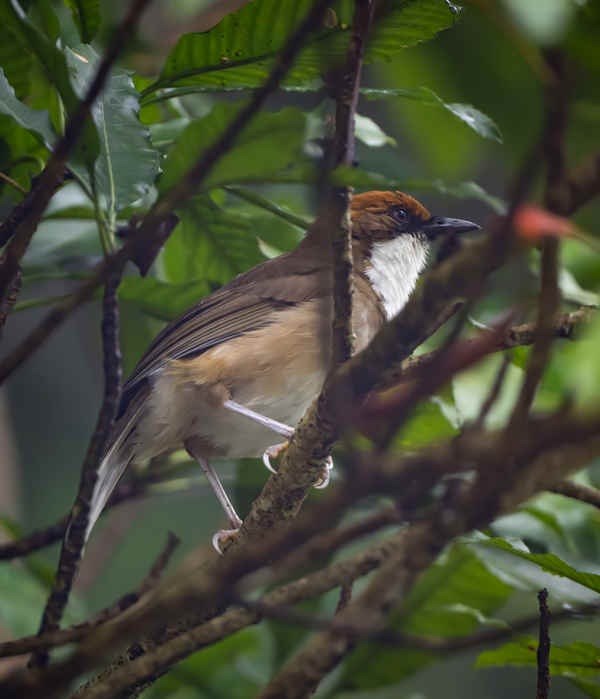
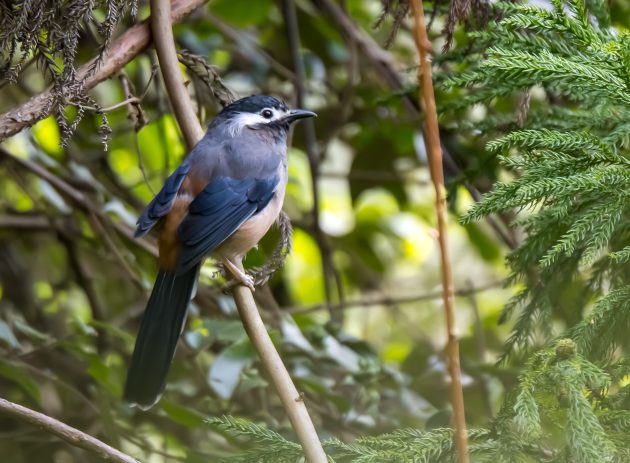
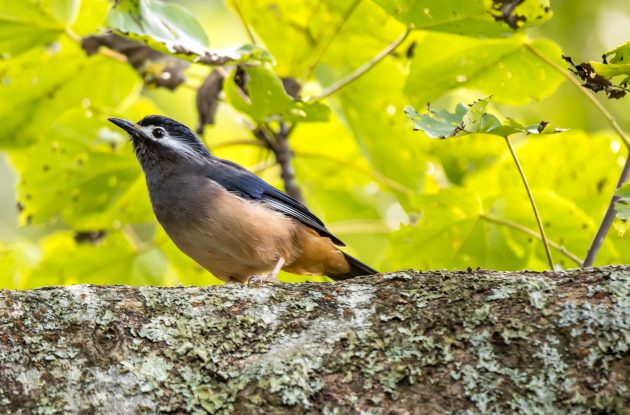
The Rufous-crowned Laughingthrush is another Taiwanese endemic, though one apparently much less interesting to researchers, given the lack of papers covering it.
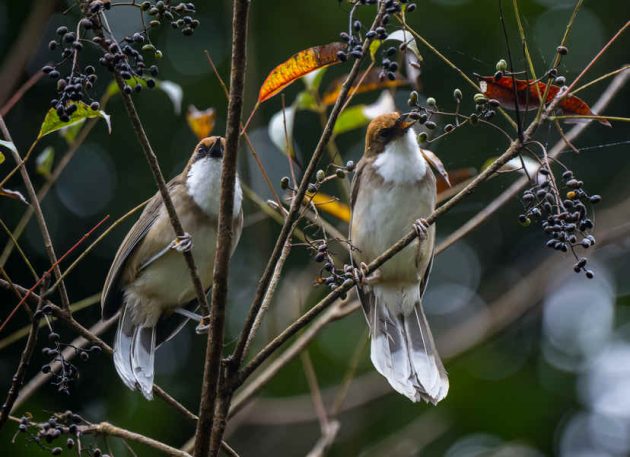
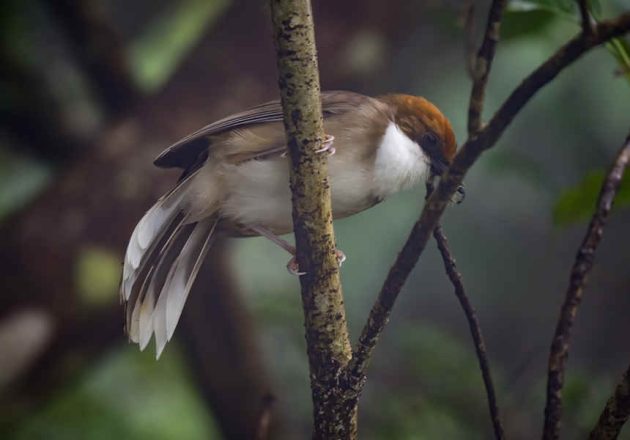
The HBW describes it as closely related to and often treated as conspecific with the White-throated Laughingthrush, which sounds like a stretch to me, given the vastly different distribution area and (I think) the clearly different appearance (unless I am just imagining this).
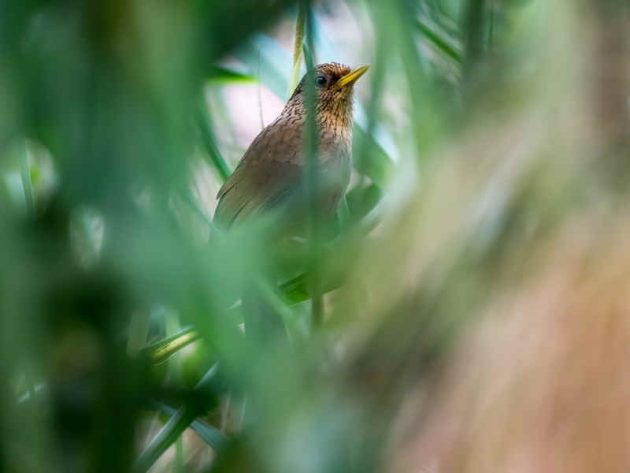
The Taiwan Hwamei is yet another Taiwan endemic, and another laughingthrush.
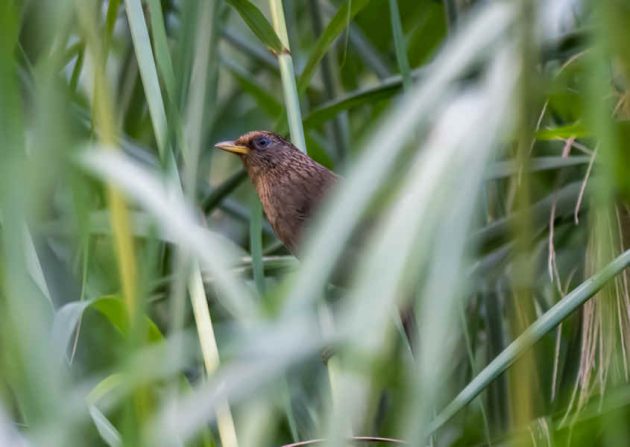
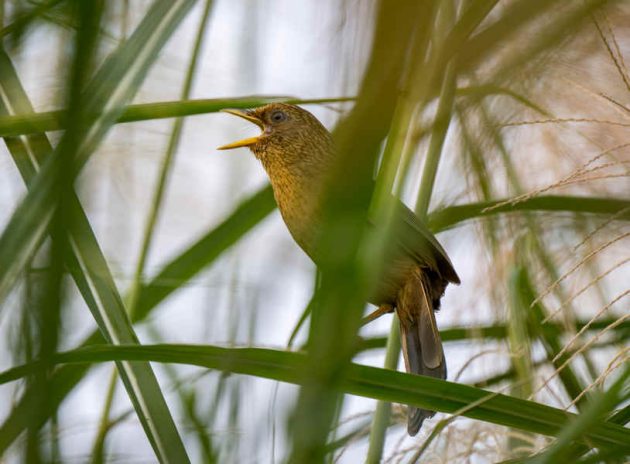
It is listed as Near Threatened, with the main threat apparently coming from hybridization with released Chinese Hwameis, for an interesting reason:
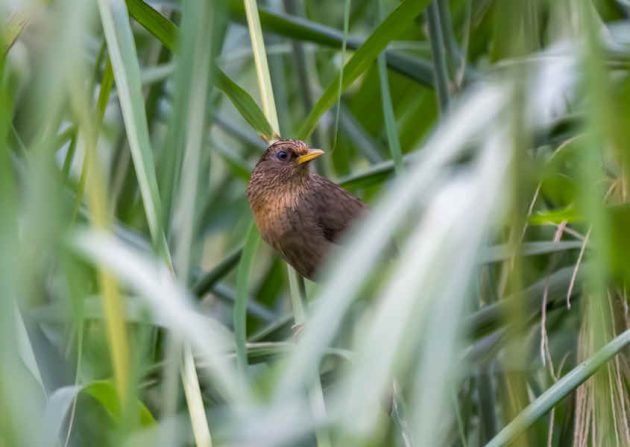
“Now threatened by interbreeding with G. canorus; latter being imported in high volume into Taiwan for its singing abilities, and individuals, once discovered to be female, are usually released, thereby becoming available to breed with males of present species.” (HBW)
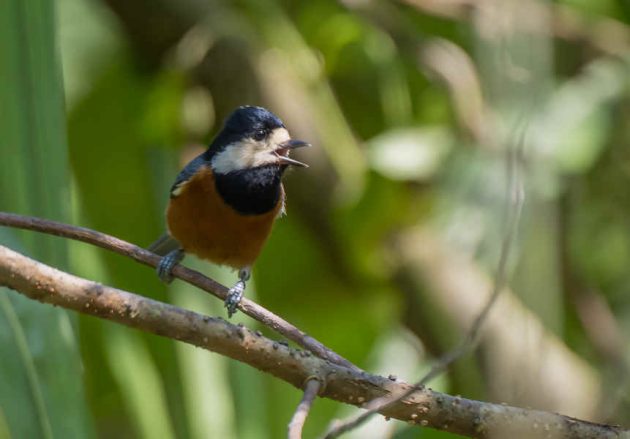
The Chestnut-bellied Tit is yet another Taiwan endemic (I am running out of ways to phrase this differently) – while it looks quite similar to the Varied Tit, it is easy enough to distinguish due to the lack of white on the central breast, along with a few other distinctions that in the field would completely elude me, such as “narrower area of white above bill and darker grey back” (HBW).
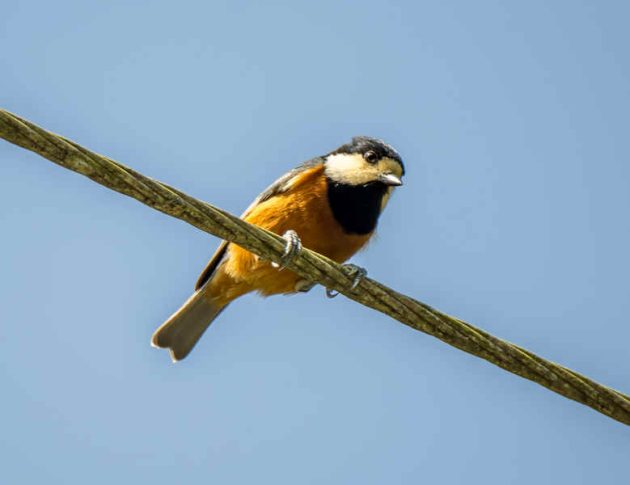
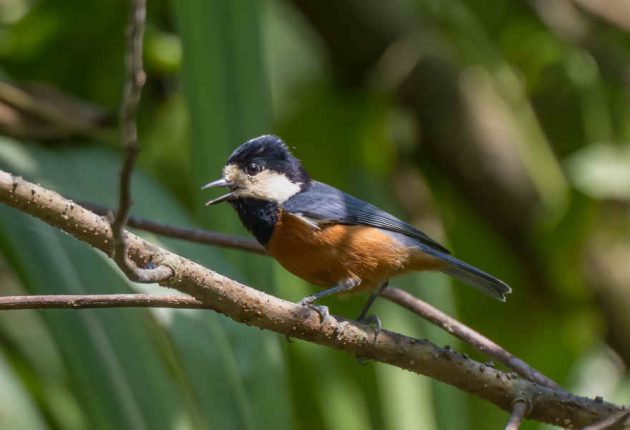
Like some other relatively recently split species, information on it is limited and mostly consists of sentences such as “believed to be similar to [the species it was split from]”.
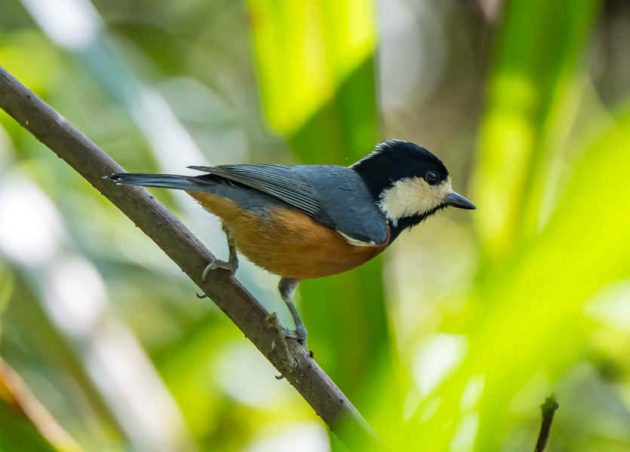
It is listed as Least Concern, even though there are probably fewer than 10,000 pairs (HBW).
I think it was another species that was described somewhere as an angry ping-pong ball, but it also fits well for the Taiwan Cupwing.
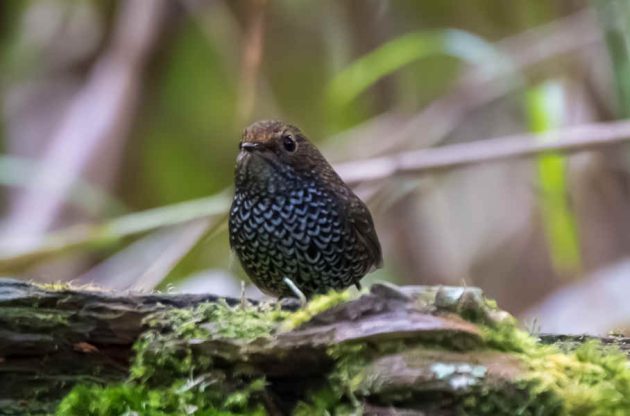
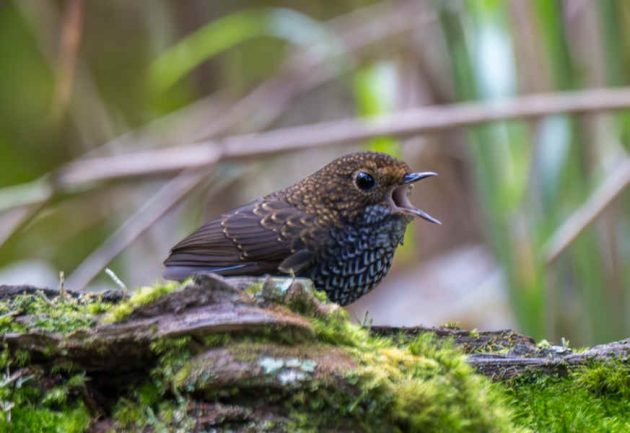
It is – not surprising given the name – another Taiwan endemic, and according to my bird guide, one of the more difficult ones to see.
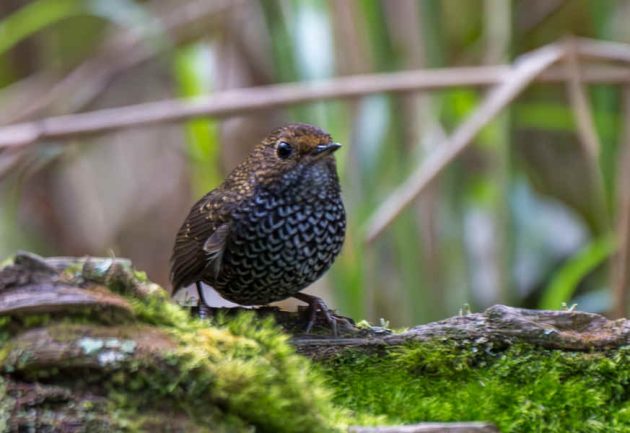
As the tit, it was split from a mainland relative, in this case, the Scaly-breasted Cupwing.
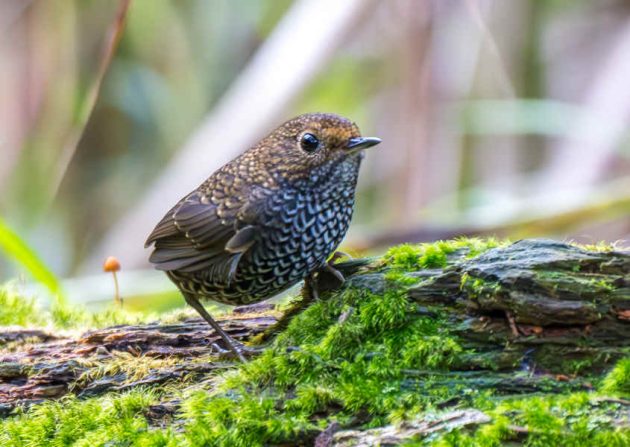
It is a species that is far less yellow than the Yellow Tit (how’s that for a link?)
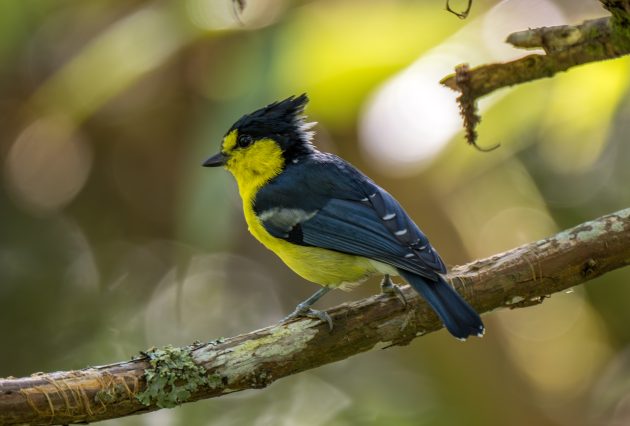
The scientific name is Machlolophus holsti, indicating (in the first part) that it has a lush crest (makhlos lush; lophos crest).
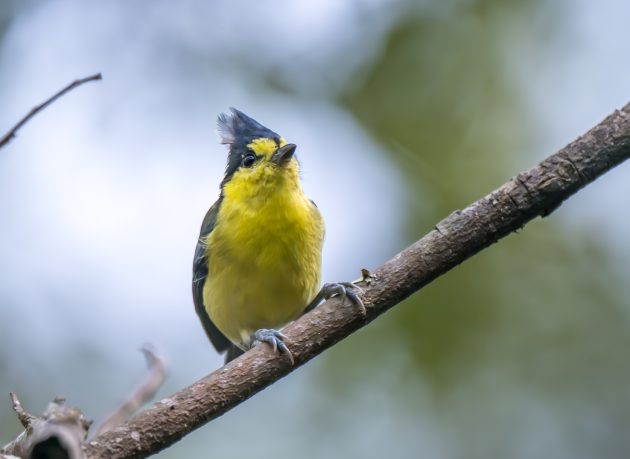
The second part refers to Per August Holst (1858-1895), a Swedish collector.
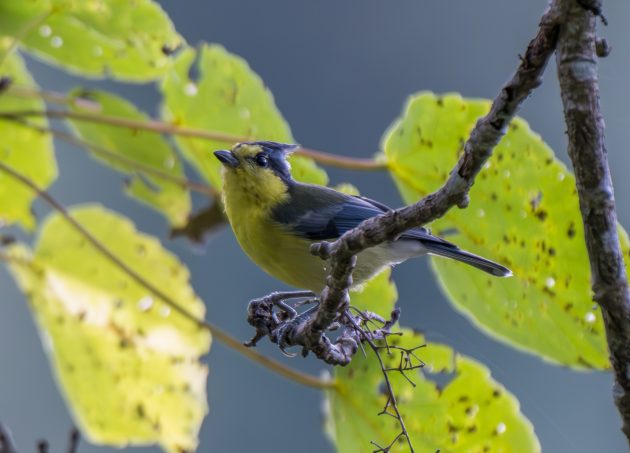
In his last letter before he died, he apparently claimed that “ill-luck and ill-health” worked against him. Hmm.
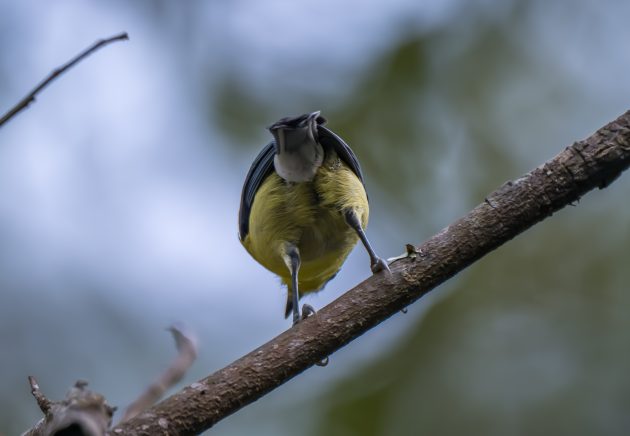
Unsurprisingly, the Coal Tit is not yellow. Though it is not all black either.
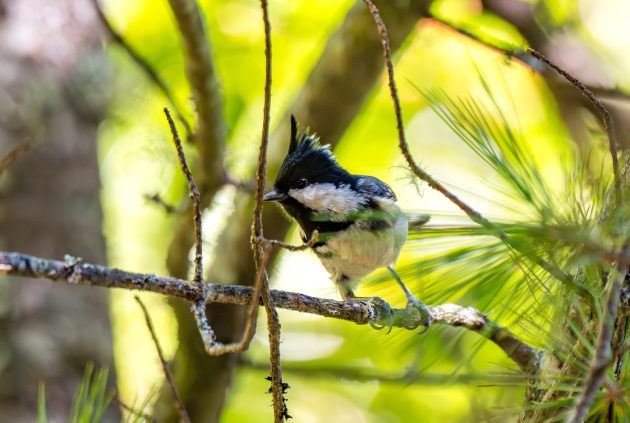
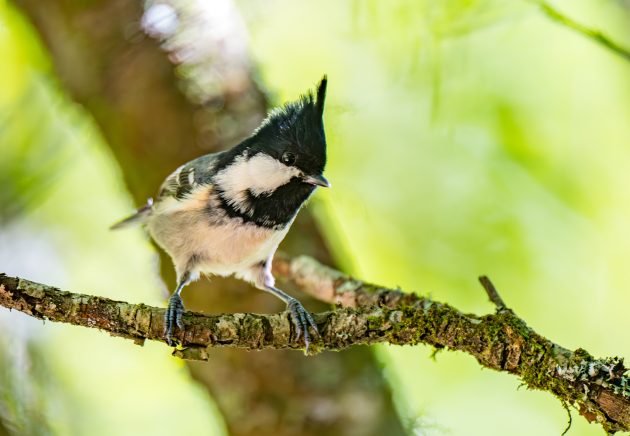
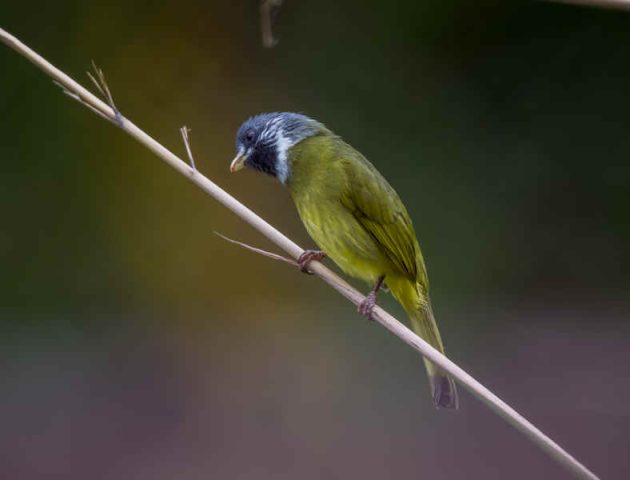
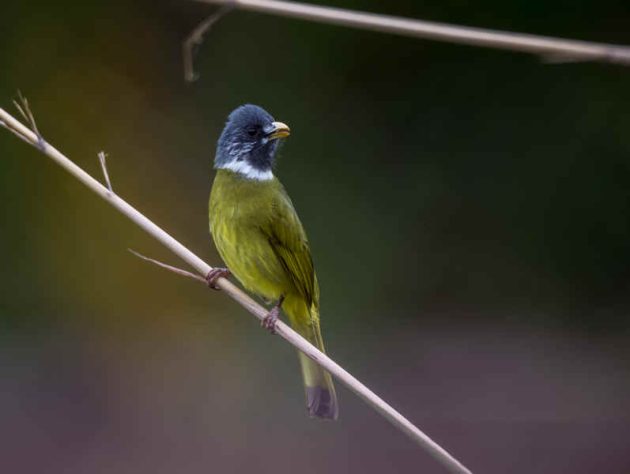
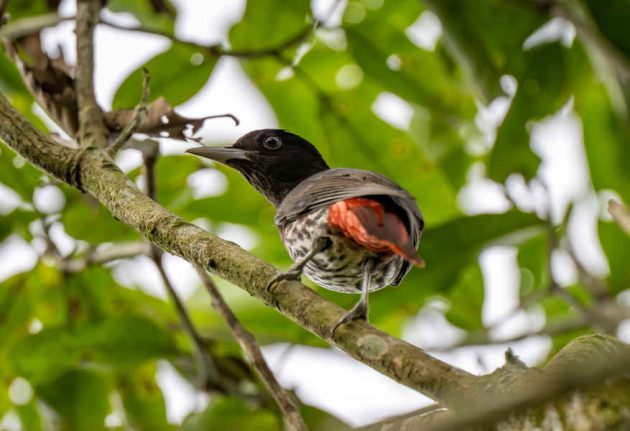
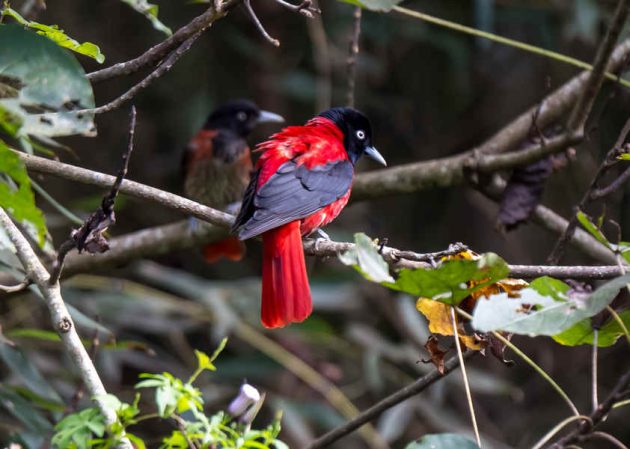
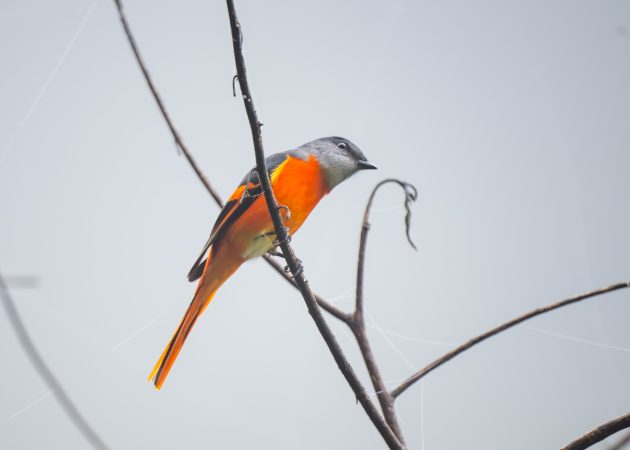
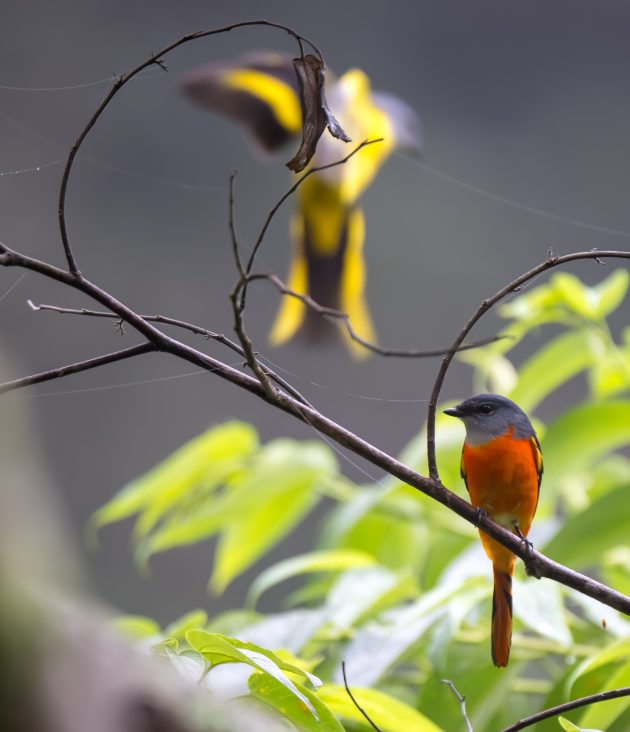
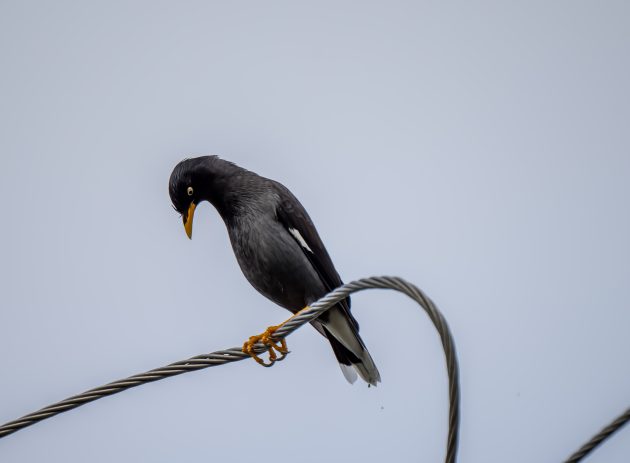
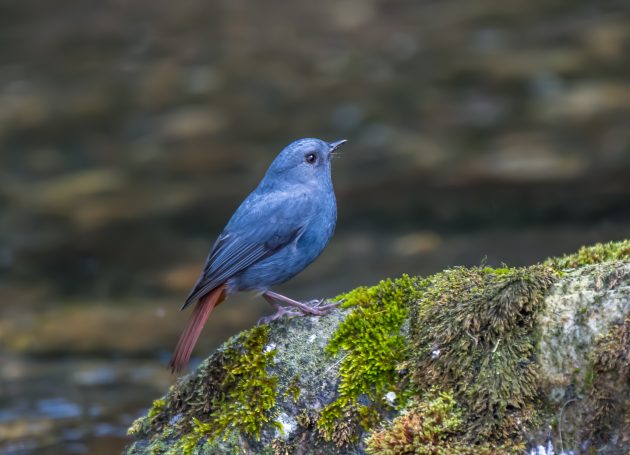
Then, Dasyueshan brought a lot of species that I have already mentioned in previous posts on Taiwan, or that are not specific to Taiwan. So, just some semi-decent photos of them without any annoying words or mediocre jokes.
Collared Finchbill
Maroon Oriole
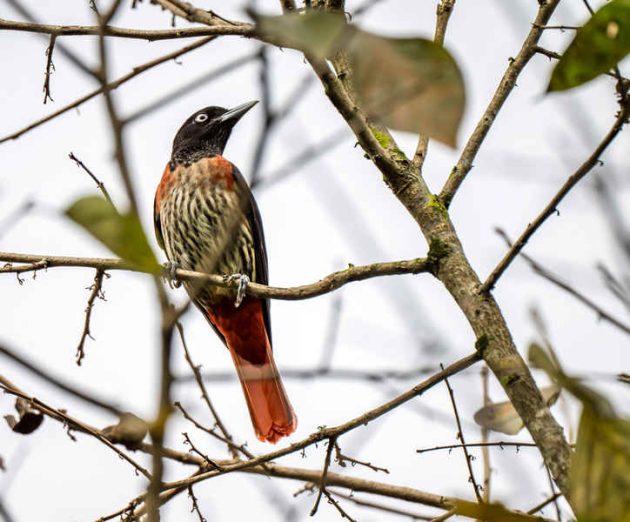
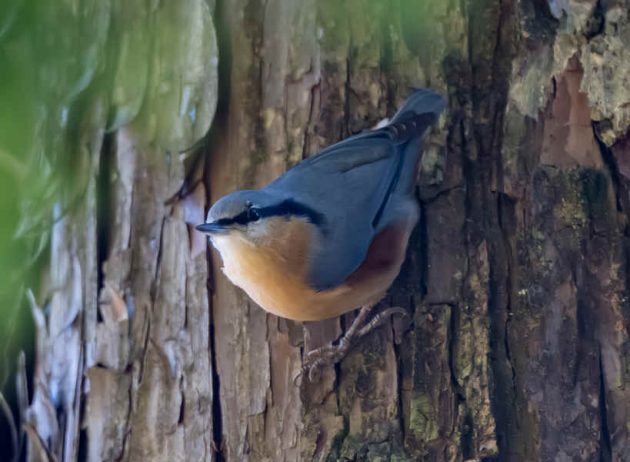
Eurasian Nuthatch
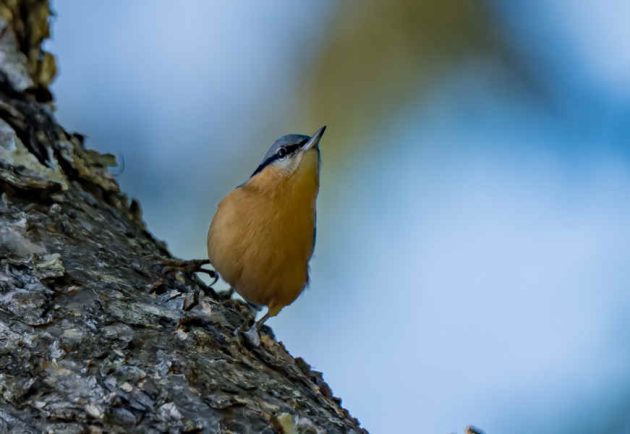
Grey-chinned Minivet
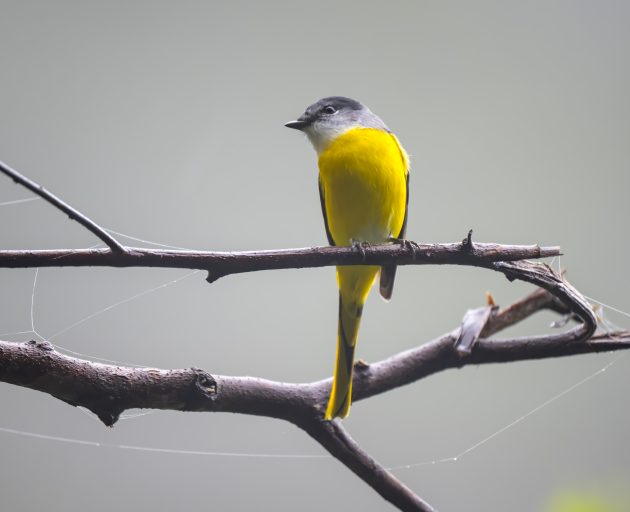
Javan Myna
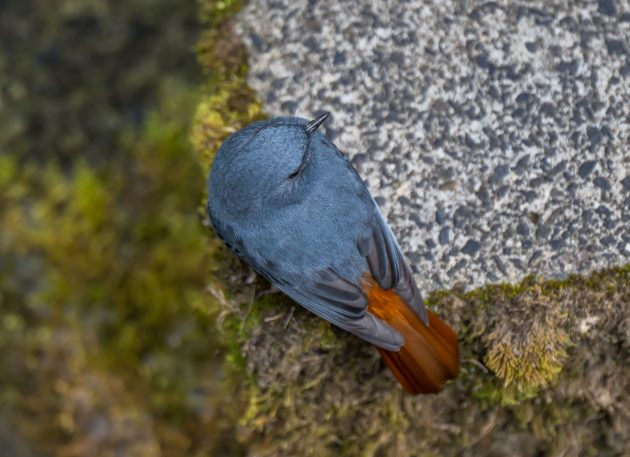
Plumbeous Water Redstart
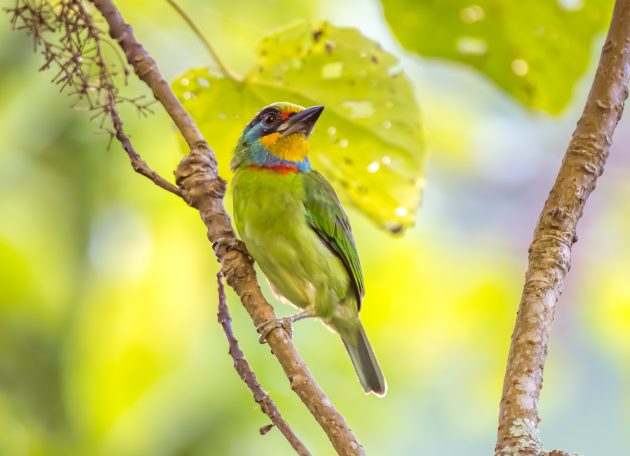
Taiwan Barbet
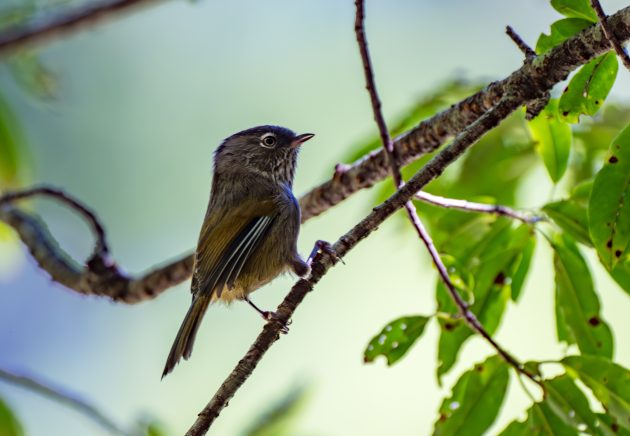
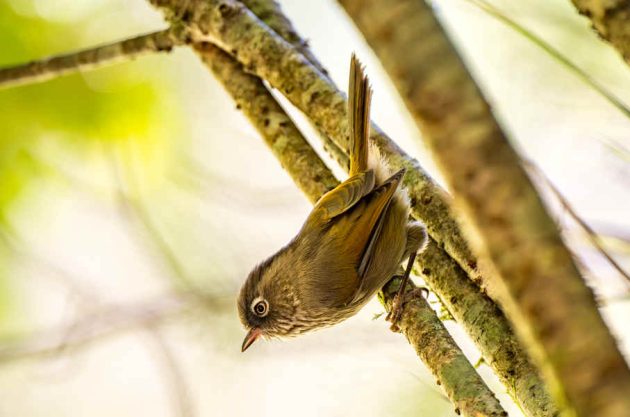
Taiwan Fulvetta
White-eared Sibia
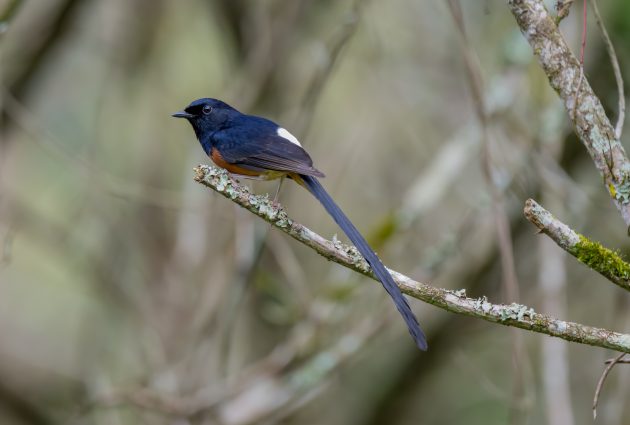
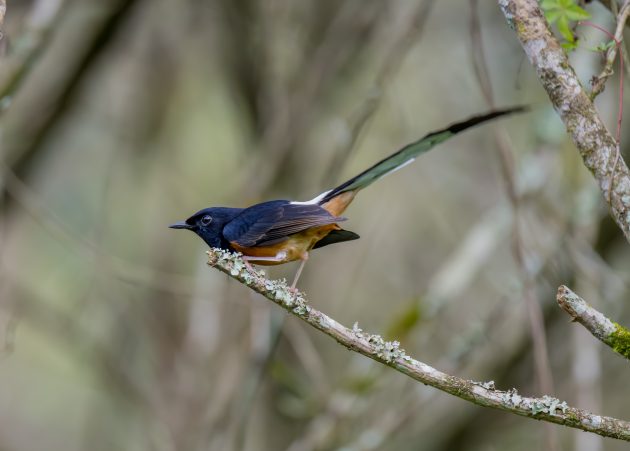
White-rumped Shama





This was such a pleasure to read! The only international birding I have done was at Dasyueshan. This brings back some great memories. We saw many of the above birds including the Mikado Pheasant. We also saw a pair of Yellow Throated Martens hunting a Muntjac. I would go back in a heartbeat.
As usual, great photographs, Kai. It’s a shame that Taiwan is such a long way from England. I’d love to see a Mikado Pheasant.