

I never felt a strong desire to go to Bali – I imagined it to be full of young, fun-loving party people from Australia in a posh environment. The reality – old, slightly overweight tourists in a decidedly third-worldish city with terrible traffic – was probably a bit more bearable, but still not worth a trip. But as a final stop after a birding trip primarily in Java, it was ok, particularly as it offered a non-stop flight back to Shanghai.
My guide had warned me that Bali is not a great place for birding, and he was right. We fruitlessly searched for Brown-footed Booby but mostly just got fairly common species.
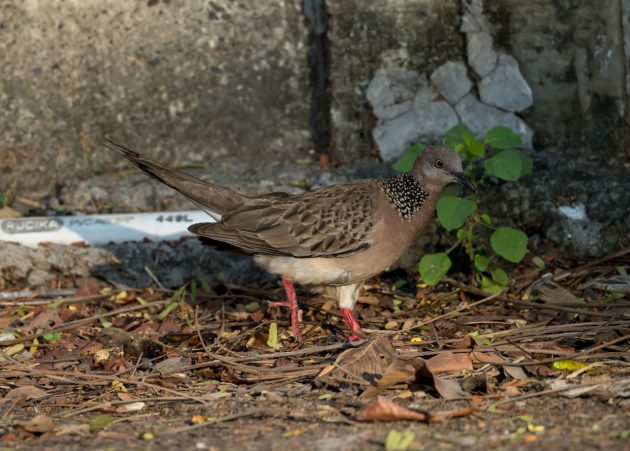
Or even very common species, such as the Spotted Dove – quite possibly my least favorite of all bird species.
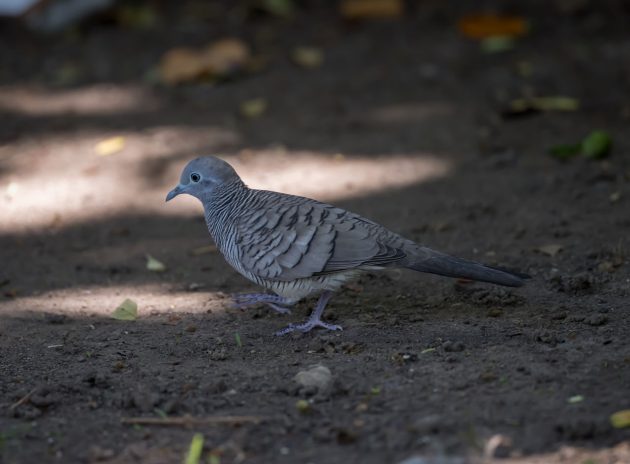
Or the Zebra Dove, which is easy to see in the wild even though it is also a popular cage bird in Indonesia (I hate seeing caged birds, and Indonesia is full of them).
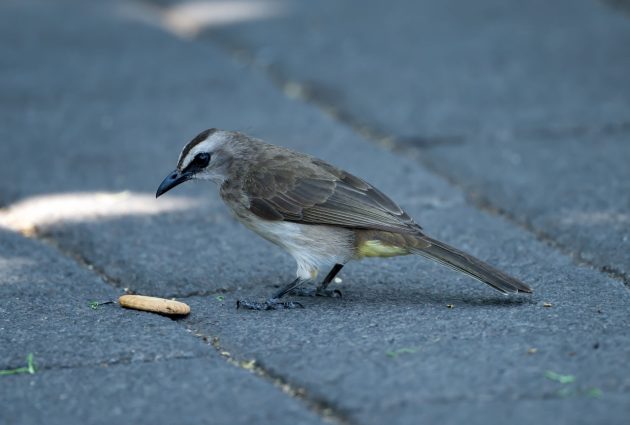
Or common bulbuls, such as the Yellow-vented Bulbul …
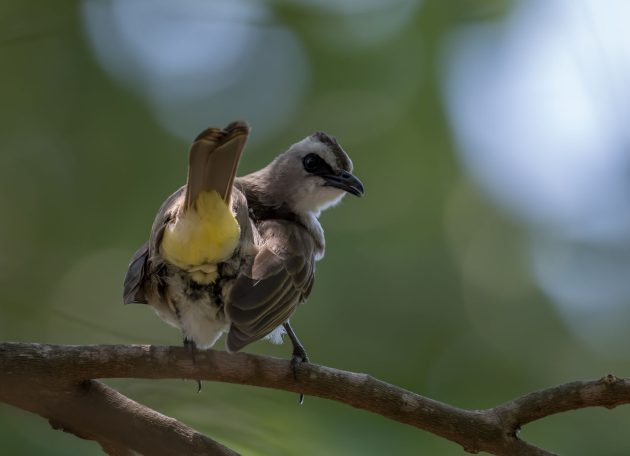
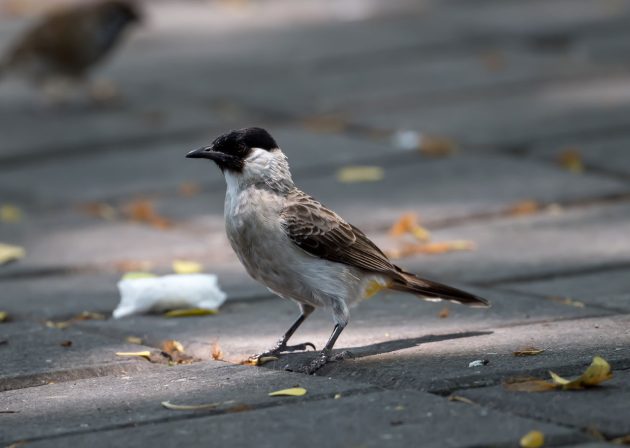
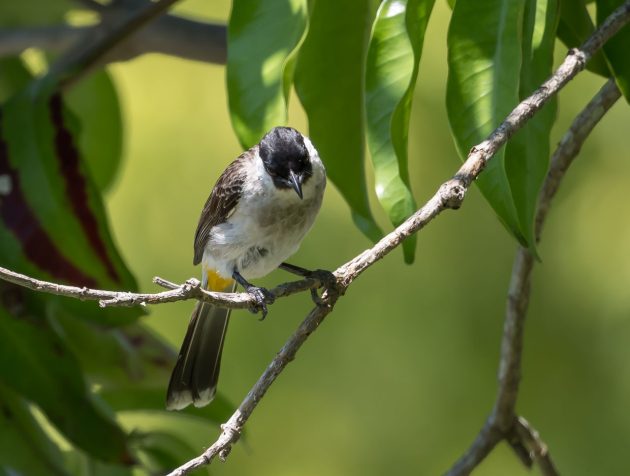
… and the Sooty-headed Bulbul.
In contrast, I still enjoy seeing Eurasian Tree Sparrows anywhere in the world. As this site states, the species is uncommon in European cities but rather a city bird in Asia, including Denpasar (and Shanghai).
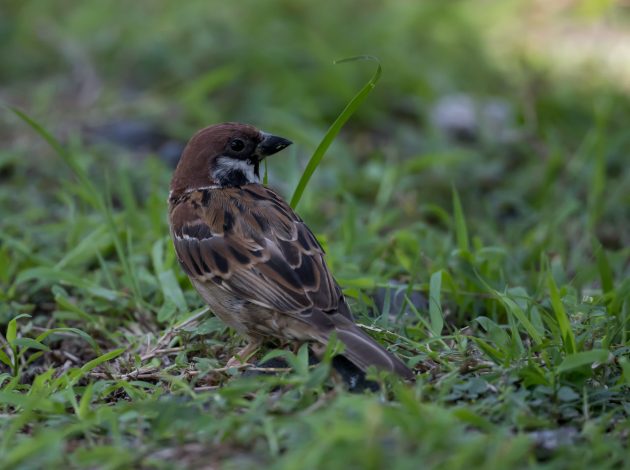
In a remarkably embarrassing display of a US-centered worldview, the Cornell entry for the tree sparrow starts with the sentence “Eurasian Tree Sparrows were brought to St. Louis, Missouri, in the 19th century as part of a shipment of European songbirds imported from Germany.” Somehow, to me, this hardly seems the most relevant fact related to the species. But then, I am no longer a US citizen.
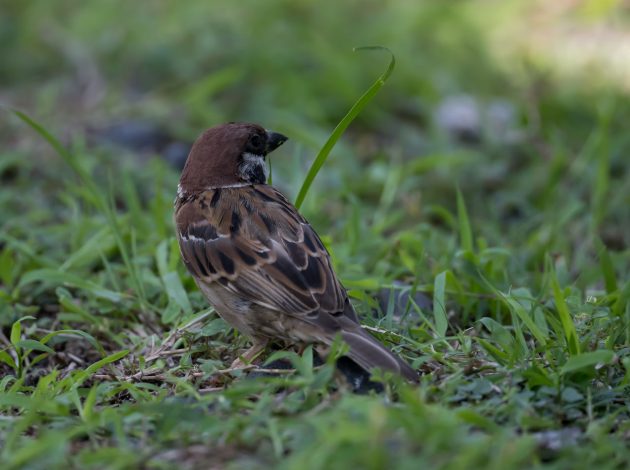
Some people like to record bird songs, such as those of the Eurasian Tree Sparrow in Indonesia. Then, they write papers with sentences that display a rather extensive view of endemism: “Recordings could be made of songs of a Eurasian tree sparrow (Passer montanus). This species is endemic in Europe and Asia”.
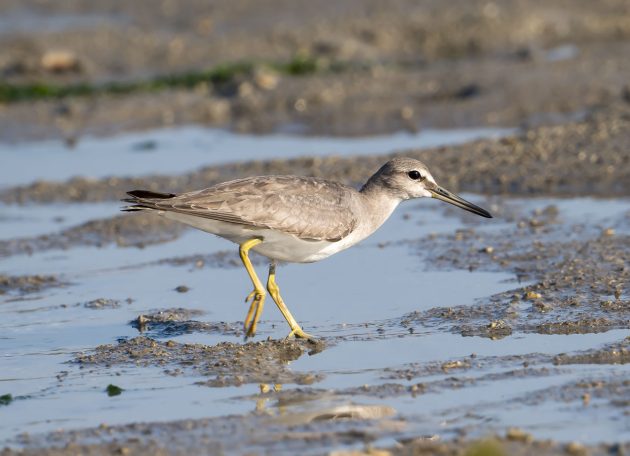
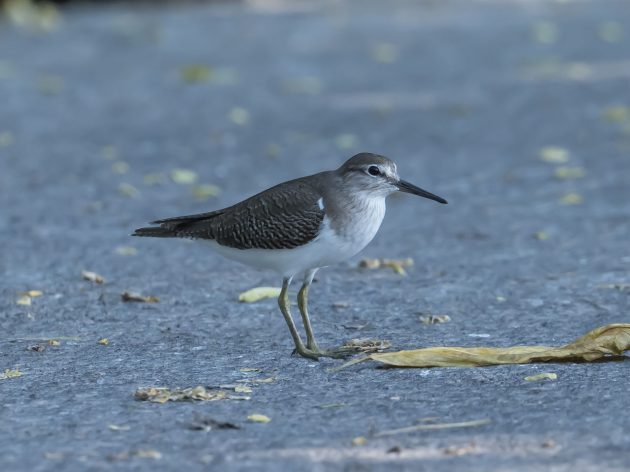
Denpasar has a lot of bridges, mangroves, and tidal areas, so it is not very surprising it also has some waders. Unfortunately, they are also mostly not very interesting:
Common Greenshank
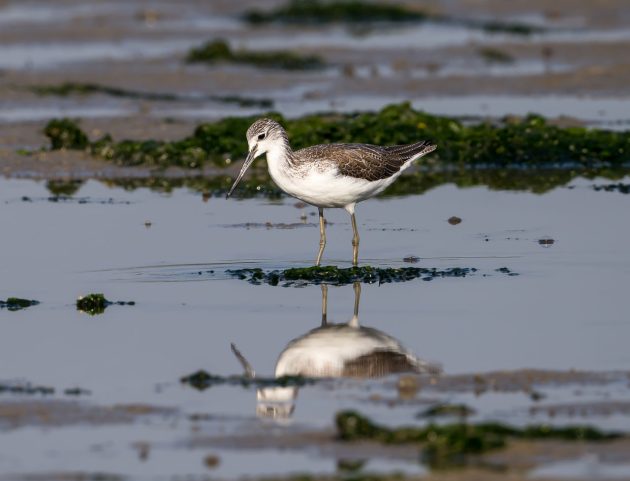
Grey-tailed Tattler
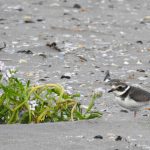
Common Sandpiper
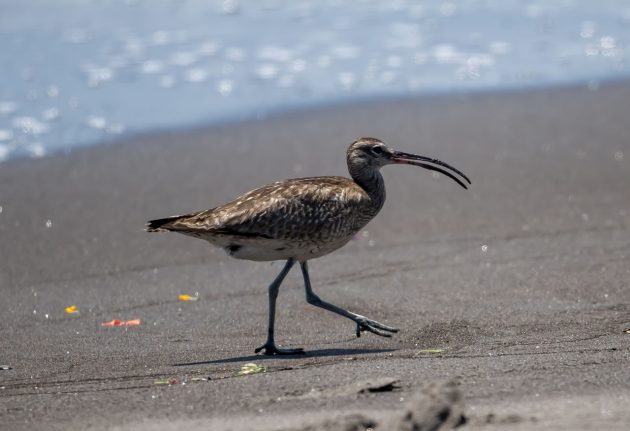
Whimbrel
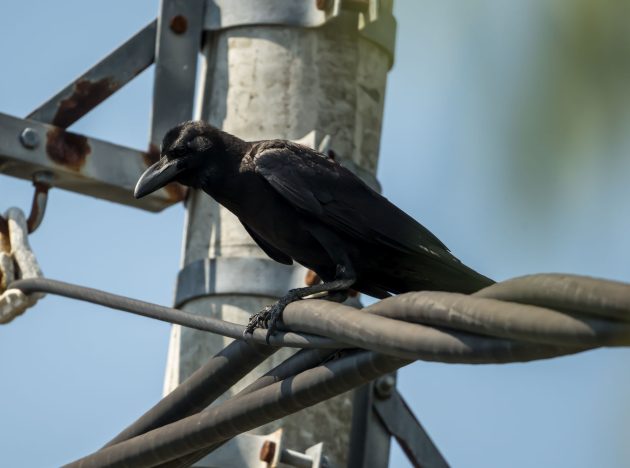
On the way to some of these wetlands, I also saw a crow – but given the complexity of this species, I do not dare to give it a name. Large-billed? Sunda? Slender-billed? Your choice.
Things picked up a bit when we went to the local water treatment plant, a location that – all over the world – has probably rescued many birding trips from being a failure.
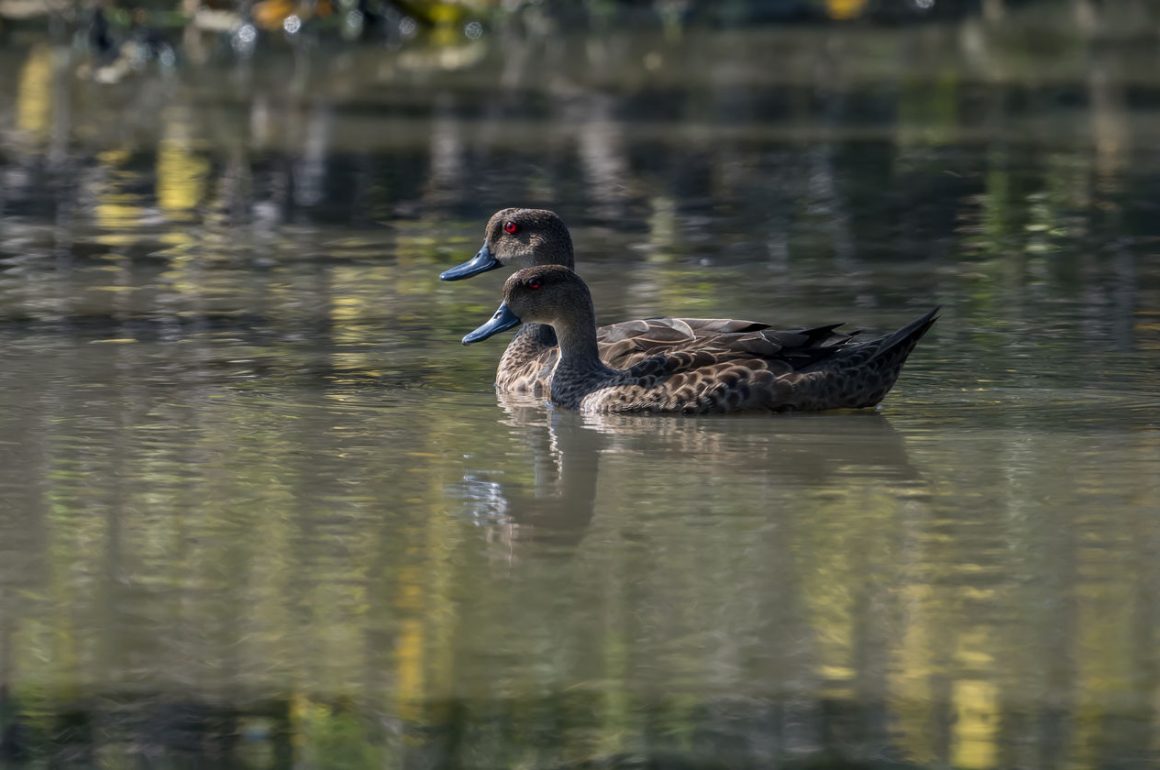
In this case, the site brought a pair of Sunda Teals, a species listed as Near Threatened.
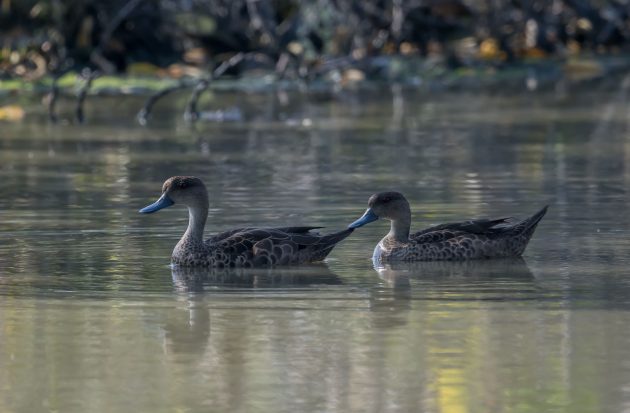
One would think a water treatment plant might be frowned upon by the teals, but Cornell states that the species is “highly adaptable to all types of wetlands”.
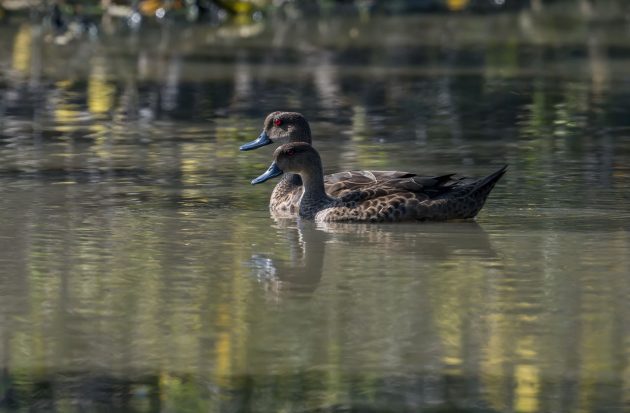
As usual in Indonesia, the “Near Threatened” status comes from humans valuing their own interests higher than the life of birds: “Widely hunted in Indonesia, while widespread deforestation and other habitat modification probably represent additional threats” (Cornell).
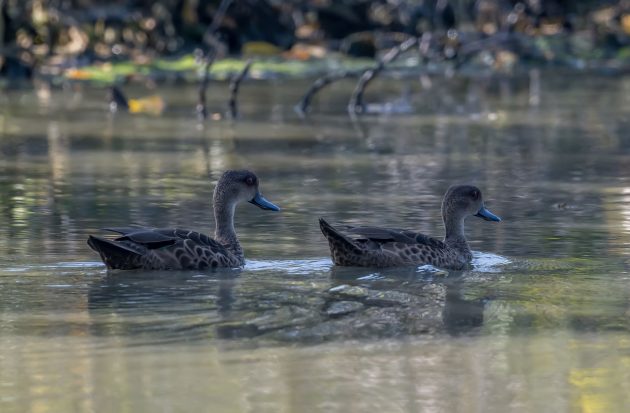
But Cornell has a remark that might serve as a consolation prize, albeit of the slightly weird sort: “Captive population at Jersey Zoo”.
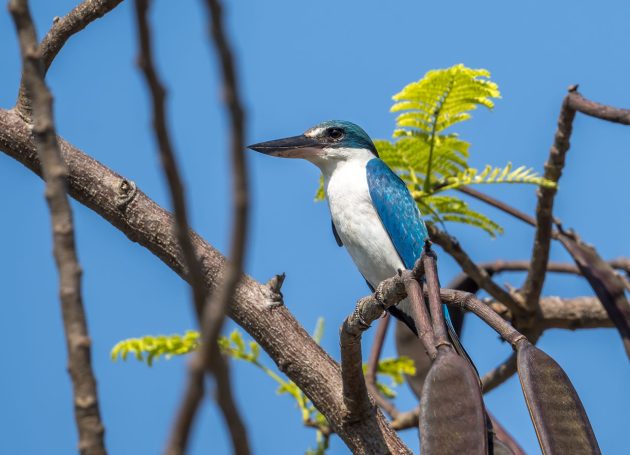
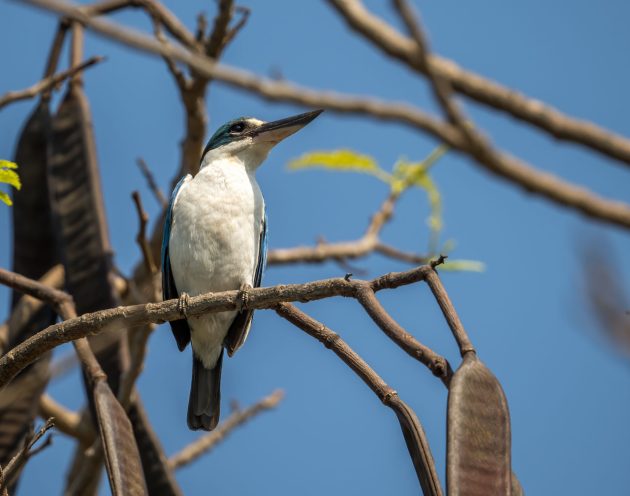
While Collared Kingfishers are almost the Eurasian Tree Sparrows in the Indonesian kingfisher world, I am still happy to see them as well.
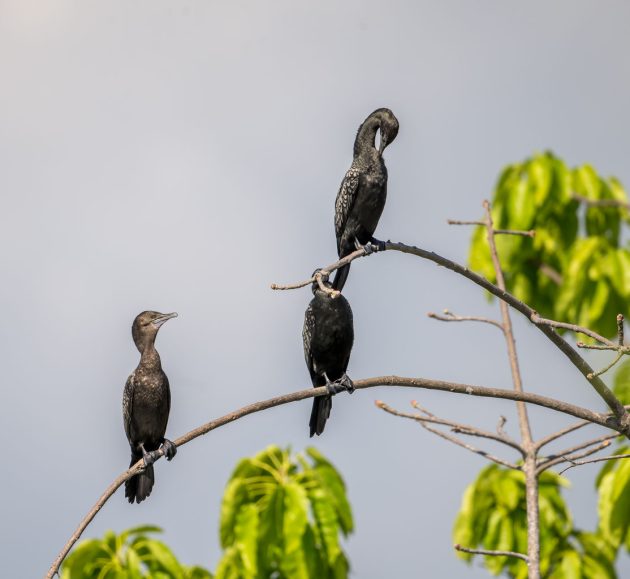
The water treatment plant also had two species of cormorants.
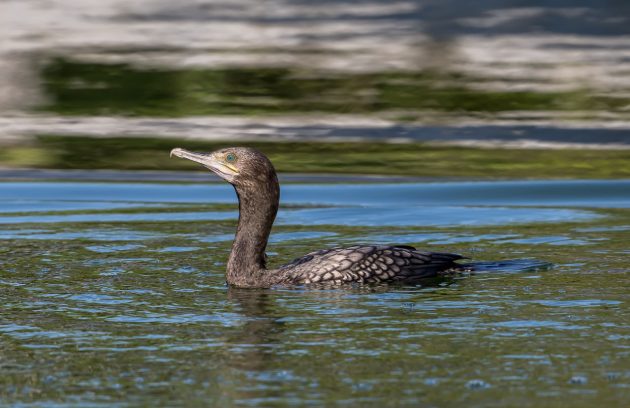
A dead Little Black Cormorant found in a wildlife area near Jakarta was analyzed for microplastics, and an estimated 320 such particles were found in the gastrointestinal tract of the bird.
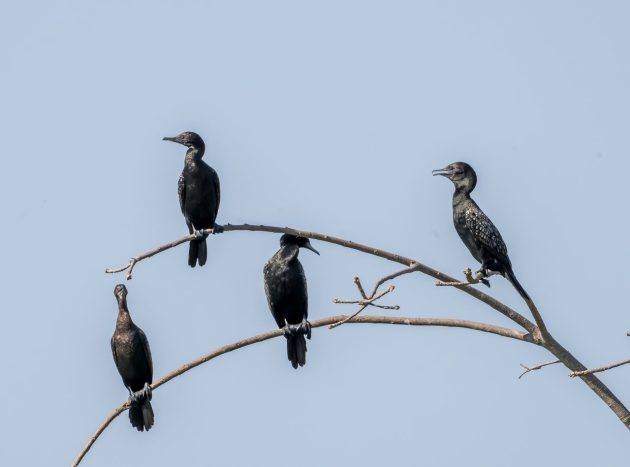
Interestingly, this species feeds mainly on introduced fish (and presumably, introduced plastic) (source).
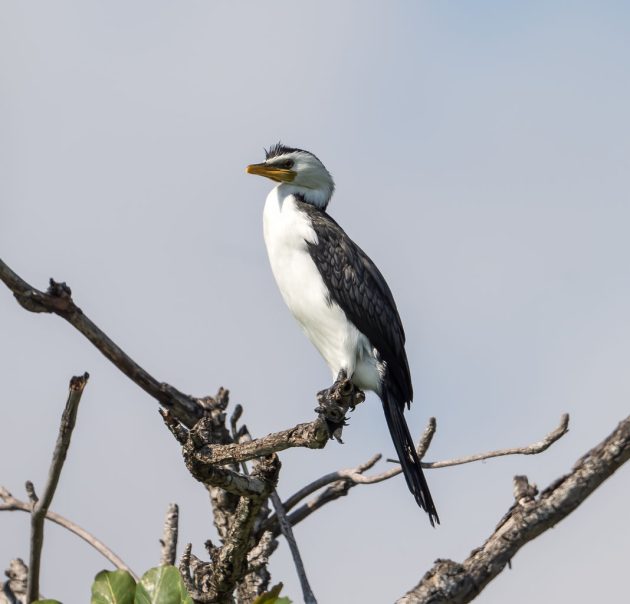
Different from this species, Bali is very much at the edge of the range of the Little Pied Cormorant (in fact, the Cornell distribution map does not even include Bali).
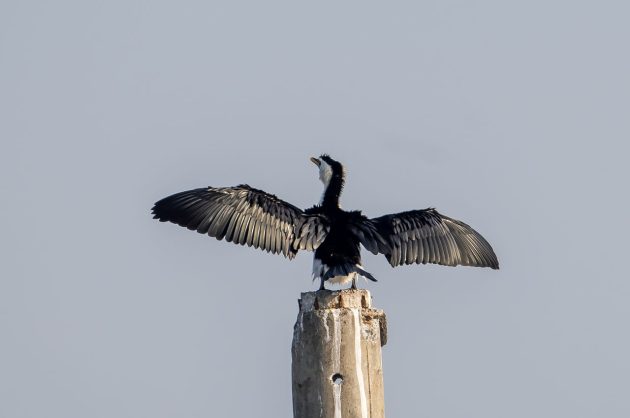
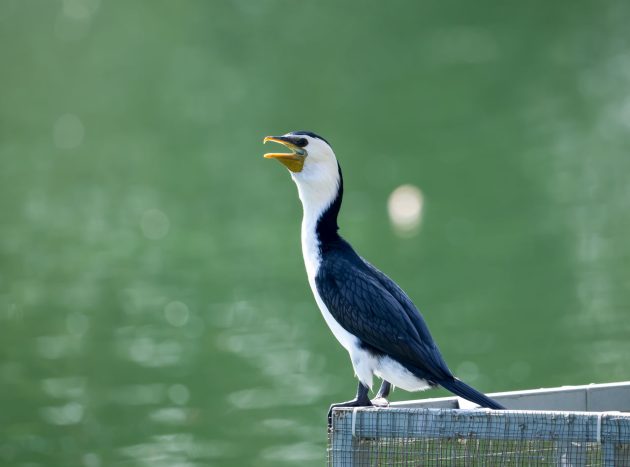
However, it is one of the most common waterbirds in Australia (source).
Finally – just a few hours before I had to catch my flight back home – we went to a park. I wanted to stretch my legs before, and wanted to walk around on my own.
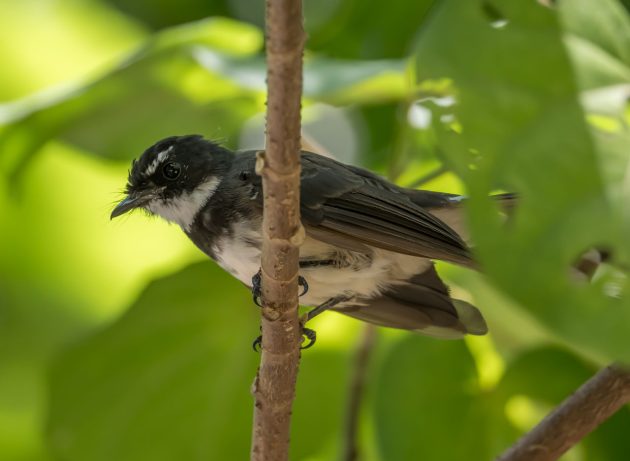
That turned out to be a good choice. I saw a final Malayan Pied Fantail …
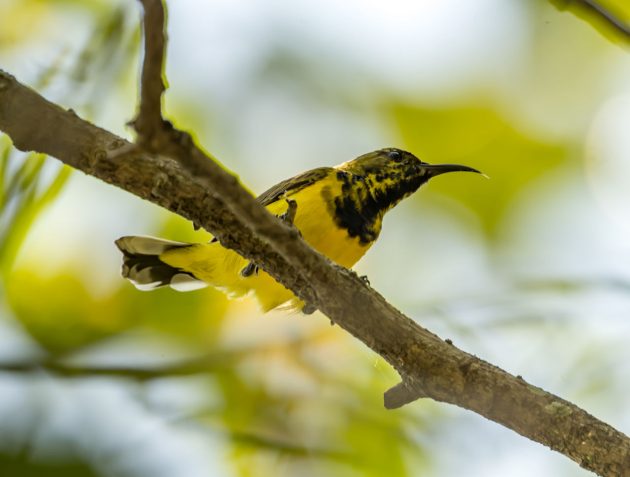
… a somewhat unconvincing Ornate Sunbird …
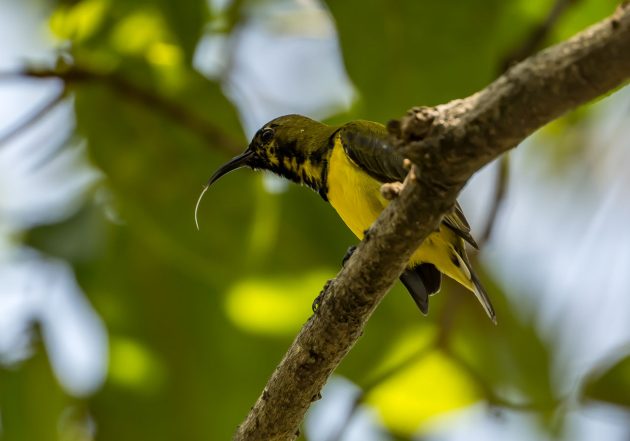
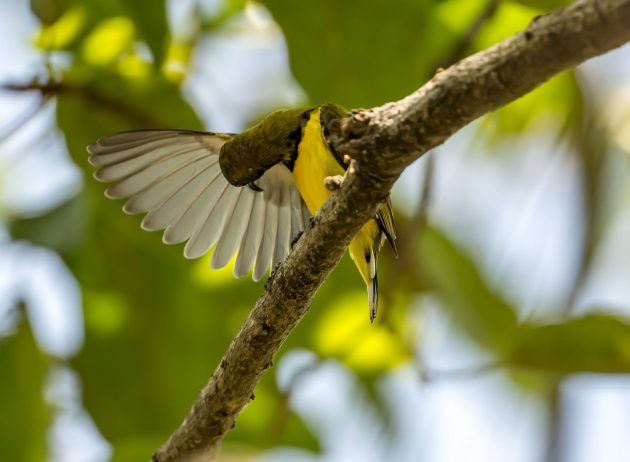
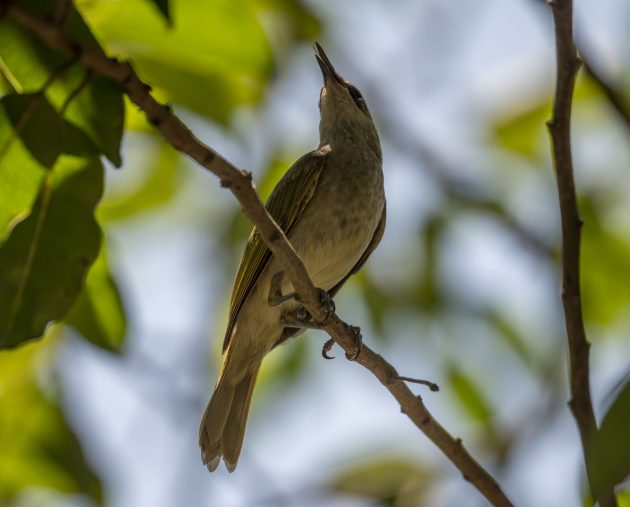
… and – as a final reminder of being not too far away from Australia – a Brown Honeyeater. Bali is indeed at the far Northwestern corner of its range.
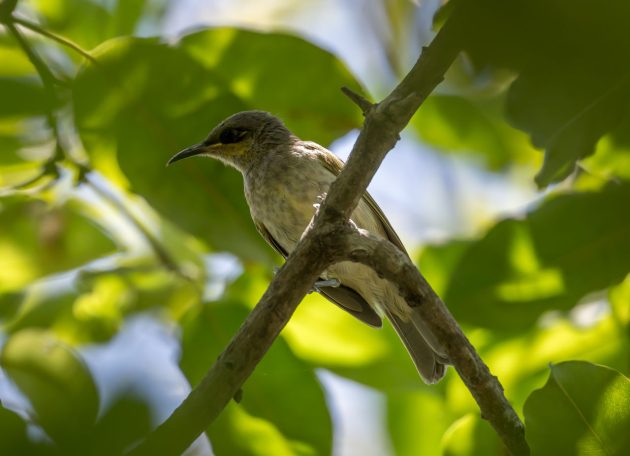
It is probably a good thing that this species is unlikely to be aware of its scientific name – Lichmera indistincta hardly sounds like a strong endorsement. The Cornell description of the relevant subspecies stresses this further: “Male is dull dark gray-brown to olive-gray above”








Love the ducks.