


November allowed me to see two species again that I had looked for and missed for quite a while.
One, the Bluethroat. In its almost Trump-esque stupidity (or maybe search for funding), the HBW calls it a “songbird of Alaskan tundra and dwarf-shrub meadows”, even though its distribution ranges far wider than that. I saw this one in Shanghai, after all.
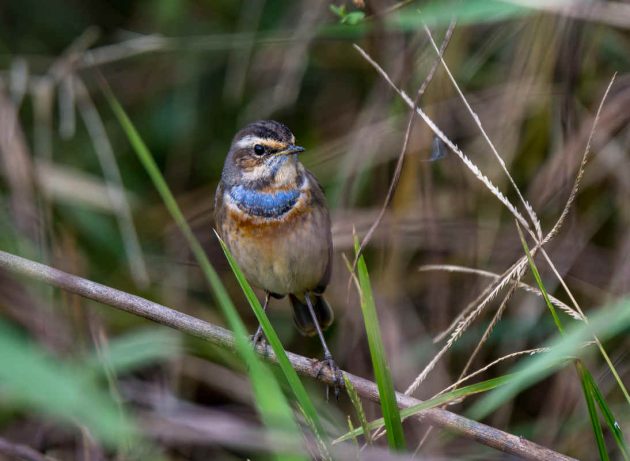
Indeed, the HBW – which seems to assume its readers are only in the US – merrily continues like this: “This bird occurs widely across Europe and Asia, but is restricted to northern and western Alaska and the Yukon Territory in North America, where it has received little attention to date.” And the next few sentences are all about its presence in Alaska. Shameful, unless you are an idiot nationalist (which, admittedly, many people are).
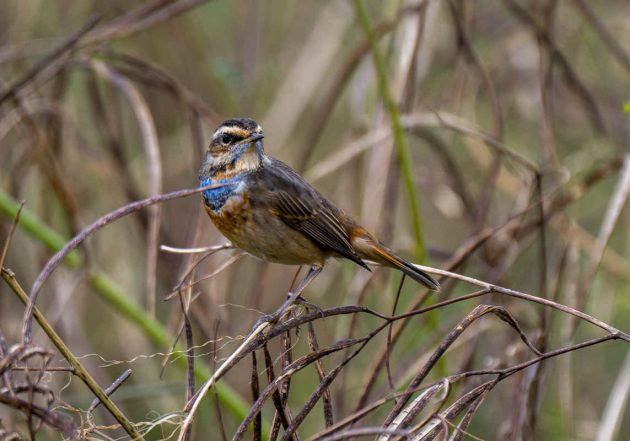

I also saw that the HBW got the scientific name wrong – they talk about Luscinia svecica – I am pretty sure they really mean Luscinia alascia … No point in naming an Alaskan bird after Sweden, right?
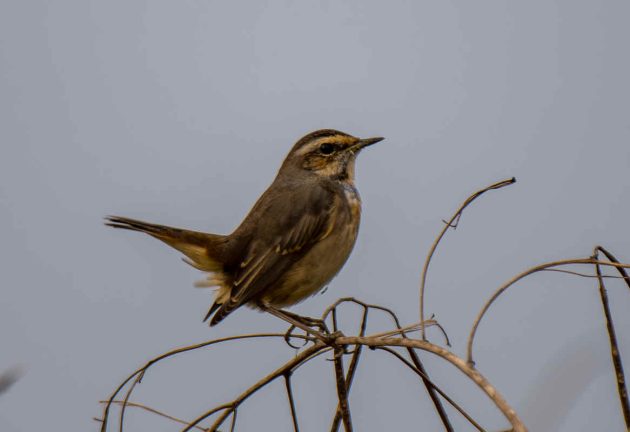
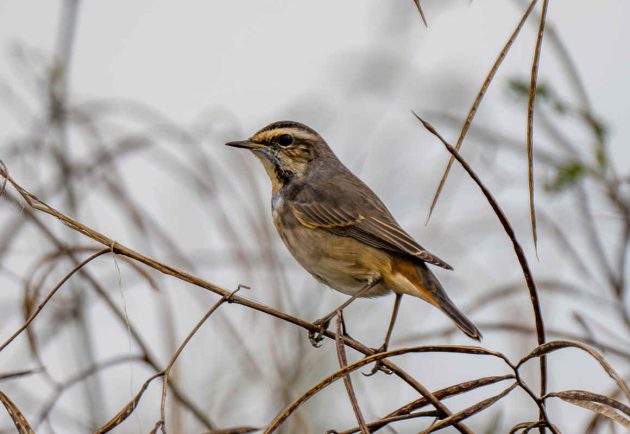
The other interesting bird puts the shame squarely back onto the Chinese, where it (according to the climate-change-denying Trump administration) belongs anyway. Granted, not without reason. Catching and eating large numbers of the Yellow-breasted Bunting in Southern China has led to the species being listed as Critically Endangered (1).
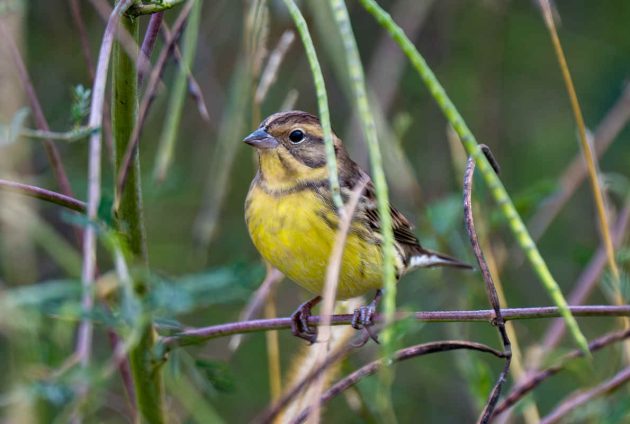
At least, some research has been done on the species, in papers such as one titled “Migration routes and adult survival of the critically endangered yellow-breasted bunting Emberiza aureola“.
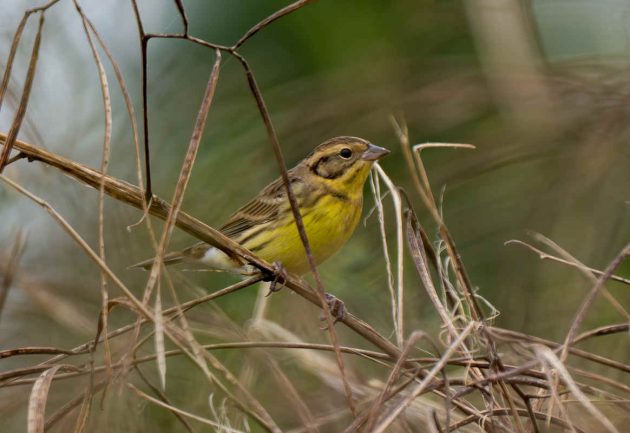
However, it seems a bit mysterious why such a paper has 21 authors (though admittedly, I would look at this much more sympathetically if one of the names on there was mine).
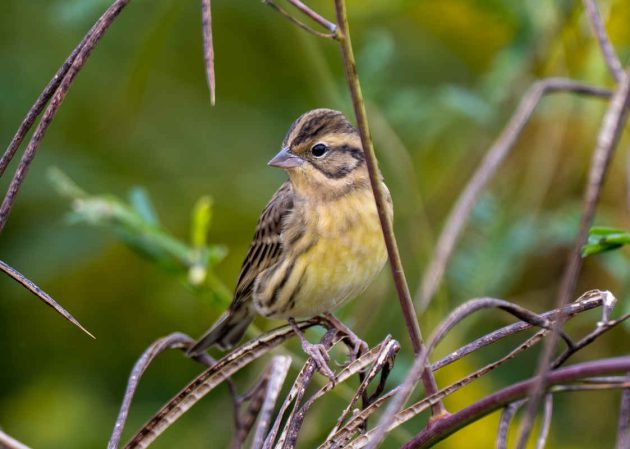
Particularly as the results and recommendations are rather vague and general (focus on everything!!):

“Our tracking data highlights (1) a joint migration corridor of eastern populations through eastern China, (2) long autumn stopovers likely used for moult and re-fuelling, and (3) very long occurrences at wintering sites. These areas should be given priority for future conservation measures. We call for an increased monitoring of adult survival and breeding output in multiple populations”.

Indeed, focus on everything, can’t go wrong with that. We all know that resources available for environmental protection are virtually unlimited.

One of the authors of the paper above is also among the authors of another one on the “Bioaccumulation of metals in a critically endangered migratory songbird, the Yellow-breasted Bunting“. The quality of that paper is fairly consistent with the first one – the abstract states that chromium, copper, manganese, iron, lead, tin, and zinc were detected in 100% of the samples, which is basically just an indication of the quality of their testing equipment rather than meaningful information about relevant pollution.
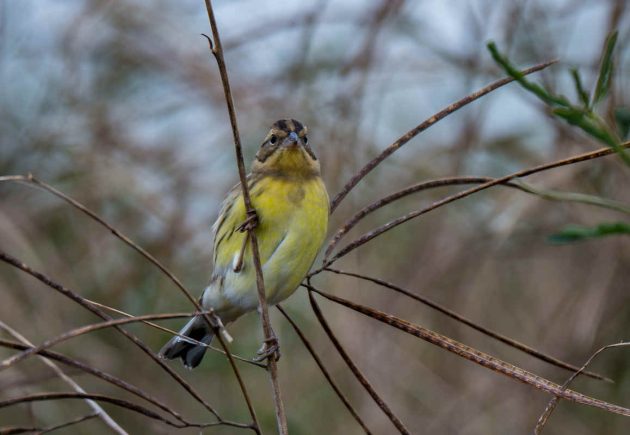
For example, an average human has about 0.2 mg of gold in their body – with good enough equipment, you can detect it, as you can for the elements cited in that paper.
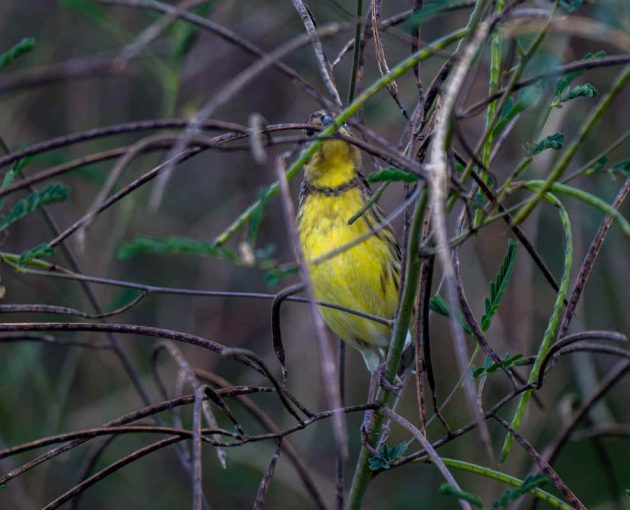
The same location did not only have this bunting but several others of the family – fortunately not as threatened, though for the Rustic Bunting, this day may not be too far off either, if this paper is to be believed: “The next common and widespread bunting to go? Global population decline in the Rustic Bunting“.

Indeed, it is already classified as Vulnerable.

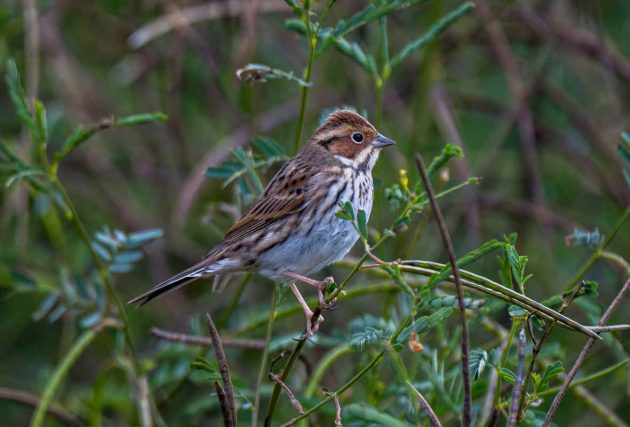
Other buntings at the same spot: Little Bunting …
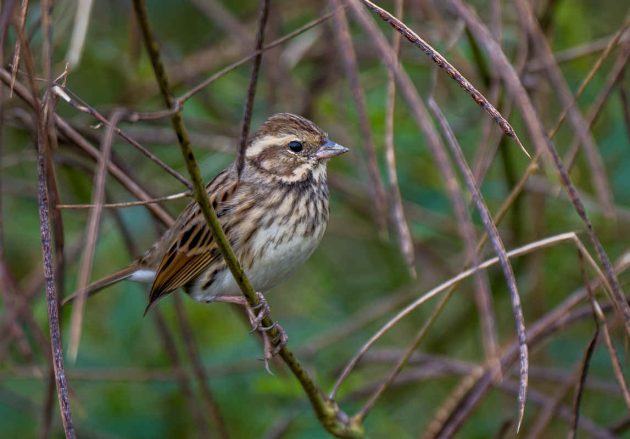
Black-faced Bunting …
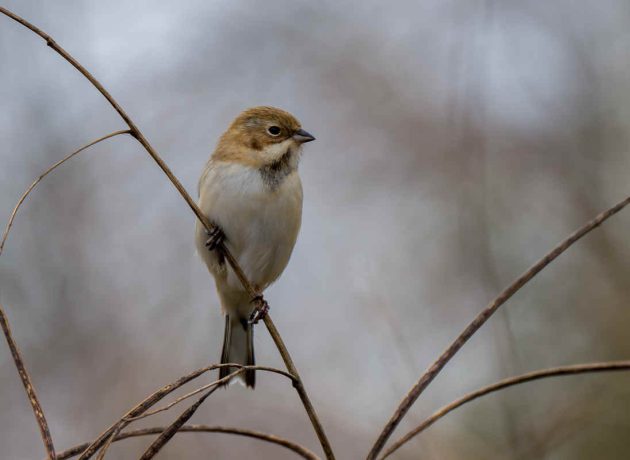
Pallas’s Reed Bunting (after the acrimonious divorce from Ms. Reed, the “reed” part of the name sometimes seems to be regarded as optional) …
… and Yellow-throated Bunting (not photographed at that spot).
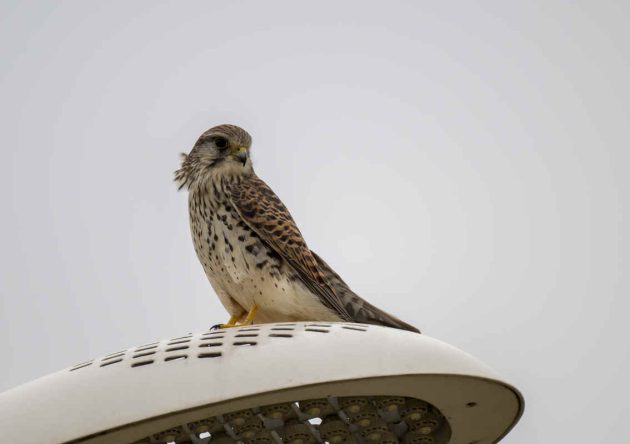
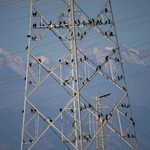
And now for something completely different. It seems different bird species have very different attitudes toward modern technology. This Common Kestrel seems to fully embrace modern lighting technologies, maybe even solar-powered ones …
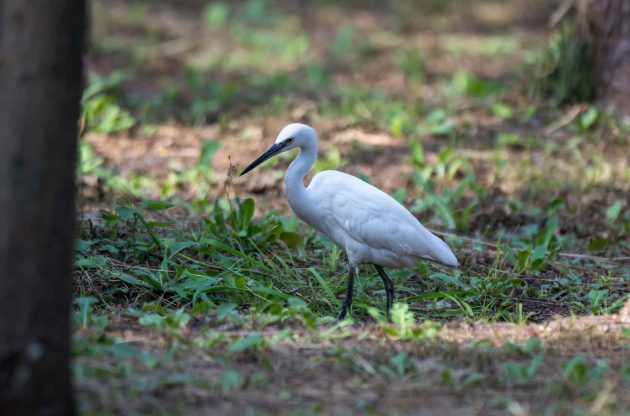
… while the much more old-fashioned Little Egrets have not even understood the concept of going wireless yet.

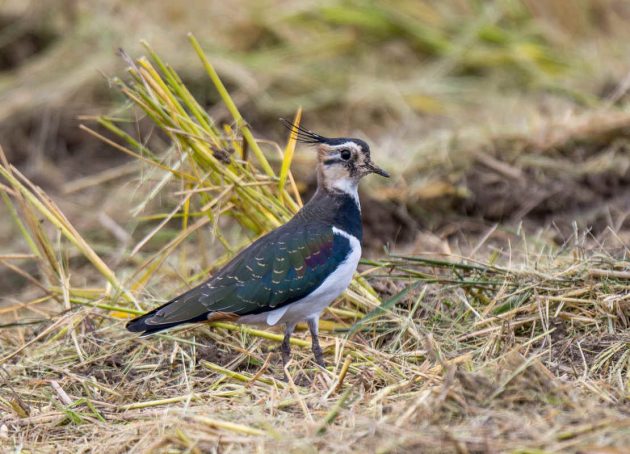
The first Northern Lapwings are back and are busy looking for food in the freshly harvested fields.

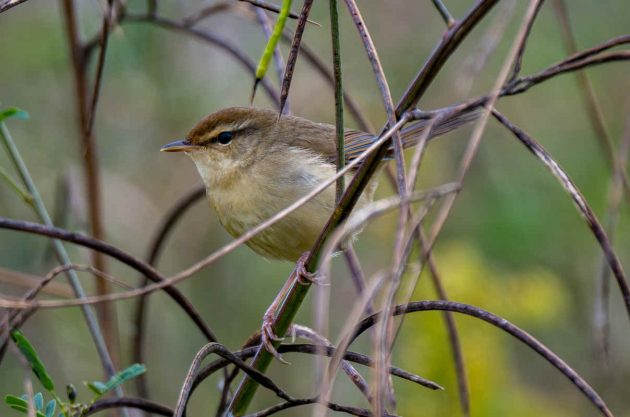
Manchurian Bush Warblers have a slightly weird distribution map, if the HBW is to be believed – generally migratory with a clear separation between summer and winter, but with one narrow spot along the Yangtze River as a year-round resident. So, maybe this is one of them, or it will move further south soon …
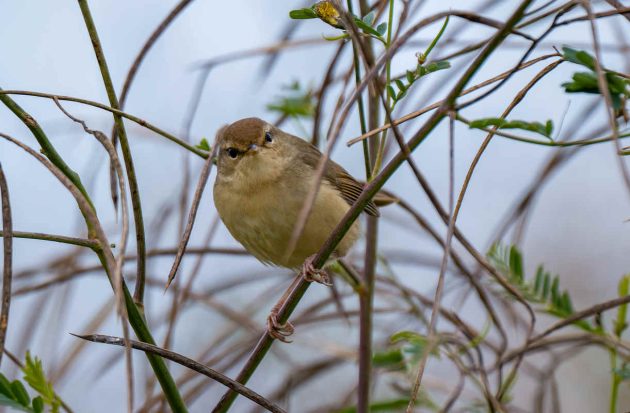
… while this Bull-headed Shrike …
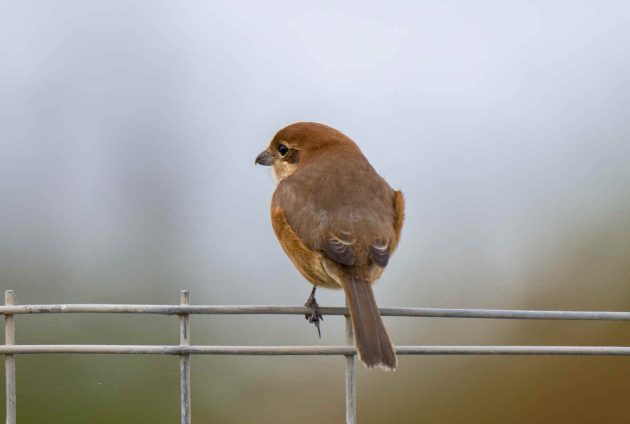
… and this Chinese Pond Heron will definitely be gone soon.

The species that attracted the most attention from Shanghai birders was a Black Wood Pigeon showing up in a park.
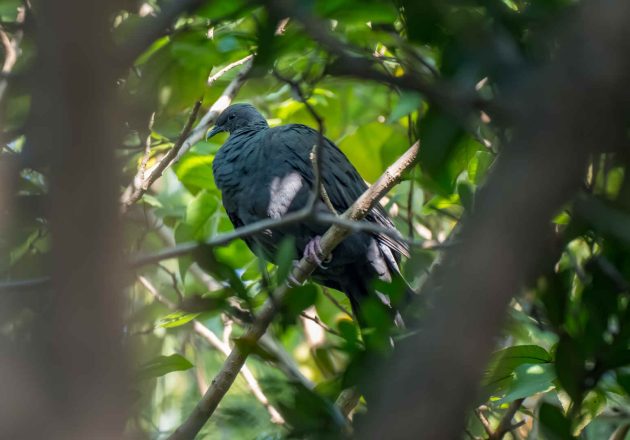
Apparently, it is extremely unlikely to show up in Shanghai, being usually confined to some Southern Japanese islands; still, somehow I was not impressed and wrote to a fellow writer: “very rare but still a boring pigeon”.

He replied (and I will not give his name to prevent him from being attacked by angry pigeonlovers), “First time in a country is always horrible because you need to chase all pigeons”.
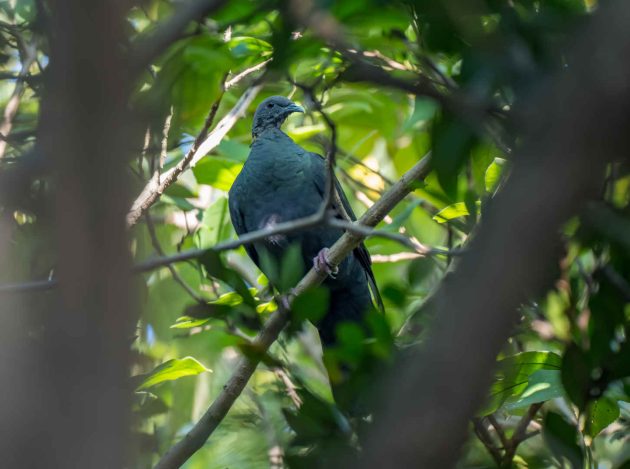
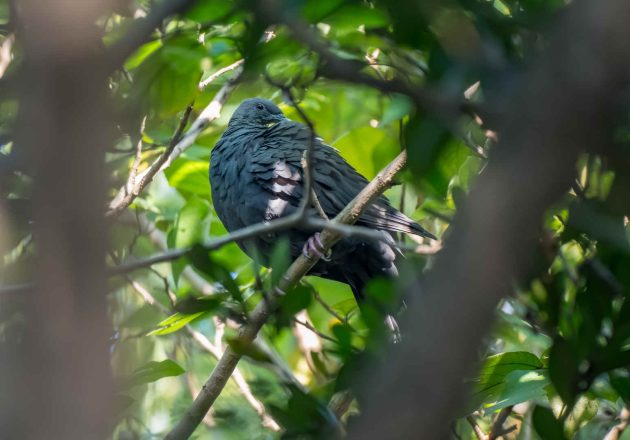
Of course, not getting great photos did not help the pigeon’s cause with me.
Going to Shanghai parks also provides opportunities to get photos of some common winter park species; however, if you go on a sunny weekend day, there is a heavy price to pay in the form of masses of people and temporary tent cities (2) being erected, full of people, many of whom are of small size (children). Given that these are an annoyance not only to bird photographers but also to birds, it is not clear to me why environmentalist groups have not asked to generally keep kids indoors. Seems quite unfair to cats.
And Silver-throated Bushtits are way cuter than any children could ever be anyway.
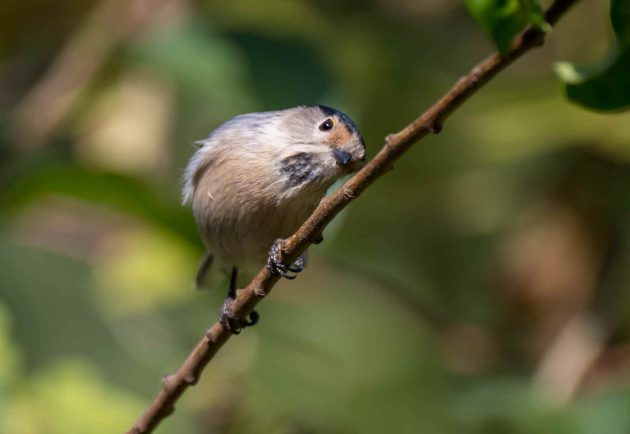
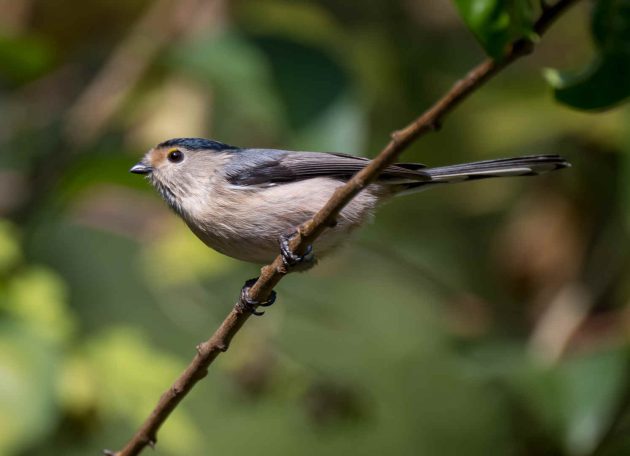
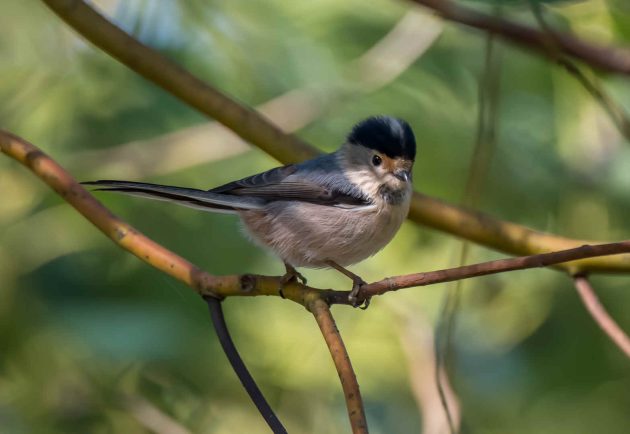
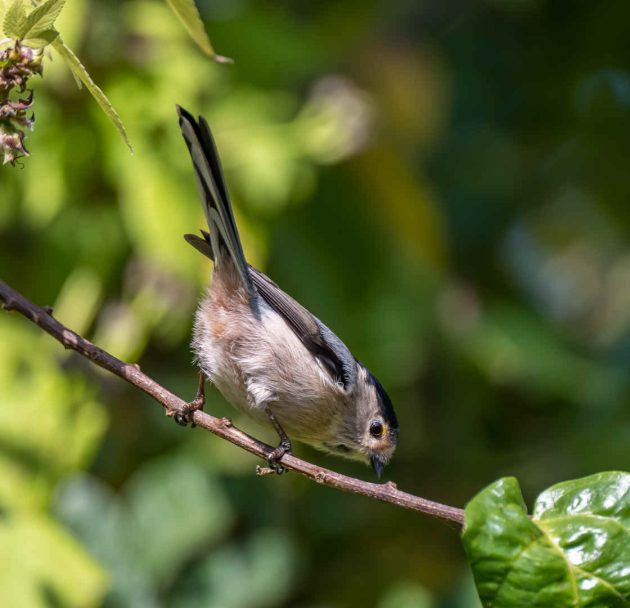
While Olive-backed Pipits are more elegant …
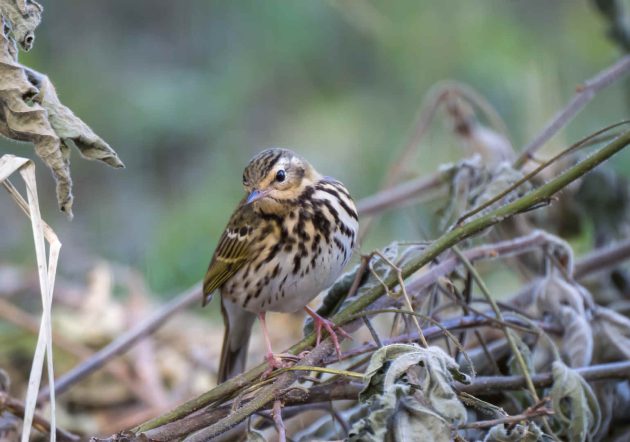
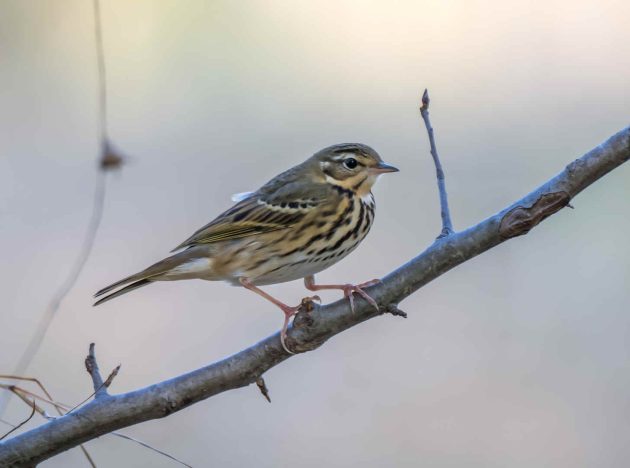
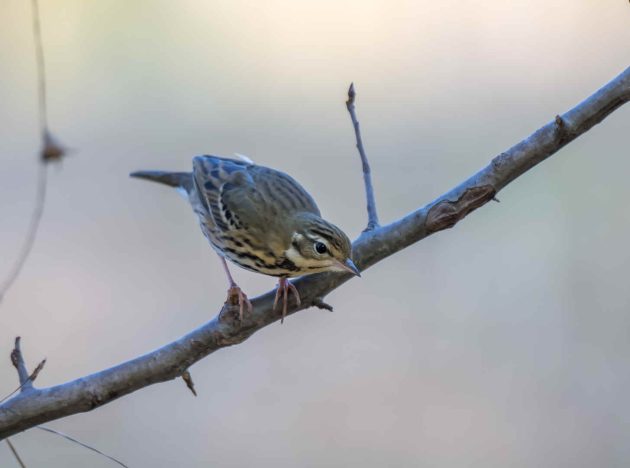
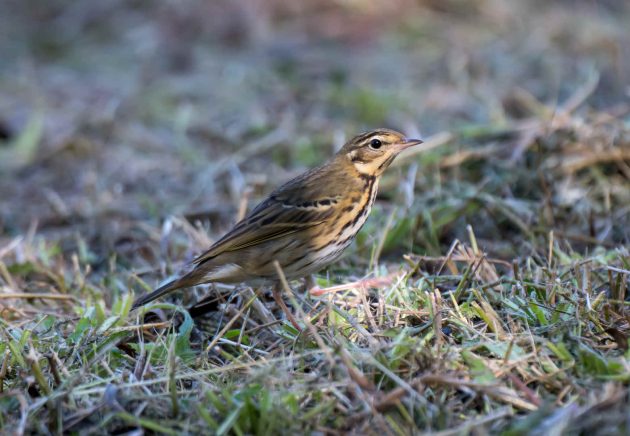
… and both Daurian Redstarts …
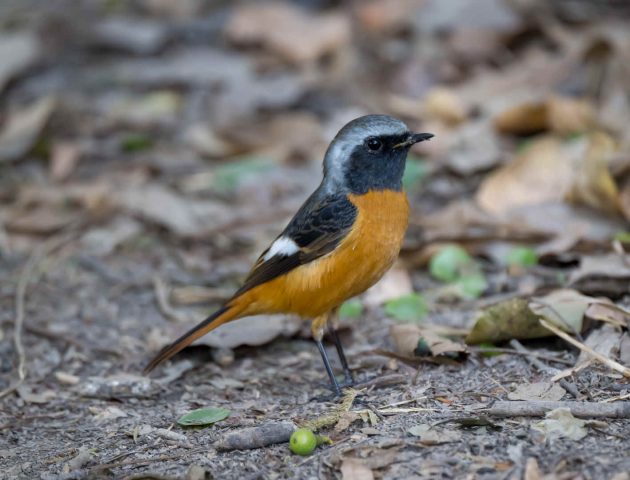
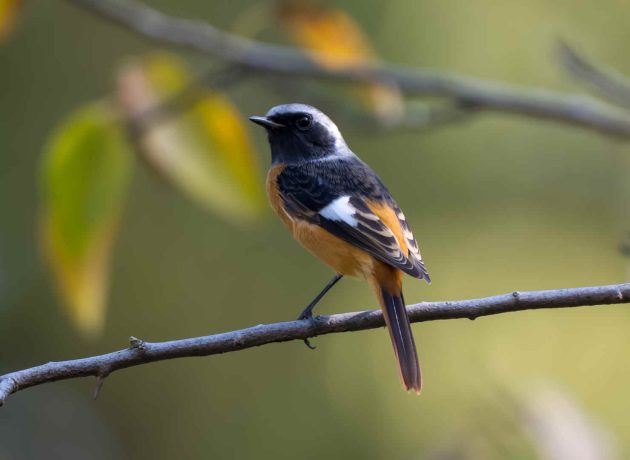
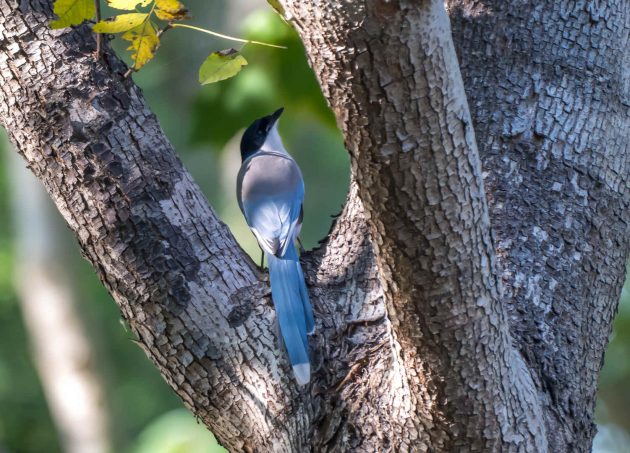
… and Azure-winged Magpies are more attractive.

No wonder the Little Egret in the same park looks annoyed.
(1) When I returned to the site where I saw the critically endangered bunting two weeks later, it was completely destroyed and turned into a bare field. So much for the prospects of this bird.
(2) Most likely primarily by people who have never slept in a tent in their lives. As my parents were big campers, I went through a lot of this as a kid and teenager and thus nowadays have a strong fondness for hotels. For a musical description of not being an Outdoor Type, please listen to the Lemonheads. Favorite line:
“I never slept out underneath the stars
The closest that I came to that
Was one time my car broke down for an hour
In the suburbs at night”
(3) Best line in a recently published song: “I remember being downgraded to a tropical storm” (“Here Goes Nothing“, Hallelujah The Hills). And yes, there is no (3) in the post above. I thought you might not notice.





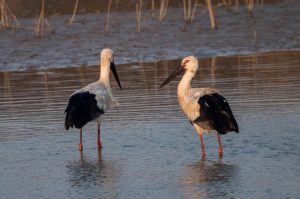




Is that an Alascan Lapwing?
No. The Alaskan subspecies of the Northern Lapwing has a tiny US flag tattooed onto the tertials, like a watermark. That would be illegal in China.