

Ripe fruits contain sugars such as glucose and fructose. Wild yeasts colonize these fruits and metabolize the sugars. Under anaerobic conditions, this fermentation process yields ethanol (C2H5OH) and carbon dioxide (CO2).
Fermentation persists widely in nature. As a result, rotting fruit, palm sap, and nectar may contain ethanol, typically in concentrations between 1% and 3%, and occasionally higher in warm or concentrated conditions.
Many frugivorous birds regularly ingest fruit containing low levels of ethanol, sometimes with disastrous consequences for the birds involved.
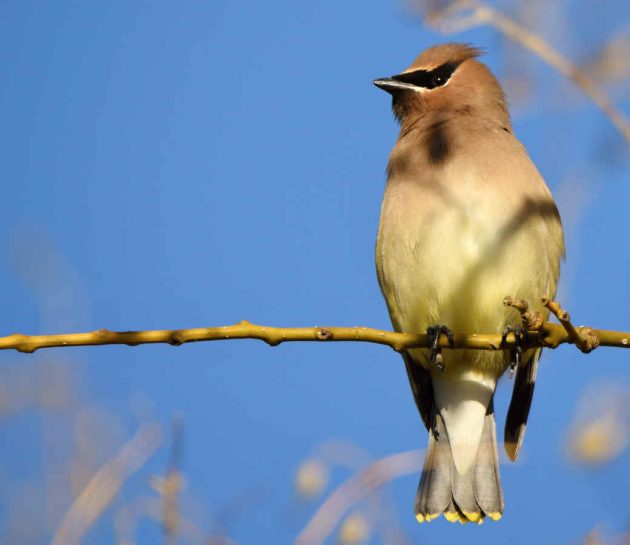
In one documented case, several Cedar Waxwings fell from a rooftop and died after eating overwintering hawthorne. Ethanol was found in their organs, and the fall was ascribed to the ethanol consumption. Similarly, Cedar Waxwings died from collisions with solid objects after eating over-ripe berries of the Brazilian Pepper Tree – again, elevated ethanol concentrations were found, and the abstract ends with what could with a slight rephrasing be a warning against drunk driving: “The cause of death in these birds was trauma that resulted from colliding with hard objects when flying under the influence of ethanol.”.
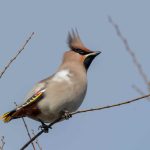
Cedar Waxwing
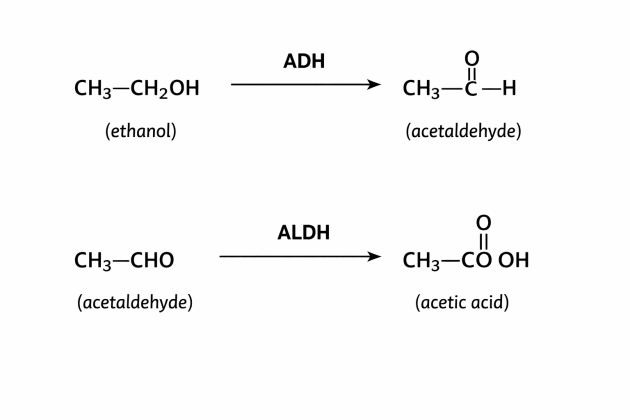
Ethanol is metabolized primarily through alcohol dehydrogenase (ADH), which converts it into acetaldehyde. Acetaldehyde is then oxidized by aldehyde dehydrogenase (ALDH) into acetate, which can enter standard metabolic pathways.
Some frugivorous species efficiently metabolize ethanol at low concentrations, suggesting that chronic exposure in natural diets may have exerted selective pressure favoring biochemical tolerance. Bohemian Waxwings, which are adapted to eating berries, metabolized a test dose of 1g/kg ethanol. at a rapid rate of 900 mg/kg/h (source), much higher than two non-frugivorous species.
From an evolutionary perspective, this is logical. Ripe fruit provides carbohydrates, and overripe fruit adds ethanol. Tolerance to mild fermentation allows birds to access additional calories without severe physiological effects. Ethanol may even function as a chemical signal of fruit ripeness. Volatile ethanol compounds can indicate peak sugar availability, providing frugivorous birds with information relevant to foraging efficiency.
Severe intoxication in birds requires ethanol concentrations higher than those normally present in natural fruits. While freeze–thaw cycles can temporarily increase ethanol levels, most exposure results in mild effects, such as reduced coordination and slower reaction times. Even minor impairment can be significant for species that rely on rapid escape responses. Ethanol diffuses readily into tissues, including the brain, and alters neurotransmitter function. Birds are not immune to its effects, but some species appear better adapted to low-level exposure.
So, for birds (as well as for humans), ethanol is both a nutrient and a toxin. At low concentrations, it contributes metabolizable energy; at higher concentrations, it disrupts neurological function. Some bird species are better adapted to consume fermented fruits than others, but too much is too much for them as well.
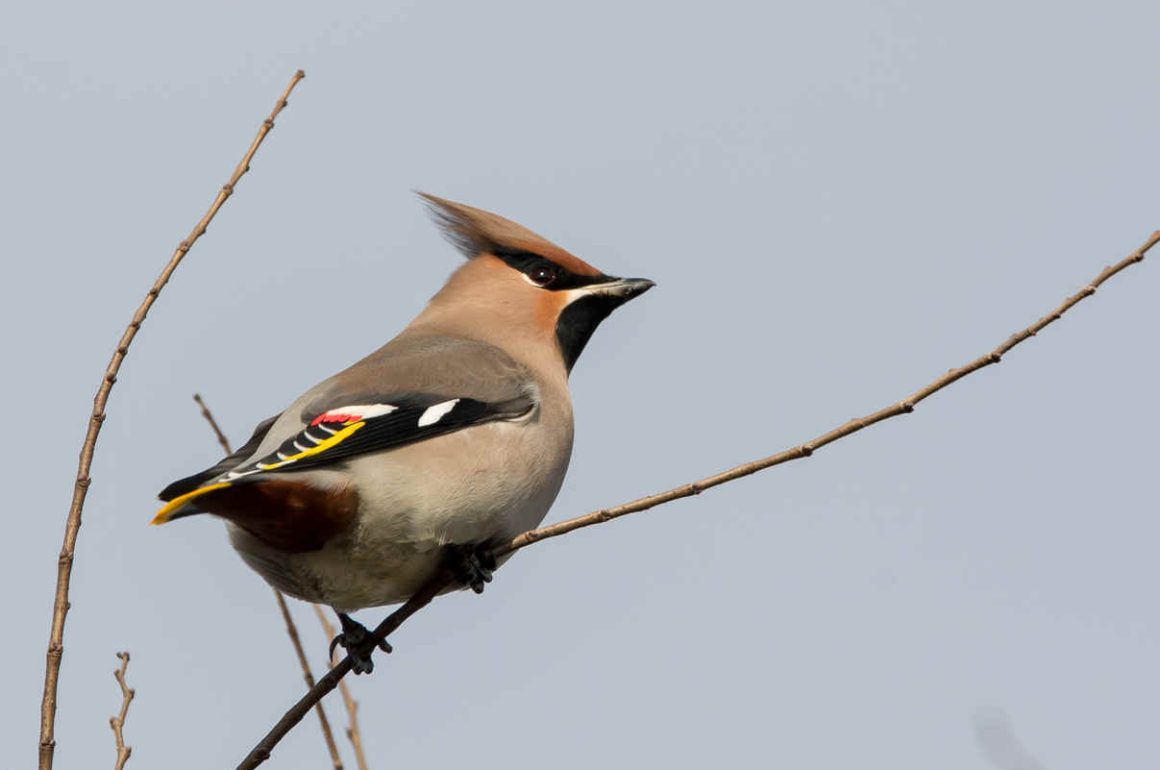
Cover Photo: Bohemian Waxwing










Leave a Comment