

Birding and activism are strange bedfellows. The Handbook of the Birds of the World (HBW) refers in one of the books to three categories of birders: hardcore and ornithologists, serious birders and the birdwatchers. For eco-tourism the second category is the most interesting as these people will wine and dine, engage local guides and book travel. Birdwatchers are least likely to travel to see birds and the first hardcore category only wants birds and will forego basic sustenance or shelter. Kenn Kaufmann doing a big year surviving on dog food, essentially. These people do not read my posts, so I will continue to address my customary readers (hi Mum!).
Recently, this website witnessed a polemical discussion in the comments section of a Location Profile on Sulawesi. Should birders be more concerned about conservation? I don’t believe the neo-liberal idea to let companies resolve all issues through their activities holds any truth. However, I do believe birders can contribute to a more diverse local economy. Pristine rainforest is pretty, but also pretty useless. Dig a mine in the middle of said forest and jobs are being created, value is generated (including corruption) and the economy grows. It’s a strong argument for development, but this type of development destroys the forest and with it, the birds.
Birders (and eco-tourists) will monetise the value of the pristine forest. Jobs will be created and value generated. Being of a more diffuse nature, this type of economic activity also reduces the potential for bribes and rent seeking. Next time you are traveling to see birds make a little list (you love lists) of all the people that have a job supporting you. Housekeeping, waiters, guides, drivers, baggage handlers, shop assistants, et cetera. Now realise they need to be supplied too: farmers, laundries, factories making the trinkets you bought. And all these people have dependents. Compare that with e.g. mine staffing. According to Google small-scale, narrow-vein mining can operate with 2–3 people, an average hard-rock underground mine may have around 100 people per shift and surface mines may operate with 11-person crews, or even 1–3 people in small operations. In 2020, there were about 300,000 miners in the United States. The US leisure and hospitality sector employs approximately 17 million people. In other words, if you want to protect the habitats in a developing country or region like Sulawesi, go birding!
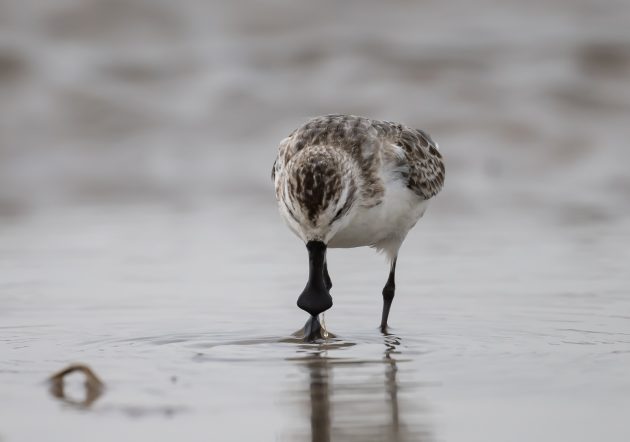
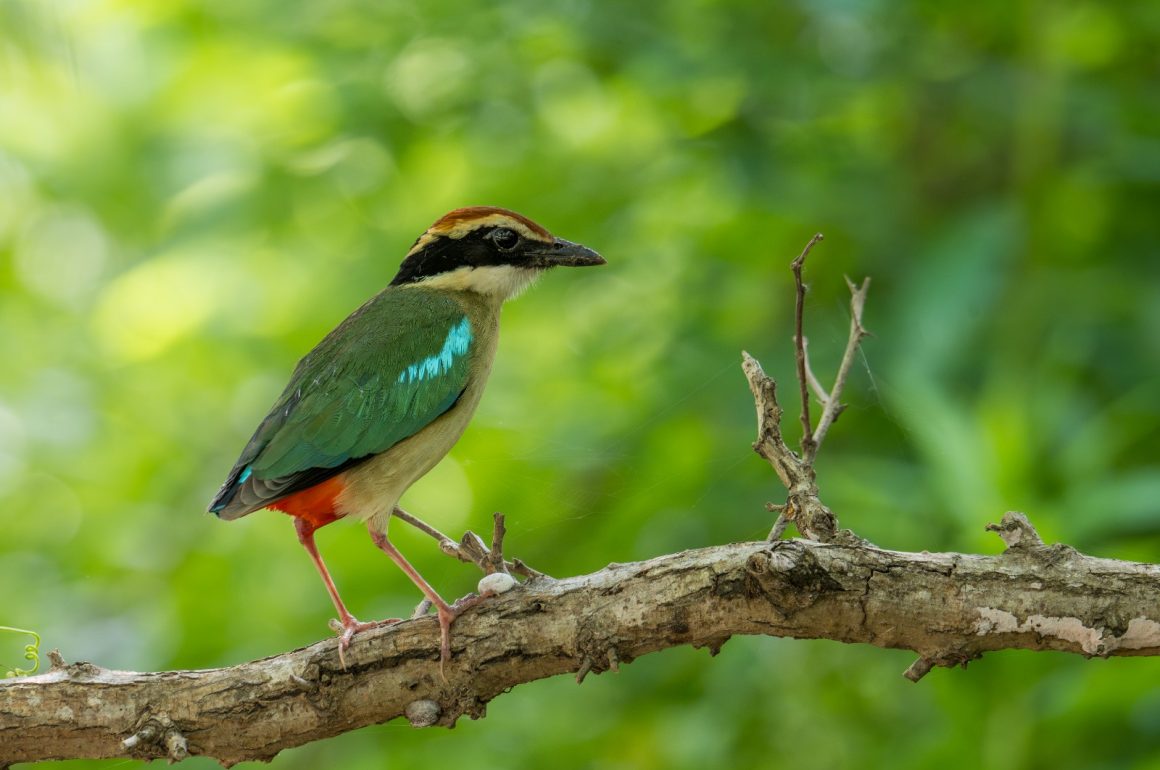
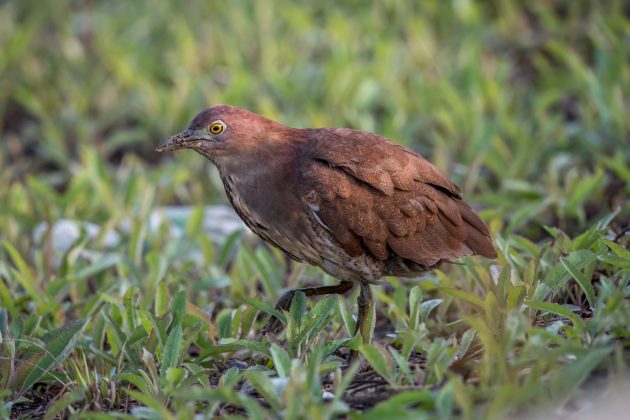
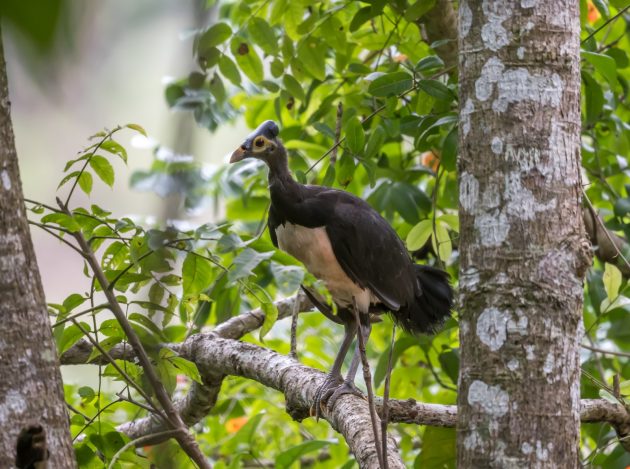
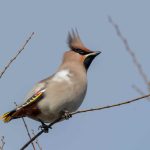
The pictures of endangered birds (including the Fairy Pitta in the header photo) were taken by Kai Pflug, bringing beauty and meaning to the readers of this blog. This post’s title has been optimised using Artificial Intelligence. It doesn’t contribute anything in terms of aesthetics, meaning, results or truth, but apparently that’s the world we want to live in.










So interesting. Before even reading Peter’s essay, I questioned, are birders really showing up at protests? Now I know the answer. No, but AI liked this title and, well, it certainly got me reading. This said, I like Peter’s analysis. Often, well usually when I am on a plane traveling to a distant destination for birding, I think about all of the pitfalls to travel and how I am contributing to the ills of the world. It’s a heavy feeling. I often think about the cost of things and how the price I pay is supporting those who made, built, grew, cleaned, laundered, etc. the products and efforts that made my trip possible. When it is cheap, I think great, I’m going to buy this or do that thing, etc. Then I consider how little the guy at the end of the long line is being paid. On a recent birding trip, the leader had a love affair with Magnum ice cream. More than once he purchased a Magnum for everyone on the trip. I had never had a “Magnum” and agreed that it was very good. But, ice cream makes me thirsty, so it was easy to decline future offers. Some months after this experience, I listened to an analysis by an economist break down the profit centers for the production of Magnum ice cream. Startling.
Here in the UK we almost certainly have more bird-tour companies than any other country in the world. Yet eco-tourism is frowned upon by, dare I say it, the more woke members of the birdwatching community. Our pioneering Birdfair, now called Global Birdfair, is boycotted by several of our leading conservation organisations, including the BTO and RSPB. The reason? Global Birdfair encourages people to fly round the world in search of birds, and flying (unless you have feathers) is not regarded as environmentally friendly. However, there’s no doubt that eco-tourism gives a value to birds, and leads to their habitat being protected.
Many years ago in Kenya I was asked by a local man why I had come to Africa to watch birds. “Don’t you have birds in your own country to look at?” he asked me. Birdwatching tourism helps educate local people about the importance of their birds, as well as bringing much-needed employment, and money, to poor rural areas. I am convinced that it is an important force for conservation.
Interesting how birders are getting involved in protests. I wonder if they feel a connection between nature conservation and social issues.
I have always felt a deep connection to birds and the need to preserv their environment. I participated in marches and written many letters to me editors of local newspapers. My friends in the local Audubon societie where I have live also feel very strongly a n d participate in protests.
Peter is correct, when he says if you want to help bird, go birding. When birding in Costa Rica, I noticed our guide doing everything to get his fellow Costa Ricans interested in ecotourism. He wanted them to learn that showing off the birds in their gardens,rather than trapping them, meant money in their pockets. He paid them for letting us come to their property. He took us to restaurants and lodges run by locals. I try to let people know I’ve come to an area to bird and spend money.
Are we allowed to leave two comments? I love this discussion and agree with each comment. There are a number of directions one can go with this. Two here I don’t think have been mentioned. My first long comment did not mention the benefits of global travel for the traveler. It opens the eyes of travelers/birders. In this way, I personally have benefitted more than I can say. While seeing birds may be the goal of an international trip (I become bored on trips that are without some purpose), the places where birders go offer so much more for those who care to see. The second thing is about birding companies and this is mentioned by Leslie. At least some are collaborating with local people to help birds and habitat preservation/restoration. It is important to contribute to such projects and spend money in such places (hotel, meal, a beer). Otherwise, birders are just barging in and trampling on the territory—possibly doing more harm than good. I’m always struck by what a luxury it is to have the love of birds and birding as a hobby/passion/profession, whichever category one falls into. Worldwide, most people do not have this luxury. Too busy working to makes ends meet.
Of course you can leave several comments!But it will be hard to break my own record of leaving about 60 comments on my own post – special times …
A reply to David’s and Cathy’s point about flying and NGOs boycotting eco-tourism events: there is a tendency to drag climate change into every debate or environmental issue. I am the last person to deny the existence of climate change and its effects but when EVERYTHING is climate change, well NOTHING is anymore. Climate fatigue. More importantly, our birds face much more pressing and immediate threats in the form of habitat destruction, land use change and the disappearance of insects from much of the developed world. Eco-tourism helps with jobs and livelihoods, it’s real and not abstract impact.