

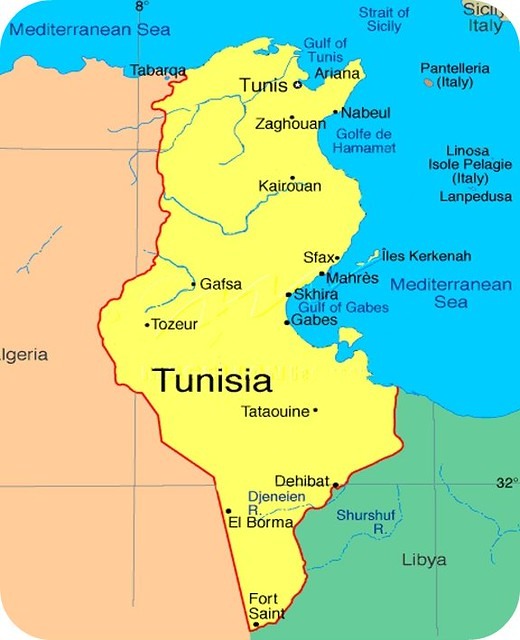
Highlights
Discover a hidden paradise for birdwatchers where the Mediterranean meets the Sahara. Tunisia offers an astonishing diversity of ecosystems packed into a compact, easily accessible country. From the lush cork oak forests of the north—home to secretive woodland species—to the expansive arid landscapes and desert dunes sheltering specialized desert birds, every habitat tells a unique story. Along the coast, rich intertidal zones and coastal lagoons draw impressive numbers of wintering waders and shorebirds, making Tunisia a critical crossroads for Eurasian migrants. Whether you are scanning shallow saltpans for delicate shorebirds or tracking elusive species through dry steppes, Tunisia delivers an unforgettable birding experience at the edge of two continents.
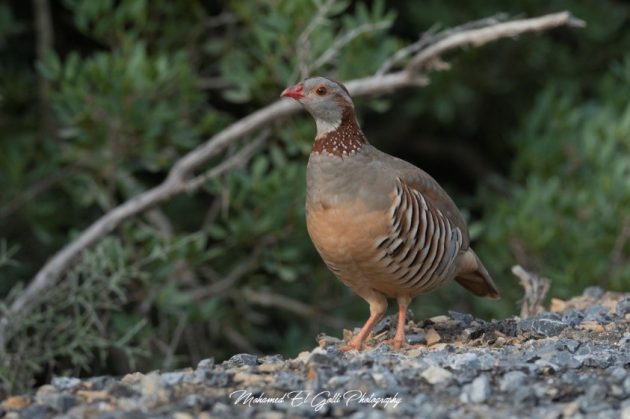
Barbary Partridge
Key Bird Species and Families
North African Endemics & Regional Specialties
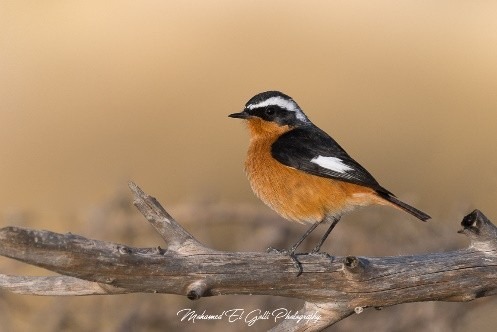
- Moussier’s Redstart (Phoenicurus moussieri): A stunning, highly sought-after endemic of Northwest Africa. The male’s striking rufous, black, and white plumage makes it a crown jewel for visiting birders.
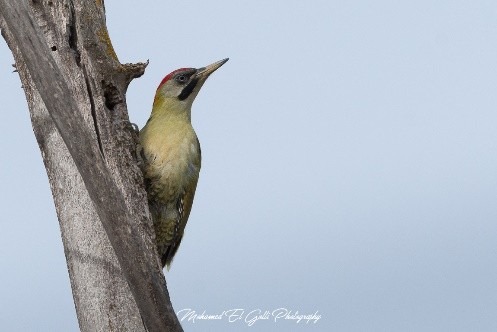
- Levaillant’s Woodpecker (Picus vaillantii): Confined to the damp cork oak and cedar forests of the Maghreb, this vibrant green woodpecker is a true target species for forest birding in the north.
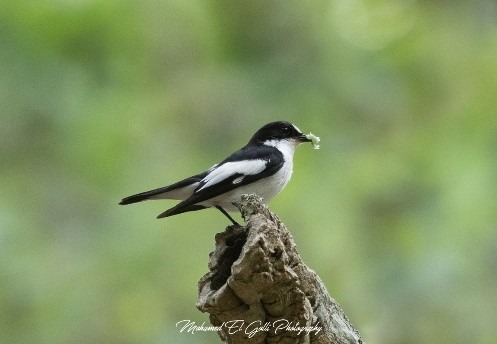
- Atlas Pied Flycatcher (Ficedula speculigera): Breeding in the northern woodlands, this recent species split from the European Pied Flycatcher is an essential tick for regional lists.
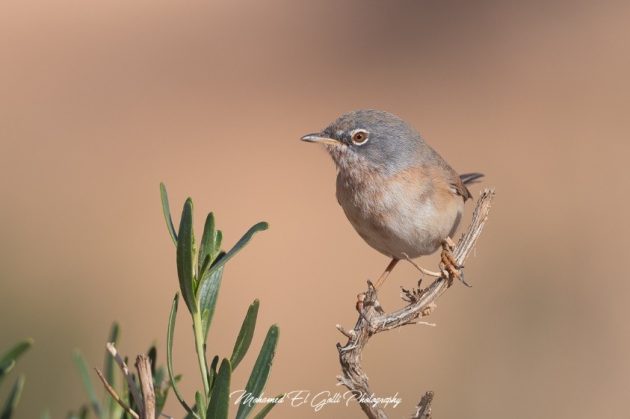
- Tristram’s Warbler (Curruca deserticola): A delicate, rufous-toned warbler adapted to arid scrub, dry stony hillsides, and semi-desert slopes.
- Barbary Partridge (Alectoris barbara): The iconic gamebird of North Africa, frequently encountered in scrublands, rocky hills, and forest edges.
- Maghreb Magpie (Pica mauritanica): Instantly recognizable by the bare patch of bright blue skin behind its eye, this distinct species frequents open woodlands and agricultural areas.
- Maghreb Wood Owl (Strix mauritanica): A nocturnal specialty of mature woodlands and rocky gorges, newly recognized as a distinct species from the Tawny Owl.
Moussier’s Redstart
Diverse Wheatears (Oenanthe) & Larks (Alaudidae)
Tunisia is a true paradise for open-country specialists, hosting an incredible variety of larks and wheatears across its steppes and deserts:
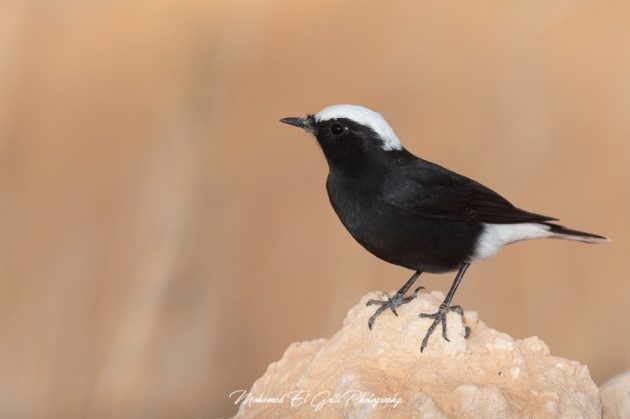
- The Wheatears: Keep an eye out for the endemic Maghreb Wheatear (Oenanthe halophila), alongside arid-zone masters like the Desert Wheatear, Red-rumped Wheatear, White-crowned Wheatear, and Mourning Wheatear.
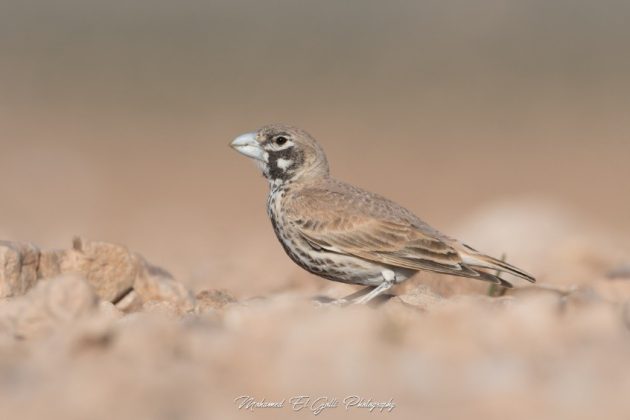
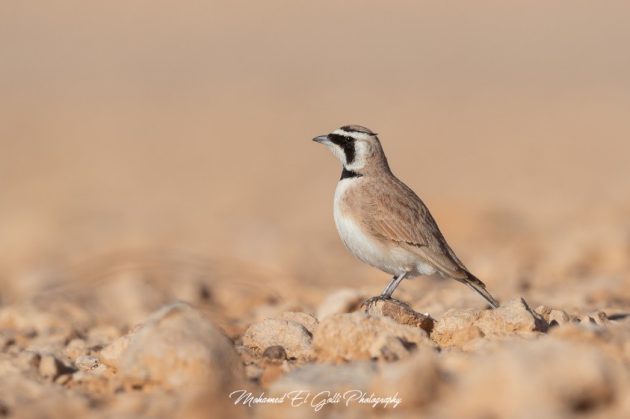
- The Larks: The dry landscapes buzz with activity from species such as the Thick-billed Lark, Temminck’s Lark, Bar-tailed Lark, Desert Lark, and Greater Hoopoe-Lark—famous for its dramatic aerial display flights.
White-crowned Wheatear
Desert & Arid Zone Predators
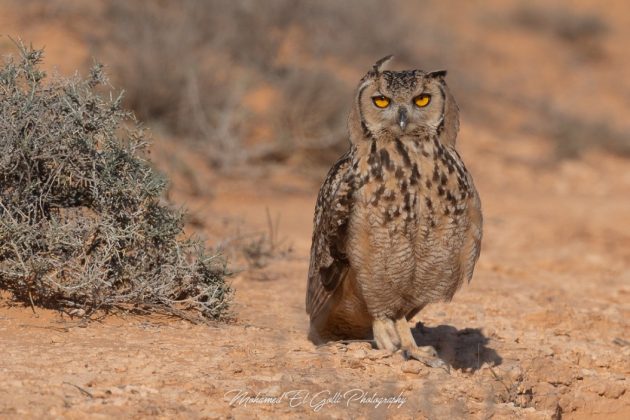
- Pharaoh Eagle-Owl (Bubo ascalaphus): A massive, formidable nocturnal predator of desert cliffs, wadis, and ancient ruins.
- Desert Grey Shrike (Lanius elegans): A striking, pale raptorial songbird often seen perched atop desert thorny bushes or wires watching for prey.
Pharaoh Eagle-Owl
Rare & Threatened Waterfowl
Tunisia’s coastal lagoons, saltpans, and inland wetlands serve as crucial strongholds for globally threatened waterbirds:
- White-headed Duck (Oxyura leucocephala): A globally endangered stiff-tailed duck that finds key wintering and breeding grounds in Tunisian wetlands.
- Ferruginous Duck (Aythya nyroca)
- Marbled Duck (Marmaronetta angustirostris): A vulnerable species that relies heavily on Tunisia’s temporary shallow lakes and coastal marshes.
White-headed Duck

Best Regions for Birding
Tunisia’s compact size packs an incredible range of distinct habitats, each hosting its own unique birdlife.
- The Humid North & Oak Forests: Dense mountain woodlands like Ain Draham, ideal for forest endemics like Levaillant’s Woodpecker, Atlas Pied Flycatcher, and Maghreb Wood Owl.
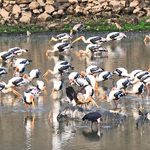
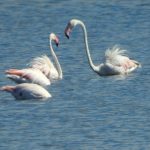
- Wetlands & Intertidal Zones: UNESCO site Lake Ichkeul and coastal lagoons (Cap Bon, Sfax), holding massive flocks of Greater Flamingos, wintering waders, and rare ducks (White-headed, Ferruginous, Marbled).
- Central Arid Steppes: Stony plains and reserves, home to Moussier’s Redstart, Barbary Partridge, Desert Grey Shrike, and specialized raptors.
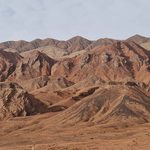
- The Sahara & Oases: Deep desert dunes and palm groves around Tozeur and Douz, the ultimate territory for Pharaoh Eagle-Owl, Greater Hoopoe-Lark, Temminck’s Lark, and Desert Wheatear.
Atlas Pied Flycatcher
Best Birding Season
March – May (Spring Migration & Peak Diversity): The absolute prime time for birding in Tunisia. Spring brings the most intense northbound migration, allowing you to observe the maximum number of species as millions of birds cross the Mediterranean, alongside actively breeding local endemics.
September – November (Autumn Migration): A steady, more relaxed post-breeding movement of Eurasian migrants, offering great opportunities for quality sightings along coastal flyways and key stopover sites.
Thick-billed Lark
November – February (Wintering Season & Desert Birding): Vast numbers of waterfowl and waders arrive from Northern Europe and Siberia to feed in Tunisia’s milder climate.
- Desert Highlights: Mild, sunny winter weather makes this the best time to target southern Saharan specialists.
- Photography Golden Period: Low sun angles provide the softest, highest-quality natural light of the year—an absolute dream for wildlife photographers.
Tristram’s Warbler
Birding Trip Suggestion(s)
1. Tunisia Sunny Winter Tour
- Duration: 6 Days / 5 Nights (Late December)
- Focus: Desert Specialists, Wintering Waterfowl & Intertidal Shorebirds
- Overview: Designed to take full advantage of Tunisia’s mild, crisp winter sun, this circuit focuses primarily on the dramatic landscapes of the South. From sand dunes, palm oases, and saltpans (chotts) to the extensive intertidal mudflats of Djerba Island, you will cover a vast variety of habitats teeming with wintering birds.
- Key Species: Desert Sparrow, Temminck’s Lark, Greater Hoopoe-Lark, Thick-billed Lark, African Desert Warbler, Tristram’s Warbler, Moussier’s Redstart, Maghreb Wheatear, White-crowned Wheatear, Trumpeter Finch, Marbled Teal, White-headed Duck, Ferruginous Duck, Eurasian Dotterel, Bonelli’s Eagle, and Long-legged Buzzard.
Levaillant’s Woodpecker
2. Spring Migration & Endemics Grand Tour
- Duration: 8 Days / 7 Nights (Early April)
- Focus: Active Spring Migration, Desert Specialties & Northern Forest Endemics
- Overview: The ultimate comprehensive birding tour covering North-to-South contrasts at the absolute peak of spring migration. Millions of trans-Saharan migrants pass through alongside active breeding resident species. Special emphasis is given to the humid oak forests of the North, home to distinctive North African endemics and unique regional subspecies (many slated for future taxonomic splits).
- Key Species: Levaillant’s Woodpecker, Atlas Pied Flycatcher, Maghreb Wood Owl, Barbary Partridge, Moussier’s Redstart, Pharaoh Eagle-Owl, various migrant warblers, flycatchers, and raptors, alongside the full suite of Saharan larks and wheatears.
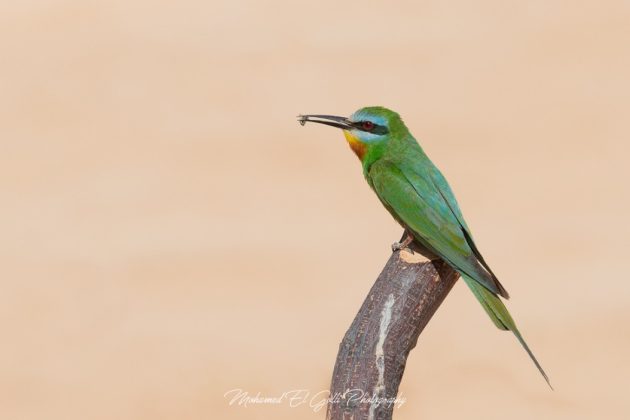
Blue-cheeked Bee-eater
3. Customized Day Excursions
- Duration: 1 Day (Flexible departures)
- Base Locations: Departures available directly from Tunis, Bizerte, Hammamet, or Sousse.
- Focus: Targeted Ecosystem & Micro-Habitat Birding
- Overview: Ideal for travelers with limited time or those combining birding with a broader holiday.
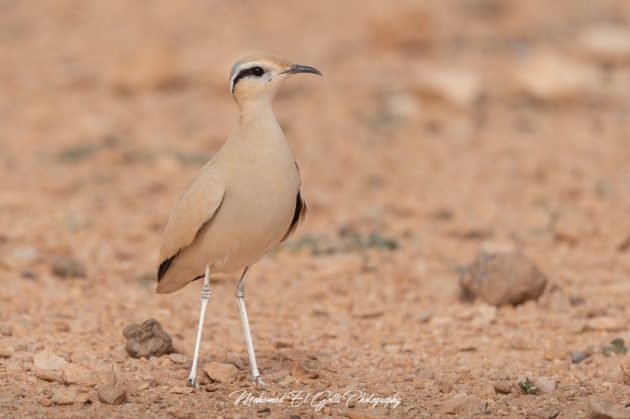
Cream-colored Courser
Practical Tips
- Clothing & Vegetation (Spring & Summer): Avoid wearing shorts, even in warm weather. Long, breathable hiking pants are essential to protect your legs against dry, thorny Mediterranean vegetation and dense desert scrub.
- Layering for the Sahara (Winter): Desert temperatures fluctuate dramatically. Pack lightweight clothing for mild, sunny afternoons, but bring warm layers (jacket, beanie, fleece) for early mornings and cold desert evenings, when temperatures can drop near
.
- Sun Protection: The North African sun is strong year-round. Always pack sunblock, sunglasses, and a wide-brimmed hat—especially for spring, summer, and autumn outings in open habitats, saltpans, and dunes.
Books
The Collins Bird Guide by Lars Svensson, Killian Mullarney, and Dan Zetterström is widely considered the finest and most complete field guide for identifying birds in North Africa.
Temminck’s Lark
Links
https://tunisiabirdwatching.wordpress.com/
By Mohamed El Golli
Mohamed El Golli is a bird guide based in Tunisia. He can be reached at prof.elgolli@gmail.com
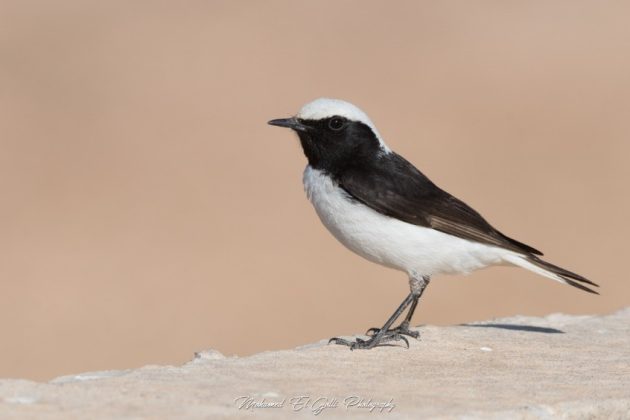
Mourning Wheatear
Map: “Tunisia Map” by PilotGirl is licensed under CC BY-NC-SA 2.0.








Nice profile. I saw my first hoopoe in Tunisia when I was a kid. Lovely people too.