

First, a disclaimer: If you really want to see beautiful fall foliage, go to New England. Do not come to central Mexico. Some central Mexican trees are partially deciduous, but they tend to lose their leaves in the spring, when our dry season is at its height, rather than in the fall. And even when they do drop, those leaves simply turn brown.
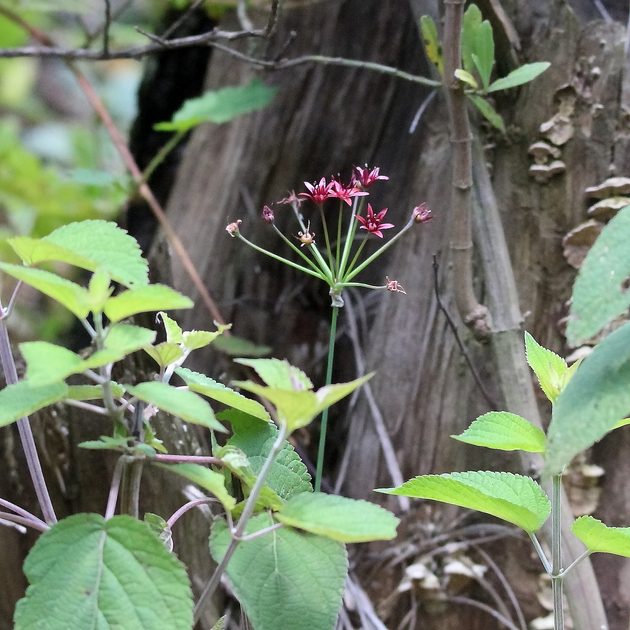
Having said that, fall can be a very colorful time in central Mexico. First, this is our peak wildflower season. Since our monsoon rains here coincide with the warmth of summer, every plant here takes advantage of both to do the bulk or all of their annual growth during this summer season. And as the end of the rains approaches in September and October, these plants take their payoff by blooming and setting seed all at the same time. Here are a few of the flowers and fruits I saw on my latest outing, to a site just outside of Morelia named Las Mesas:
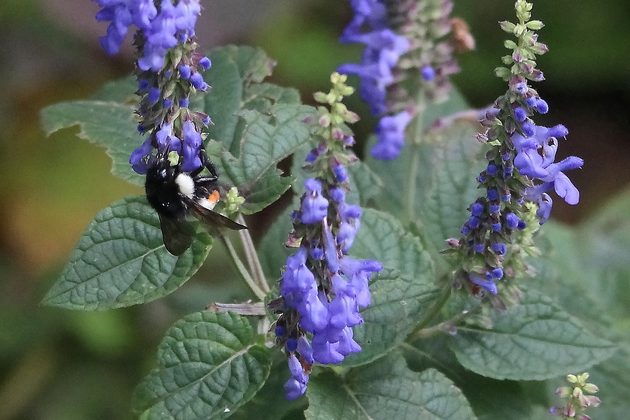
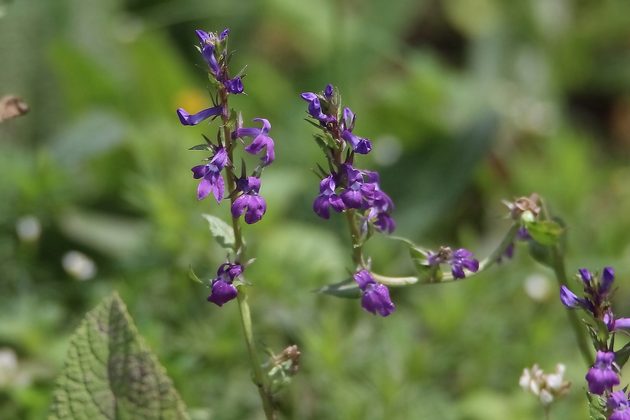
Sages are everywhere, including this one with small flowers and a large bumblebee.
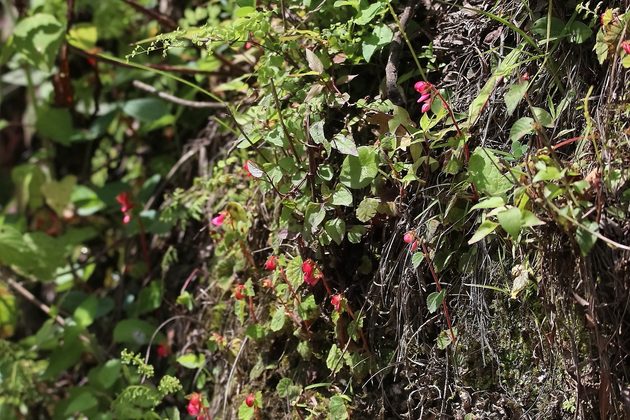
This vertical wall sported begonias that were no more than a few inches tall at full maturity.
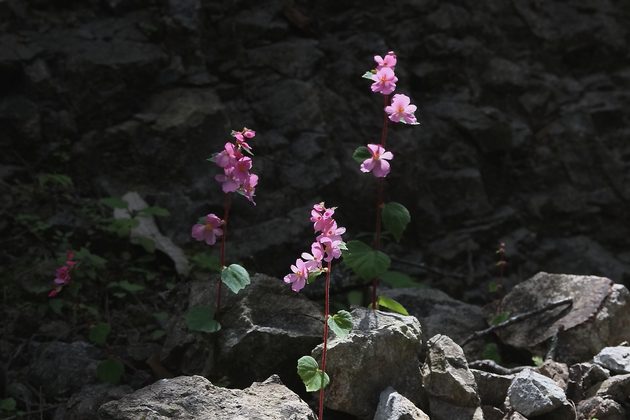
These larger begonias let you know where the fibrous begonias in your garden came from.
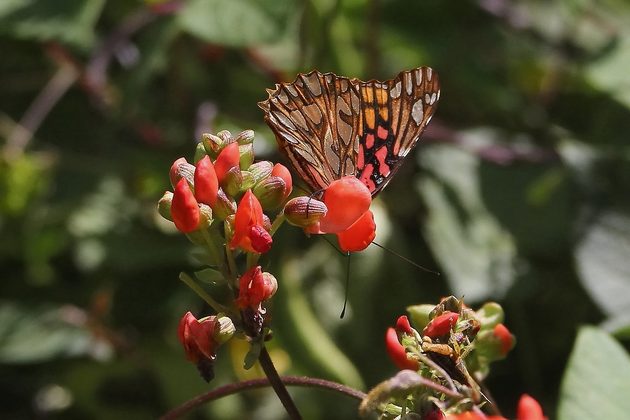
If you have ever grown scarlet runner beans, they also came from the wilds of Mexico.
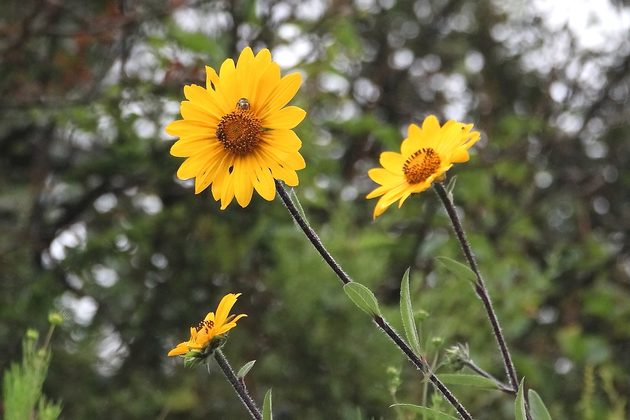
Sunflowers are part of the American side of the Columbian Exchange as well.
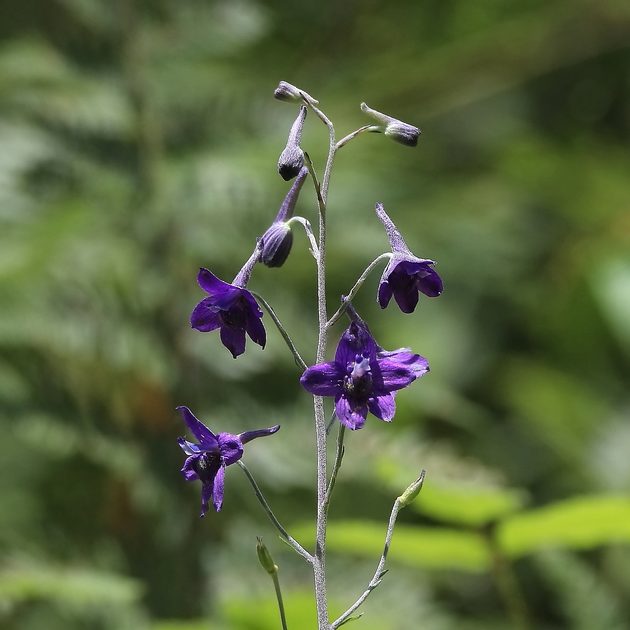
These delphiniums are among my favorite fall wildflowers.
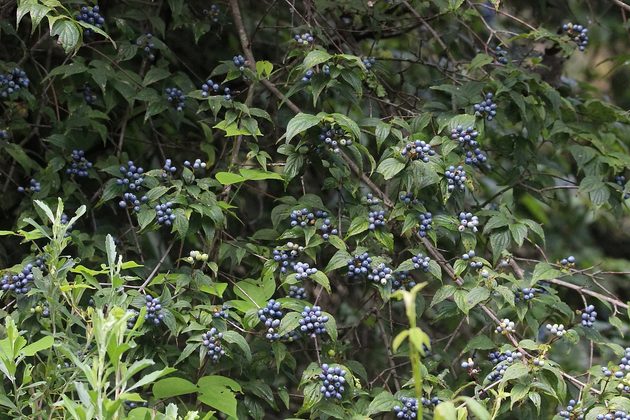
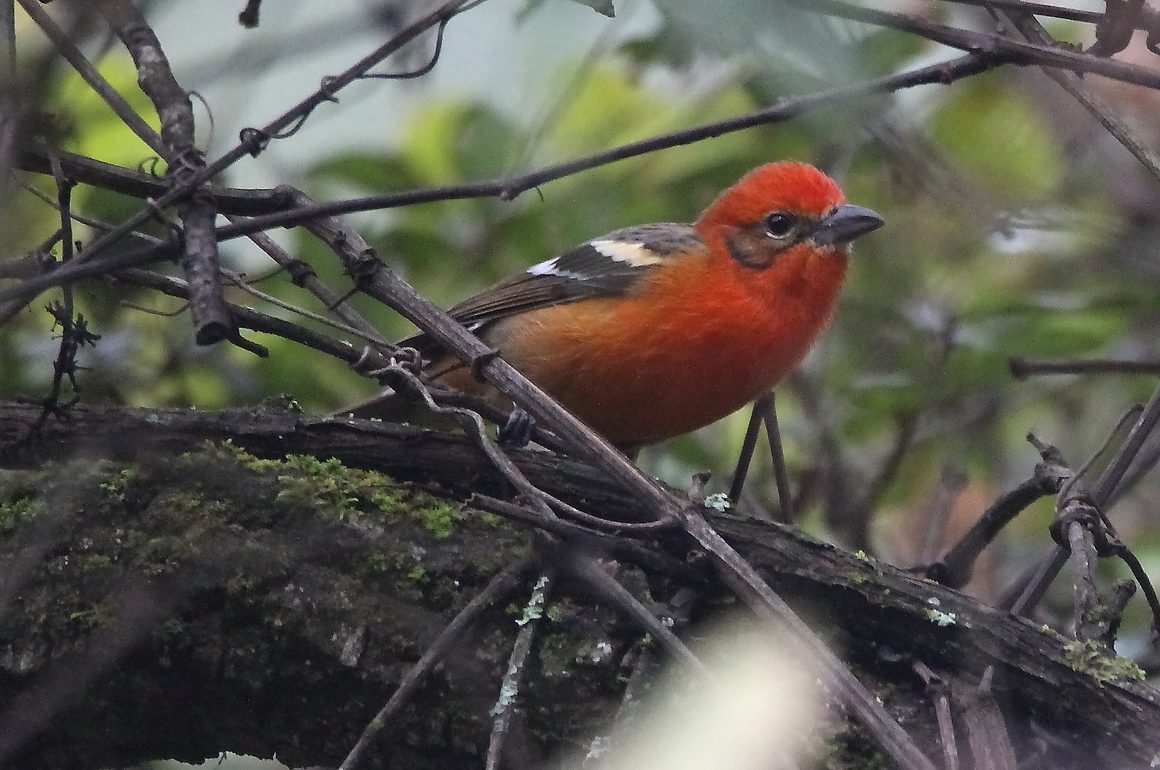
The abundant fruits on this dogwood, Cornus excelsa, proved to be attractive for our endemic Red-headed Tanagers as well as other birds. I took some seed home with me to see if they might sprout there; I think it would make a wonderful garden plant.
All these plants flowering and fruiting provides the opportunity for some good birding. At the same time, fall is when a large number of northern breeders arrive to spend the winter here. On this latest outing, it seemed like most of them sported those same “fall” colors our local plants deny us: yellows, oranges and reds. Oddly enough, this was especially true for our locals, rather than the fall migrants that are arriving.
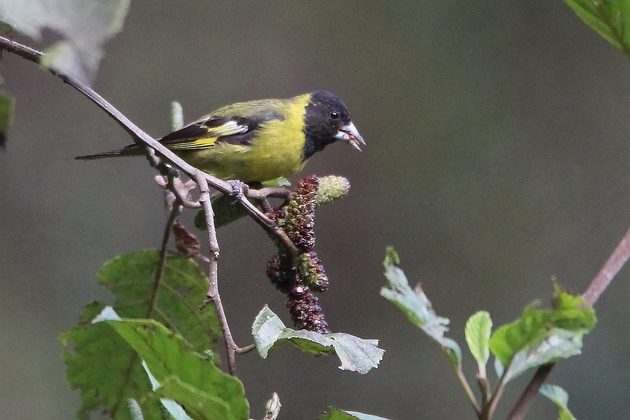
Black-headed Siskins are among my favorite local residents.
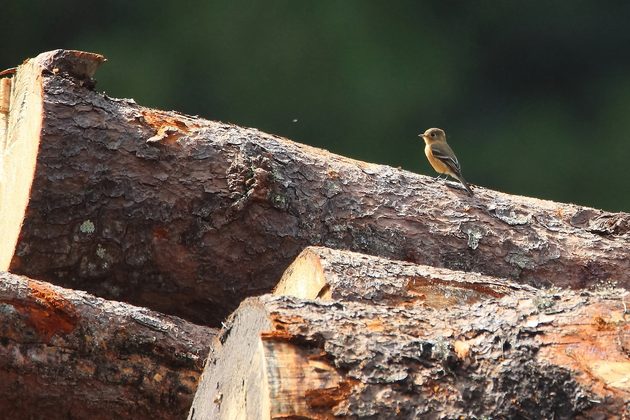
Unfortunately, this large pile of pine logs reflects widespread damage from pine borers, a serious and growing problem in Michoacán’s woods. But this resident Buff-bellied Flycatcher looked fetching there.
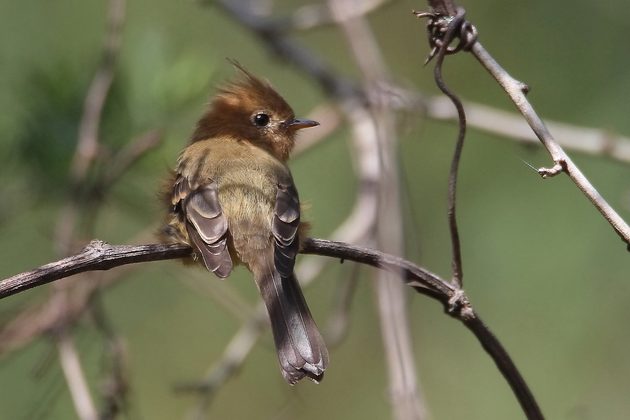
Abundant resident Tufted Flycatchers sport a similar color scheme, but with a cool crest.
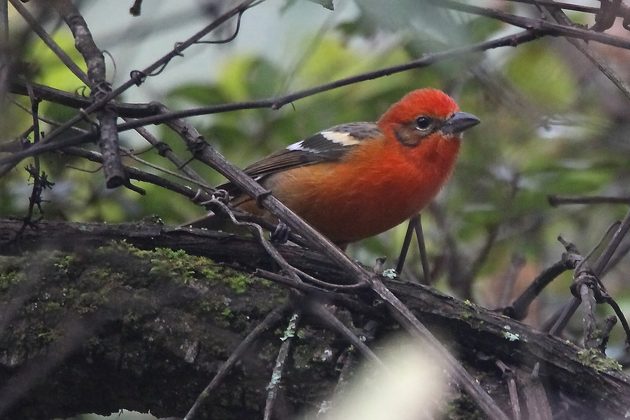
Flame-colored Tanagers are among our most autumnal-looking residents. The females have yellow where this male has orange, which also works autumnally.
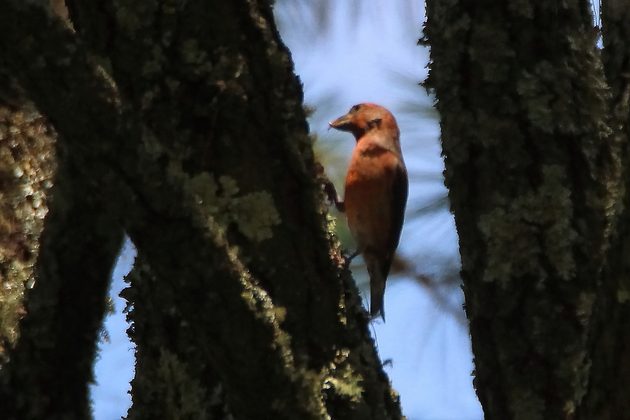
Unlike all of the above species, which are residents only in Mexico, Mexico to Central America, or Mexico to northern South America, the Red Crossbill is found throughout the northern hemisphere. And some are migratory. Mexico’s Crossbills, however, are also residents.
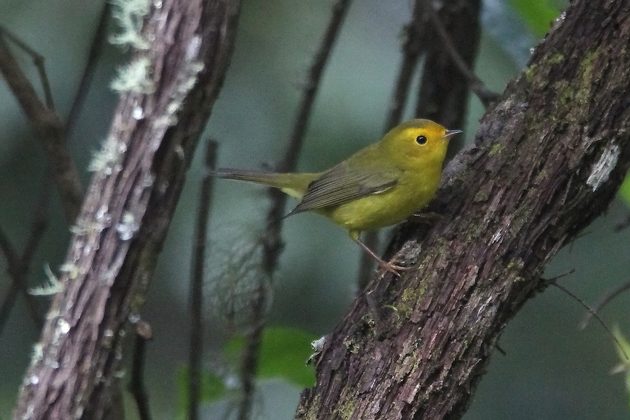
This Wilson’s Warbler was the only recently-arrived colorful fall migrant to give me a good photo. Males sport brighter colors and a jaunty black cap. But I rather liked the subtle colors of this female.
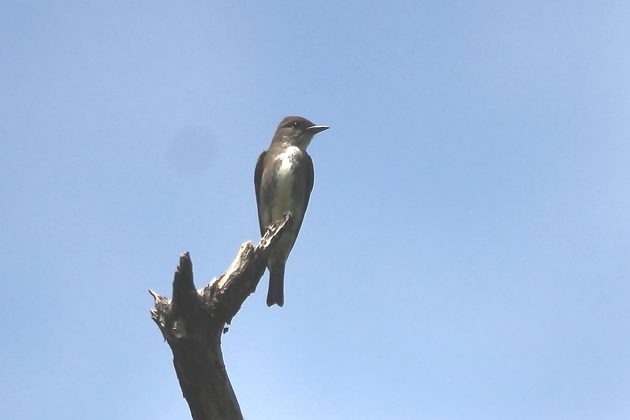
No fall colors here. But one thing I know about the Olive-sided Flycatcher is that when I see one in Michoacán, it will almost certainly be in September. They breed in the U.S. and Canada and winter in South America, but only seem to stop over here in the early fall. Mexicans call them Mosqueros de Chaleco, or Flycatchers with Vests, for obvious reasons.
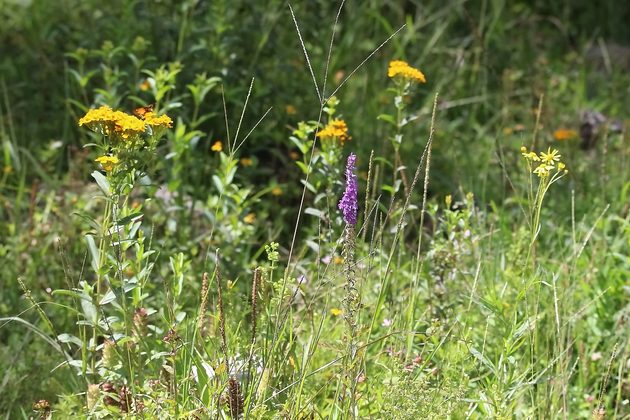
If you’ve dreamed of visiting Mexico, you should seriously consider October or November.









Leave a Comment