
Start with a note for the sticklers who will – reading the headline – itch to write down a comment along the lines of “all birds are dinosaurs”: please keep that comment for yourself. And think about how search engine optimization would be affected if the headline was changed to “Five Birds that are dinosaurs and even look like dinosaurs, which is not very surprising as they are dinosaurs”. Thank you for your attention.
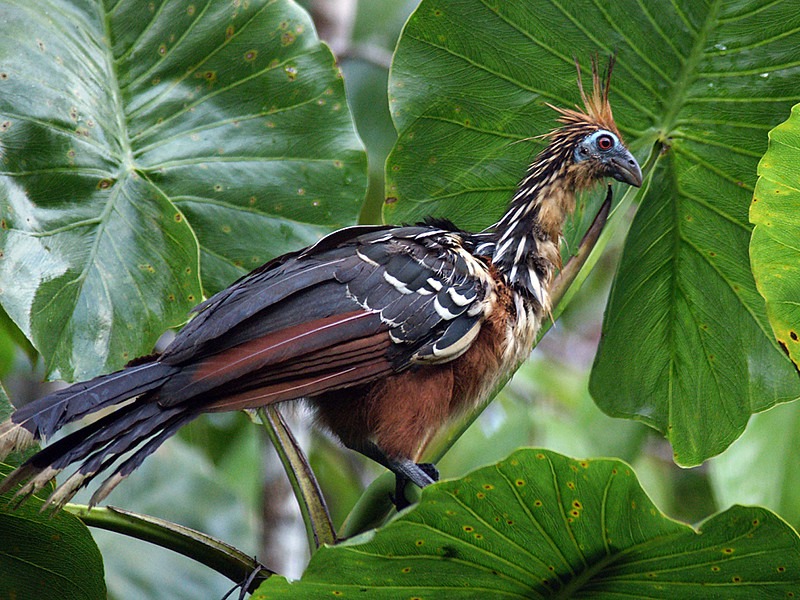
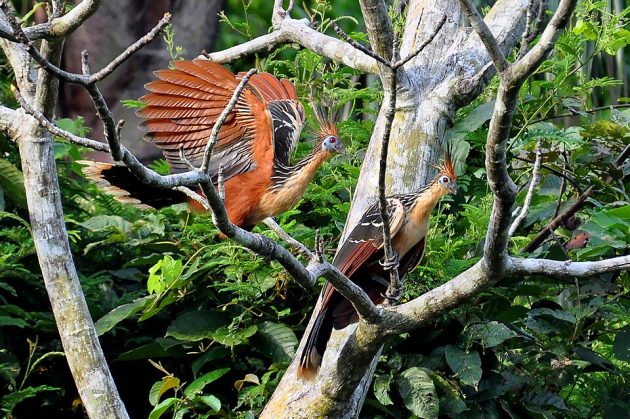
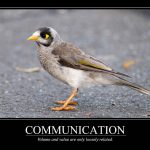
Where were we? Right. For some reason, whenever there is a list of weird birds to be prepared, the Hoatzin is almost certain to appear on it. In this case, because it looks like a dinosaur (see above).
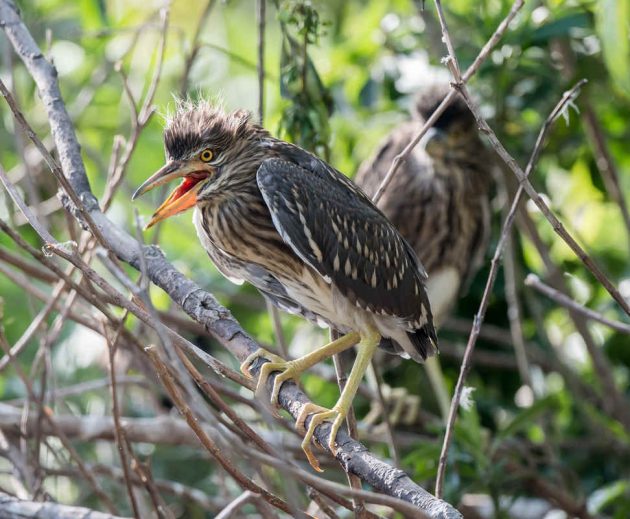
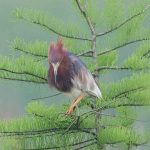
In my own birdwatching, the resemblance was the most striking for juvenile Black-crowned Night Herons, as seen in Shanghai.
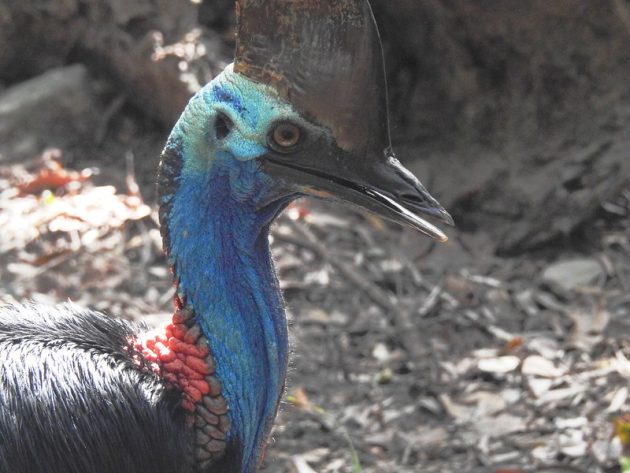
Southern Cassowaries are not only flightless (good for dinosaur imitation) but also have the big legs, small wings, and robust bodies associated with dinosaurs. Moreover, they give a bit of a Jurassic Park vibe as they are capable of inflicting serious injury, with at least one documented fatality. The news of this event gushed over the “with knife-like claws” of the bird.
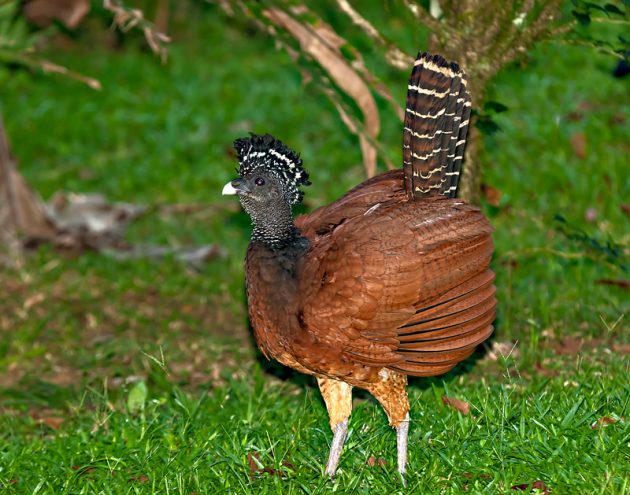
The Great Curassow looks like a feathered dinosaur reconstructed from bones by a taxidermist who, in his spare time, also creates expressionist paintings. And indeed, a Facebook page titled Wildlife Planet claims, “This bird looks like it walked straight out of the age of dinosaurs.”
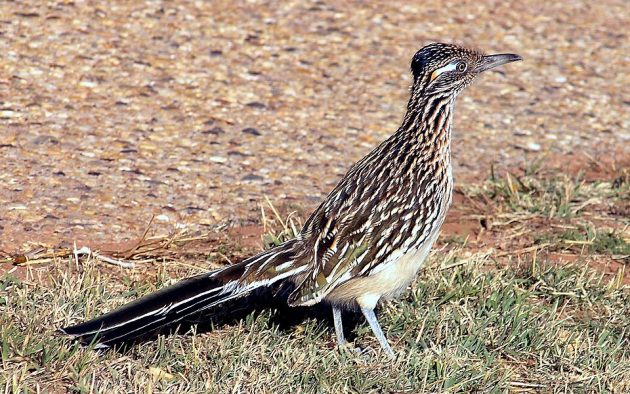
Finally, the Greater Roadrunner resembles a Velociraptor dinosaur from Jurassic Park. In an article written by the digital editorial director of Audubon magazine, he writes, “Roadrunners look and move like modern dinosaurs, as if they are tapping into some long-lost remnant of velociraptor DNA”.
So, dear comment writers, better address your “birds are dinosaurs” comments to him, not to me.
Photo Credits:
“Hoatzin (Opisthocomus hoazin)” by David Cook Wildlife Photography is licensed under CC BY-NC 2.0.
“Hoatzins in Brazil” by Cláudio Dias Timm from Rio Grande do Sul is licensed under CC BY-SA 2.0.
“4489ex P900 Southern Cassowary” by jjjj56cp is licensed under CC BY-NC-SA 2.0.
“Great Curassow” by dreed41 is licensed under CC BY-NC-SA 2.0.
“Geococcyx californianus” by drumguy8800 (xvisionx.com) is licensed under CC BY-SA 3.0.




Stickler comments withheld
Okay, for me, this is a memory edition of 10,000 Birds. I saw the Hoatzin in Peru. It was only my second international birding trip and, obviously, I was quite a novice for this kind of birding. For me falling was one of the perils of birding in Peru. To see the Hoatzin we, about eight of us in the group, tromped though a badly degraded forest over partially burned branches laying thickly on the forest floor. I was so stunned by the appearance of the Hoatzin that I neglected to pay attention to my footsteps over the layer of burned branches. I fell, not once but twice, and ended up as filthy with charcoal as one can imagine. These two falls were the middle falls. The first was stepping back over a cliff (those who have birded in Peru will understand the significance of this) while trying to show a special hummingbird to another participant. This time I was saved only by a thick layer of vines, branches an weeds that caught me as I landed on my back, legs splayed apart, about six feet below the edge. I looked up at my colleague appearing from the edge above and the look on his face said everything. He helped me out of my predicament and once I was back on sold ground we looked at each other, and so great was our relief, we both burst out laughing. Perhaps 50 yards further down the path, and standing safely from the edge, I peered over and saw nothing but air and tiny trees below. My final fall was, in comparison, anticlimactic. I tripped as I was stepping up for my turn at the scope to see one of the cotingas—forget which.
I will say you missed emu and particularly Shoebill!