

In this new series, we profile global organizations active in bird conservation. Please contact us if you run such an organization and are interested in being featured here. Thanks from us to everyone involved in this kind of work!
Could you introduce your organization and the main conservation work you do?
Armonía (Asociación Civil Armonía) is a Bolivian nonprofit founded in 1996 by a small group of biology students in Santa Cruz de la Sierra. Our mission is to prevent the extinction of Bolivia’s most threatened and endemic bird species. Thirty years on, we work across five landscapes—the Beni Grasslands, the Yungas, the High Andes, the Inter-Andean Dry Valleys, and Amazonia—plus a nationwide program, with a team of more than 65 staff. Our work rests on six pillars: species protection; management of key sites, including our own reserves, Barba Azul and Laney Rickman in the Beni; community empowerment; public awareness; long-term sustainability through birdwatching tourism and sustainable ranching; and science for conservation.
Is there a particular project, species, or place you’d like to tell our readers about?
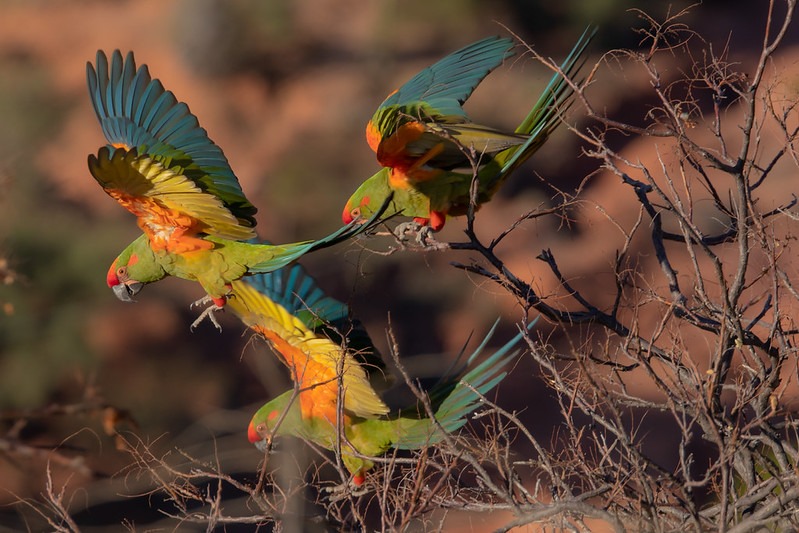
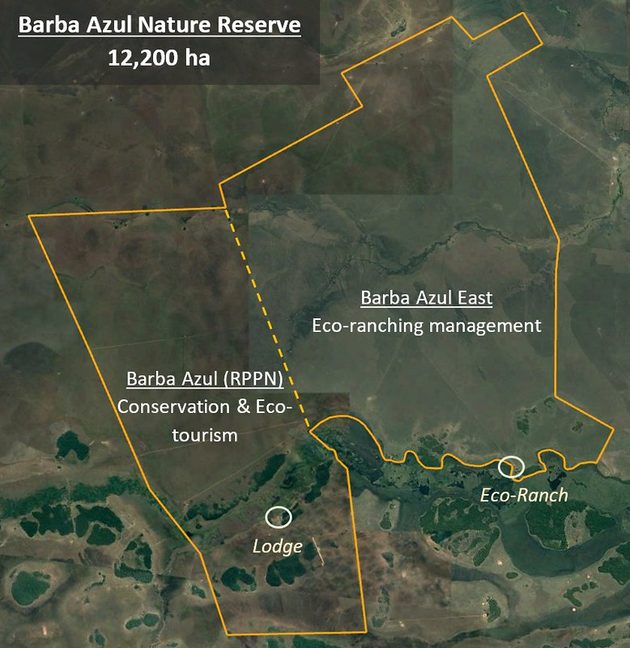
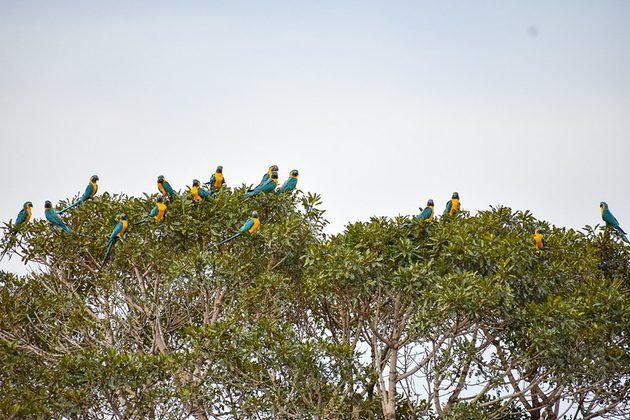
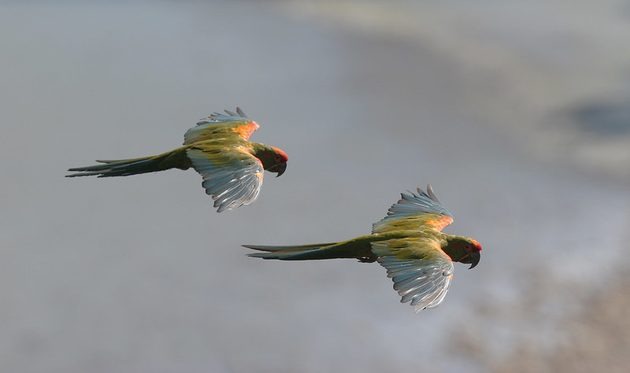
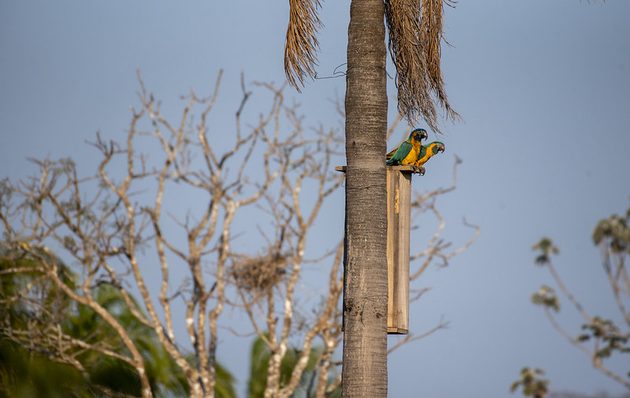
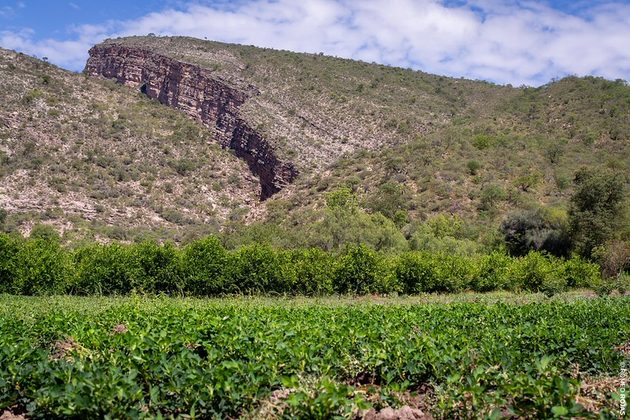
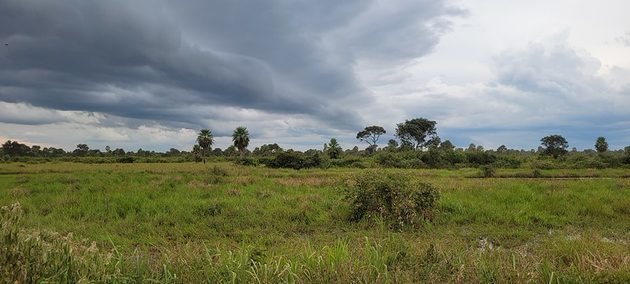
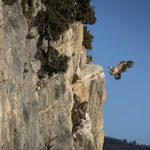
Our flagship species for 2026 is the Critically Endangered Blue-throated Macaw (Ara glaucogularis), once believed to be almost extinct. It is our flagship this year because the second global census, led by Armonía in 2025—exactly ten years after the first census in 2015—confirmed that its wild population has nearly doubled over that decade, from 312–455 individuals to 623–785. Barba Azul Nature Reserve in the Beni savannas protects key habitat for the species, and our nest-box program at the Laney Rickman Nature Reserve has fledged a total of 184 Blue-throated Macaw chicks since 2005, with 2026 marking the program’s third record breeding season. Barba Azul Nature Reserve is also a WHSRN site of hemispheric importance for the Buff-breasted Sandpiper, with counts of more than 1,400 birds. We would also love readers to know about the Red-fronted Macaw Community Nature Reserve in the Inter-Andean Dry Valleys, Bolivia’s first community-run birdwatching destination, where two new photography hides now sit on and below the species’ most important breeding cliff.
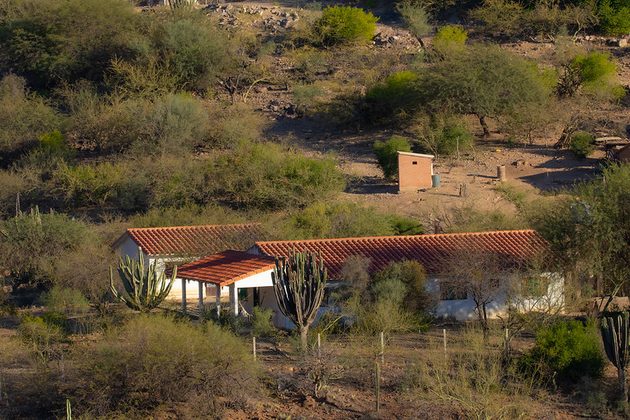
We are especially keen to tell your readers more about the birdwatching tourism options at the reserves of Bolivia’s two endemic macaws. Barba Azul Nature Reserve, in the Beni savannas, is a private reserve owned and managed by Armonía. Visitors come from around the world to see the Blue-throated Macaw alongside the grassland wildlife of the Beni, such as the Maned Wolf. The reserve is best reached by charter flight from Trinidad, and Armonía arranges local transport when you book. The Red-fronted Macaw Community Nature Reserve, in the municipality of Omereque (Cochabamba), is run by three Quechua communities: San Carlos, Perereta, and Amaya. Its lodge welcomes visitors year-round, guided by community members who once trapped the birds they now show, and the new hides let photographers work within meters of active nests. Visitor fees stay with the communities.
Watch our videos on Armonía’s YouTube channel:
What are the biggest challenges facing birds or their habitats in the areas where you work?
Habitat loss is the main threat: the conversion of native savannas and forests to intensive agriculture, deforestation, and wildfires. On the southern slope of Tunari National Park alone, almost 350 fires burned more than 9,000 ha in a decade. Illegal trafficking has historically been the second-largest threat to Bolivia’s parrots. Some species also come into conflict with farmers, such as the Red-fronted Macaw, which feeds on maize. In the High Andes, wetlands and peat bogs face water loss, livestock pressure, mining, and pollution. Many of Bolivia’s threatened birds also live outside formally protected areas or in protected areas without a management or financing plan.
Could you share a recent success or a moment that shows why this work matters?
The Blue-throated Macaw’s recovery is the clearest example: the second global census in 2025 estimated 623–785 individuals, up from 312–455 in the first census in 2015. The Red-fronted Macaw showed an upward population trend for the first time in our 2021 census (around 1,200 individuals). In the Dry Valleys, families who once trapped macaws now run the community lodge, guide visitors, and keep bees; no trafficking has been recorded in the reserve area for years, and tourism has generated around US$192,000 for the three communities since 2009. As one community member from San Carlos put it: “It was always here, but we saw it as a pest. Not anymore—now we protect it.”
How do local communities, volunteers, or other partners take part?
Communities are at the heart of everything we do. In the Dry Valleys, the Quechua communities of San Carlos, Perereta, and Amaya co-manage the Red-fronted Macaw Community Reserve. In the Yungas, six Leco and Quechua communities in Apolo approved their own management and financing plans to protect the Palkachupa Cotinga. In Tunari National Park, 38 communities run native-tree nurseries that have produced more than 1.2 million seedlings, and 125 community firefighters have been trained since 2022. Beni cattle ranchers take part through the Beni Eco-friendly Ranching Alliance, and nationally we work with municipalities, Indigenous organizations, and other NGOs—for example, through Conserva Aves, which is helping create nine new subnational protected areas.
How can people support your work?
People can donate directly through our website, buy the Birds of Bolivia field guide (available through armoniabolivia.org in Bolivia and through Future Generations University in the US), and—best of all—come birding: visits to Barba Azul Nature Reserve and the Red-fronted Macaw Community Nature Reserve directly support the reserves and the communities who look after them.
Is there anything else you would like to highlight or mention?
2026 marks our 30th anniversary. Beyond our own landscapes, we led the identification of Bolivia’s 97 Key Biodiversity Areas, now part of the national biodiversity strategy, and we are working to build a national birdwatching brand for Bolivia, one of the most bird-rich countries on Earth. One story we love: in the traditional danza de los macheteros, each headdress once required the feathers of 15–18 wild macaws. Instead of opposing the tradition, we worked with the dancers on artificial-feather headdresses, and the use of wild macaw feathers at festivals in Trinidad fell by 95%. The dance goes on—without a single bird killed.

Are there a website or social media pages you’d like us to link to?
- Website: www.armoniabolivia.org
- All our channels (website, reserves, and social media): linktr.ee/armoniabolivia
- Social media: @armoniabolivia
- Birding information and routes: birdsofbolivia.org
- Email: armonia@armonia-bo.org | Reservations: reservations@armonia-bo.org








Leave a Comment