

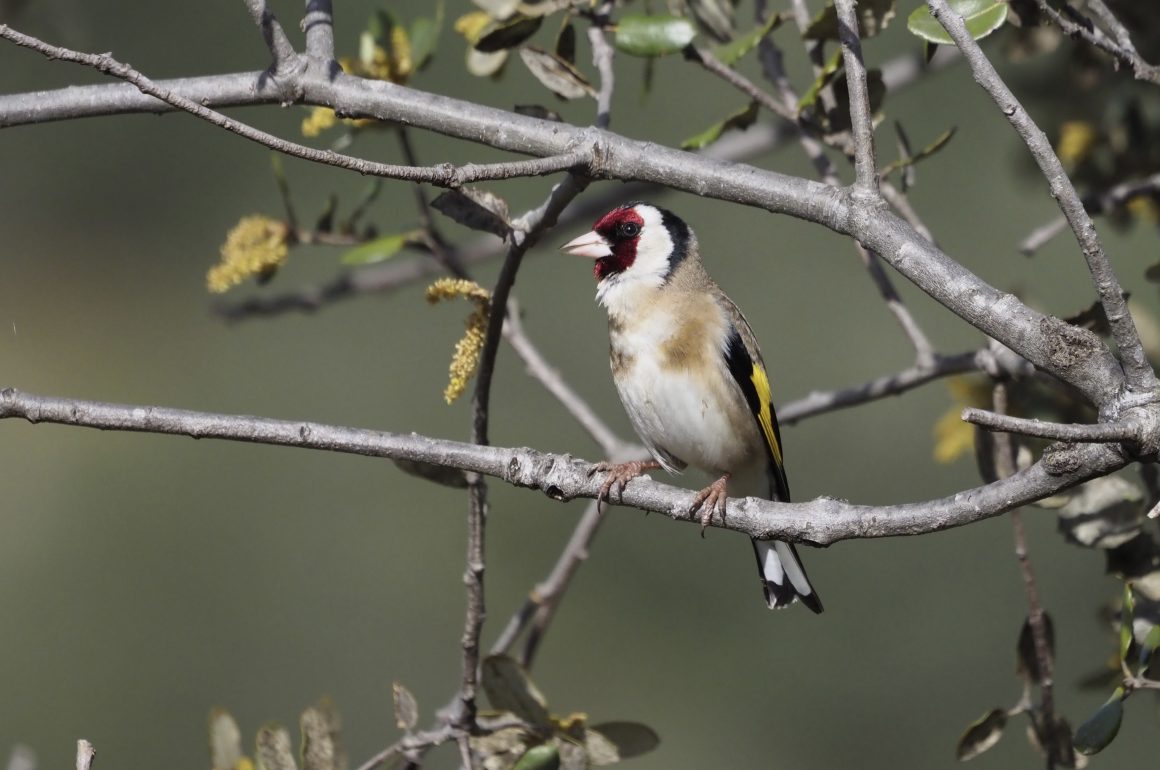
I receive weekly emails from SEO Bird Life Spain, the country’s bird conservation organisation. This week’s poignant message caught my eye, and clearly deserves wide publicity.
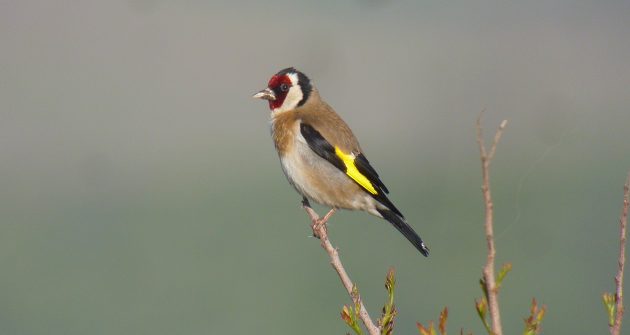
We’re going to keep harping on about this, but the pressure faced by goldfinches is truly serious. Whether it’s for their song, their beauty, or some other reason—people want them kept in captivity. A few weeks ago, this happened: the Civil Guard discovered 1,500 goldfinches crammed into boxes inside a car at the Port of Alicante, just as they were about to be loaded onto a ferry bound for Algeria.
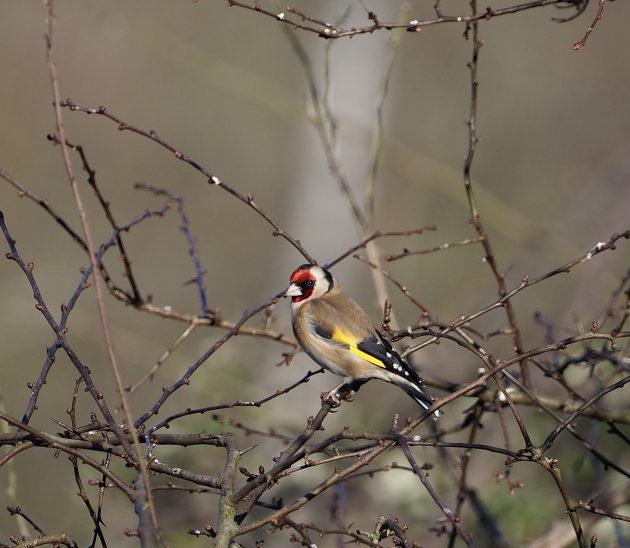
The birds had been packed into 30 boxes — measuring 42 by 24 centimeters—with 50 goldfinches in each box. As you can imagine, they were huddled together in appalling conditions, with no food or water. Ninety goldfinches sustained injuries, and 90 arrived at the wildlife recovery center already dead. It is estimated that there are more than 6 million goldfinches in captivity in Algeria, the vast majority of which were captured in the wild. Although the country granted them legal protection in 2012, the law alone has not been enough.
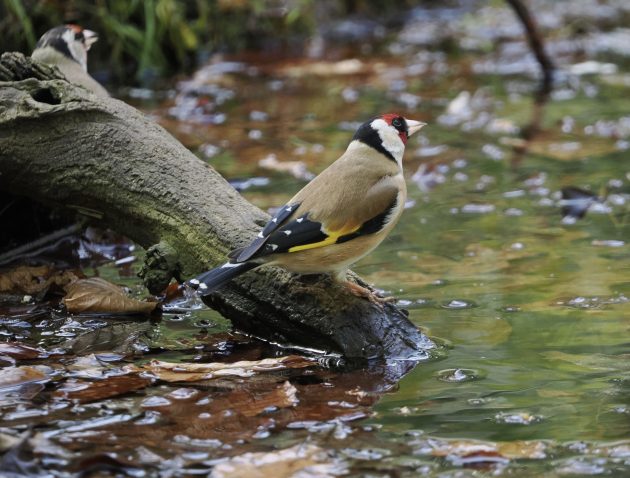
The cycle works like this: the fewer goldfinches remain in the wild, the more valuable each individual bird becomes. The higher their value, the more profitable it is to capture them—and the more that are captured, the fewer remain. Between 1990 and 2016, the species disappeared from much of North Africa. Consequently, demand has shifted toward birds from other regions, including here in Spain.
The result is that, both within and beyond our borders, goldfinches continue to be captured and held in captivity. We cannot allow this to continue. The goldfinch was chosen as the “Bird of the Year 2026” by an overwhelming majority of votes—in part for this very reason: to put an end to illegal capture.
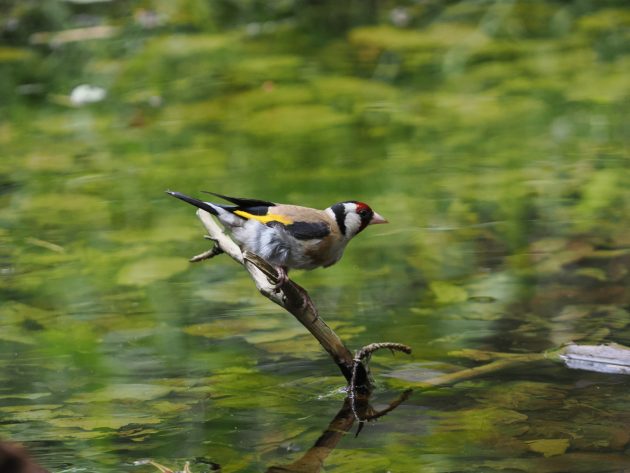
At SEO, we have pledged to dedicate all our efforts to achieving this goal. To prevent further instances like this, we have urged the Spanish government to implement the new European Directive on environmental crime and to develop a National Strategy against Environmental Crime. Without a robust criminal justice response: ecological damage becomes normalized, impunity is perpetuated, and the cost is unfairly borne by society as a whole.
Though trapping wild birds for the cage-bird market still happens in Britain, it is now a rare crime here. Goldfinches in Britain are partially migratory, with well-documented movements to France and Spain. This means that British-bred Goldfinches could end up in cages in Algeria, a sobering thought.








Leave a Comment