

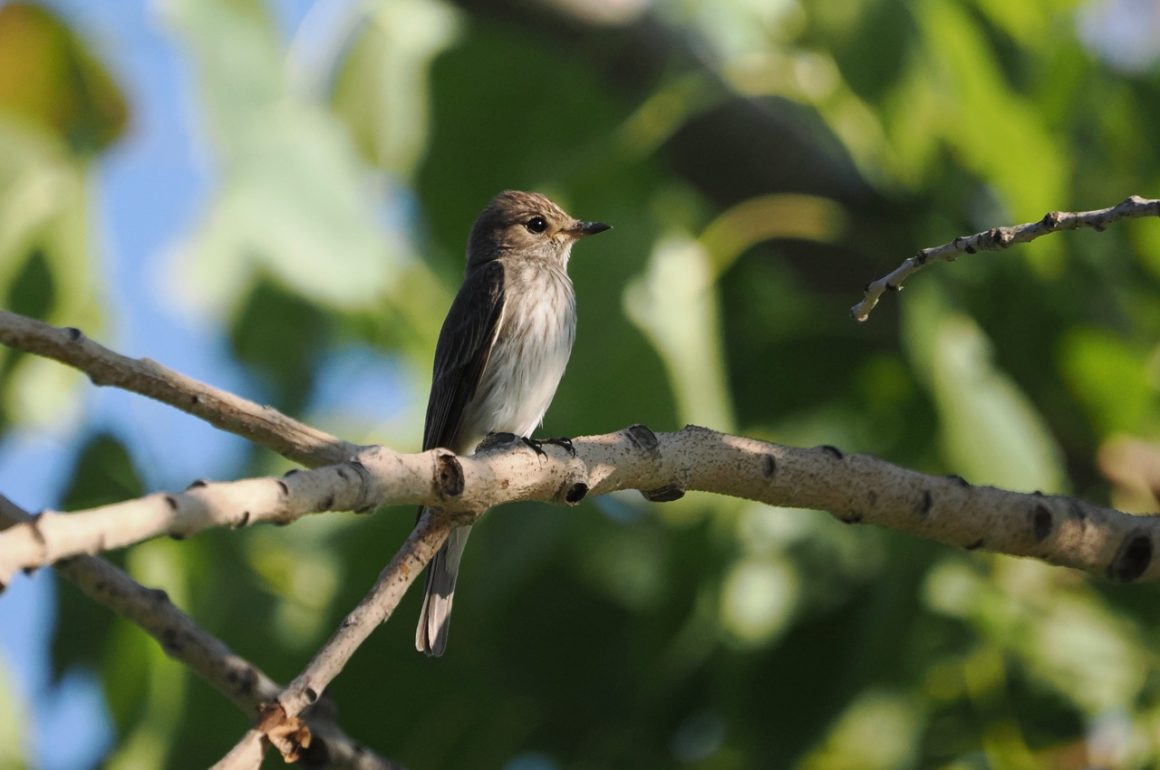
Well, here we are, half way through the year, and my UK year’s tally is a mere 179 species, so I still need another 21 to reach my 200 target. Twenty-one species in six months doesn’t sound a lot, but I have ticked most of the so-called easy birds, though there are some quite common species missing from the list. I’ve yet to tick a Spotted Flycatcher (pictured above in Greece earlier this month) in England, for example, while the fact that I haven’t ventured far from home in England is reflected by the absence of such birds as Puffin, Razorbill, Red Grouse and Dipper from my list.
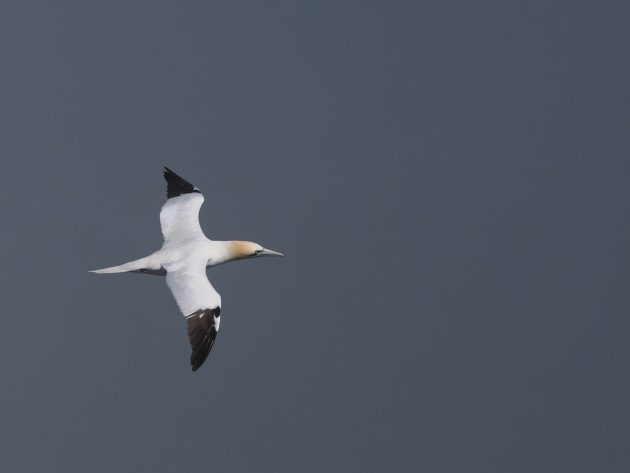
A Gannet off the Norfolk coast in June was my 178th species of the year in England
I did have a trip to the Yorkshire moors booked for this week, but I had to cancel it. If I’m going to go I need to rearrange it quickly, as by mid July many of the waders that nest on the moors – Oystercatcher, Lapwing, Curlew, Golden Plover – will have bred and departed. Mind you, those four species of waders are birds I’ve seen many times this year, but I always enjoy watching them on their breeding grounds which are so different than the estuaries and mud flats where I usually see them.
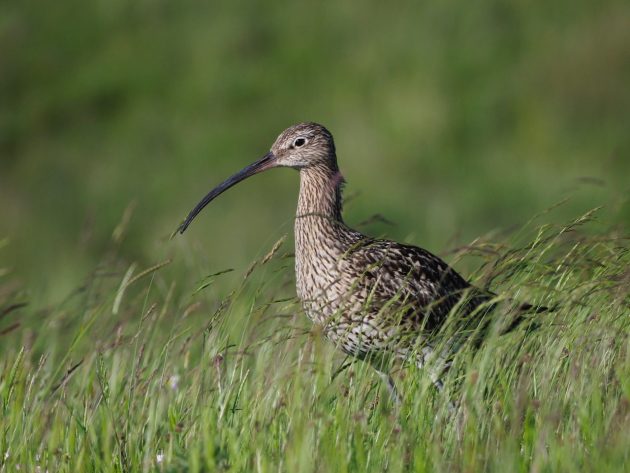
Encountering a Curlew on its breeding grounds is very different from watching the same species on the coast
July is arguably the best month for seeing waders here in East Anglia, with the first birds returning from their arctic nesting grounds in late June or early July. These early returners are usually still in their breeding finery. Last year, at Minsmere, I saw some splendid Spotted Redshanks in full plumage in early July. Spotted Reds are interesting, as the female takes no part in rearing the young. She lays a clutch of eggs for her mate, then leaves him to it. This means that she may spend only three or four weeks on the breeding grounds before flying south again. I have yet to see a Spotted Redshank this year, but that’s something I hope to rectify soon.
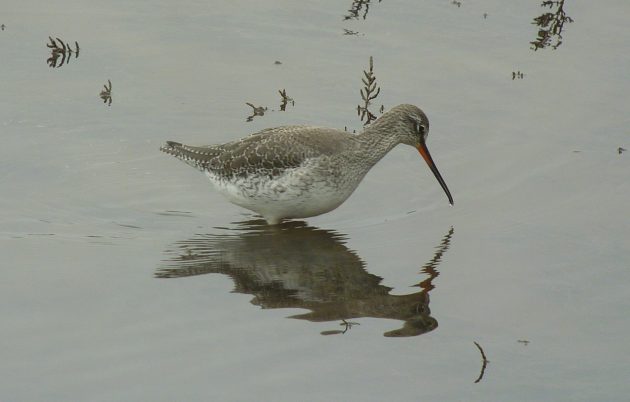
A Spotted Redshank in non-breeding plumage is easily overlooked. When breeding it is black with white spots
But while my British list may be in the doldrums, my Western Palearctic list is looking much healthier, with just three species needed to reach my target of 300. This is usually a European list, but it’s been widened to include the Western Palearctic this year, reflecting the fact that I went birding in Morocco in April. Helped by visits to Catalonia (Spain), Menorca (Spain) and northern Greece, I’m more than happy with this total, and unless I should have the misfortune to drop dead I’m well-nigh certain to pass the magic 300 mark.
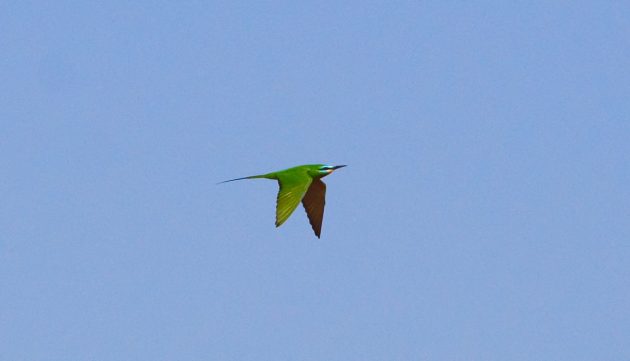
Blue-cheeked Bee-eater in Morocco in April: one of the highlights of the trip
It’s always interesting to compare the birds I’ve seen this year with those ticked off last year. I’m desperately lacking seabirds at the moment: last year I managed a productive pelagic off Sagres, Portugal, the most westerly point in Europe. There’s a slight chance I might repeat it again this autumn, as a photographer pal is quite keen to have a crack at the shearwaters and petrels. As he’s a professional I would be fascinated to observe how he tackles them, as trying to take pictures of birds with a long lens from a small boat in lively water is a serious challenge. I was pleased with my efforts last year, but I did manage lots of shots of the sea without a bird to be seen anywhere in the frame.
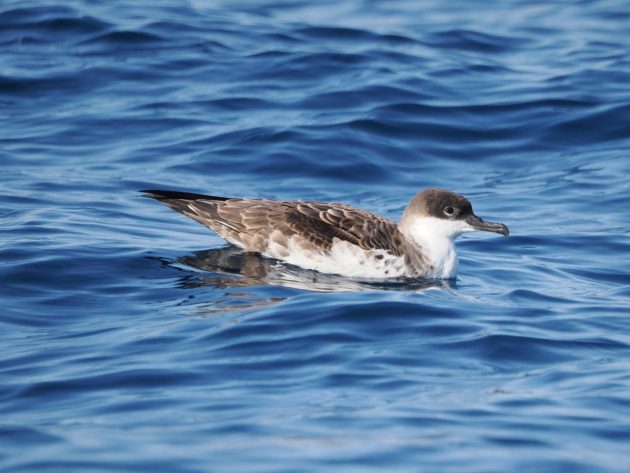
Great Shearwater: a highlight of 2025, but will I see one this year?
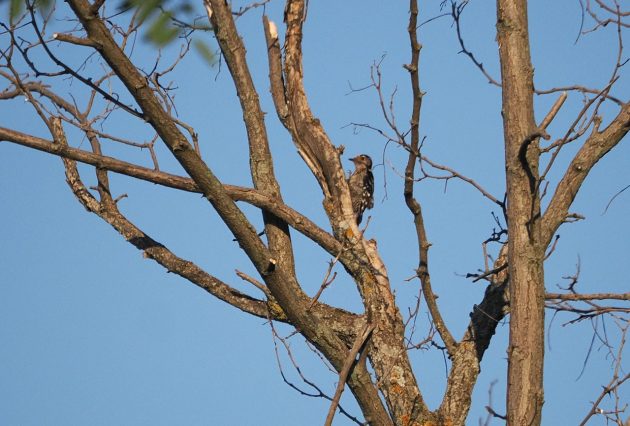
I am enjoying a good year for woodpeckers, and though I haven’t seen a Lesser Spotted Woodpecker in Britain, where they are now rare and localised, I have seen them in Spain and Greece. My photographs shown how different my encounters of this sparrow-sized woodpecker have been. The frame-filling image was taken from a hide in Spain, whereas the more distant bird was encountered while walking in Greece. Frame-fillers may be satisfying, but the Greek picture sums up a typical encounter with this elusive bird.
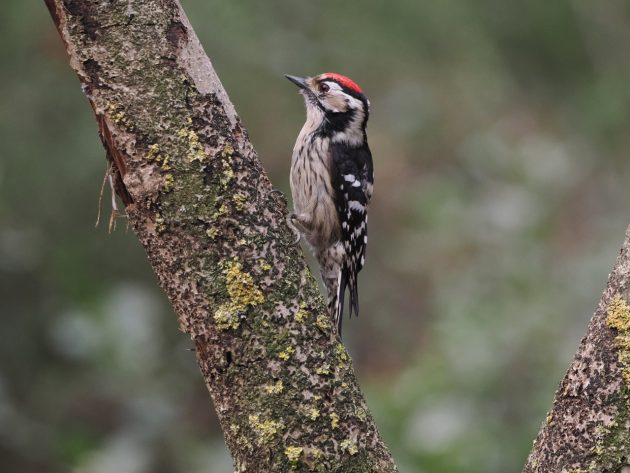
Different encounters: a Lesser Spotted Woodpecker in Catalonia, Spain, in March, and (below) another in northern Greece in June
Here in Britain we have only three species of woodpeckers, and they are never particularly numerous. I’m well aware of how this contrasts with North America, where there are so many more, and where it seems that every wood has at least two or three species. In Europe we only share one species with North America – the Three-toed. It’s a bird I’ve seen in northern Europe, though not in North America, though I have enjoyed seeing the majority of North America’s other 21 species.
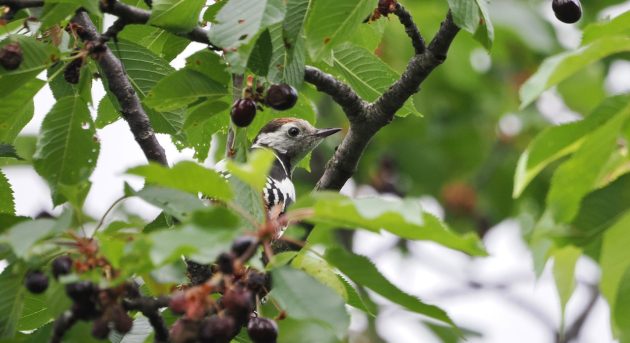
A Middle Spotted Woodpecker raiding a cherry tree; northern Greece, June
My eagle count is well down this year. I haven’t see my favourites, Golden Eagles, anywhere, while I failed to catch up with any of the White-tailed Eagles that wandered around the coast of East Anglia during the winter. A disappointing miss in Greece was Lesser Spotted Eagle, a scarce bird around Kerkini but one that I usually see. It’s a declining species on its breeding grounds in eastern Europe, so perhaps missing it was a reminder of its fall in numbers. I have, however, enjoyed watching Short-toed Eagles in Greece. A much better name for this bird is Snake Eagle, as reptiles form the bulk of their diet
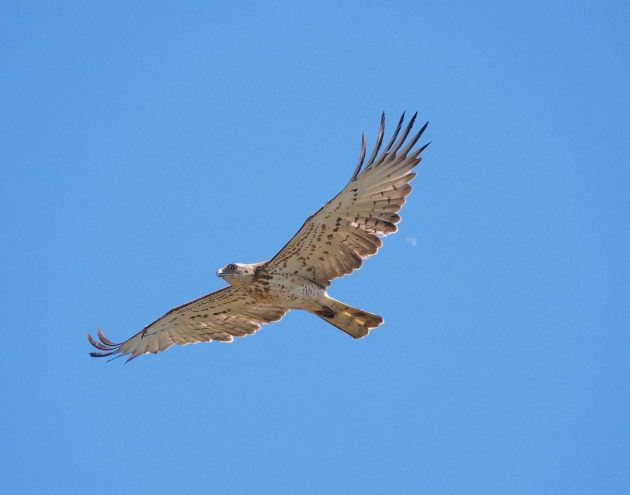
Short-toed Eagle: one of only two species of eagles that I have seen this year
I haven’t any overseas trips arranged for the rest of the year, something I need to think about. One of the best autumn locations is the Swedish island of Öland in the Baltic Sea. It’s nearly 20 years since I last went: a return visit beckons. I remember it best for the huge passage of Barnacle Geese and Eiders ducks, all heading south out of the Baltic. Equally memorable was seeing over 200 Rough-legged Buzzards (Hawks) in a day. It’s a tempting destination.






Leave a Comment