
Denver-based children’s author Susan Wroble comes from a line of backyard birders… not surprising, given that the family name is Burd!
How long have you been a birder, and how did you get into birding?
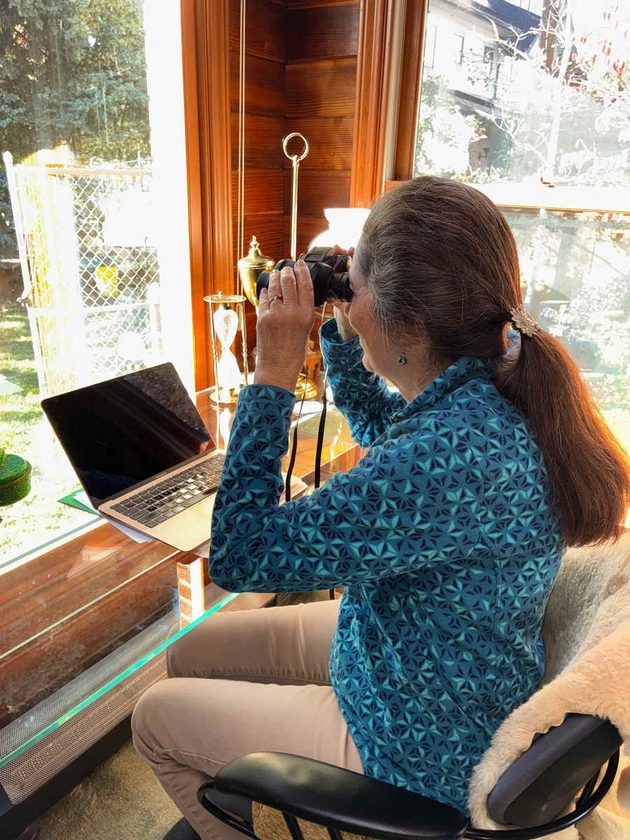
Entertainment for my family when I was growing up was watching the birds that came to our yard and feeder on our farm in northern Virginia. I especially loved watching the Pileated Woodpeckers as they flew in and out of the yard—it was so easy, even then, to make a connection between dinosaurs and birds.
Has your attitude towards birding changed with time?
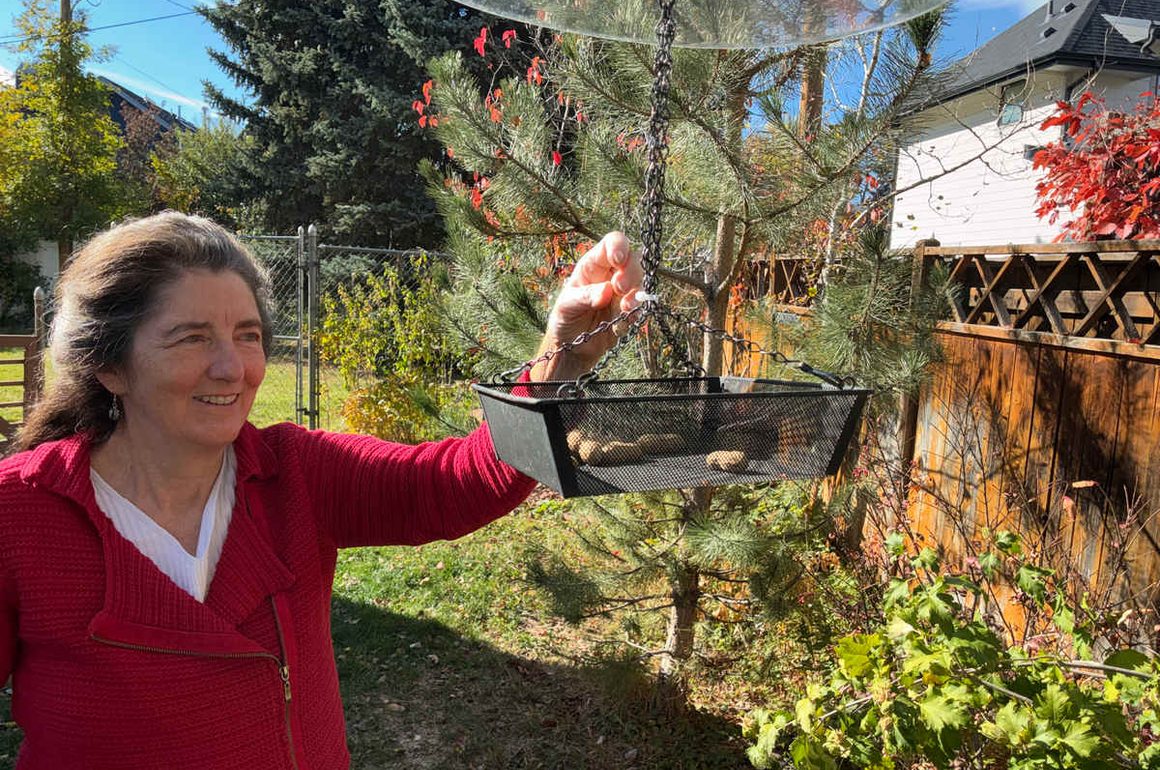
My husband and I moved within our Denver neighborhood last year, and we now have a yard with more open space, where squirrels can’t access the feeders. We are putting out more food, more frequently. We also have a fountain that feels like an elementary school drinking fountain, because sometimes there is a line-up of birds waiting their turn.
What were the ornithological highlights in your life so far?
The Sandhill Crane migration is one of the world’s great migrations, and we have witnessed it in both the San Luis Valley of Colorado and along the Platte River in Nebraska. Watching wave after wave of cranes fly in as darkness falls is a little reminiscent of the flying monkeys in The Wizard of Oz—it’s too mesmerizing to do anything but stand and watch.
Your Life As A Non-Birder and Links Between My Work and Birds:
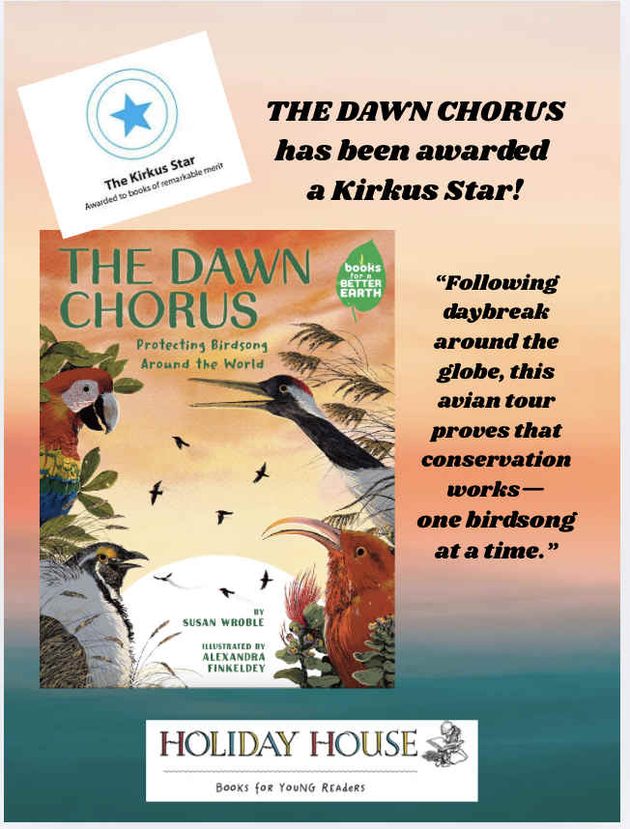
I love science, and in my work writing for children, I focus on sharing that science. My book THE DAWN CHORUS: PROTECTING BIRDSONG AROUND THE WORLD focuses on fifteen birds from around the globe and the conservation efforts that have helped the species. For each bird, there is also a unique habitat and the song or call they make at dawn. It is such fun to read aloud!
Why do you write for 10,000 Birds?
My beat for 10,000 Birds is the monthly (2nd Tuesday) KidLit Bird Book Review. I wanted to learn more about the literary resources that parents, teachers, and families can use to pass a love of birds onto future generations. At first, I wondered if there would be enough award-winning newly released children’s bird books to fill a slot each month. But birds are beloved, and there are truly fabulous bird books for kids of all ages published each year. Finding books to feature has not been a problem at all! And I am honored to report that THE DAWN CHORUS now falls into that category… it has been awarded a Kirkus Star, a designation reserved for books of remarkable merit.
What are your plans for the next few years, as related to birding?
We hope to take trips to see some of the birds I featured in my book. I hope to see the Guam Rail, the Red-Crowned Cranes in Hokkaido, Japan; the swifts that nest in the Imperial Palace in Beijing. I’d love to go back to the Knepp Estate in England, home of one of Europe’s major rewilding efforts, when the nightingales are there. I used their research to focus on the importance of leaving things messy… it was allowing hedgerows to grow wild, not neat and trimmed, that provided the habitat for the nightingales to return.
What are some of your birding tips for beginners?
In a recent article in The Financial Times of London, the columnist noted that “Merlin” had become a verb. For me, as for so many others, the Merlin Bird ID app has transformed birding. Whenever I hear a song or call I don’t recognize, I whip out my phone and start merlining—and then I come home and look up the bird in the guidebooks to learn more.
What’s your favourite thing to do outside of birding?
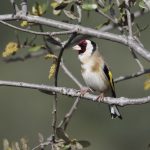
I am happiest when I am outside in the garden, but even then I am birding. I am steadily removing grass from our yard and replacing it with native plants to try to expand the habitat for birds. That simple switch over time has brought so many more birds, insects, and wildlife to our yard. I love talking to the birds—mostly finches and flickers, chickadees and nuthatches—who stay and hang out in the yard while I work.





Leave a Comment