

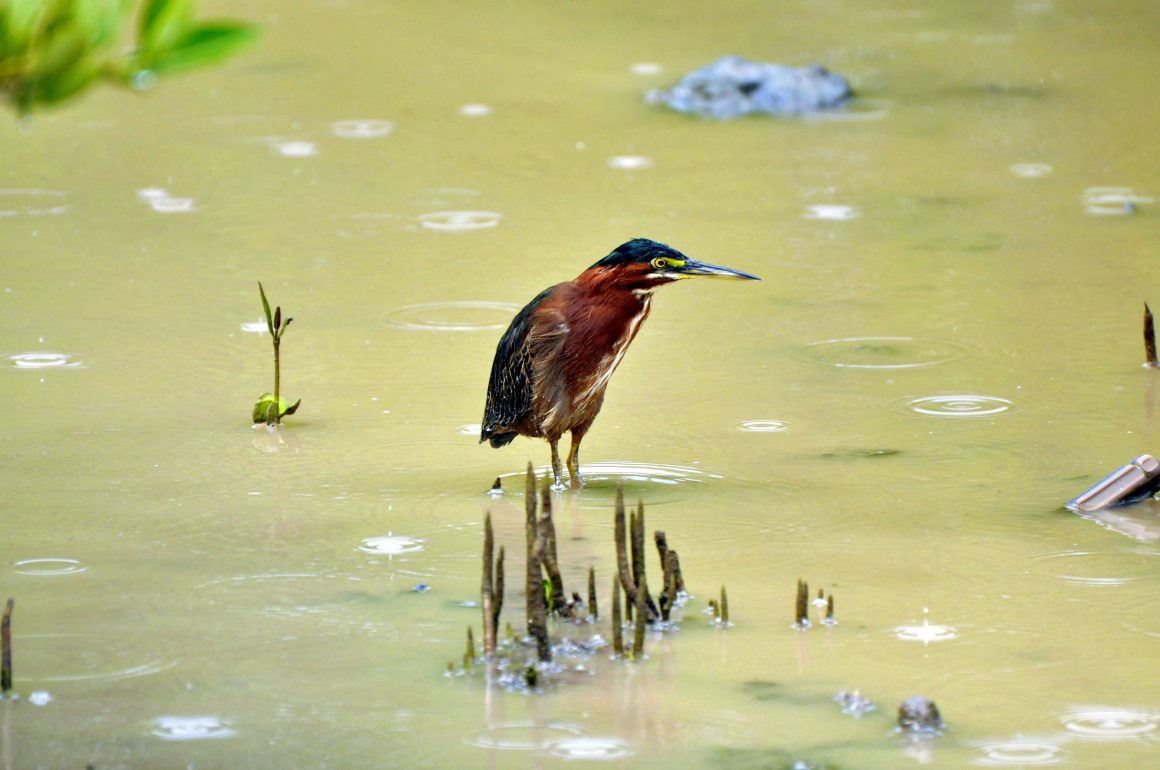
Avian botulism outbreaks tend to occur in warm, shallow, nutrient-rich wetlands, including places you visit to watch birds. That pattern raises concerns about the health of the habitat and the birds themselves. Research from Great Salt Lake, Spain and Miami helps connect changes in water quality with the risks facing the flocks you come to see.
Uncovering the Culprit Behind Mass Die-Offs
Avian botulism is a paralytic illness in birds caused by a toxin produced by Clostridium botulinum. This bacterium occurs naturally, but its presence alone doesn’t mean an outbreak will follow.
For the bacteria to multiply and produce toxins, they need organic material for food and an environment without oxygen. Warmth also favors growth, with optimal temperatures between 30° and 42° Celsius. These conditions explain why warm, shallow wetlands can be vulnerable, though deeper water can still support outbreaks when oxygen-poor sediments or decaying organic matter create suitable conditions for toxin production.
Tracing the Trouble to Warm Water, Algae and Nutrients
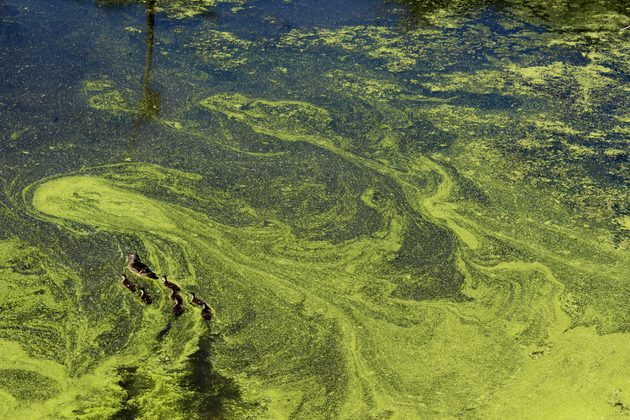
Nutrient pollution can help create oxygen-free, food-rich conditions. At high concentrations, nitrogen-based nutrients such as nitrates promote algae growth, and excessive growth can signal a water-quality imbalance.
When the algae die, microorganisms break them down, using oxygen dissolved in the water. A large amount of dead algae provides these microorganisms with more material to ingest, so they can consume oxygen faster than it is replaced, causing oxygen depletion.
If oxygen runs out in parts of the wetland, Clostridium botulinum has places where it can grow. The dead algae also supply organic material for food. In warm water, this combination can favor toxin production that sickens or kills birds.
Affected birds become progressively weaker and may eventually lose the ability to fly. Paralysis can prevent them from breathing, leading to death. Avian botulism usually kills between 10,000 and 50,000 birds a year, but deaths can reach up to 1 million during major outbreaks.
Drawing Lessons From Great Salt Lake and Spain’s Wetlands
Research from Utah and Spain shows different stages of the water-quality problem. At Great Salt Lake, evidence shows severe nutrient enrichment and algal growth, while in Spain, researchers connected deteriorating water conditions with a confirmed botulism outbreak.
Great Salt Lake’s Nutrient-Fed Toxic Blooms
Farmington Bay, part of Utah’s Great Salt Lake, receives direct inputs of secondary-treated sewage. These discharges add nutrients to the water, feeding dense algae blooms. Researchers described the bay as hypereutrophic, meaning it contains an extreme excess of nutrients.
For botulism risk, the concern is what happens when that heavy algal growth dies and decays, potentially depleting oxygen and creating conditions favorable to Clostridium botulinum. The Farmington Bay study documents the nutrient buildup and blooms at the start of the chain.
Spain’s Wastewater-Fed Botulism Outbreak
At Navaseca Lake in south-central Spain’s Mancha Húmeda region, researchers documented a botulism outbreak following a period of high water temperatures. The lake received treated urban wastewater that regularly added nutrients. Before birds began dying, algae levels were high.
The levels then dropped sharply, with chemical changes indicating oxygen loss. Researchers suggested that the algae had died and settled into the sediment, where microorganisms breaking them down consumed oxygen. These changes would have helped Clostridium botulinum grow.
Protecting the Wetlands You Rely On
You may encounter similar conditions at your own birding locations. Warm, shallow water with excess nutrients can pose risks well outside Utah or Spain, although green water alone can’t tell you whether botulism is present.
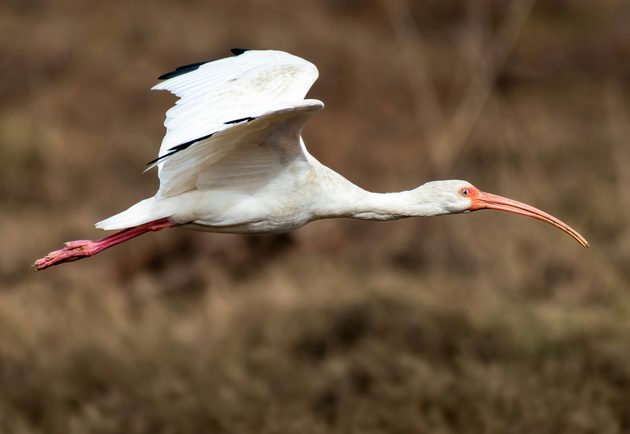
Among the birds you watch, waterfowl and shorebirds are particularly affected, while gulls and loons are also vulnerable. Raptors, owls and songbirds are less frequently afflicted, and vultures show strong resistance. The differences help explain why outbreaks can affect some birds at a wetland more heavily than others.
In Miami, researchers examined birds admitted to Pelican Harbor Seabird Station during 2022 with presumptive botulism diagnoses. The most affected species were American White Ibis and Laughing Gull. The study found associations between illness, combined water-quality measures and nitrogen levels.
Heavy algae blooms or noticeably falling water levels are worth noting when you visit a wetland. Report sick or dead birds to your local wildlife agency rather than handling them yourself. Details such as the location, approximate number affected and visible changes in the water can give the agency useful context.
For example, if you spot several birds struggling to swim near an algae-covered shoreline, record the nearest trail marker or access point. From a distance, take photos to include with your report, so wildlife staff can more easily locate and assess the situation.
Watching Water Quality Where You Go Birding
Warm, shallow, nutrient-rich water can set the stage for avian botulism risk. Understanding that connection gives you a reason to examine the water as closely as you look at the birds.
At familiar wetlands, notice heavy algae growth or dropping water levels and include those observations when reporting sick or dead birds. Paying attention to the habitat alongside its wildlife can help you recognize when a favorite birding place may need more care.
Remember, the birds you watch today depend on these wetlands for food, rest and nesting, and future generations will need healthy places to return to.









Leave a Comment