

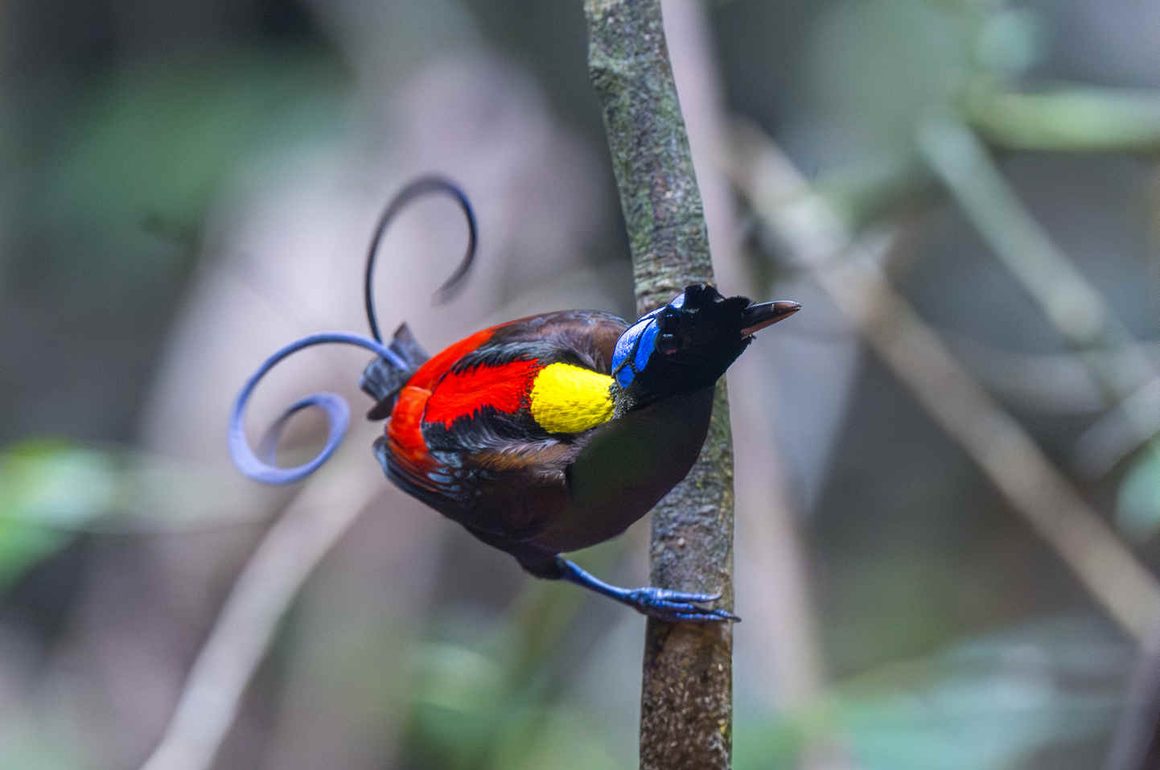
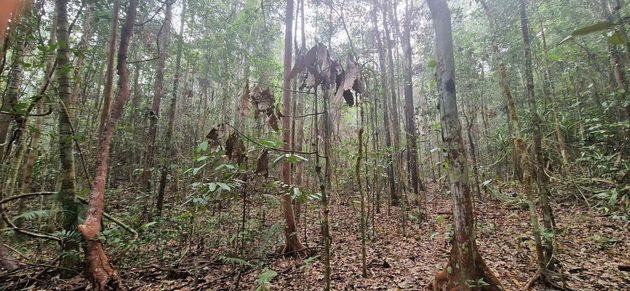
I have to say, I tend to be a bit disappointed with tropical rainforests such as the one at Raja Ampat, West Papua.
In my mind, I imagine lush green trees and abundant healthy leaves, lightened up with some tastefully arranged red fruit, ideally in nicely shaped bowls. Instead, the rainforest usually looks like a once-ambitiously-pursued suburban gardening project that has long been given up. The only potential attraction of the sight is either as a “before” scenario in a gardening TV reality show (assuming such things exist, but my guess is they do), or as an advertisement for leaf blowers.
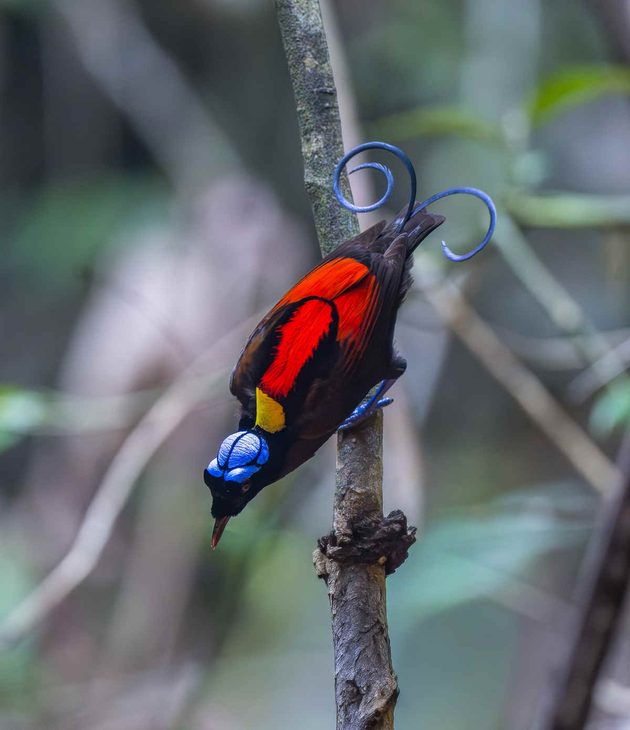
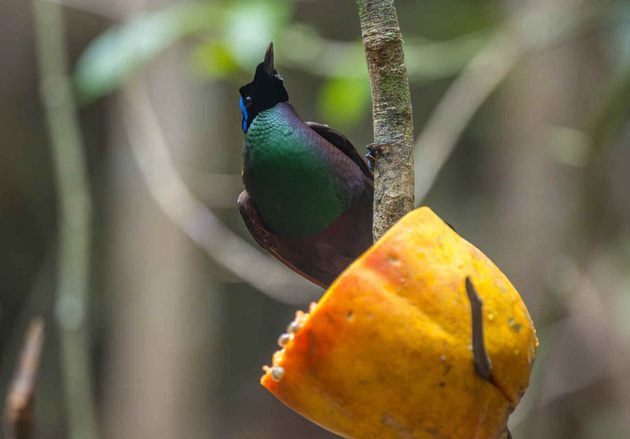
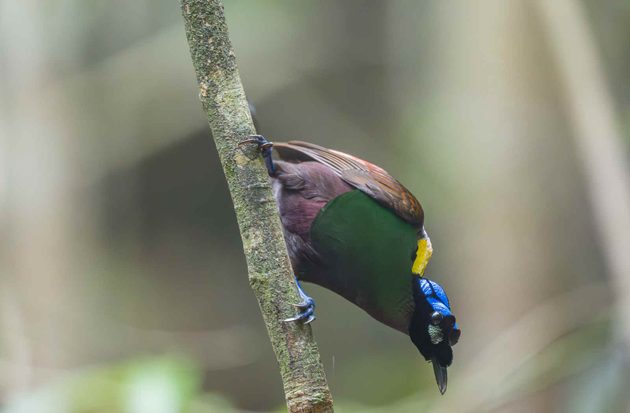
So, not much of a paradise, at least in my judgment—but nevertheless, it is home to birds such as Wilson’s Bird-of-Paradise.
And realistically speaking, it is not much of a paradise for this species either. It is currently listed as Near Threatened, but some researchers propose uplisting it to Vulnerable.
That seems sensible given that the species is very range-restricted, logging activities have caused major habitat degradation, and much lowland habitat has been lost to agriculture. In addition, the bird is hunted for its skin in some areas (source: HBW).
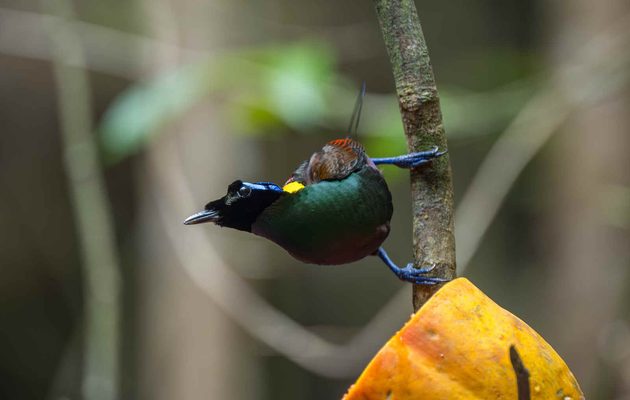
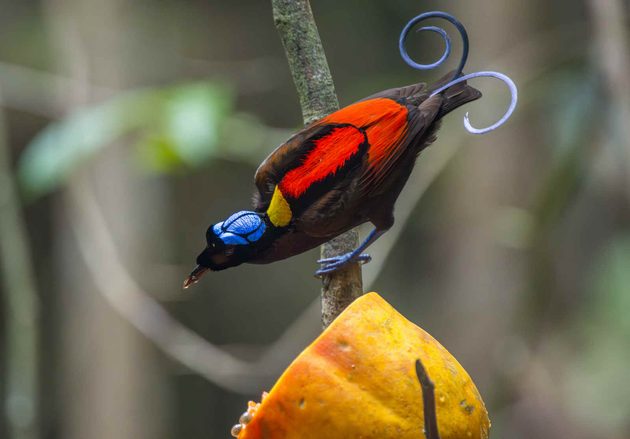
While the first part of the scientific name given to the species, Diphyllodes respublica, by Charles Lucien Bonaparte (the nephew of Napoleon) in 1850 is only mildly interesting, the second part makes up for this.
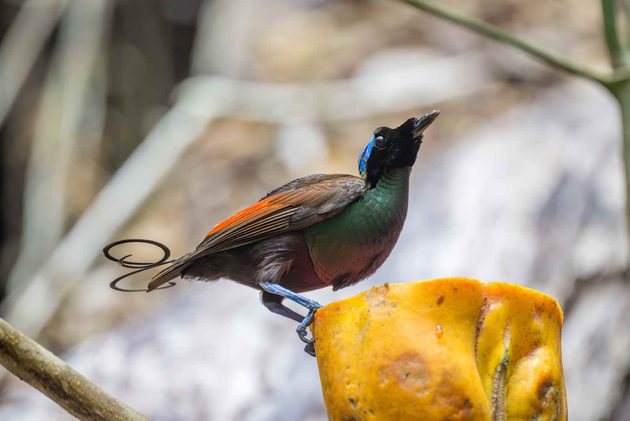
Diphyllodes is usually translated as “resembling two leaves,” presumably referring to the two long tail feathers.
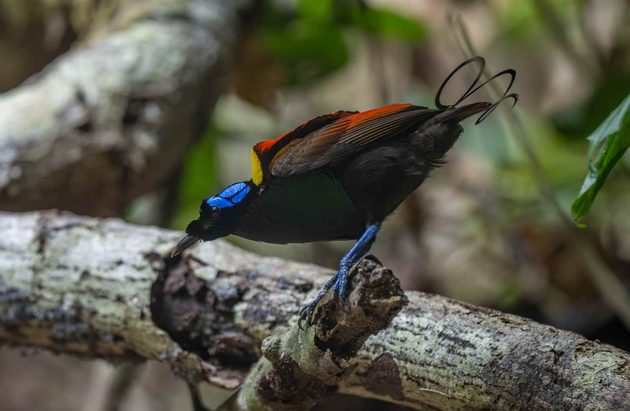
Respublica (“republic, commonwealth”) reflects Lucien Bonaparte’s strong republican sentiments and opposition to the common practice of naming birds after kings and queens. To voice these convictions, he named the bird to honour the republic rather than royalty (source: HBW, Wikipedia).
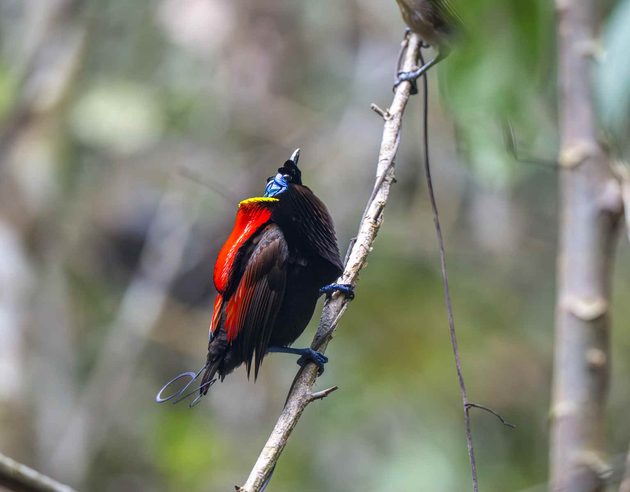
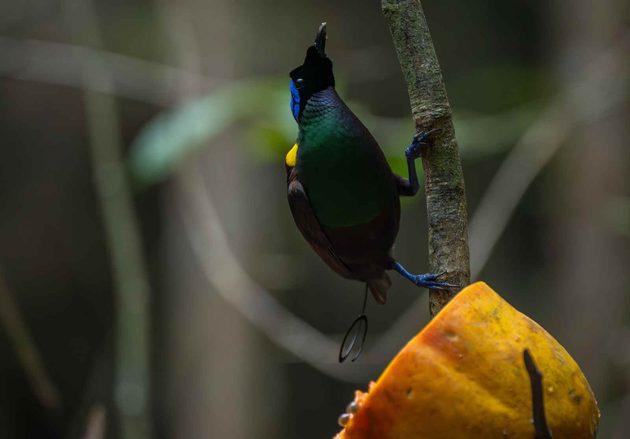
The species is polygynous: a male clears a terrestrial court and displays for visiting females. After mating, each female builds the nest and attends the chicks alone—which again makes me think that there should be some of my imaginary, nicely decorated fruit bowls somewhere to facilitate this kind of work division among the sexes.
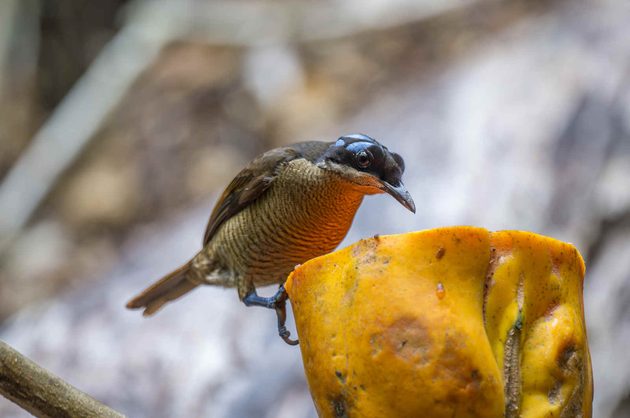
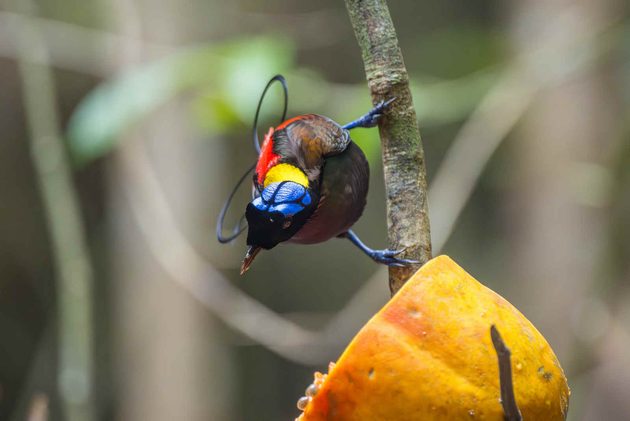
As a consequence, the male looks splendid, the female a bit less so. Indeed, Wikipedia cannot quite conceal its disappointment about the looks of the female bird: “The sexual dimorphism of the species leaves the female very drab in comparison” …
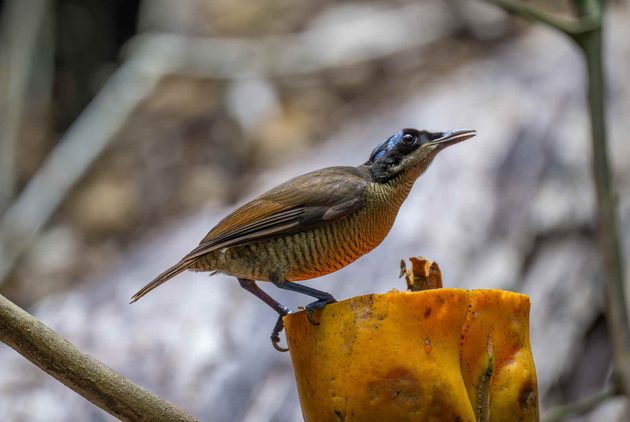
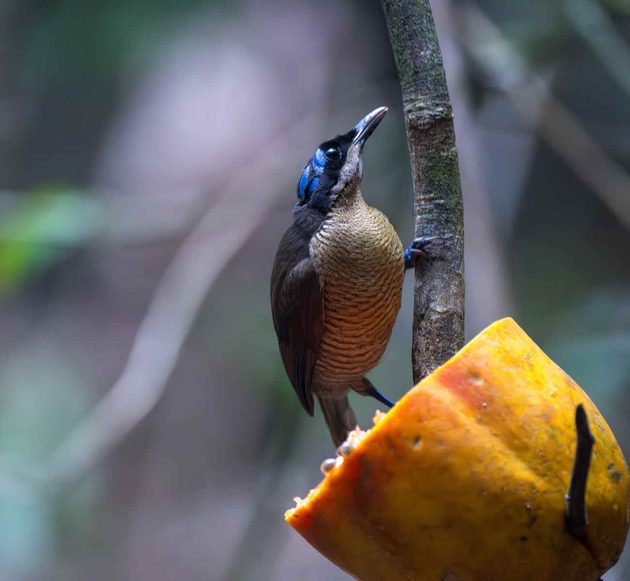
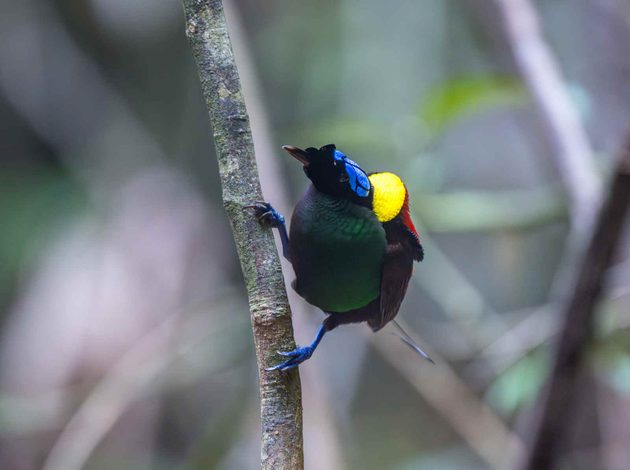
… particularly compared to the gushing review of the male at All About Birds: “The male Wilson’s Bird-of-Paradise sports more colors than any other bird in the family. Each splash of color has a story. Yellows and reds are paintlike pigments. Blues and greens are created by the interaction of light and the microscopic structure of feathers and skin. … [T]he combined result is one of the most colorful animals on the planet.”
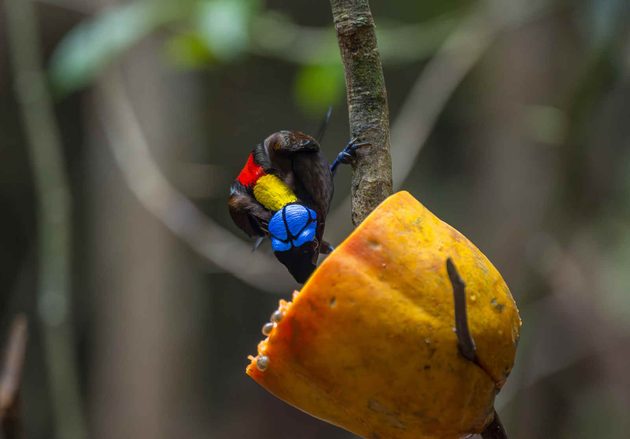
So, while the rainforest at Raja Ampat does not look much like a paradise to me, at least the colors of the male Wilson’s Bird-of-paradise give a hint of it.








Leave a Comment