
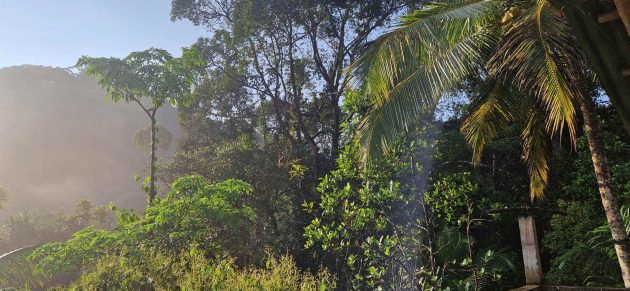
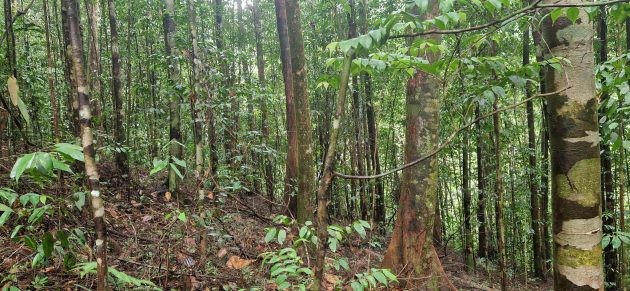
Sinharaja Forest Reserve is a forest reserve and a hotspot for birds.
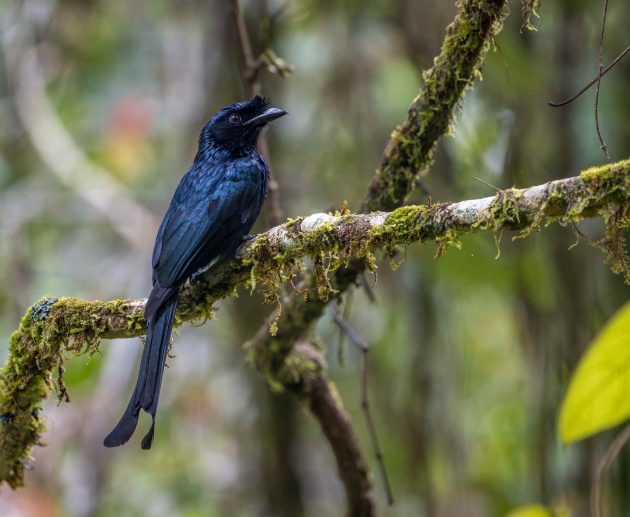
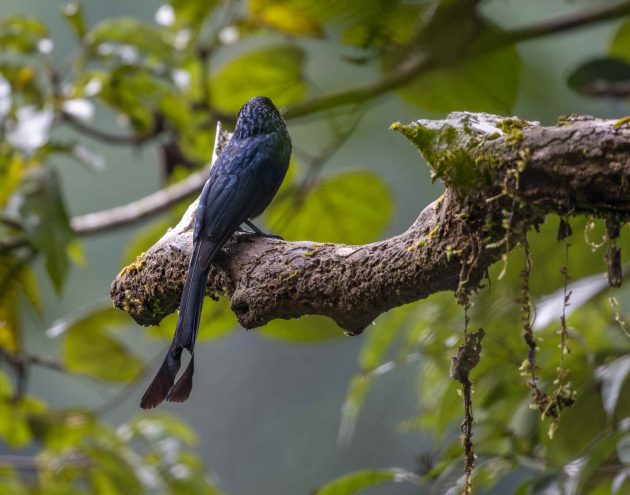
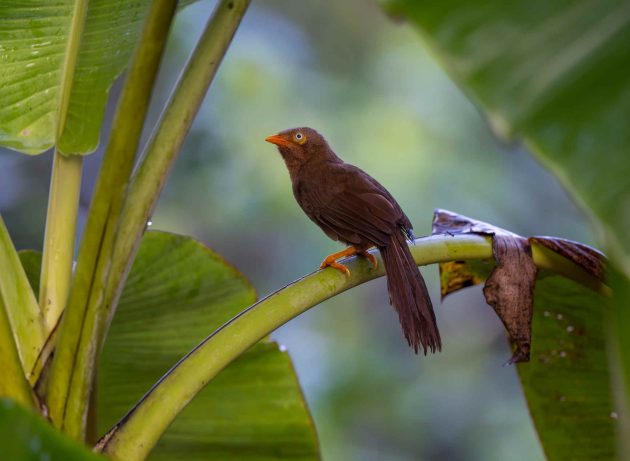
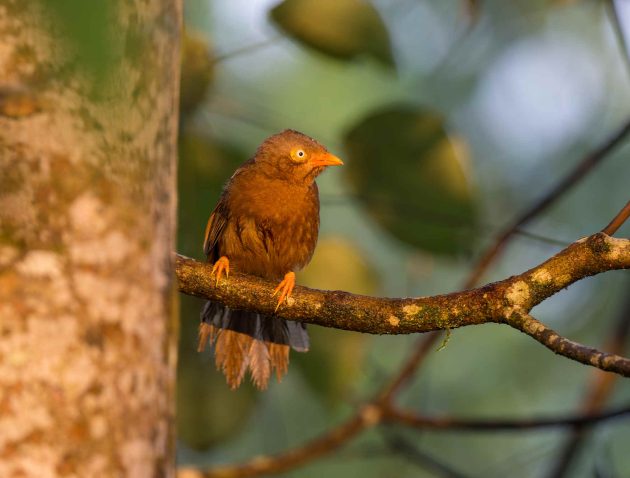
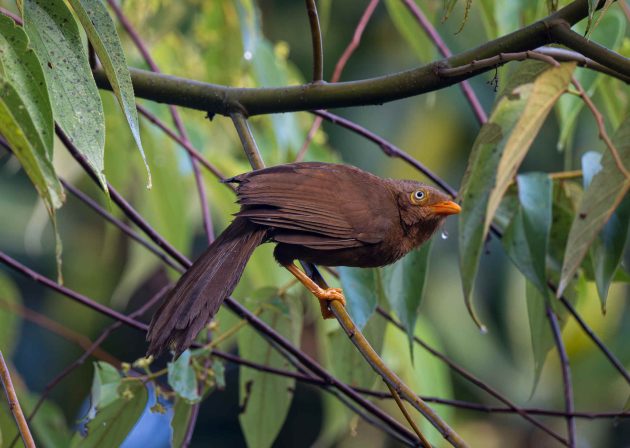
Wikipedia writes “Birds tend to move in mixed feeding flocks, invariably led by the fearless Sri Lanka Drongo and the noisy Orange-billed Babbler.”
So, here are the “fearless” Sri Lanka Drongo …
… and the “noisy” Orange-billed Babbler.
Wikipedia also mentions Martin Wijesinhe and calls him the unofficial guardian of Sinharaja. Incidentally, I stayed in the lodge presumably established by him (Martin’s Lodge), which is now run by his daughters. It is not a luxurious place, but spectacular birds such as the Sri Lanka Blue Magpie can be seen right from the veranda of the lodge. And the views of the forest are great, too.
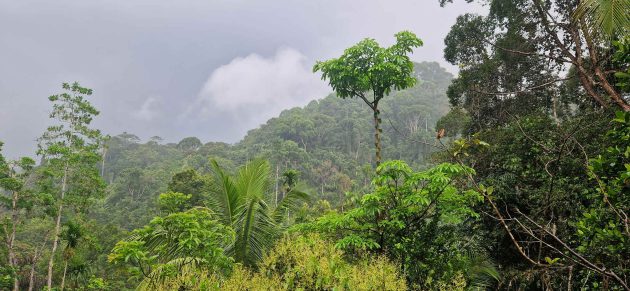
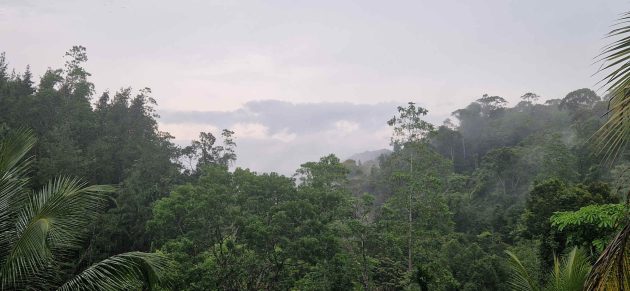
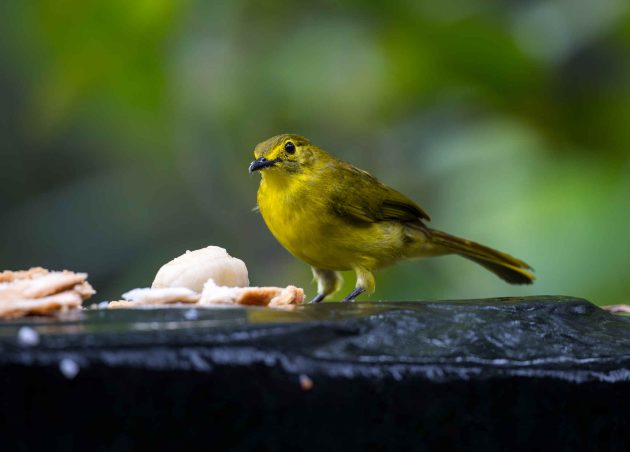
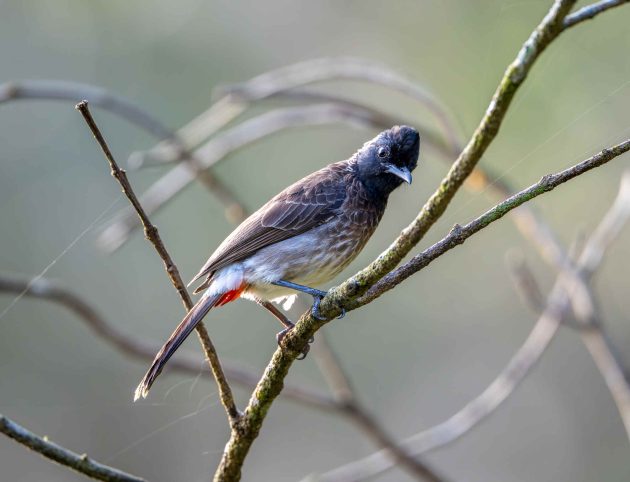
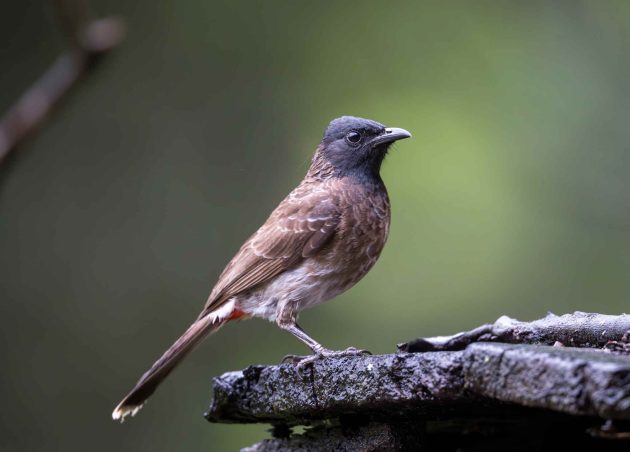
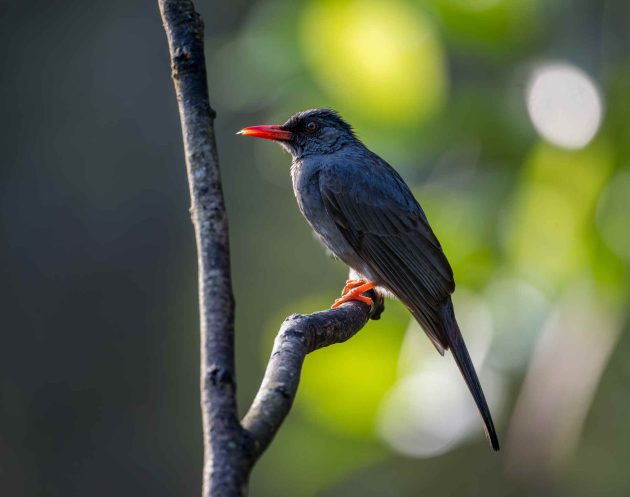
Some birds seen from or on the veranda:
Yellow-browed Bulbul
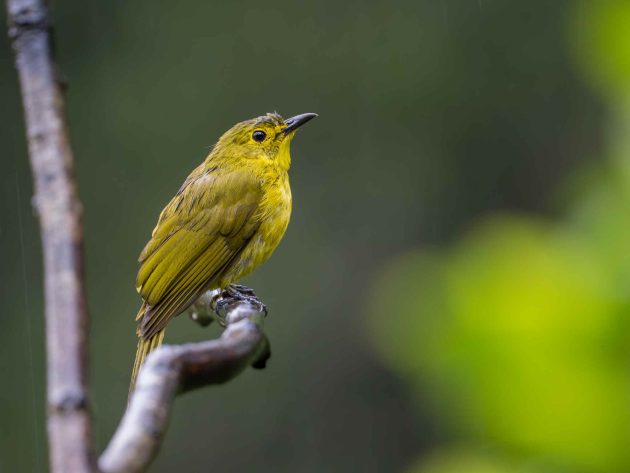
Red-vented Bulbul
Square-tailed Bulbul
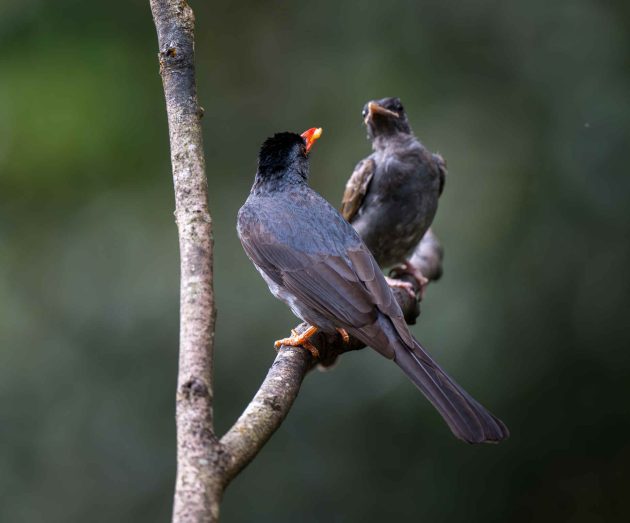
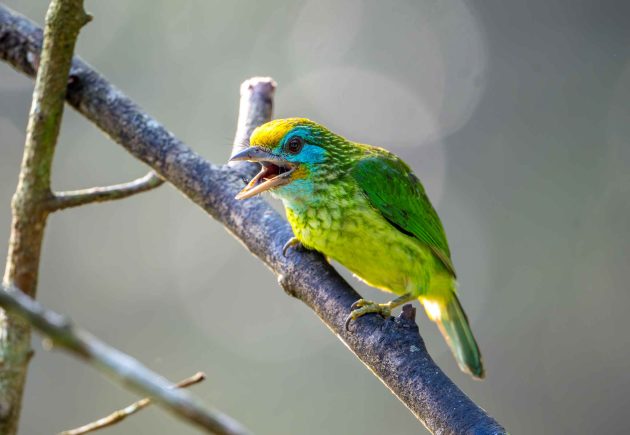
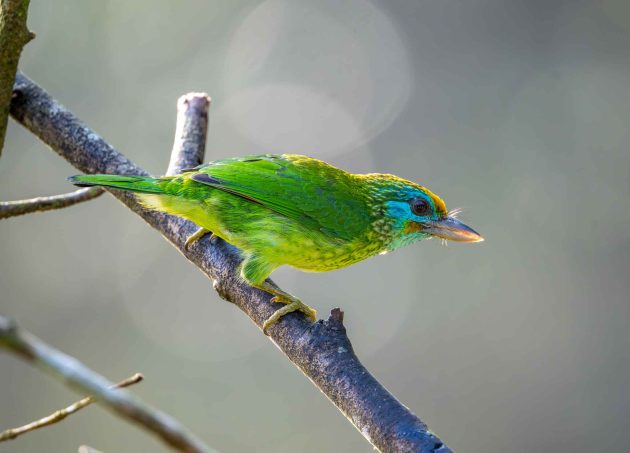
Yellow-fronted Barbet
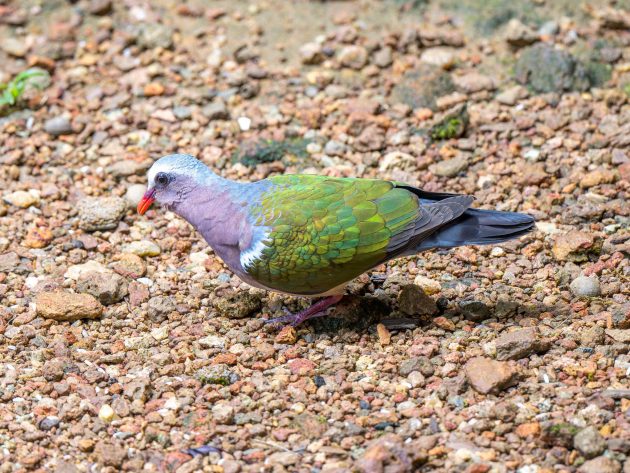
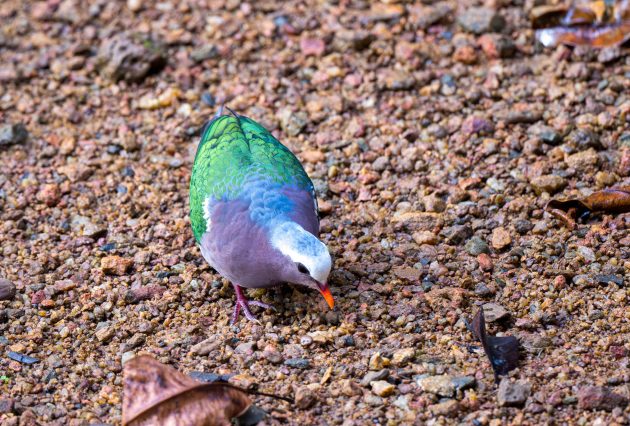
Common Emerald Dove
Legge’s Flowerpecker
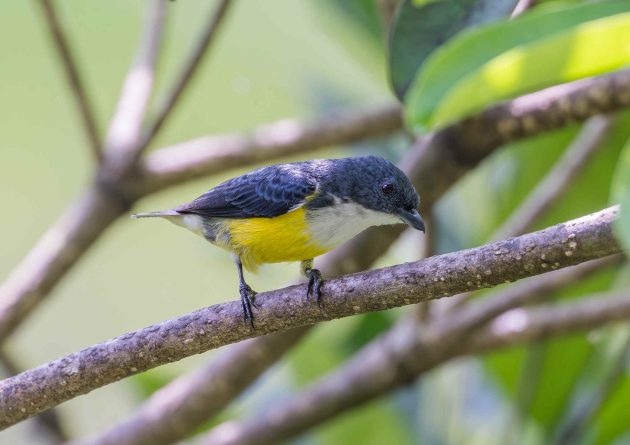
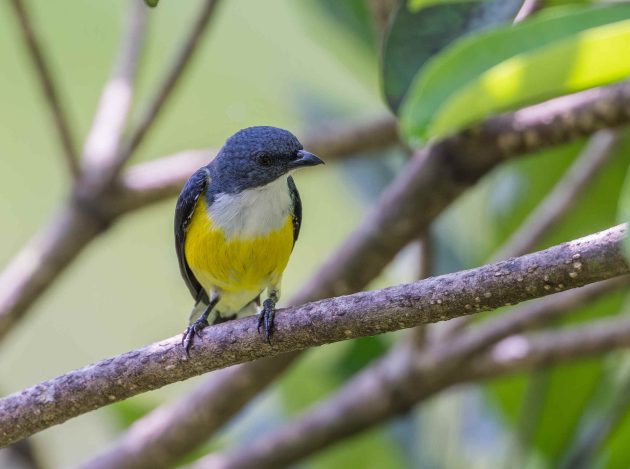
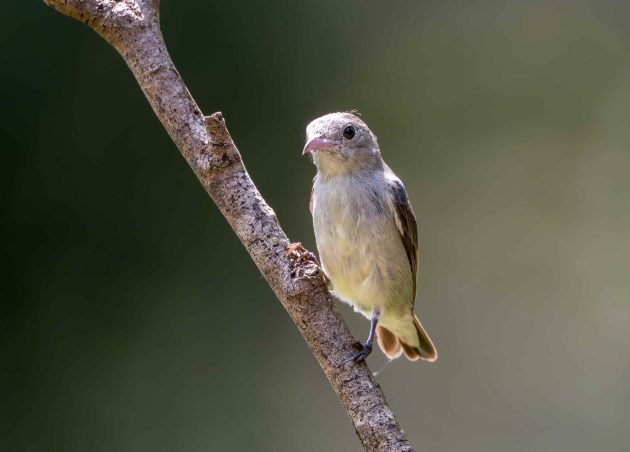
Pale-billed Flowerpecker
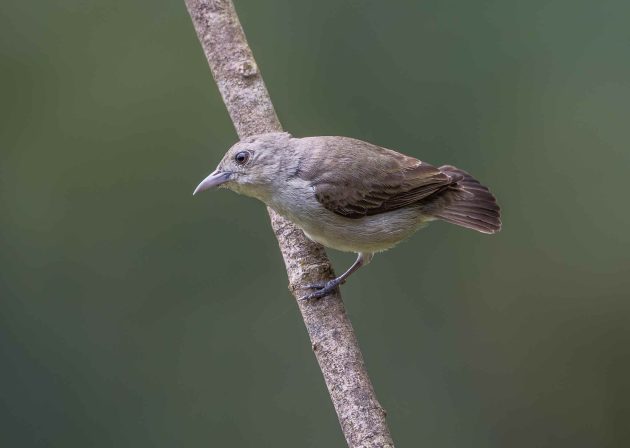
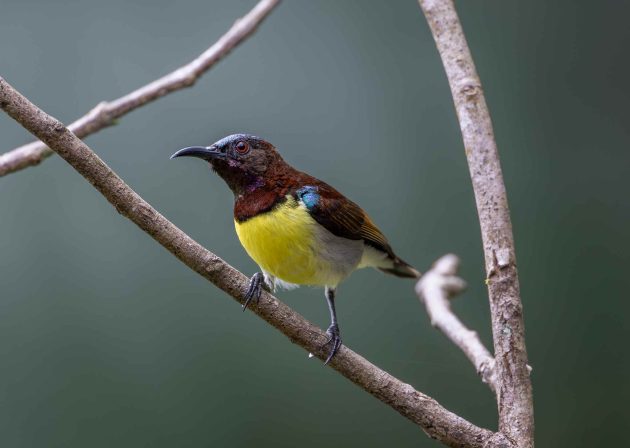
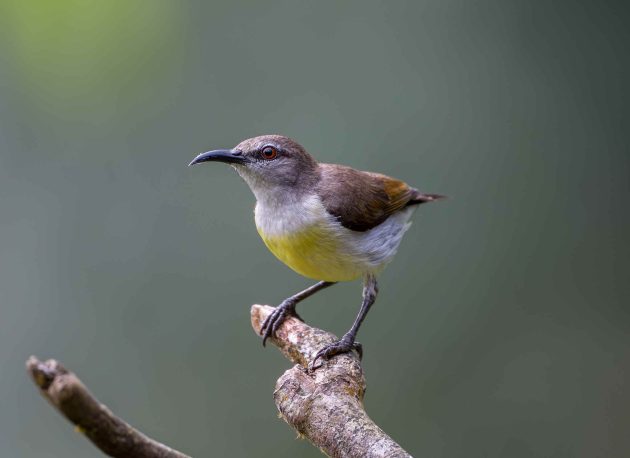
Purple-rumped Sunbird (male and female)
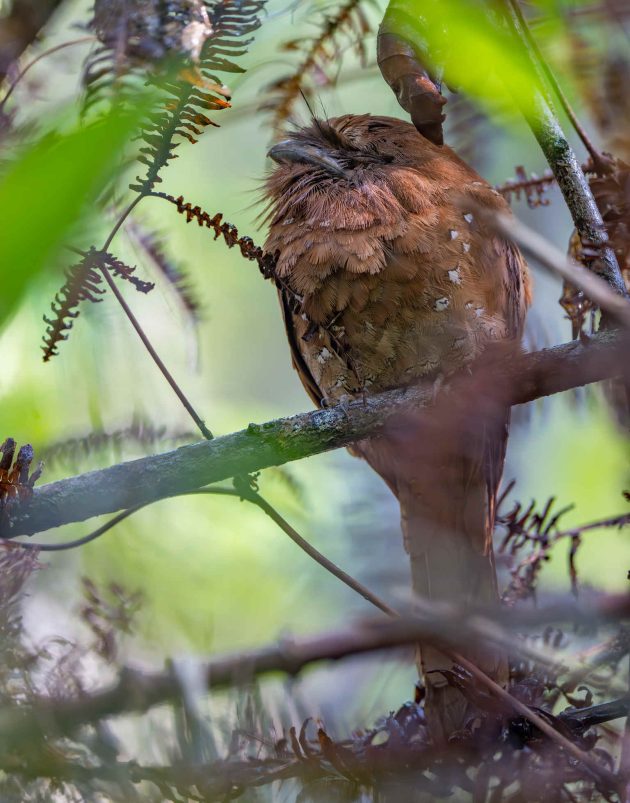
One species I was really looking forward to seeing was the Sri Lanka Frogmouth – there are some almost famous photos of a pair that were apparently taken here at Sinharaja. But while I saw the species, it was roosting in very dense vegetation, and it was on its own.
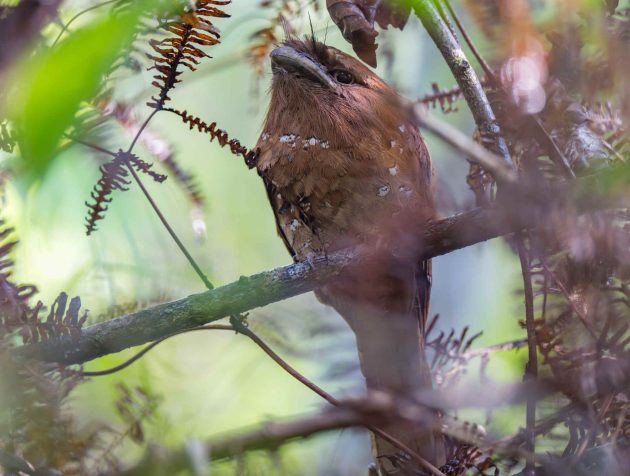
As the males are gray-brown while the females are rufous, my photo shows a female.
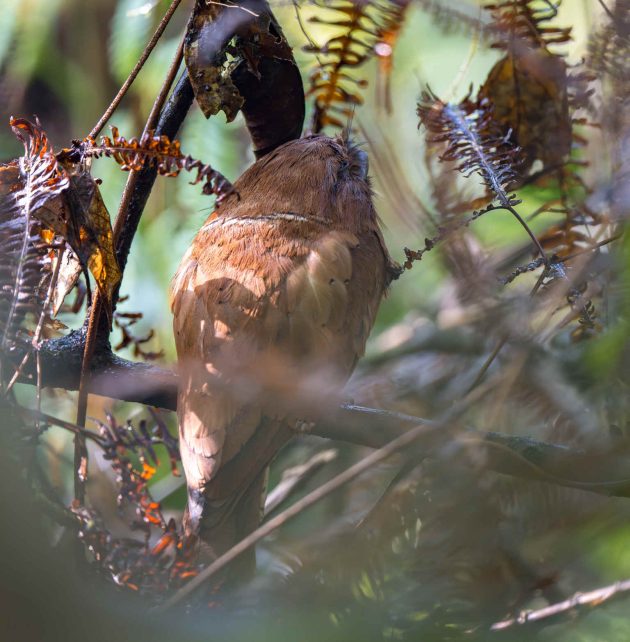
It also shows the “necklace” implied by its scientific name Batrachostomus moniliger (monilis necklace, or collar; –ger carrying). And yes, the Batrachostomus just means frogmouth (batrakhos frog; stoma mouth).
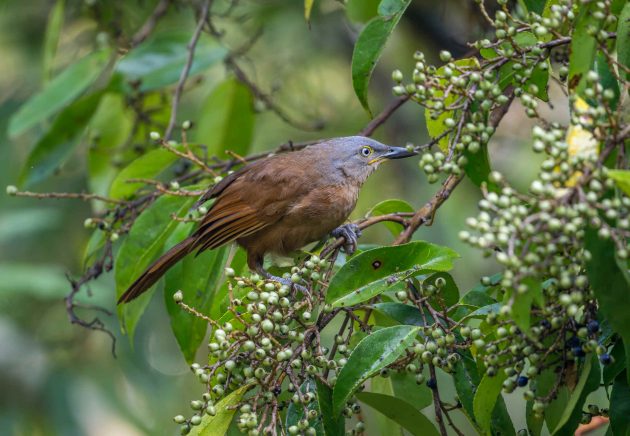
The Ashy-headed Laughingthrush is (somewhat unfairly) characterized as “rather featureless” in its HBW account.
It does not seem to get any goodwill for being listed as Vulnerable.
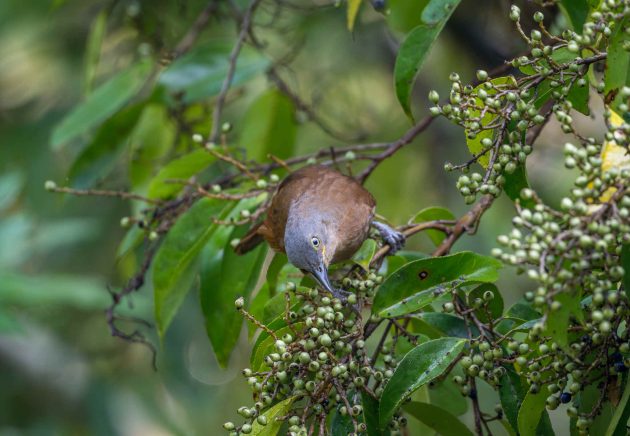
The global population is estimated at 2500–9999 individuals (HBW).
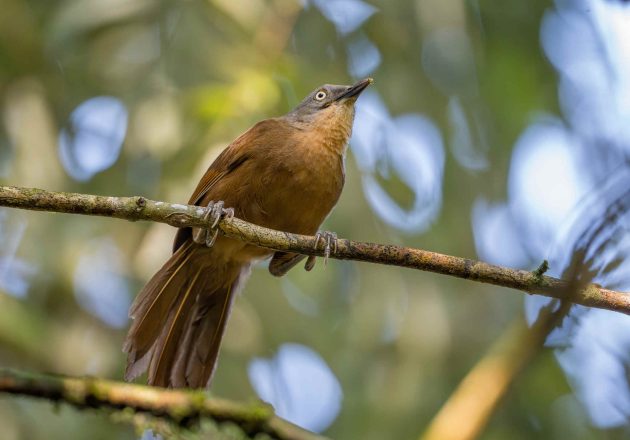
A 2025 paper points out – well, just look at the title of the paper to understand what it points out: “Sri Lanka’s laughingthrush: An ecological and phylogenetic assessment of a babbler confused for a laughingthrush”.
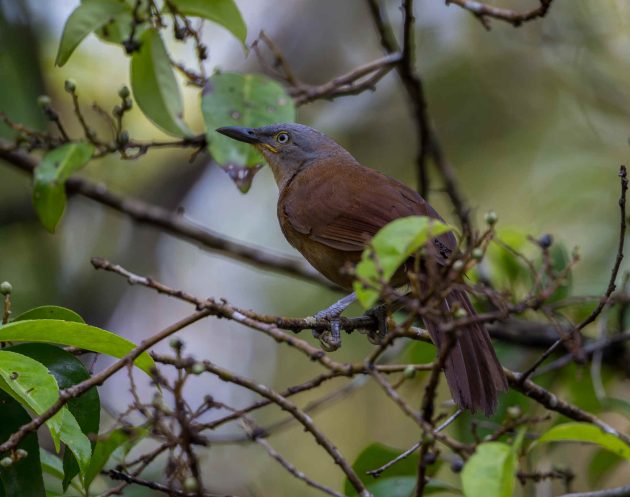
The main point is that the species apparently genetically is a babbler while behaving more like a laughingthrush – or to cite the paper, ” an incongruence in phenotype and genotype is observed”.
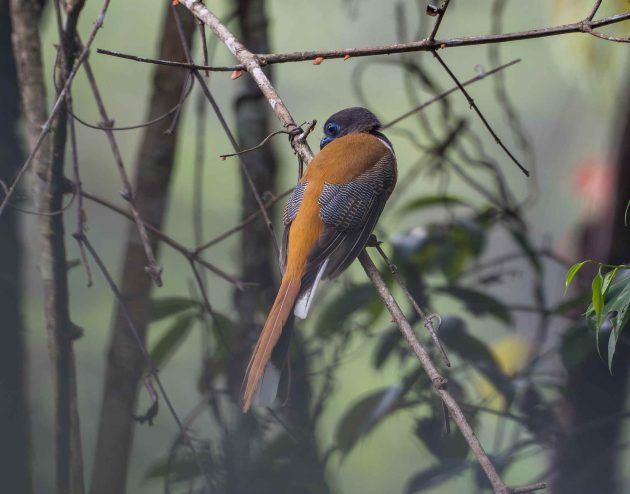
It was nice to get another look at the Malabar Trogon after already seeing it at Kithulgala …
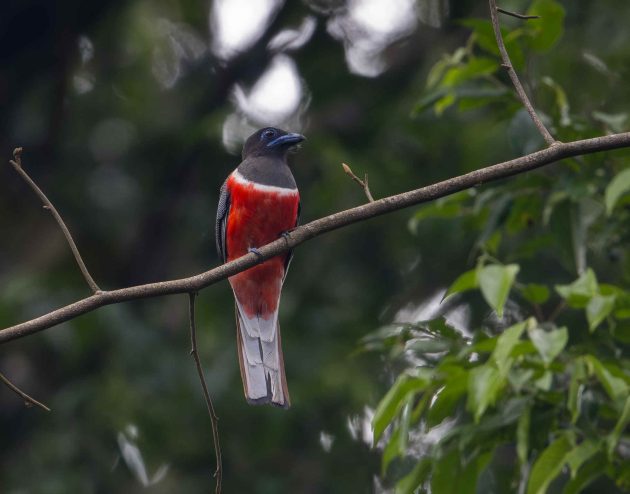
… particularly that this was the first time I also saw the female.
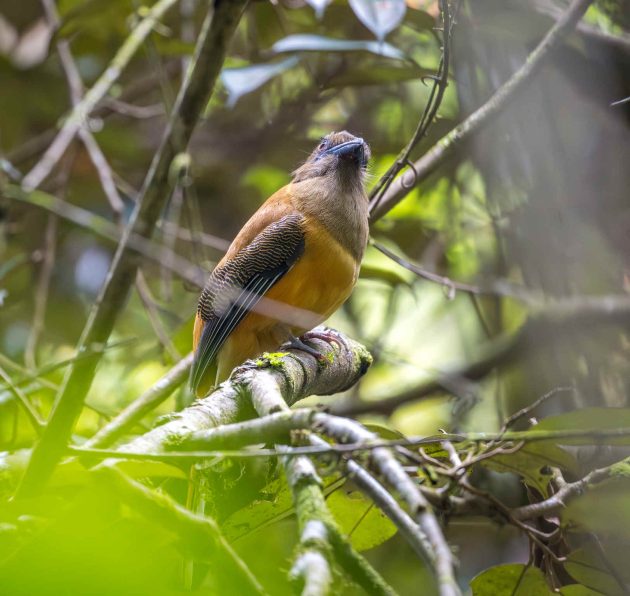
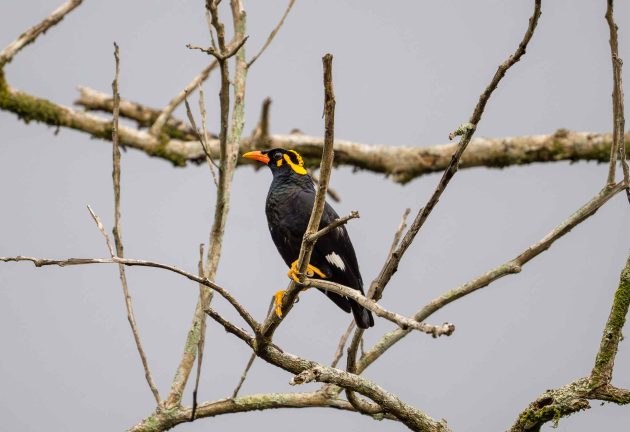
Sinharaja has two mynas, one common and listed as Least Concern, the Southern Hill Myna …
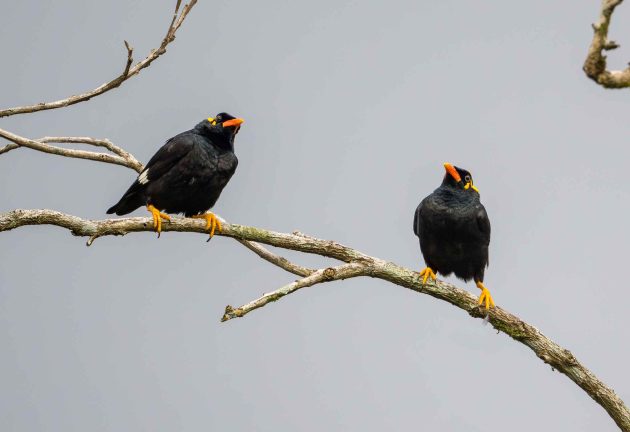
… and one an endemic listed as Near Threatened: the Sri Lanka Hill Myna.
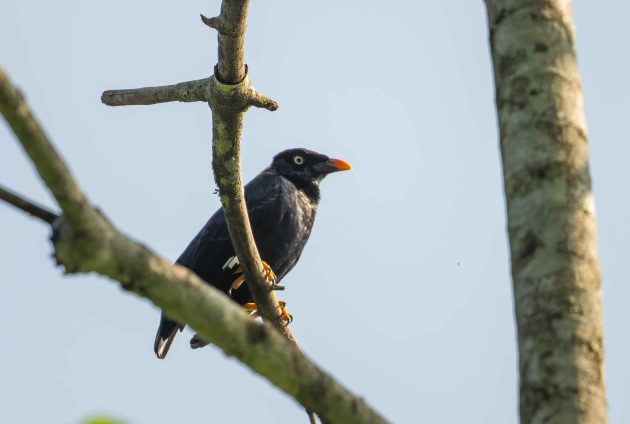
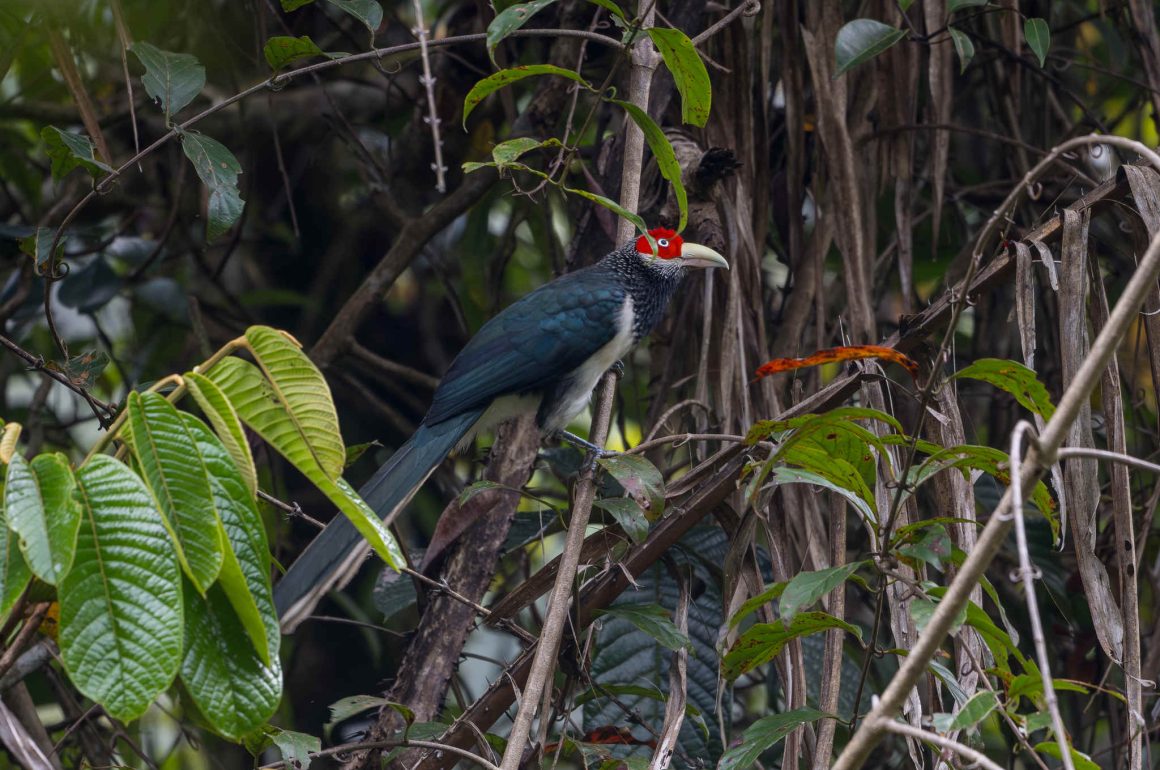
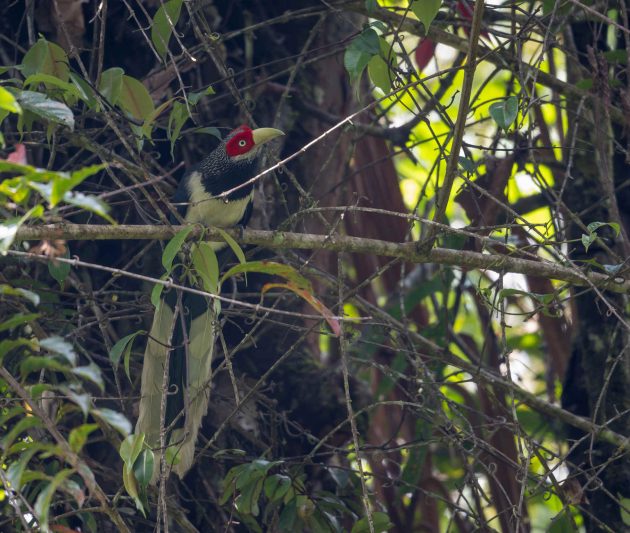
Another endemic, the striking-looking Red-faced Malkoha, is sadly listed as Vulnerable.
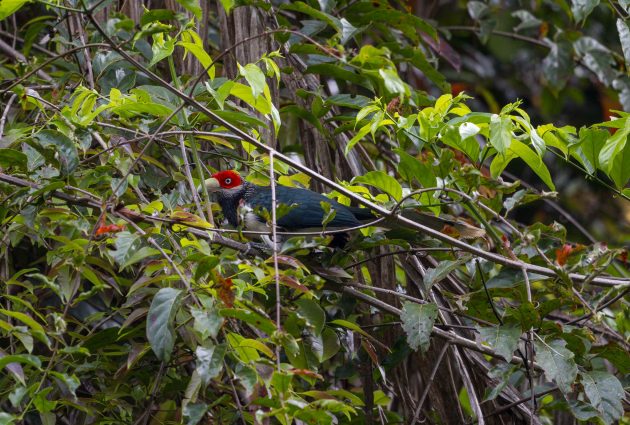
There seems to be substantial uncertainty about the rarity of the species – is it several thousand or only a few hundred? In any case, it seems sufficiently rare that observing an individual is worth a paper in Forktail.
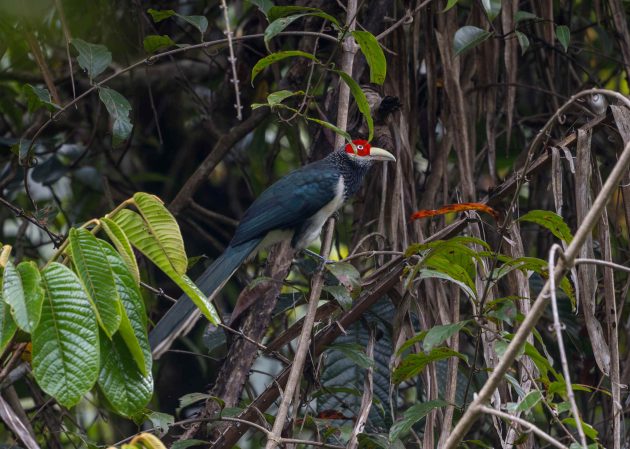
At least in earlier days, shooting for food was a danger to this species – one bird guide published in 1955 describes the flesh as tender and not unpleasantly flavoured (source).
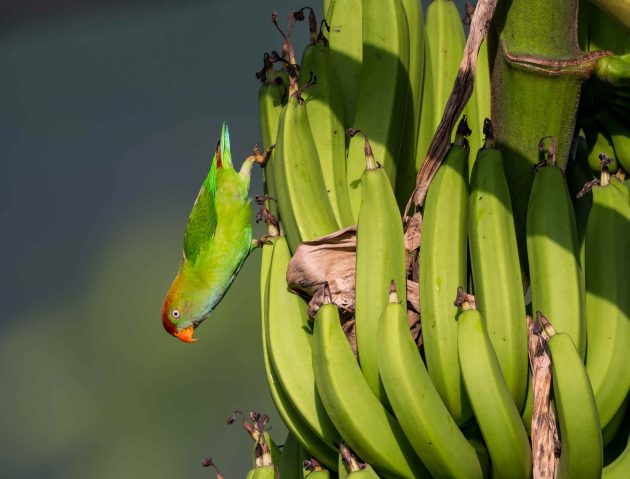
Fortunately, another endemic, the lovely-looking Sri Lanka Hanging Parrot, is not endangered.
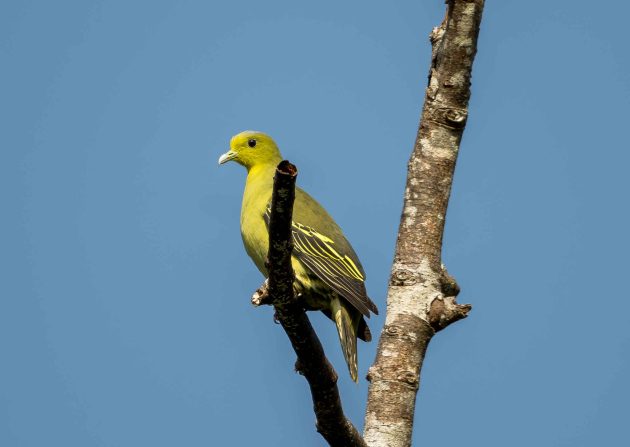
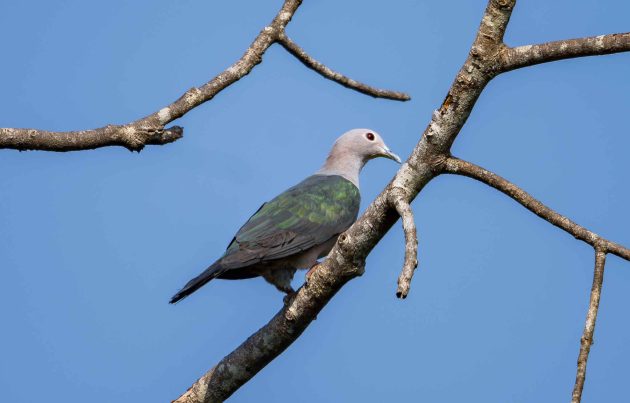
Neither is the Sri Lanka Green Pigeon, yet another endemic. Its scientific name, Treron pompadora name-checks Jeanne Antoinette Poisson, Marquise de Pompadour (1721–1764), the mistress of Louis XV, King of France, whose favourite colour was purple (HBW).
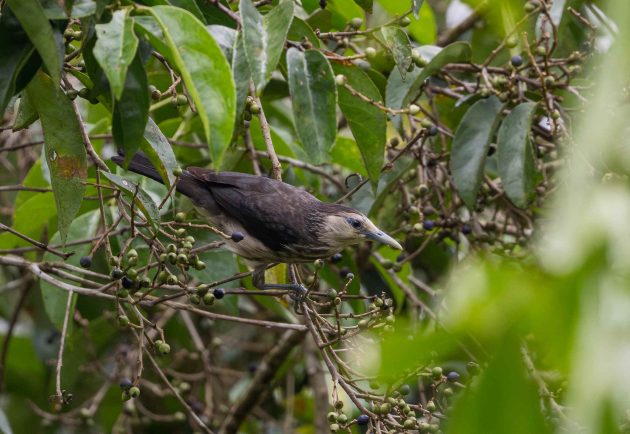
We are back to threatened endemics with the White-faced Starling, listed as Vulnerable.
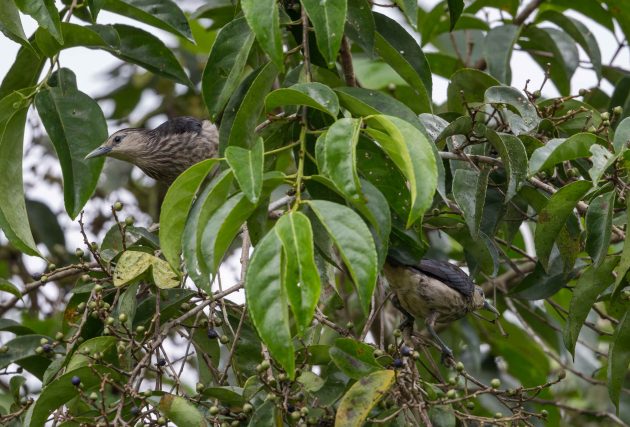
Layard’s Parakeet is the last endemic of this post. The dark bill makes this a female – the male has a red bill.
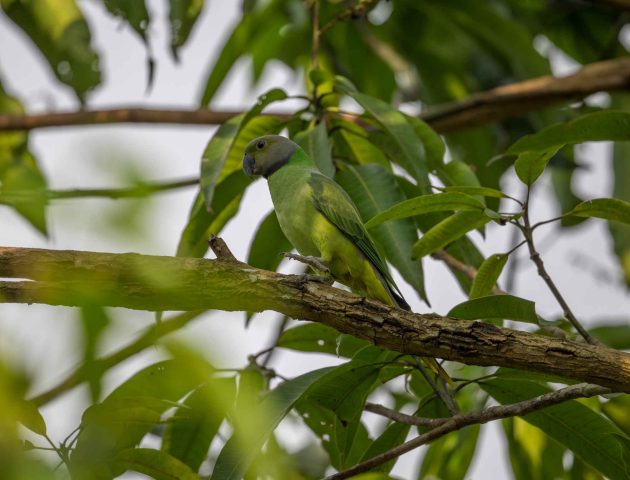
Its scientific name, Psittacula calthrapae, commemorates Barbara Anne Layard née Calthrop (1814-1886), the first wife of English diplomat and naturalist Edgar Layard (HBW). Canadian readers will be shocked to hear that, according to his Wikipedia entry, “Layard chose to go to Canada but found it too cold and returned [to Britain] after 18 months”.
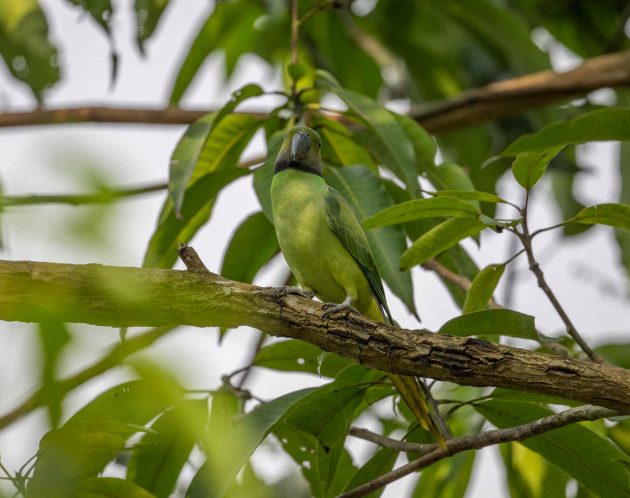
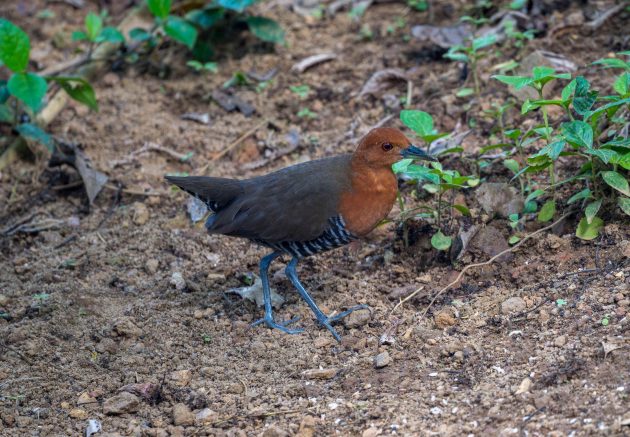
Of the remaining species to be mentioned in this post, the most interesting is probably the Slaty-legged Crake.
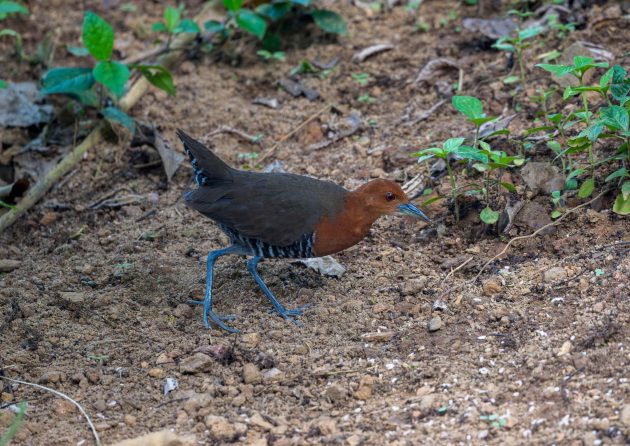
It winters in Sri Lanka and is partly nocturnal.
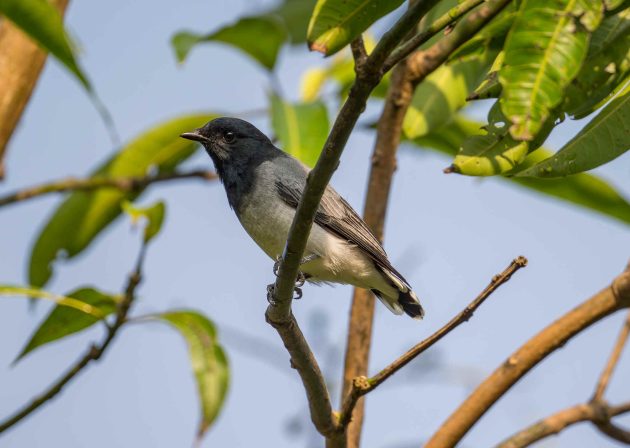
That does not apply to the last three species:
Black-headed Cuckooshrike …
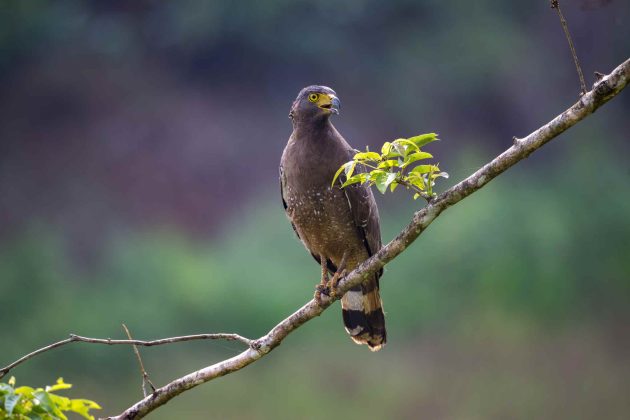
… Crested Serpent-eagle …
… and Green Imperial Pigeon.
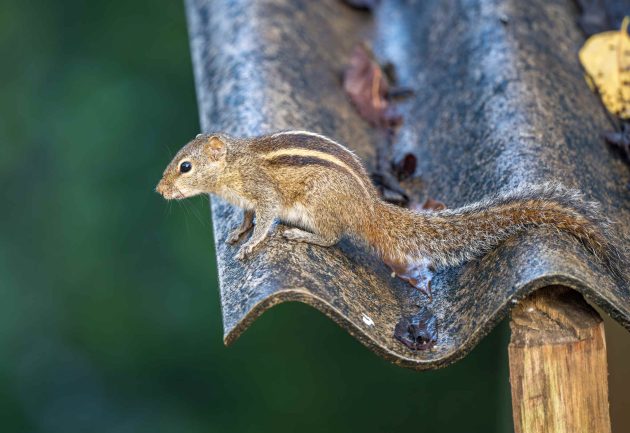
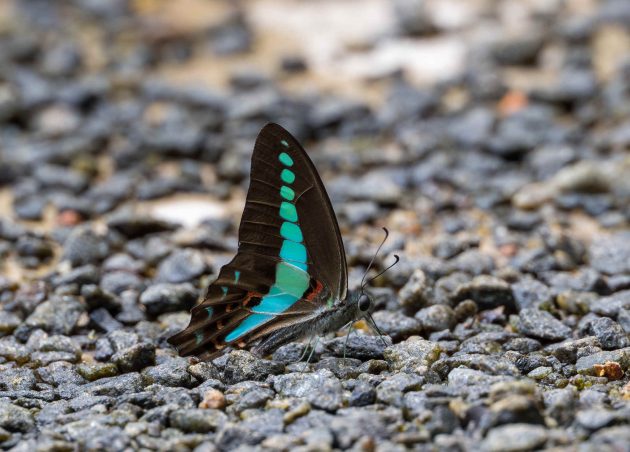
And yes, there is also an “Other” section, as usual without any comment or details.


I was fortunate to visit the forest back in 1998, but my visit was most memorable for the torrential rain rather than the birds. When it rains in Sri Lanka, it doesn’t half rain. We struggled to see birds: it was a frustrating experience as it’s the best site on the island to see endemics.
I would like to see and hear more about warblers
Great that you stayed at Martin’s. As a student in school we did several trips there and always stayed at his place when he was still around. He’s a true legend among conservationists in Sri Lanka. Excellent photos of the tricky-to-see birds as well!