
Prompted by a request for list ideas, I wandered into thinking about conservancies in a textbook example of lateral thinking. What are conservancies? I looked it up and none of the four explanations covered what I always thought it meant. I did what I have done successfully throughout my life in such a situation: ignore reality and stick with my own version. However, it turns out that my version of the term conservancy aligns with the IUCN‘s: “A clearly defined geographical space, recognised, dedicated and managed, through legal or other effective means, to achieve the long-term conservation of nature with associated ecosystem services and cultural values“.
Some of these conservancies are run by large non-governmental organisations. They need not be. As a matter of fact, such organisations often forsake efficiency for other priorities and smaller, leaner organisations can be more effective on the ground. In addition, local and grassroots organisations have established the all-important buy-in from stakeholders in a way a large organisation might struggle with.
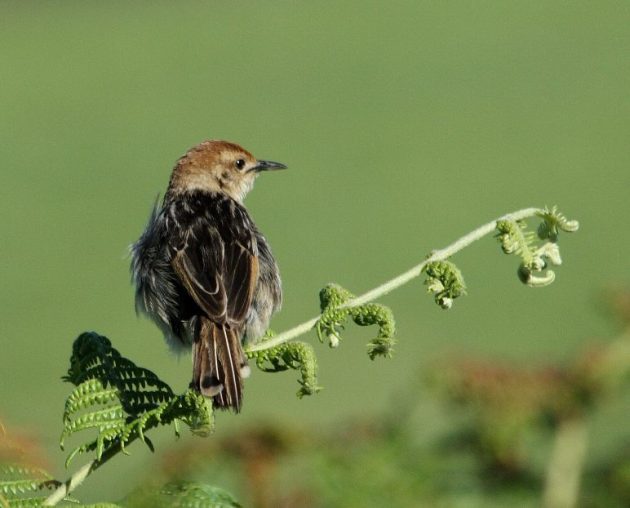
My first highlighted conservancy is the De Tweedespruit Conservancy around the town of Cullinan in South Africa. This conservancy was created by local farming communities to protect agricultural habitat. There are more conservancies in South Africa – each one deserving a visit. I saw my lifer Tinkling Cisticola at De Tweedespruit as well as numerous Amur Falcon and a single Brown Snake-eagle, all part of a day list exceeding well over 50 species. The big advantage of these conservancies over the national parks is the ability to get out of the car and explore. Car birding will yield substantial numbers in South Africa but there will come a moment you just need to get out and walk to see different species.
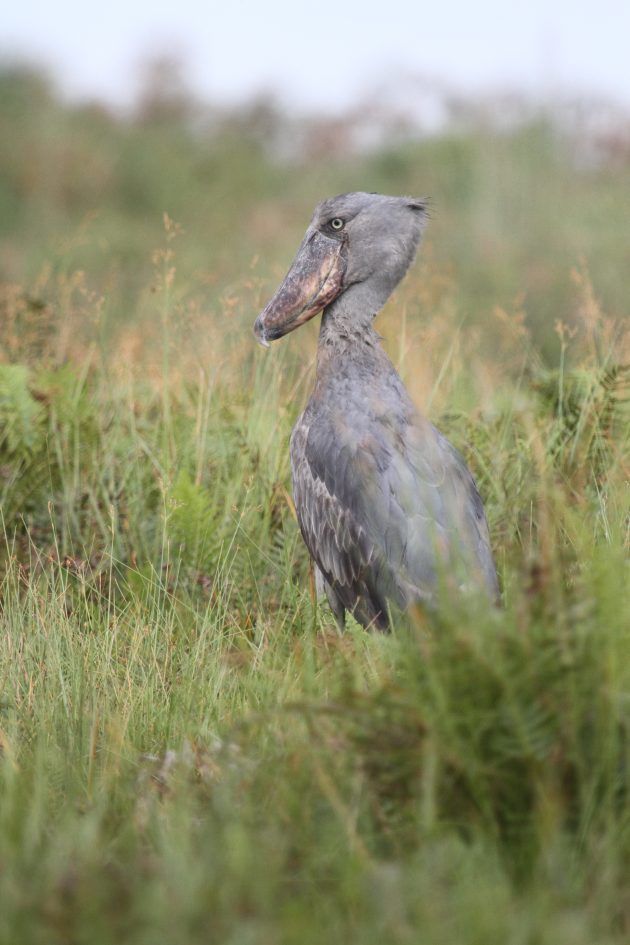
Closer to home, dear to my heart and subject of multiple posts in the past: Polderreservaat Schieveen. Again, an agricultural area. The Netherlands used to contain much more of this habitat and fragmentation, “improved” agriculture and a much larger human population have put an end to the landscape of my youth. Mostly. To paraphrase a famous historical series “The year is 2026. The Netherlands are entirely occupied by intense farming. Well, not entirely… One small group of indomitable conservancies still holds out against the invaders.” Copyright issues prevented me from copying the cartoon so here’s a Shoebill instead. Everybody wins.
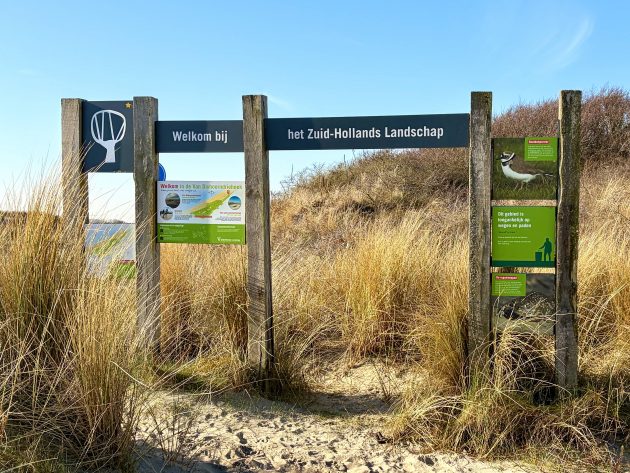
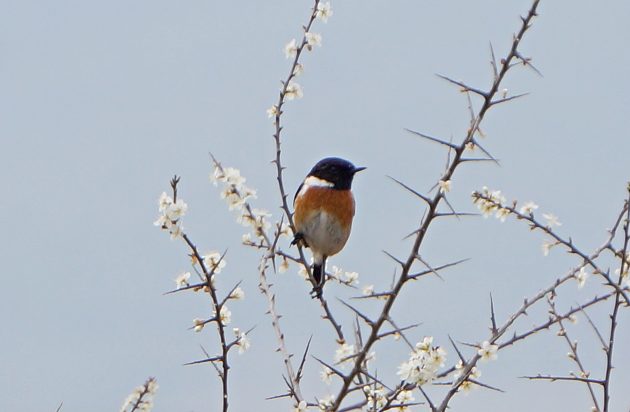
Last week I spent a few happy hours in the dunes at Hook of Holland, managed by the Zuid-Hollands Landschap, my last example. There is such an organisation for every province in the Netherlands, each trying to conserve the typical provincial landscapes. I have been donating monthly to the South Holland chapter. Last year had been a bad year for birding in the dunes. The NGO has been hard at work to remove the abundant vegetation with heavy machinery. The idea was to create more open spaces and bare soil for the benefit of rare plants and the Dune Lizard. The disturbance had been noticeable but that’s all over now. There were Woodlarks singing every 200 meters, Dunnocks were everywhere and I found a pair of European Stonechats.
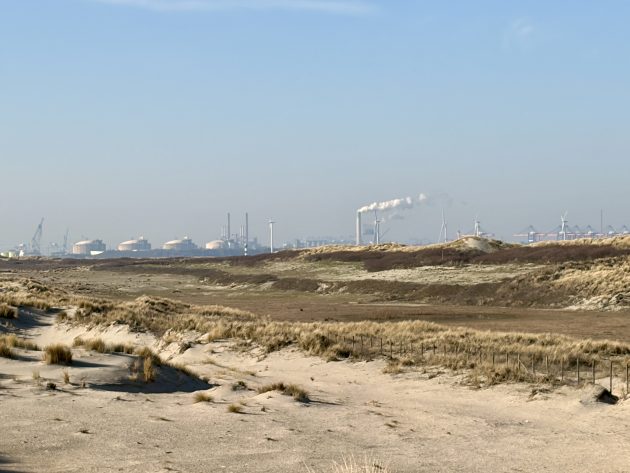
The dune valleys (see picture below) should become more interesting from a botanical point of view, but I fear the birder in me still prefers the shrubs and brambles. I have a feeling these brambles will constitute excellent Nightingale territory and I am looking forward to return visits in the coming weeks.
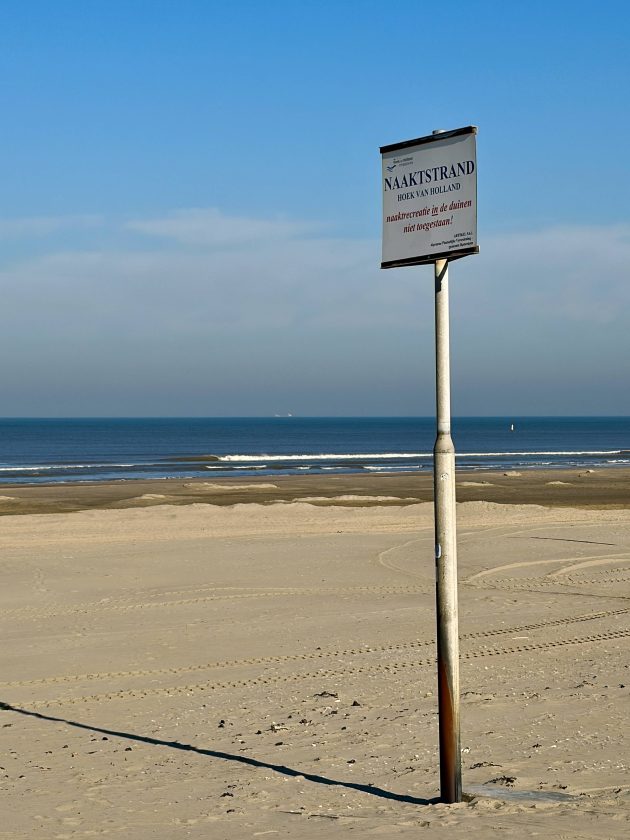
On the way back, I walked on the beach trying to spot some late Shorelarks or Snow Buntings until I inadvertently reached the nudist area. Binoculars and cameras are usually cause for consternation and awkwardness but fortunately, the chilly wind ensured there was nothing to see.





Leave a Comment