

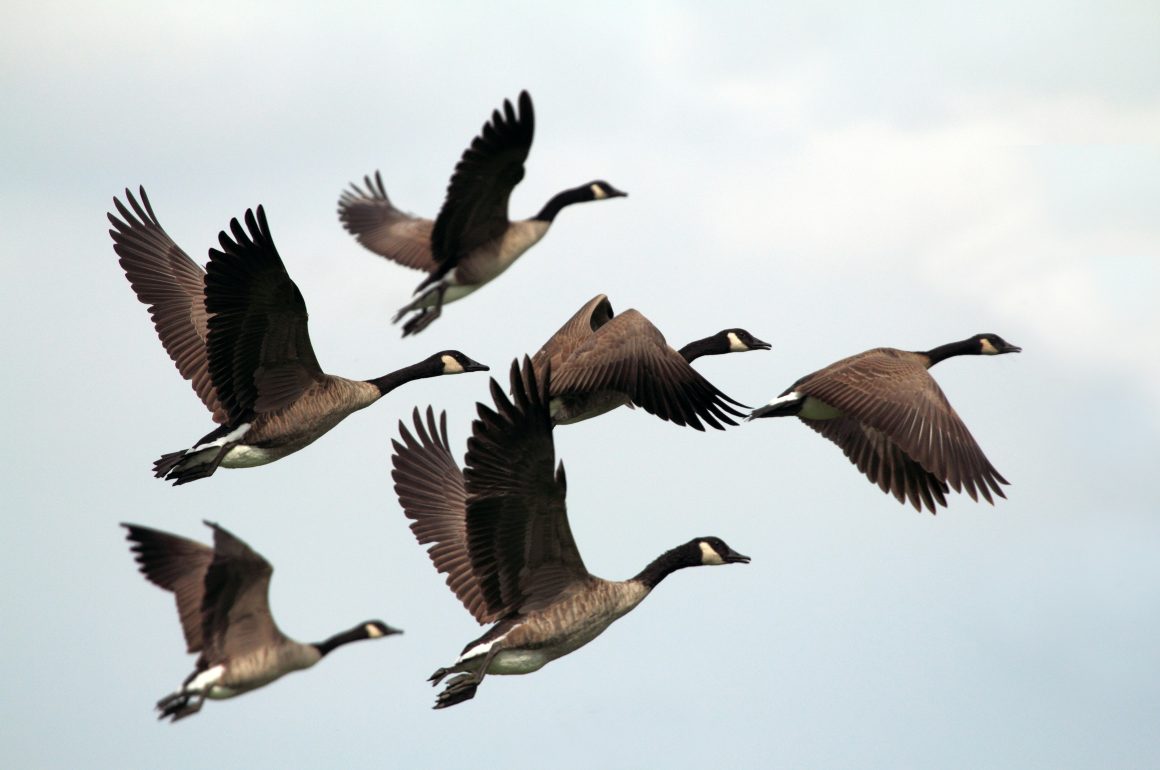
As an avid bird lover, you probably have a bird feeder set up in your yard or on your balcony. While birdwatching is a joyful pastime, the grains in your bird feeder could be contaminated with mycotoxins, a hidden threat to wild bird populations. This contaminant poses numerous health problems for birds, but there are ways bird lovers can help.
What Are Mycotoxins?
Mycotoxins are toxic substances produced when fungi form on grains. Two types of mycotoxins are aflatoxins and ochratoxins, but other types also exist. They can be present on many kinds of grains, such as corn and cereal grains, as well as the Woodpecker’s favorite, peanuts. Maize, tree nuts, rice, cottonseed and spices are other notably affected agricultural products.
The cause of mycotoxin growth is related to the environmental conditions of the grain. Excessive warmth and humidity promote the growth of fungi. To protect the birds visiting your feeders, store grain at 50-75° Fahrenheit to prevent this. Mycotoxins can grow at any stage of the production process, from the field to storage. Leftover grains in agricultural land and improperly stored birdseed are two common areas where fungal growth occurs.
Sustainable agriculture also makes a difference in mycotoxin abundance. Some farming practices, such as crop rotation and soil health, initially reduce fungal growth. Farmers can improve their sustainability, grow more crops and avoid harming the local bird populations inhabiting their fields. Farmers should also store seeds at a lower level in the ground to prevent wild birds from snatching them.
Impact on Wild Birds
Wild birds are at risk because no one monitors their grain intake. Scientists conduct research, but they do not survey them the same way as domesticated birds. Mycotoxins hurt bird health and biodiversity.
Worsened Bird Health
Mycotoxins cause liver damage, reproductive issues and immune suppression in wild birds. Reproductive issues involve reduced fertility, decreased egg production, lower hatching rates and poor chick health. This weakens bird species, making them more susceptible to predators and the elements. Another long-term, potentially dangerous effect is immune suppression. Mycotoxins make birds more vulnerable to other bacterial or parasitic infections that they could have previously survived.
As a birdwatcher, it is essential to recognize the visible symptoms of mycotoxin poisoning in wild birds to report them accurately. Some signs include congenital disabilities, poor feathering, lethargy, weight loss and bloody diarrhea. If an influx of bird populations begins developing these symptoms, report it to the local wildlife agency immediately.
Reduced Biodiversity
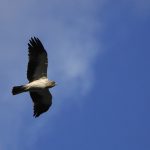
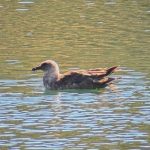
Mycotoxins also negatively affect the biodiversity of the entire bird population and local ecosystems. Mycotoxin-related illnesses contribute to population declines, especially for the most vulnerable species. One ailment, aspergillosis, is a fungal infection. Some vulnerable bird species include Shorebirds, Raptors, Laughing Gulls and Bald Eagles. Scientists most commonly report aspergillosis in Gulls, Waterfowls and Raptors.
Some granivorous birds are more vulnerable to mycotoxin-related illnesses because they feed on grains with fungi-prone feed and in fields with various insecticides. These birds are Ducks, Geese and Turkeys. These bird populations are at risk without proper control of mycotoxins in both birdseeds and insecticides.
Once bird populations start to dwindle, it can throw entire ecosystems off balance. Insect populations previously controlled by birds will grow. The decline in bird species also disrupts plant pollination and seed dispersal. This negatively impacts all members of the ecosystem.
How Bird Lovers Can Help

Birdwatchers make significant contributions to both the local economy and conservation efforts. In fact, they spent over $107 billion on binoculars, cameras and other birdwatching equipment in 2022. This creates leverage for bird lovers to advocate for real change.
One way you can help today is by purchasing high-quality, mycotoxin-free birdseed for your feeders. Remember to store it properly, avoiding excessive moisture that can promote fungal growth. Look for signs of mold or contamination in your current bird feed. Some noticeable signs include clumping, musty smells and discoloration. Discard any inadequate grain immediately.
Clean and maintain bird feeders too, as this is another potential area for fungal growth. Support organizations that emphasize sustainable agriculture and conservation practices. Report sick or dead birds to your local wildlife agency and stress the need for more research on mycotoxin concentrations.
Creating a Safer Future for Wild Birds
While the threat of mycotoxins can be scary, birders have the power to make a difference. The collective impact of informed and passionate bird lovers can help change regulations, contribute to research and sustain local bird populations.





Leave a Comment