

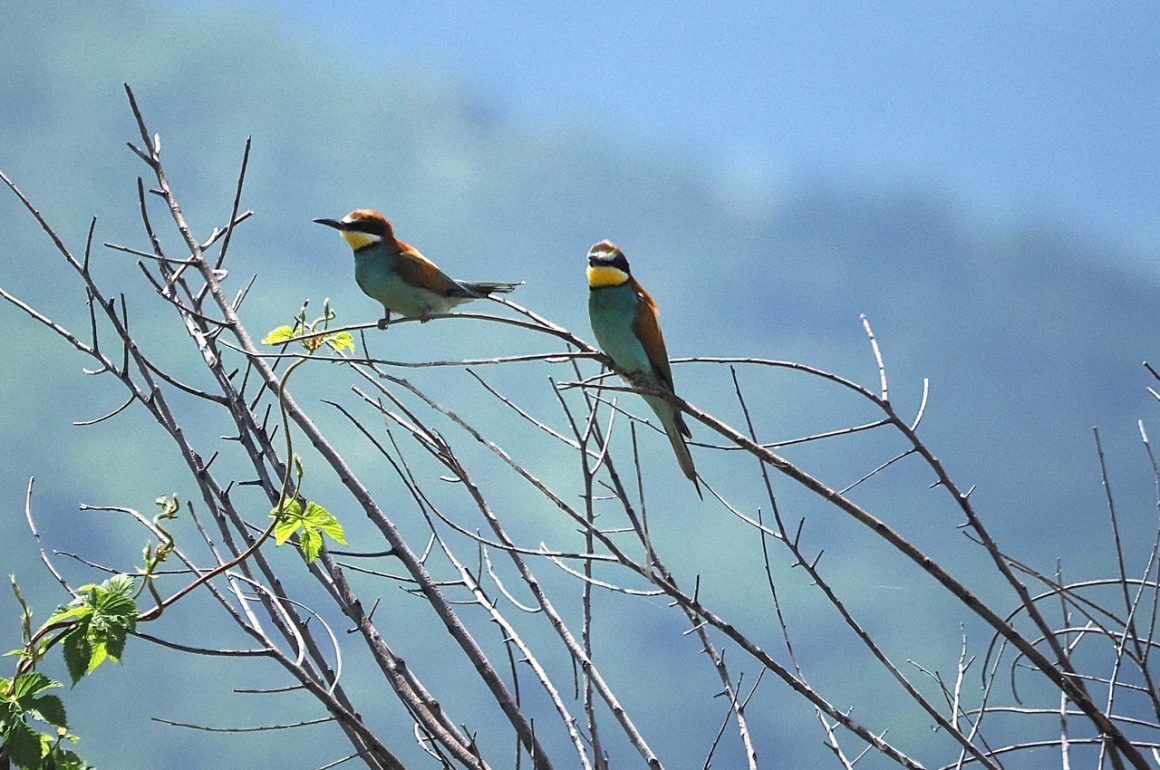
What a difference a month makes. Last year I visited northern Greece – one of my favourite birding paces – in early May. During a nine-day trip I recorded over 170 species of birds, a pretty good total for anywhere in Europe in May. This year I went back in early June, followed almost the same itinerary as the year before, yet struggled to pass the 120-species mark.
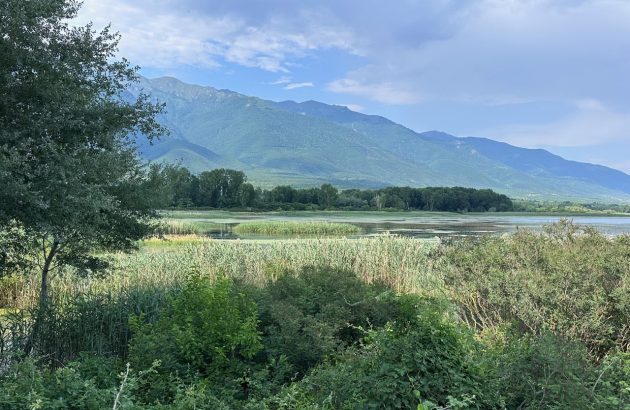
The most obvious reason for this considerable difference in the species count was migration. In early May many birds are heading north, through Greece, to their breeding grounds in northern Europe, Russia and even Siberia. In 2025 I recorded some 18 species of waders, but this year the total was just two. This year the weather was unusually hot, with temperatures comfortably exceeding the 30degC mark (86degF) every day, peaking at around 35degC. Birds are less active when the temperature is so high, and so too are birders – it takes more effort to look for birds when it’s so hot.
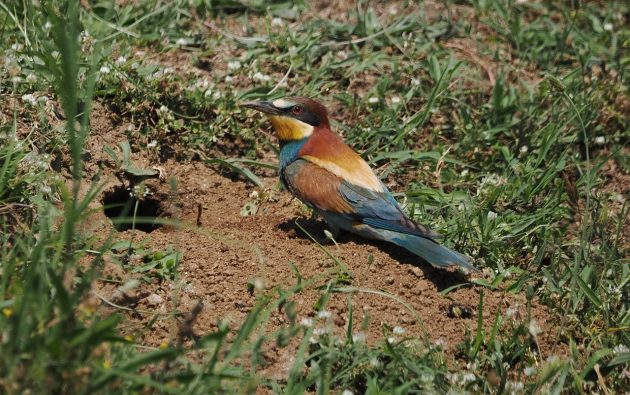
Bee-eater at its nest hole
By early June most birds are busy with nesting, so there is markedly less singing and display, making some species harder to find. It’s difficult to overlook such showy birds as Bee-eaters and Hoopoes, but I failed completely on Olive-tree Warbler, Ortolan Bunting and Masked Shrike, all birds I expect to find in May.
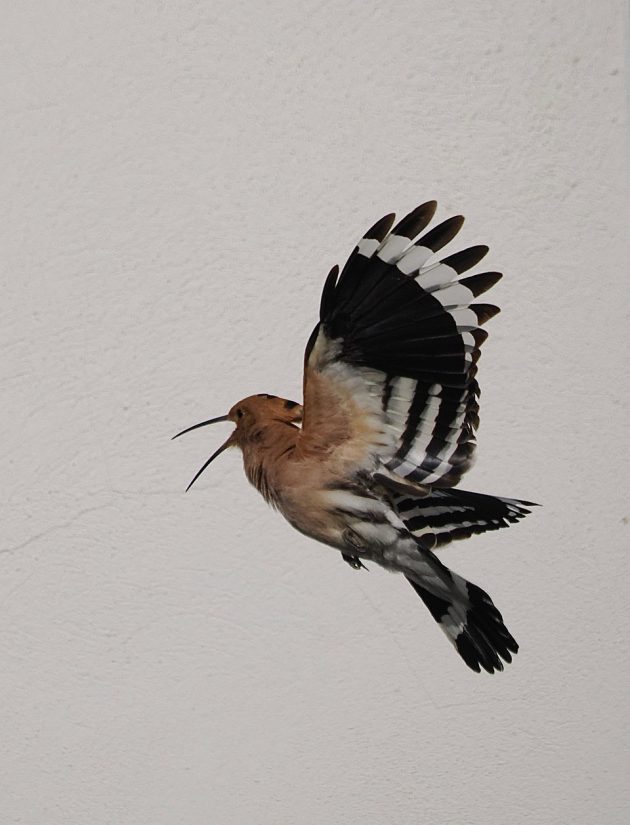
Hoopoe: not a bird that you can overlook
But though my species count may have been well down, there were still many memorable sightings. I was based for the first five days around Lake Kerkini, and in summer there’s always a rich variety of herons to be see here, ranging from Squacco and Night Herons to three different species of egrets (Cattle, Little and Great White). Kerkini supports a good breeding population of Spoonbills, and my peak count was over 100 birds, feeding together in a large, loose flock.
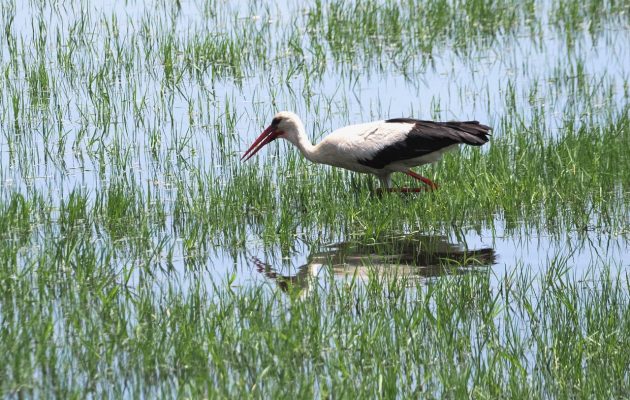
White Storks are common all around the lake
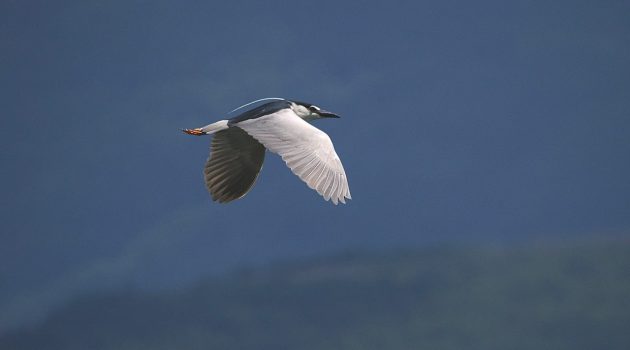
Black-crowned Night Heron, a common breeding bird on the lake
The lake is noted for its nesting Dalmatian and White Pelicans. They are early nesters, so by June they have fledged young. Dalmatian pelicans are popular with photographers in February, when they sport splendid orange beak pouches, but by June the orange has completely faded back to a pinkish-yellow. This year I didn’t take a boat trip on the lake (essential for good pelican photography), so I took only a few photos of these huge, spectacular birds.
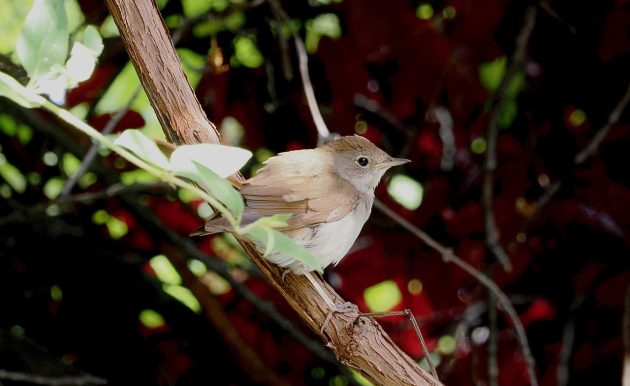
Great songster but not a great looker: a Nightingale. It was in the grounds of my hotel, Viglatoras, in the hillside village of Ano Poroia
I’ve been visiting Kerkini for nearly 20 years, which is long enough to note changes in bird populations. The flooded forest that used to support a colony of several thousands Cormorants, plus numerous herons of a variety of species, has now nearly gone. I noticed that cormorants are now nesting on trees on the lake’s embankment, but my overall impression was that the numbers of Cormorants was well down on the thousands that used to be present.
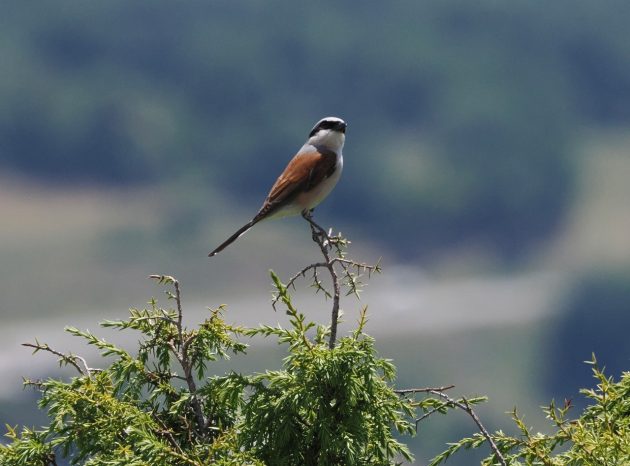
Red-backed shrike – are they less numerous here now than they were a decade ago?
I also felt that the number of shrikes breeding in the area has dropped markedly since my first visit in 2008. I saw Lesser Grey Shrikes at a number of locations, but they now seem to be absent from several sites where I used to be sure of seeing them. Numbers of Red-backed Shrikes, too, seemed to be down. Nor did I encounter many Black-headed Buntings, one of my favourite Balkan birds, and one typical of the farmland around Kerkini.
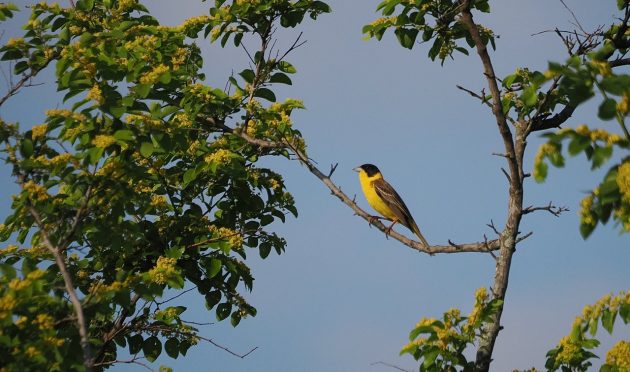
Black-headed Bunting, a typical Balkan farmland bird
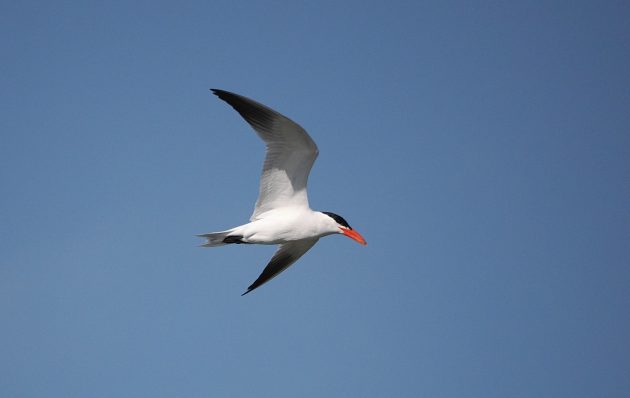
A Caspian Tern photographed in the Gulf of Thessaloniki, where it may have been breeding. This is a very rare breeder in Greece, with only a few records
But while 2026 may not have been a great year (for me) for birds, it was for butterflies. This area of northern Greece is rich in butterflies. Some years ago I took a party of butterfly enthusiasts there in late May, and they found nearly 100 species in a week. They were a dedicated bunch, with the skill to be able to identify even the most obscure and tricky species. They were armed with nets, too, though I might add that any butterflies caught were released after being identified.
This year I found nearly 50 species of butterflies, a satisfactory total as my chief focus was on birds. However, though the variety and abundance of these beautiful insects was high, watching and identifying them, let along photographing them, was challenging. The problem was the hot sunshine, which made them hyperactive, rarely settling for more than a fraction of a second and thus giving no time to point a camera at them. For several species, such as fritillaries and blues, a good photograph helps identify them with any degree of certainty.
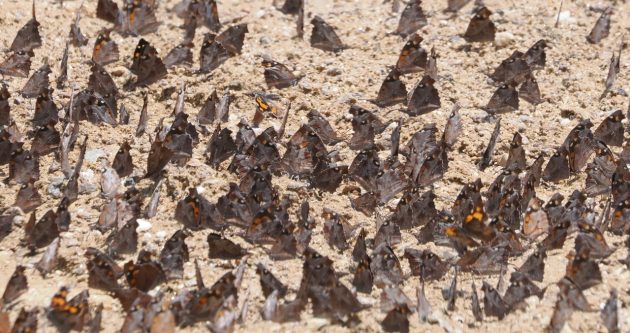
A mass gathering of Nettle-tree butterflies
My most memorable butterfly encounters were with Nettle-tree butterflies. This is an interesting species, as it’s the only European representative of the Libythea, a family of species that is numerous in the tropics. Though widespread in southern Europe, this is a localised butterfly. Here in the mountains above Lake Kerkini it can be abundant, and this year I encountered gatherings of hundreds, sometimes thousands, of insects. They were congregating together in great numbers to drink from damp ground: when disturbed, they made a spectacular sight as they flew up in a blizzard of wings.
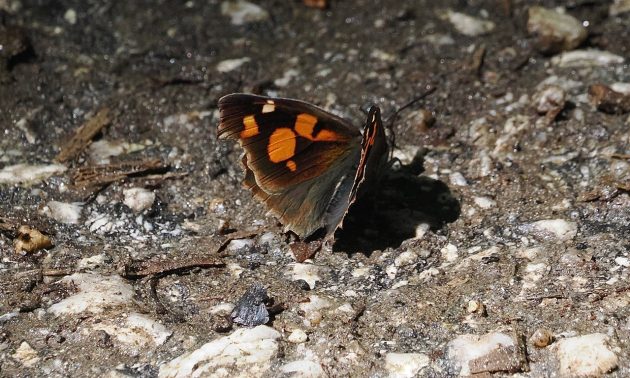
Nettle-tree butterflies are widespread in the Mediterranean region
Nettle-tree butterflies undertake local, altitudinal migrations, so the individuals I encountered had probably emerged at a considerably lower elevation where their caterpillar’s food plant, the Nettle-tree, grows. I’ve never seen such spectacular congregations of butterflies before anywhere outside the Tropics.
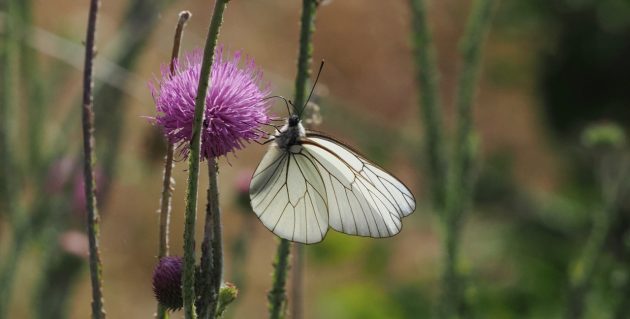
Black-veined white, an attractive butterfly lost from England more than a century ago
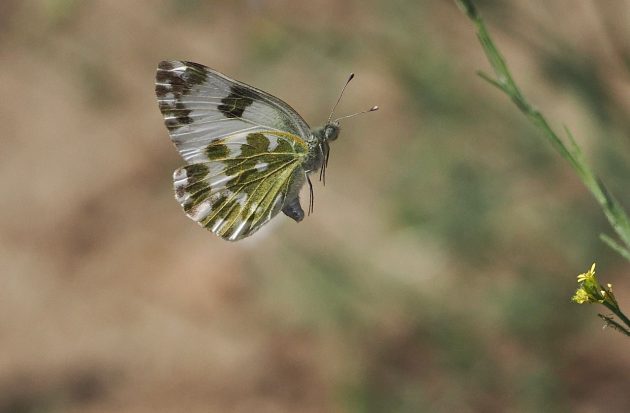
Dappled white – photographed in flight as it refused to land
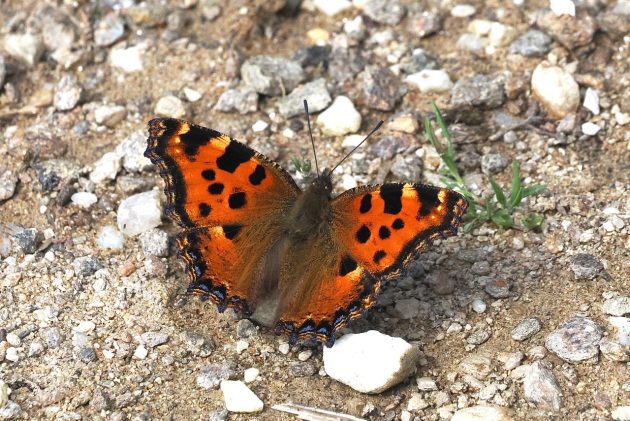
Large Tortoiseshell is another butterfly now extinct in Britain, though there are signs that it may be trying to recolonise
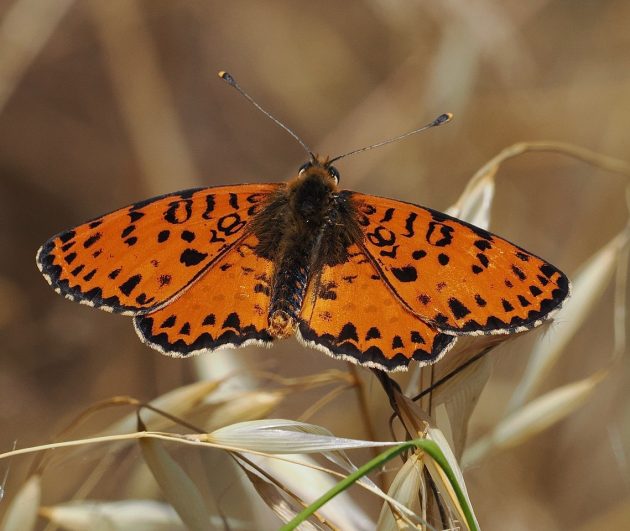
Fritillaries are easier to identify when you have a good photograph. This is a Spotted, a handsome but highly variable species
For a British butterfly enthusiast, it was exciting, too, to encounter numerous Large Tortoiseshell butterflies, a species that has been extinct in Britain since the middle of the 20th century. It’s a big, handsome butterfly, and I was able to get some satisfactory photographs. In contrast, I only saw three Camberwell Beauties (a species known in North America as the Mourning Cloak). This is another butterfly that is a great rarity in Britain, where I’ve never seen one. Despite my best efforts, my attempts to get pictures of one were not successful. The only one to settle (below) did so on an almost white gravel road, and the light was so tricky that it confused my camera. By the time I had sorted out the exposure it had gone. Better luck next year, perhaps?
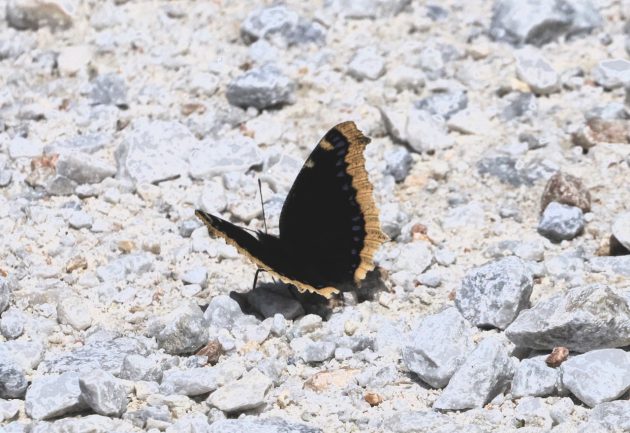
Camberwell Beauty, the butterfly known in America as the Mourning Cloak








I was there in late March and had a wow of a time. Not so many migratory species but great conditions. I did two boat trips and we had good sightings. The visit was a high point of my time in Greece.