

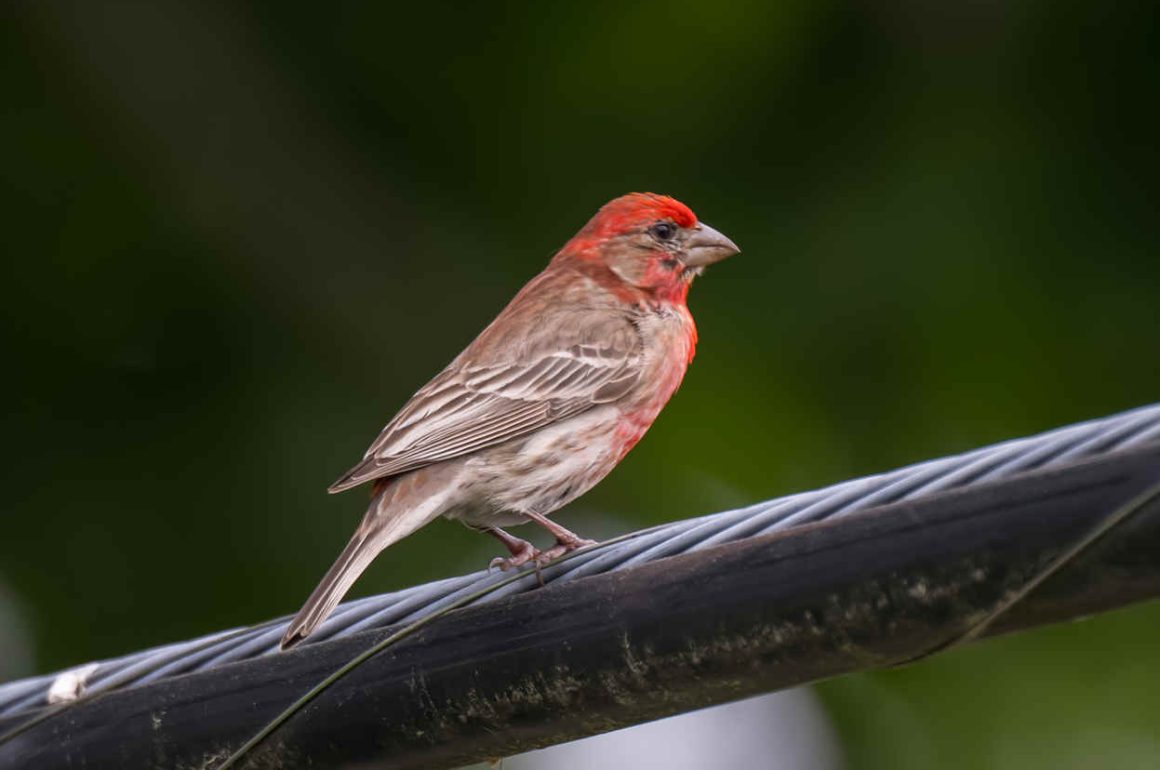
Like several other birds in my recent Maine series, the House Finch is described as “one of North America’s best studied birds” (HBW). Fair enough. Unfortunately, its species profile is also dedicated to a member of the Cornell Lab of Ornithology’s Administrative Board (Scott Edwards). I think these people should feel a bit ashamed of themselves. Or perhaps ask FIFA for a Peace Prize as well.
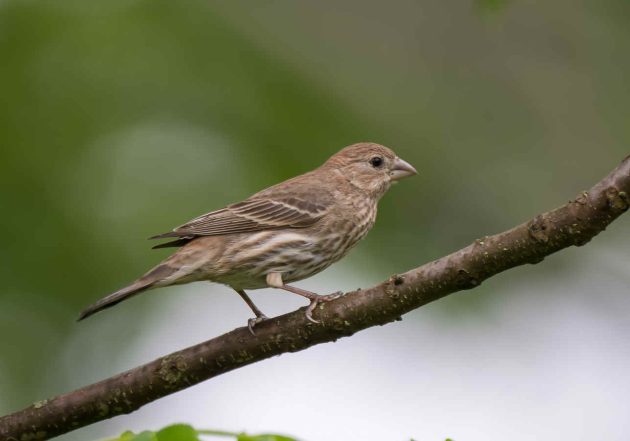
Its historic distribution is interesting (at least to me—most US birders have probably heard the story too many times already). Originally, the species was restricted to the arid Southwest of North America; today it can be found almost anywhere in the US, partly thanks to the release of a few birds in New York in 1939. Maybe some New York resident wanted to make sure that all birds mentioned in Steinbeck novels could also be found on the East Coast.
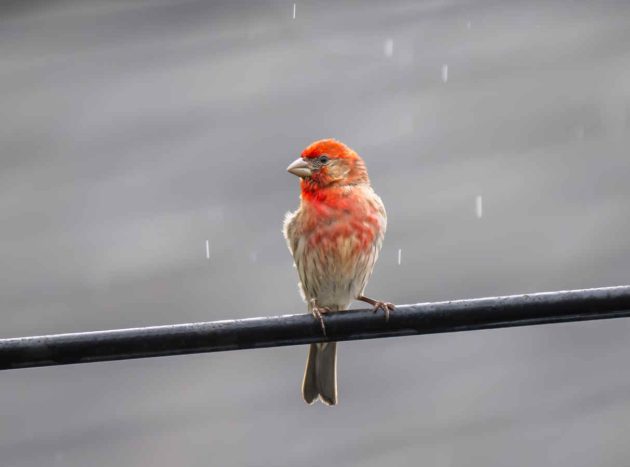
For once, I completely agree that the question listed under “Priorities for Future Research” in the HBW profile is genuinely exciting: “Why has this species, well-adapted to an extreme desert environment of sw. North America, undergone such an unprecedented expansion of its ecological and geographic range over the last 80 years?”
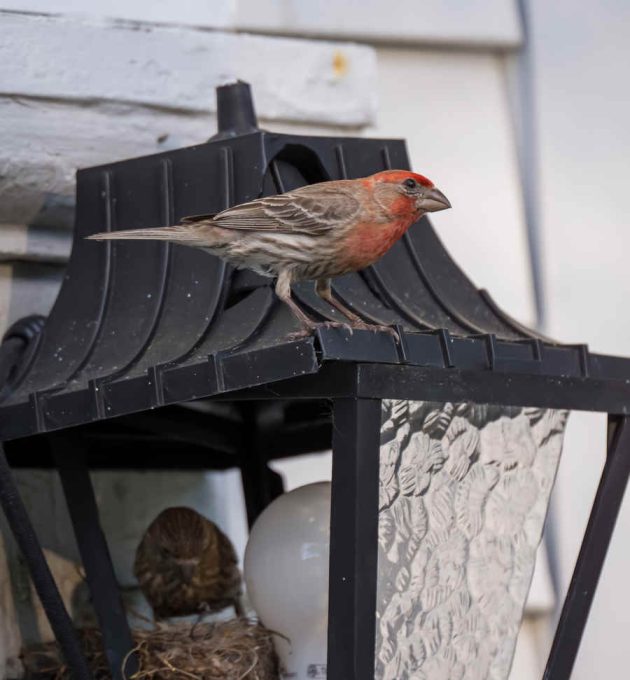
Given its current distribution, the scientific name Haemorhous mexicanus is somewhat misleading. I am sure the US president will get around to fixing this once he has dealt with a few smaller issues, such as inflation, affordability, and the war in Iran.
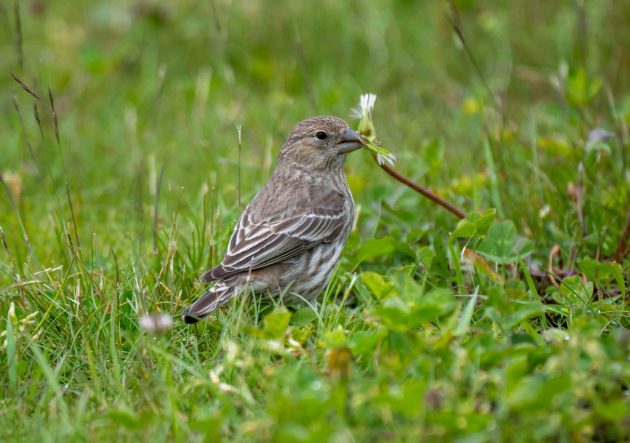
One paper introduced the term Avian Anthrophobia, making me wonder whether I might suffer from Human Anthrophobia instead. It turns out that rural House Finches are more stressed by people than urban ones. If that also applied to me, moving back from Shanghai to a village in Germany might actually increase my Human Anthrophobia.
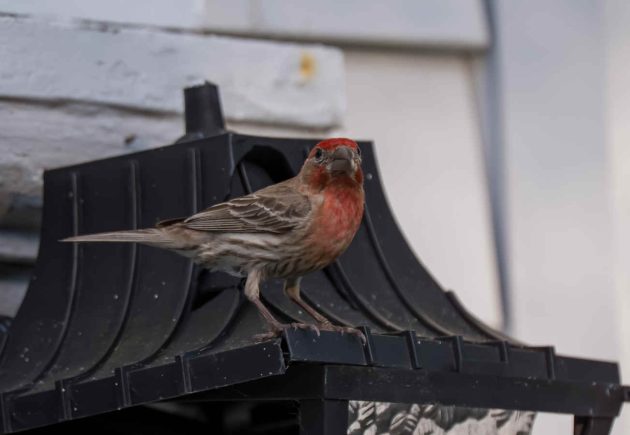
Another paper reports that heavily disturbed urban birds are better at problem solving than heavily disturbed rural birds. That may well have something to do with the same underlying adaptation.
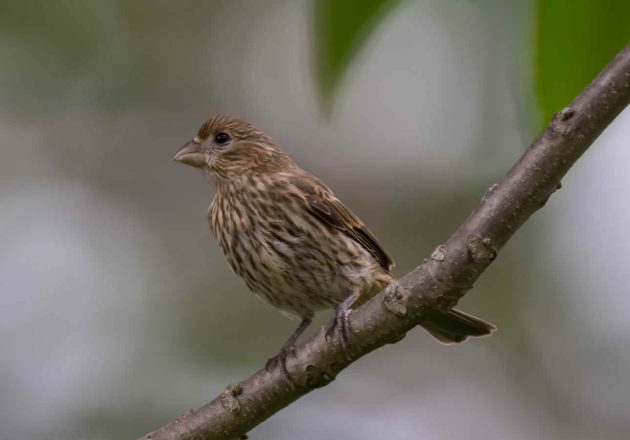
I am not sure whether referencing an Olivia Newton-John song in the title of an ornithological paper is a good idea. To me, it feels a bit cringeworthy. What do you think of this title?
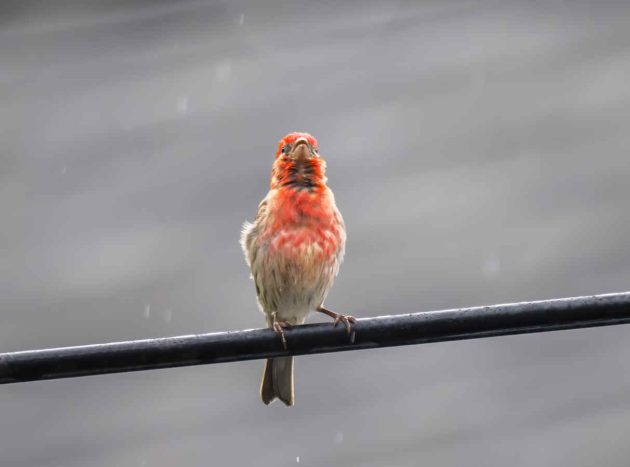
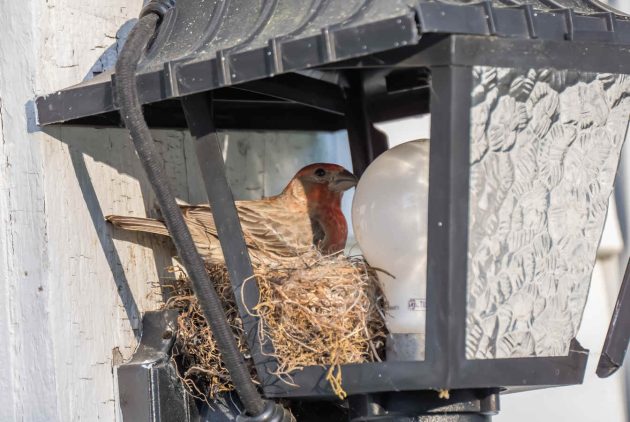
On the other hand, without those first three words, I probably would never have opened the paper. The downside is that I now have both Olivia Newton-John and Michael Scott singing “Let’s get ethical!” stuck in my head. Was it worth it?
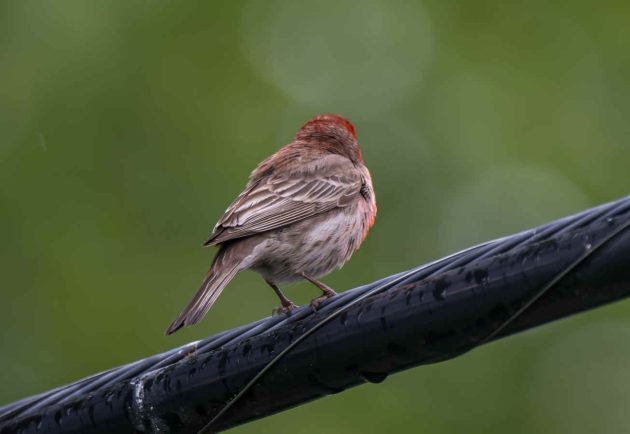
Photos taken in Maine in June 2026





Leave a Comment