

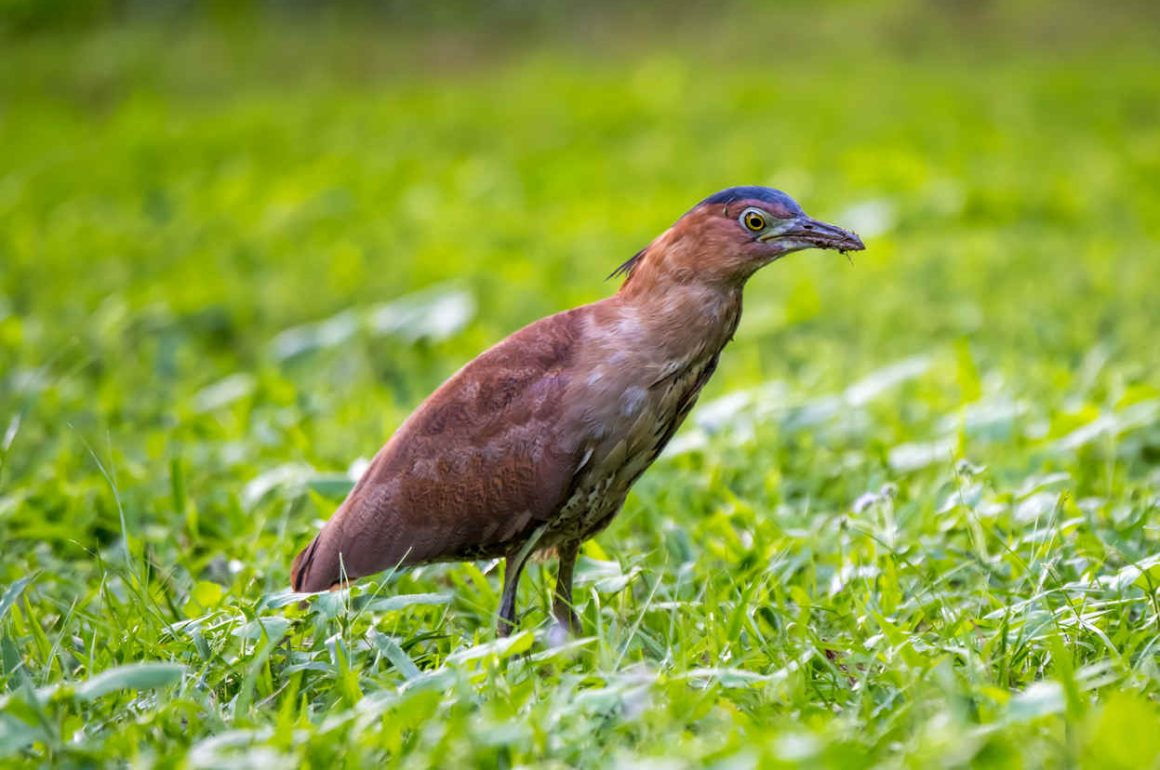
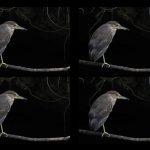
Looking at the wide distribution range of the Malayan Night Heron, I am surprised I just saw it for the first time in Taiwan, of all places – a few thousand kilometers away from Malaysia.
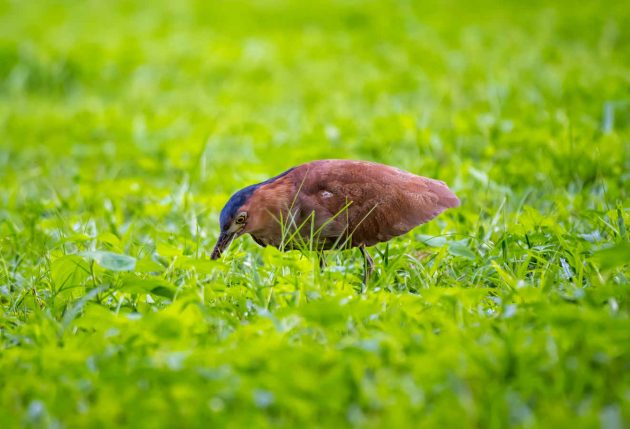
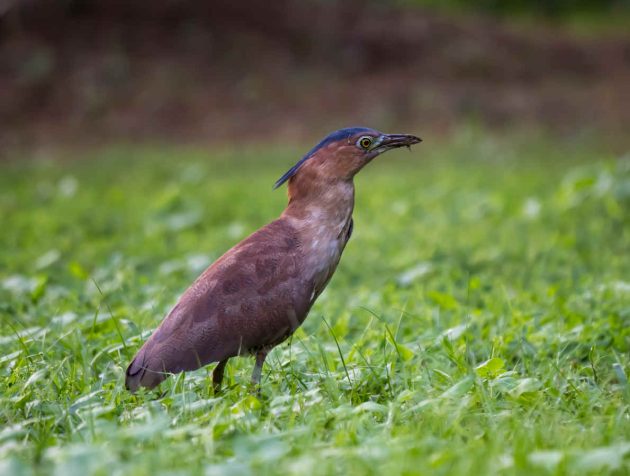
But that is not the only aspect of the bird’s name that seems a bit misguided. The scientific name Gorsachius melanolophus makes this a black-crested bird (melanos black; lophos crest), while I can clearly see that the crest is blue.
While the species is generally listed as Least Concern, it is apparently endangered on some southern Japanese islands (source).
However, it was previously considered Near Threatened, and the overall population is estimated at 2000–20,000 individuals, so maybe it is not so surprising I did not see it before.
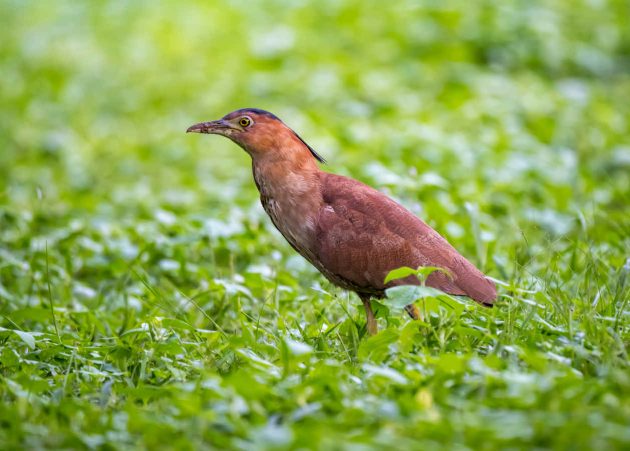
Different from the Black-crowned Night Heron (possibly an even more elegant-looking bird) that I am more familiar with, this one does not depend much on fish for food. Instead, earthworms, snails, and insects are preferred (source).
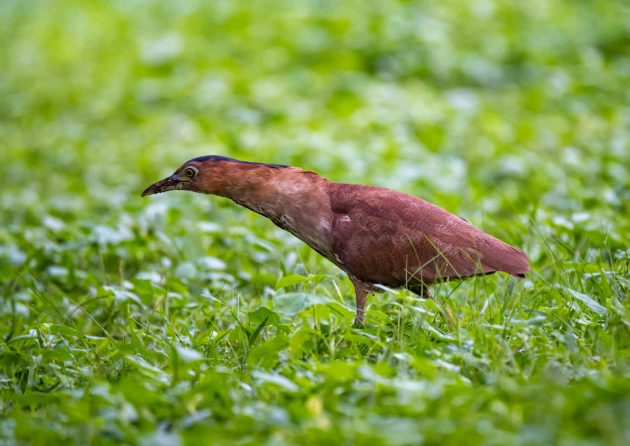
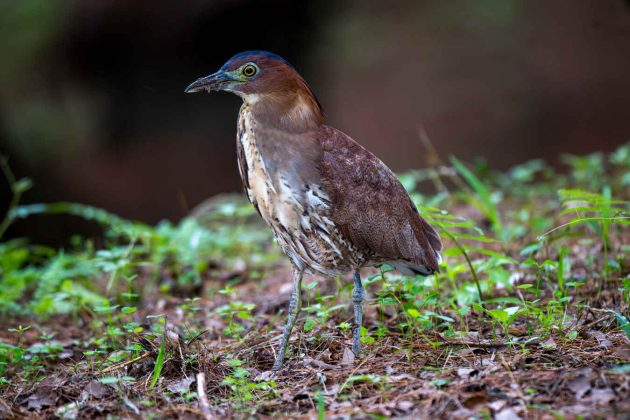
Indeed, the locations I saw the species (basically, lawns) are not exactly fish-rich environments either.
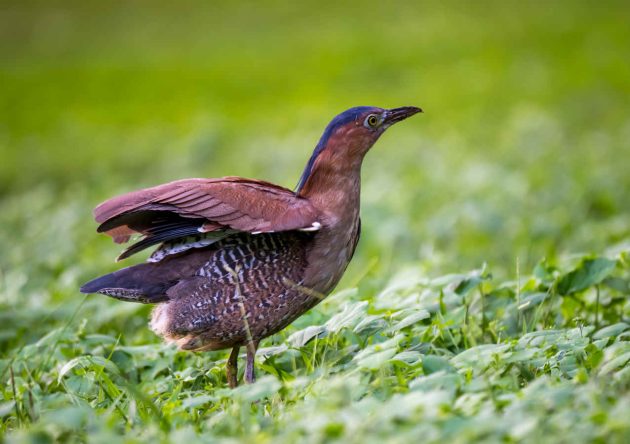
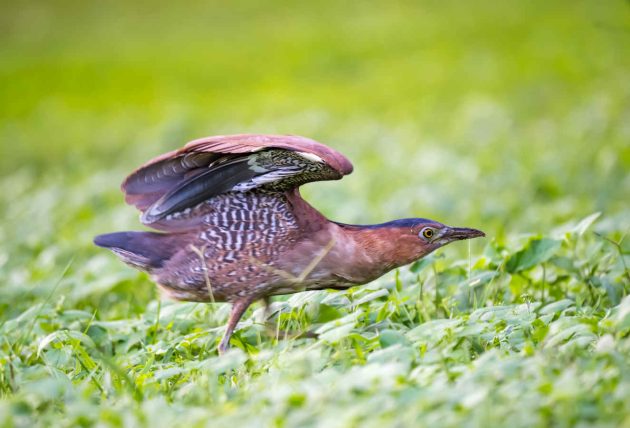
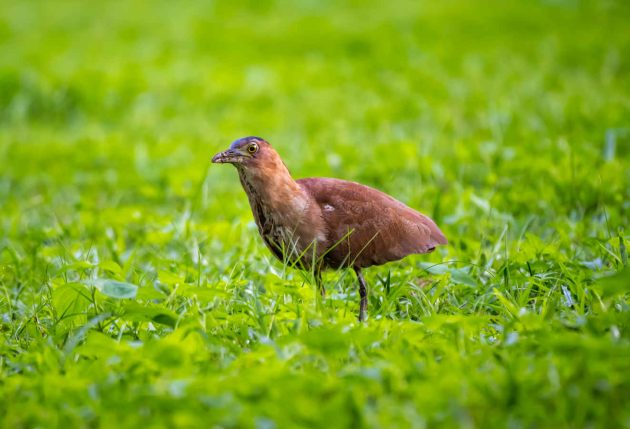
Indeed, I also saw the foraging techniques described by the HBW: “Standing and Walking Slowly”. Does not look very impressive, but seems to work well enough.
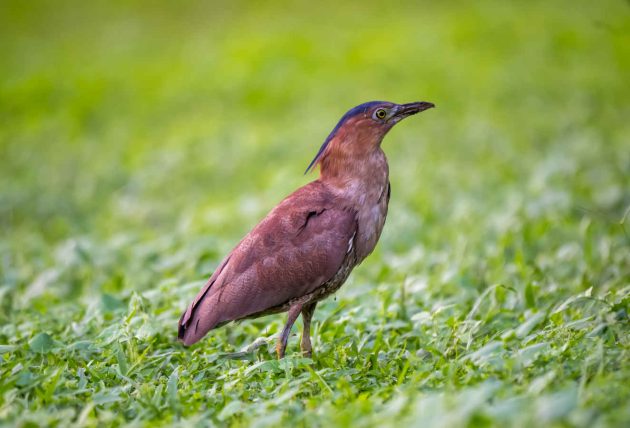
What, once an earthworm is caught? Yes, there is a paper on that: “They usually nip off the worm’s head by vigorous shaking and then swallow both parts after a few minutes.”
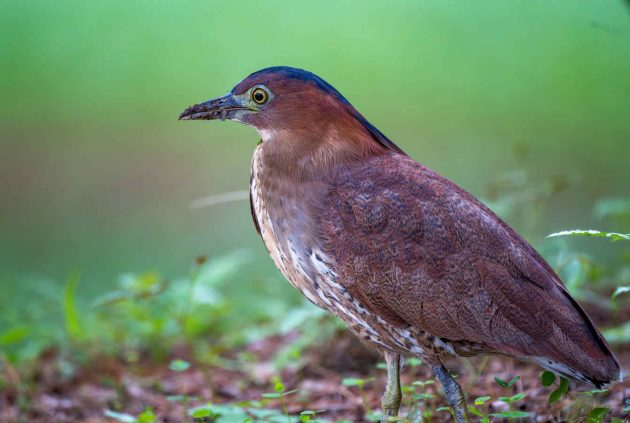
Surprisingly, the only other location I saw the species during my Taiwan trip was right outside my 15-story hotel in urban Taipei – if potentially endangered species want to get any sympathy vote from birders, they better not show up in such locations.
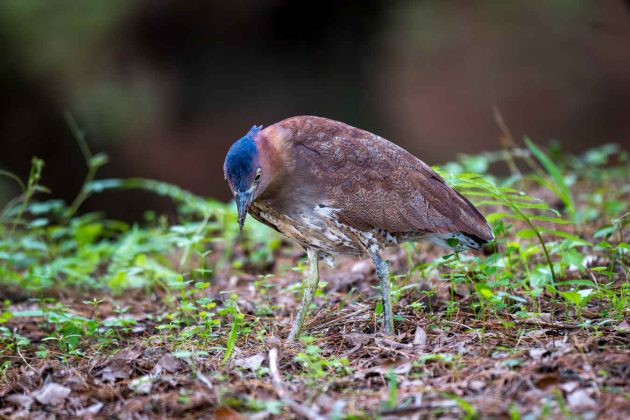
Then again, the habit of older chicks toward their younger siblings does not really encourage much sympathy for their species either – according to another paper, “the last two chicks to hatch were ejected from the nest by the chick that had hatched first.” Par for the course for the Old Testament, but hardly well-aligned with modern morals.









Leave a Comment