

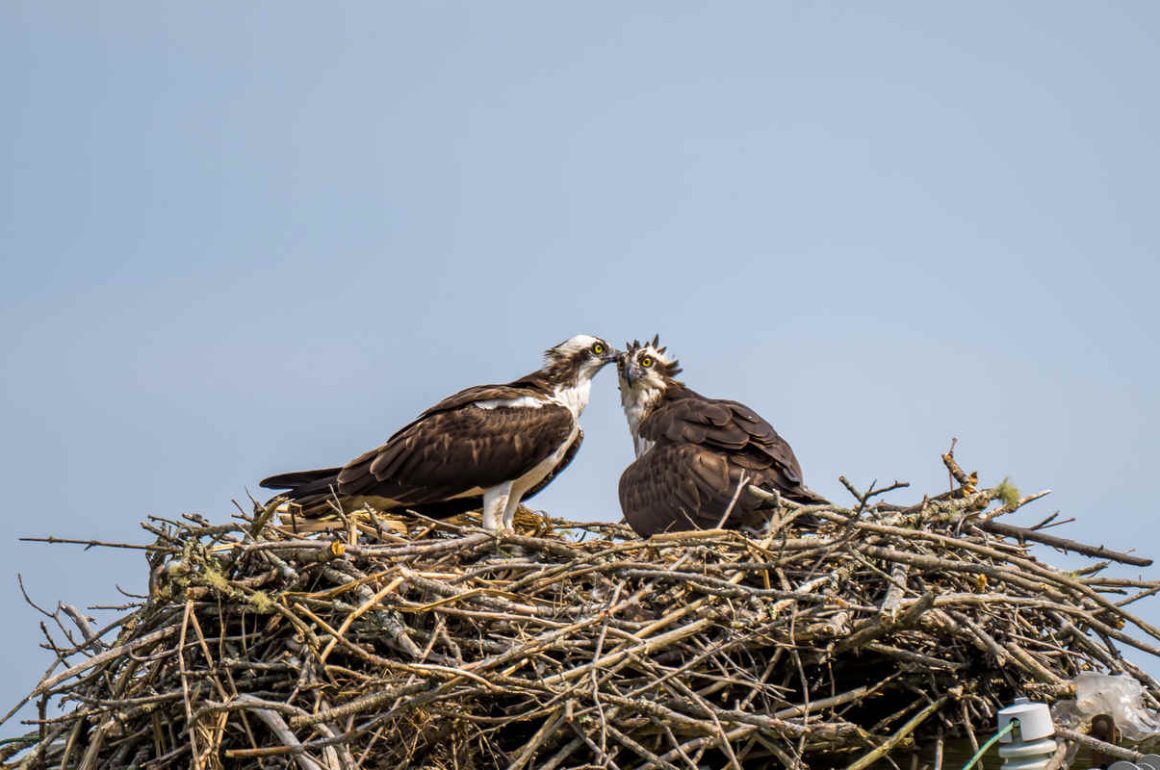
I don’t particularly like fish. Difficult to eat (I am a lazy eater), and a taste that rarely rewards the effort.
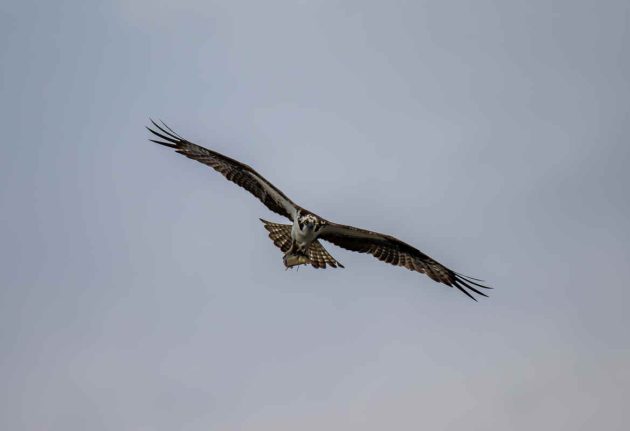
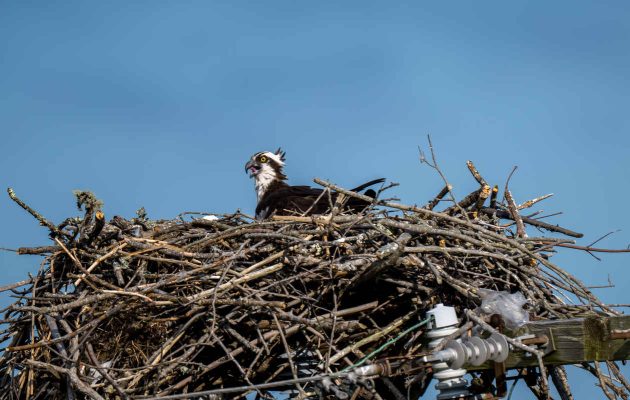
As a consequence, I rarely discuss food with Ospreys — our opinions are too far apart for any meaningful conversation. It usually ends up with one of the Ospreys pointing out that eating fish is very healthy. My deceased mother told me that as well, and I never listened to her either.
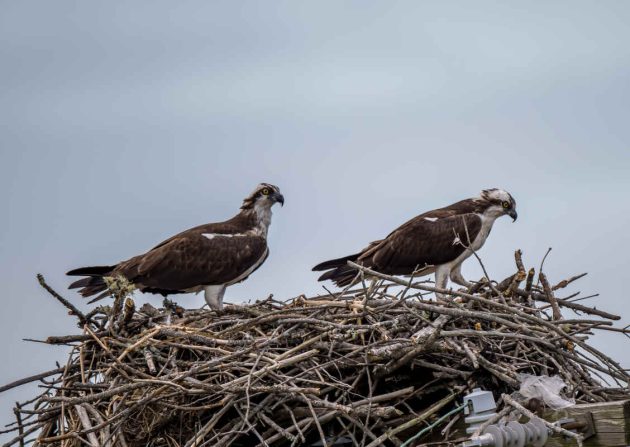
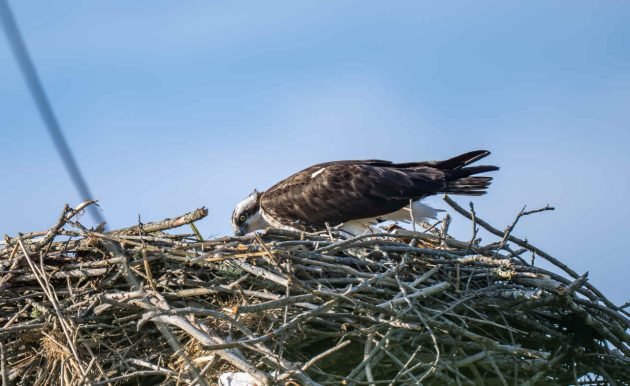
They sometimes even cite scientific literature to me as evidence of their “born to fish” lifestyle — even though this literature can be somewhat embarrassing in its half-baked poetic phrasing: “From their talons to the tip of their bill, every bit of an Osprey’s morphology is adapted to taking fish from the water and consuming them efficiently” (source).
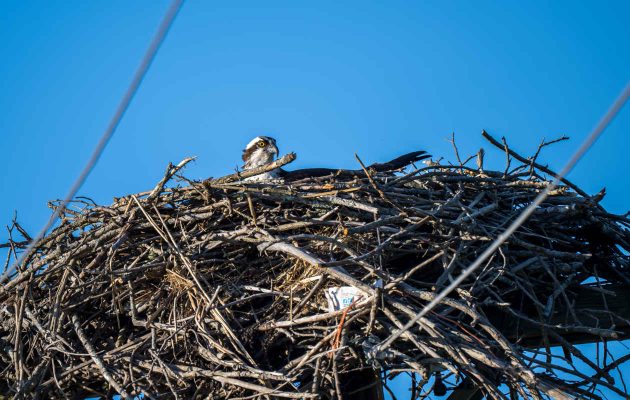
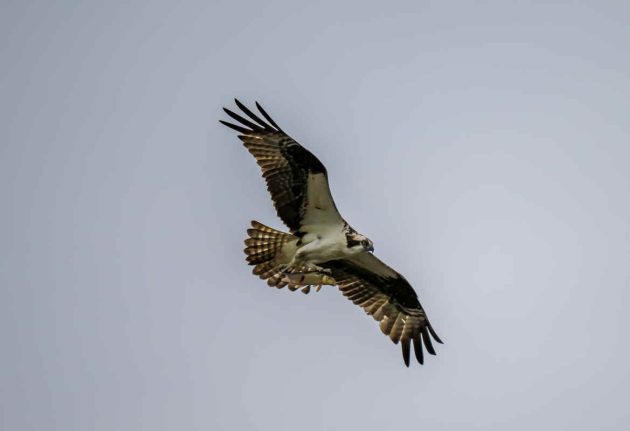
So we usually talk about other things than eating fish — things we are both concerned about. Like environmental pollution.
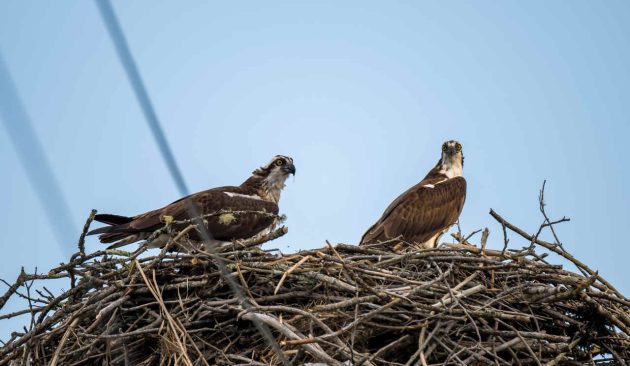
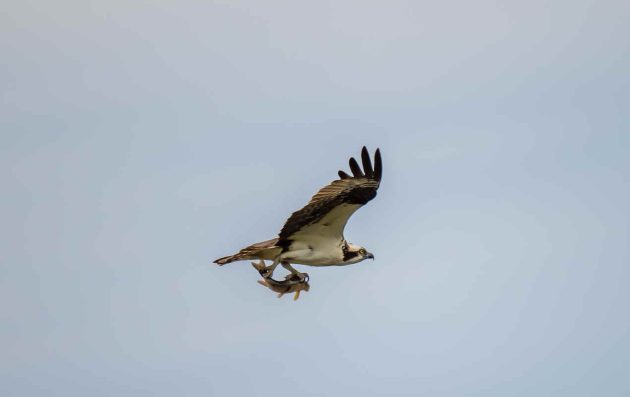
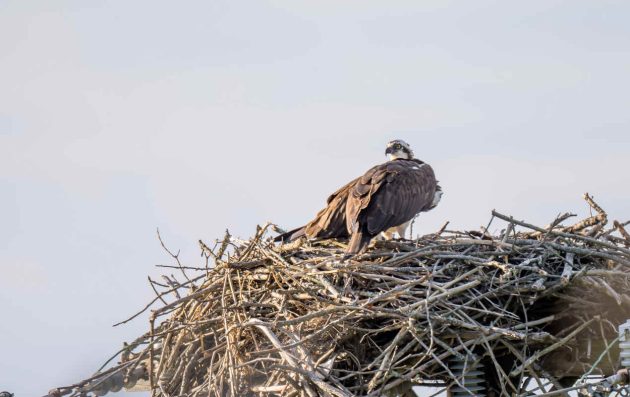
The Ospreys like to proudly point out to me (perhaps a bit too proudly, I sometimes think) that they are sometimes regarded as a good sentinel species for aquatic ecosystems. That is because of their fish-eating diet, long lifespan, site fidelity, tolerance of human disturbance, high nest visibility, and broad distribution (source). Some of these Osprey are even considering T-shirts with the slogan “Ospreys – Worldwide Sentinels”, though I politely point out that they generally do not wear T-shirts.
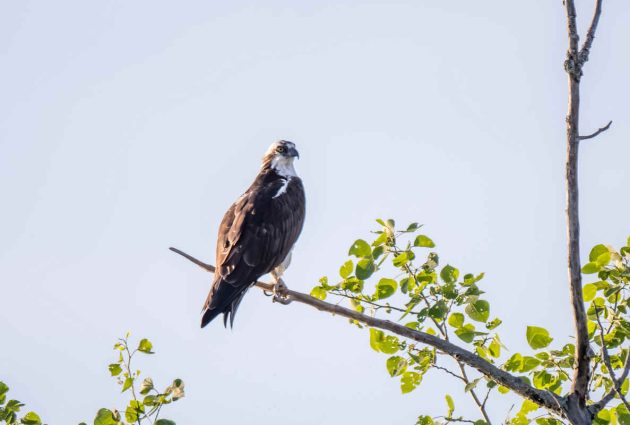
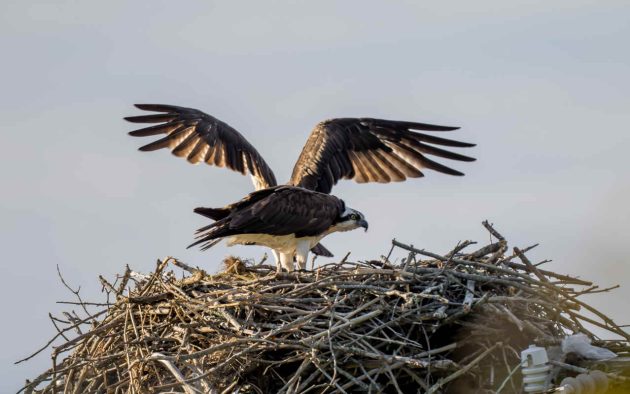
I also remind them that while this sentinel role serves them well now (to cite HBW: “Phoenix-like, the Osprey has arisen from the ashes of its own demise, a survivor, even a backyard bird in some areas today. Indeed, there is little wonder the species has become such a powerful totem for conservation”), it came at the cost of a massive population decline of up to 90% between the 1950s and 1970s, mostly due to DDT affecting eggshell thickness.
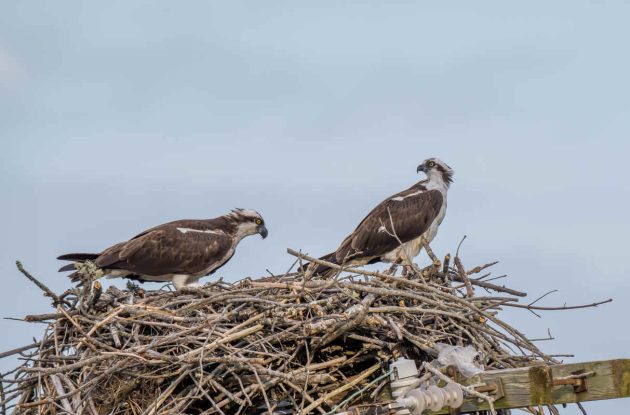
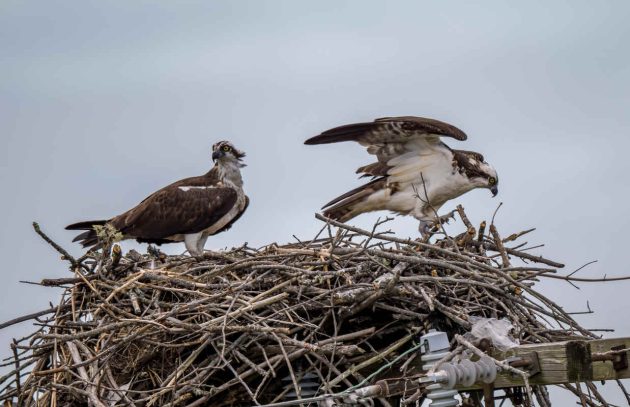
To embarrass them, I also sometimes confront them with their somewhat excessive sexual habits (“like rabbits” feels insufficiently zoological, but it will do). According to one study, ospreys copulate on average 160 times per clutch, with 39% of copulations involving cloacal contact, resulting in an average of 59 successful copulations per clutch (source). They do not agree with me that this sounds excessive.
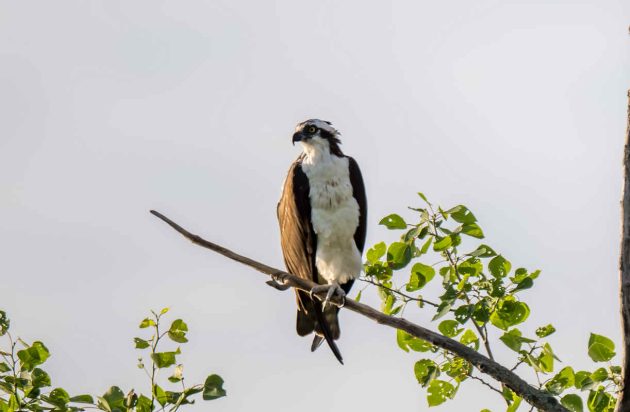
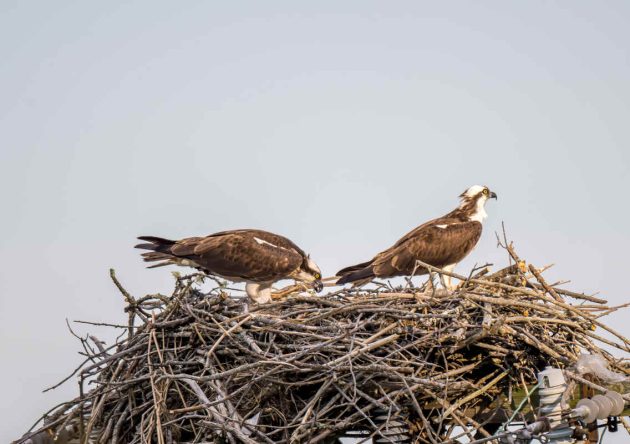
They also disagree that courtship feeding sounds slightly transactional (“food for sex”), pointing out that the amount of food delivered may help the female assess the quality of care she can expect for the chicks (source). Not especially romantic, but plausibly efficient.
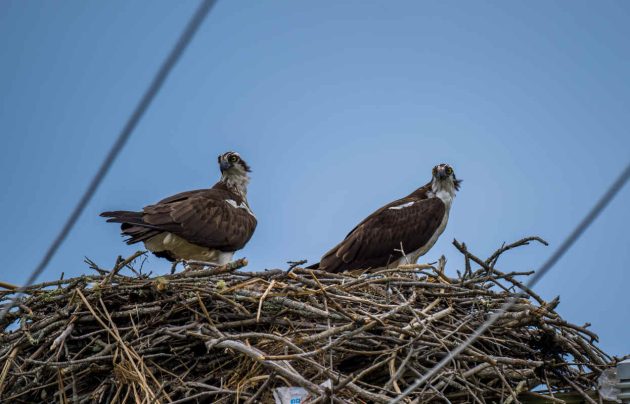
Finally, they told me I was lucky to be in Bath, Maine in June rather than winter, when they would be somewhere warmer and more fish-rich further south in the Americas. One female showed off by noting that during migration she covered 270 km on average per active migration day (source) — to be fair, she gave the distance in miles, being an American bird, but I already converted it for you, dear reader.









In the late 1980s, we found high concentrations of mercury in osprey eggs in the eastern part of Germany (former GDR). At that time, the mercury was used in agriculture. Today, the osprey is widespread here in eastern Germany.
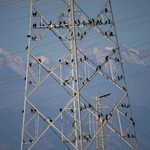
Approximately 95% of breeding pairs nest on utility poles, including energy pylons. This is also the case about 300 meters from my house in the Uckermark region.
A few years ago, I was able to identify a color-banded osprey in The Gambia. It had been ringed about 100 kilometers from my home.
Here in Britain ospreys were exterminated in the early years of the last century. Egg and skin collectors were the main culprits, but the birds were also shot to protect game fisheries.
Natural recolonisation of Scotland started in the 1950s, and today our osprey population is thriving. Introductions have enabled the birds to start nesting in England and Wales, as well as Scotland, and last year a pair nested for the first time fo two centuries in East Anglia. This pair has nested again this year.
Ospreys remain an important symbol of successful protection and conservation in the UK. It’s good to have them back.