
Which bird species do you think is the biggest attraction to visitors of your lodge (please only name one species)?
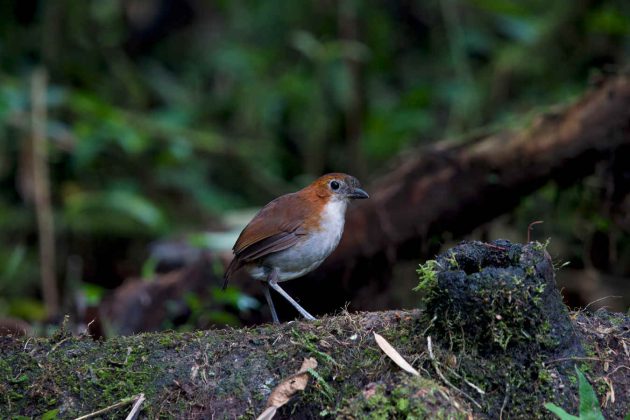
White-bellied Antpitta
What is the name of your lodge, and since when has your lodge been operating?
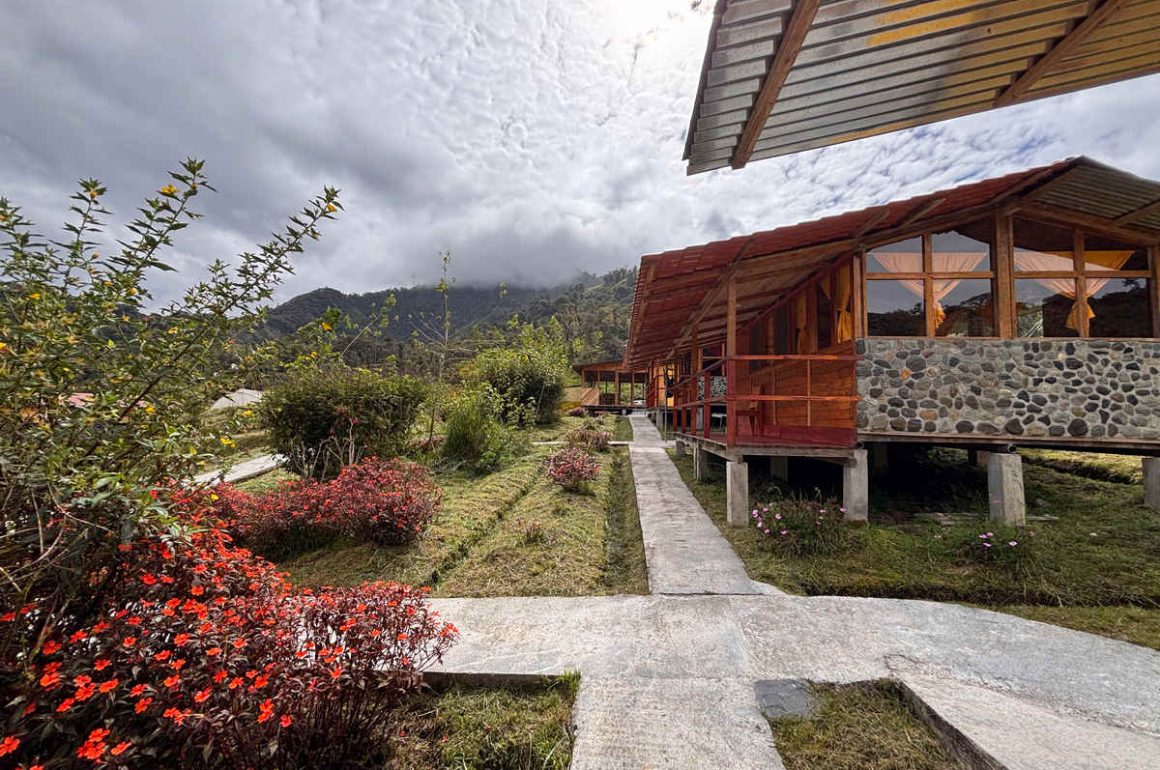
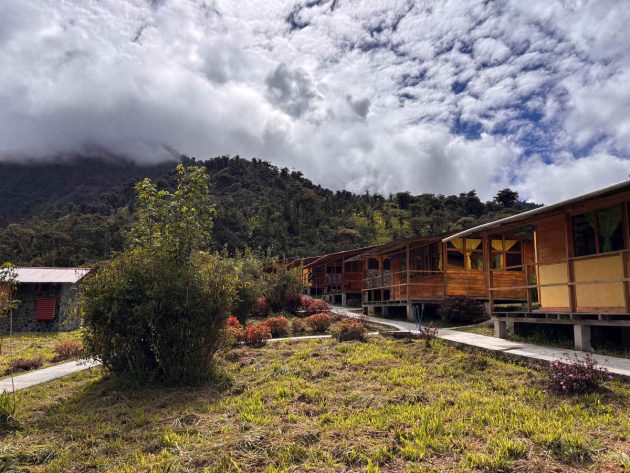
Cabañas Tamiaju – since 2016
How best to travel to your lodge?
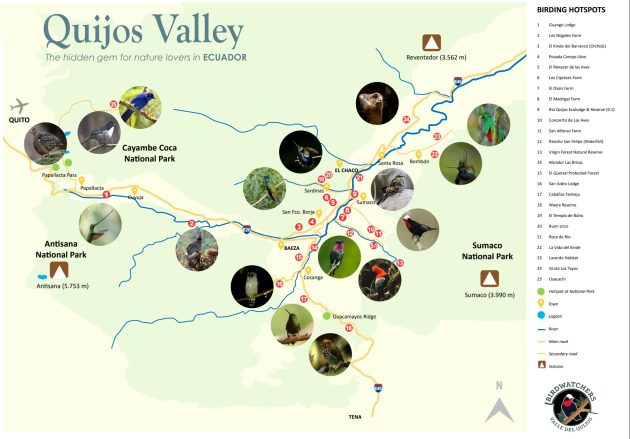
From Quito (the capital of Ecuador), we are two and a half hours southeast on the main road between Papallacta and Tena. Traveling options include bus, rental car, or taxi (we do have transportation services).
What kind of services – except for accommodation and food – does your lodge offer to visiting birders? (e.g., guided tours, photography blinds, bird feeders, etc.)
- Complete guided tours
- Transport – we have a Kia Carens that has seating for 6 people total, and contacts of taxi drivers and bus drivers around the country
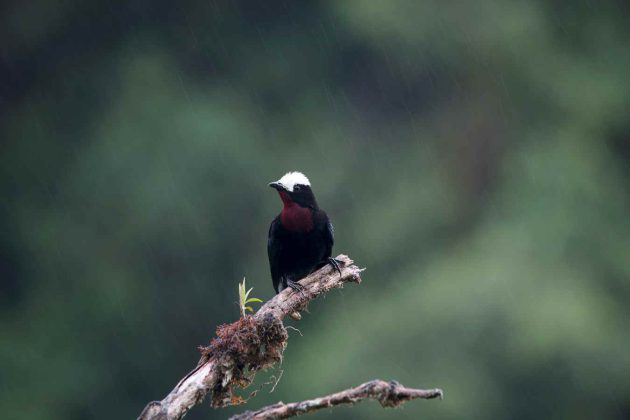
- We are connected to the network of birders in our area, so if you’re looking for a specific bird, we can likely help you find it (unless it’s the white-capped tanager because those weirdos don’t have a home), if you need a guide or suggestions for places to go, we can certainly help.
- A light trap for moths that is active with bird breakfast from around 6am to 8am (the moon phase influences this a lot: new moon = more bugs = more birds), with a covered roof for rainy mornings.
- White bellied antpitta eats breakfast at 9:30 am, fairly reliable but it’s nature so not guaranteed.
- A nice hummingbird feeder setup, great for observation with a lot of activity and we can do photography sessions with anyone interested as well.
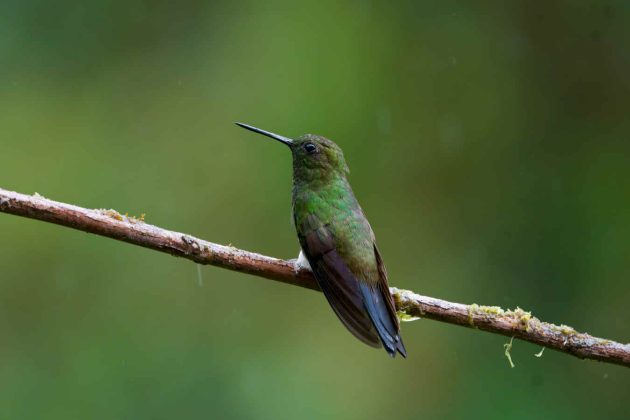
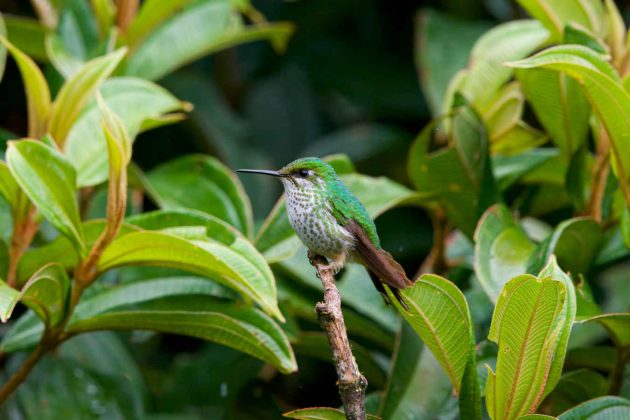
Greenish Puffleg
What makes your lodge special?
We really care about our guests and their experience here. We believe that each of our guests has something to share with us, and we love being a part of their experience in Ecuador. We want you to feel like part of our family while you’re here. We take time with our guests to have conversations and help them find what they are looking for, bird or otherwise. We are also pretty stoked on birds, and it shows.
We are located smack dab in the middle of one of the best birding ranges in the world. Roughly 70% of the birds in Ecuador are right here in the Napo province, and we are basically right in the middle of that mega altitudinal range. From our place, in 90 minutes, you can be in Papallacta (3000 meters above sea level) checking out Andean Condors and high-altitude specialties like the Rufous-bellied Seedsnipe, Rainbow-bearded thornbill, Black-chested Mountain Tanager and more. Or head the other direction, and you’re in the lowland Amazon region checking out the ridiculous dinosaur that is the Hoatzin. And everything in between.
What are the 10 – 20 most interesting birds that your lodge offers good chances to see?- (Define interesting?? Haha)
At Tamiaju- Sharpe’s Wrens, Three-striped Warblers, Fulvous-breasted Flatbill, Rufous-breasted Flycatcher, Rufous-crowned Tody Flycatcher, Bluish Flowerpiercer, Pearled Treerunner, Blue-winged Mountain Tanager, Saffron-crowned Tanager, Black-capped Tanager, Beryl-spangled Tanager, Peruvian Racket-tail, Greenish Puffleg, Gorgeted Woodstar, Collared Inca, Bronzy Inca
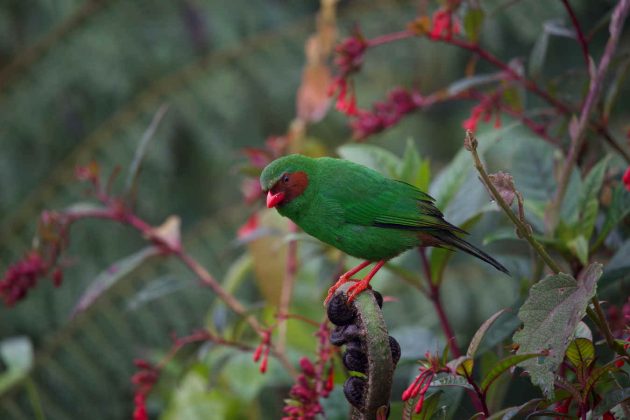
At Guacamayos Ridge (5 min drive) – Grass-green Tanager, Hooded Mountain Tanager, Black-crested Warbler – Two iconic birds on the Guacamayos that everyone wants to see but I wouldn’t say are easy are the Greater Scythebill and the Peruvian Antpitta.
I 100% guarantee that you will see a Rufous-collared Sparrow while you’re here.
Grass-green Tanager
What is the best time to visit your lodge, and why?
Oct-March, this is the “dry” season (still rainy), and all the migrant birds are here!
Is your lodge involved in conservation efforts? If yes, please describe them.
We work with Birdwatchers Valle de Quijos on reforestation and environmental education efforts. We will be implementing a project for all our guests to either have a tree planted in their name or be able to help us plant. Then they can watch the tree’s progress on Treecloud.com
We are active members of Sembrando Esperanza. Our organization works across various sites in Ecuador on habitat restoration, we have a 187 ha reserve on the west slope of the Andes in the Choco Andino and we are working to establish a reserve area right here in Cosanga.
We have 5 hectares of forest that we are actively protecting and providing a living to our 4 employees based on that intact forest.
White-capped Tanager
What other suggestions can you give to birders interested in visiting your lodge?
Be prepared for rain, especially if you come during the months of May, June and July. We have rubber boots and umbrellas available here, but a rain jacket is always nice.
We are located at 2000 meters above sea level, so it can be chilly, layers are king, and cotton is a bummer.
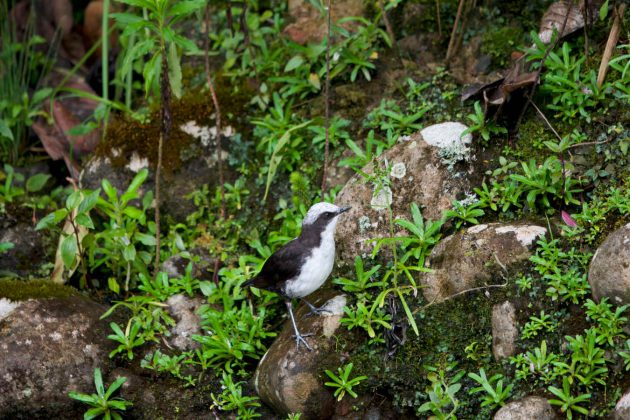
White-capped Dipper
Do you have activities for non-birders? If so, please describe.
- Visits to nearby waterfalls, and caving sites
- A full day of “life in the country” starting with milking a cow, then bringing that milk home to make cheese out of
- Rafting excursions
- Hikes (Sumaco volcano, Jumandy trail, our trails, Chontas birdwatching spot and more
- Activities for kids like a forest scavenger hunt, helping us plant a tree or some flowers, or a bbq in the forest complete with local lore.
If any reader of 10,000 Birds is interested in staying at your lodge, how can they best contact you?
- Whatsapp +593 98 044 1892
- Email birdnerdswelcome@cabanastamiaju.com
Peruvian Rackettail
Is there anything else you would like to share with the readers of 10,000 Birds?
- We have really great bean water and aren’t afraid to get up and make you a pot before you go out to see the birds.
- Proud mom – All the bird photos here and on our website are from my kiddo Jhonny Aldaz, give him a follow on Instagram – @jhonnybirdlife



This lodge sounds amazing! Both for the birding and for the amenities. Definitely one to keep in mind.