

We sent out another list of questions to bird guides who have already been profiled on 10,000 Birds. In the ninth edition of this second series, we ask
In your area, what is the general attitude toward birds among local people?
Here are the answers.
In Costa Rica, almost everybody knows the importance and beauty of birds. Gabor Orban, Hungary/Costa Rica
No idea. Zhang Lin, China
Positive, as people are seeing the benefit of tourism and ecotourism. Marc Cronje, East and Southern Africa
The attitude of people towards birds in Extremadura is quite interesting. It is a largely rural area, and on the one hand, many people are familiar with species like Hoopoes and families of birds like the vultures. On the other hand, and in common with the wider world, there is a glaring disconnection with nature, even among some folk living in the countryside. David Lindo, Spain
Locals tend not to know that people actually willingly look at birds. Birds are typically only noticed when they are considered pests: whether they’re eating crops (damn them for being hungry and having their diverse food stash turned into a papaya field), dive-bombing you when you get too close to their nest (their fault, of course), or waking you up too early in the morning (again, they should shut up). Other than that, they are noticed when they can be eaten or caged. All other birds may very well not exist at all. Faraaz Abdool, Trinidad & Tobago
Indifferent. I think there’s a real disconnect with nature among the general public. John Hague, UK
In Tierra del Fuego, birds are often seen as part of the landscape rather than as individuals worth protecting. There is pride in condors and penguins, but smaller passerines rarely get attention. Education helps shift this perspective. Marcelo Carlos De Cruzky, Argentina
Most local people in some areas have been given special education about the importance of particular birds in their area, so they protect the birds from people catching them. Kwame Brown, Ghana
In my area, the general attitude toward birds is mixed. Many farmers see certain species—like weavers and queleas—as pests because they consume and damage acres of maize and rice. At the same time, birds are valued as a source of food, both for their eggs and meat. Culturally, some birds carry superstitions; for example, owls are often considered a bad omen. So while birds are recognized for their ecological and economic roles, perceptions are shaped by both practical concerns and traditional beliefs. Magada Haily Miriam, Uganda
Anything, from bird lovers to hunters. Spyros Skareas, Greece
Maine is a very outdoor-centric and tied-to-the-land place, so awareness and appreciation of birds is very widespread throughout the population. While hunting is a big part of our culture, there are more classic hunter-conservationists here than in much of the modern world, it seems, and outdoor enthusiasts of all types seem more aware of birds in general than in most places that I have lived in the US. Also, we have a lot of undeveloped land and generally spend a lot of time outdoors, so it’s hard not to notice the birds around us! Derek Lovich, Maine, USA
The local people in my area are uninterested in caring for and protecting birds, even though we’ve explained and taught them how to care for the birds. Many people even capture birds to sell as pets, and some species for food. We still frequently encounter local hunters on the streets while birdwatching. Eko Lesomar, Papua New Guinea
Well, depends on what kind of local people. The ones living in rural areas do pay attention to birds; they just need binoculars to get more inspired. The people living in the cities don’t pay attention at all to birds, they live in another dimension, in the illusion of capitalism. Completely disconnected from nature. René Santos, Brazil
There is a growing appreciation for birds within the communities. Recently, outings have been organized to engage women in our urban area so they can learn about birdwatching and conservation. While there is still a need for greater empowerment, awareness is beginning to grow about the importance of birds in our forests and urban areas. Sandra Maria Plua Alban, Ecuador
The public perception in Goa has undergone a fascinating evolution. For a long time, locals viewed birders as somewhat “wacky” or bizarre, but that has shifted toward a sense of curious and muted respect. Thanks to increased coverage in mainstream media and the vibrant buzz on social platforms, people are beginning to understand the value of our avian heritage. We’re seeing a community that is becoming much more helpful and engaged with conservation efforts from the ground up. Savio Fonseca, India
The attitude towards nature, and therefore also towards birds, is often idealized, sentimentalized and far removed from an ecological perspective and ecological knowledge. Rolf Nessing, Germany
The editor with his usual boring summary:
The answers suggest that most people notice birds mainly when the birds become impossible to ignore — by eating crops, making noise at dawn, looking spectacular, or ending up on a dinner plate. Still, many guides see growing awareness thanks to ecotourism, conservation, and social media, especially in places where birds bring economic benefits. At the same time, several respondents mention a broader disconnect from nature, particularly in cities, where birds often fade into the background of modern life. In short: people generally like birds, provided the birds are beautiful, useful, symbolic, edible, or not currently stealing their rice.
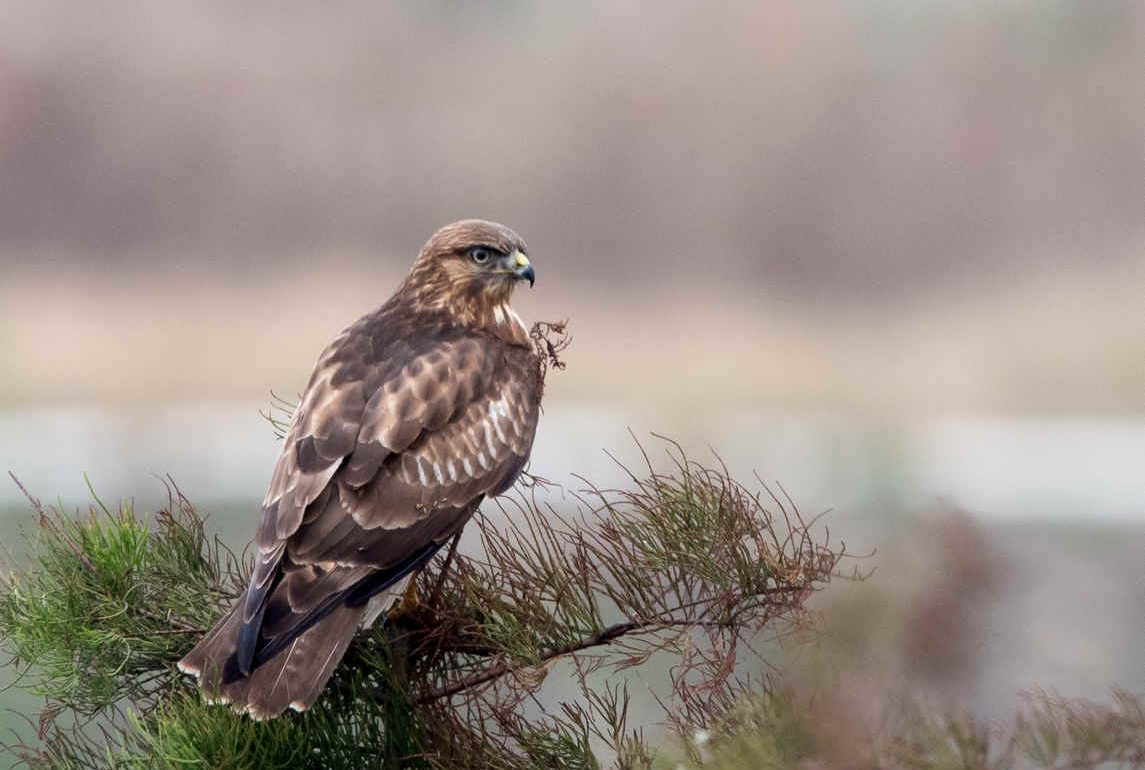
Photo: Eastern Buzzard, Nanhui, Shanghai, November 2017










Leave a Comment