
“The best committee is a committee of three, with two absent,” is a quote commonly attributed to Winston Churchill. Evolution, unfortunately, did not always follow this advice — and the resulting subcommittees, amendments, and members insisting on additional features have led to the bird species shown below.
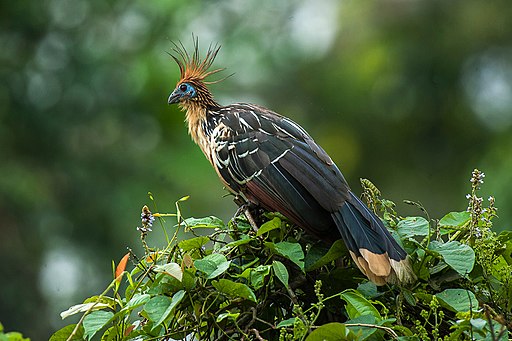
Hoatzin
The classic example of a bird assembled from surplus inventory. Reptilian head, prehistoric crest, cow-grade digestion, and a tail that looks collectively negotiated.
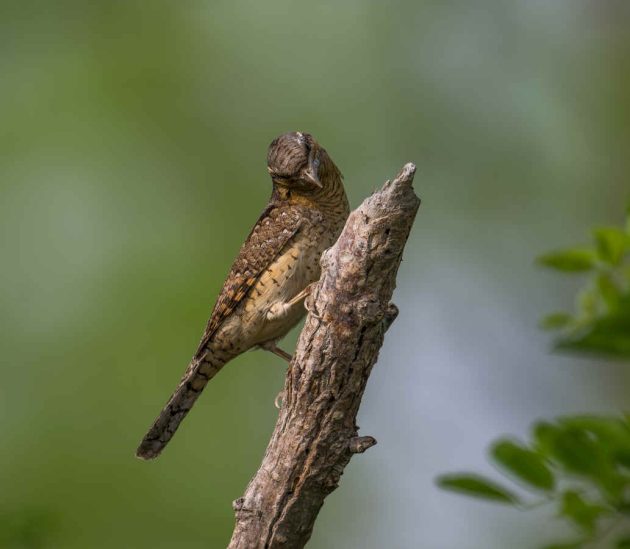
Eurasian Wryneck
Originally designed as a woodpecker. Subsequent revisions introduced flexibility, camouflage, and what appears to be reptilian influence.
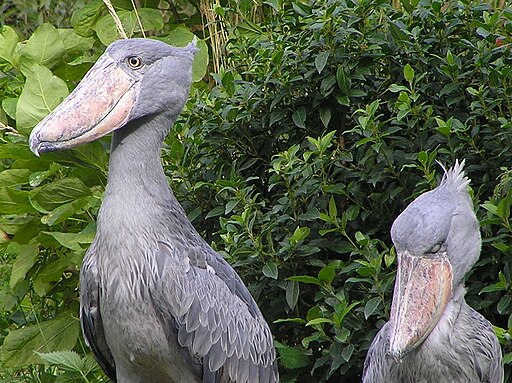
Shoebill
A stork, but with a bill apparently sourced from a Dutch footwear company.
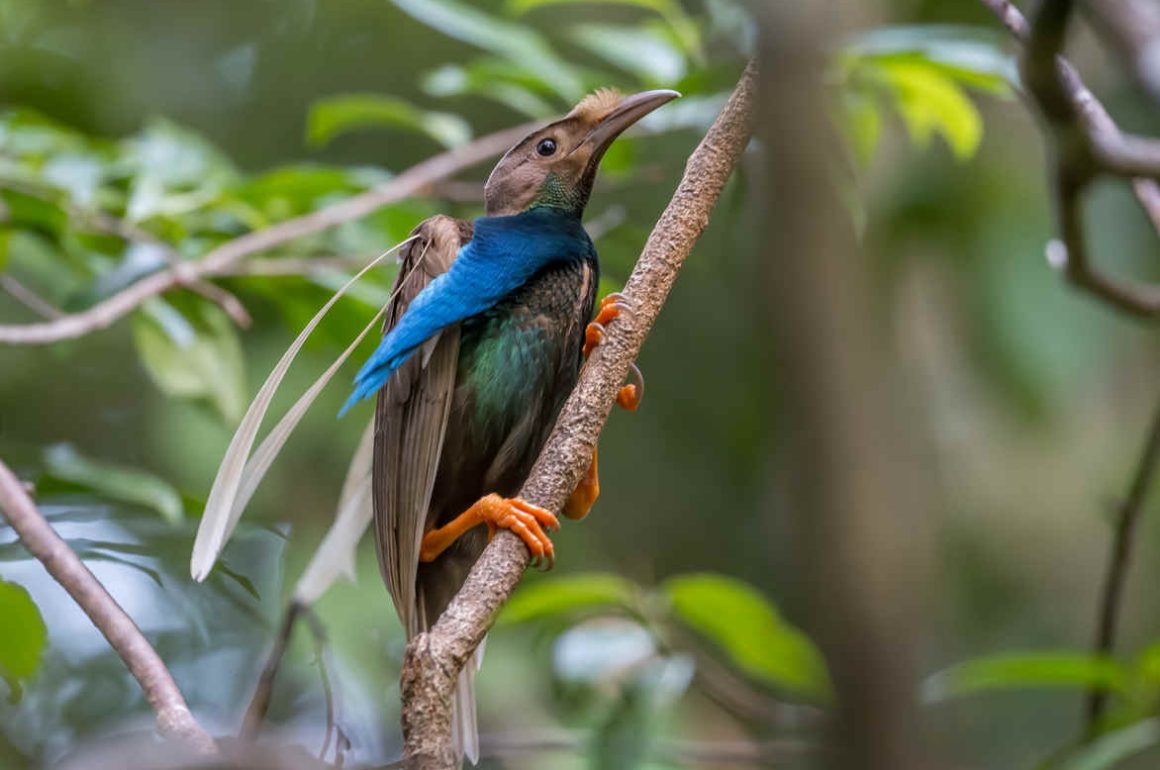
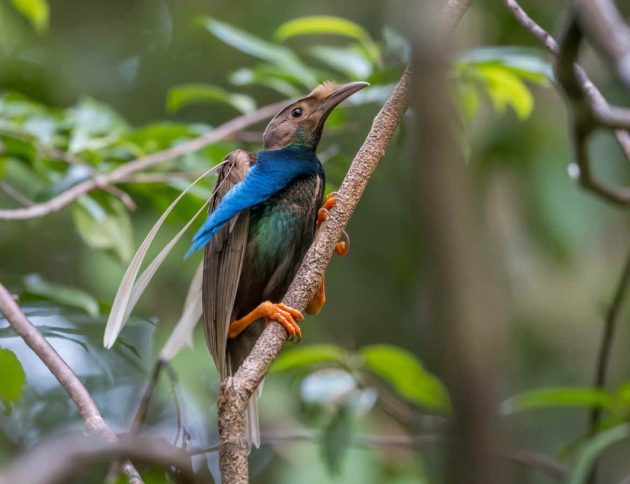
Standardwing Bird-of-paradise
A competent bird, later fitted with decorative wing standards because somebody in the design department liked wings.
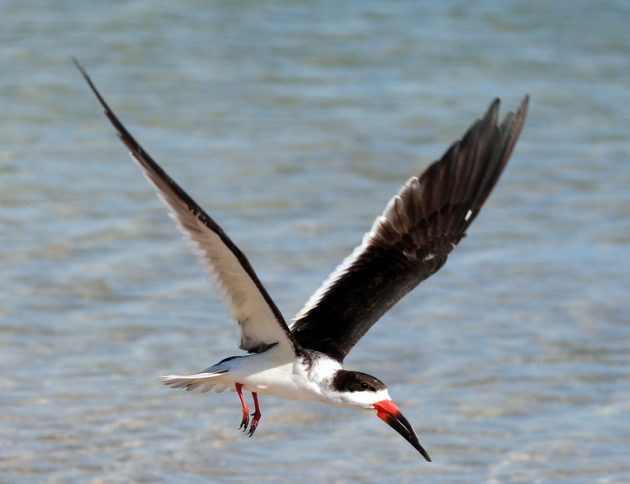
Black Skimmer
A perfectly normal tern, except that the beak was manufactured to different specifications.
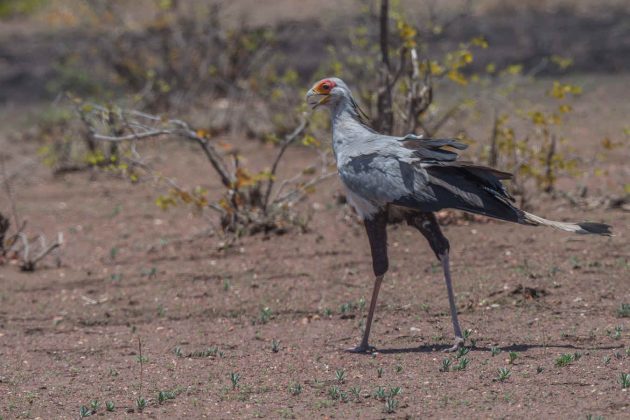
Secretarybird
Crane legs attached to an eagle, hairstyle designed separately.
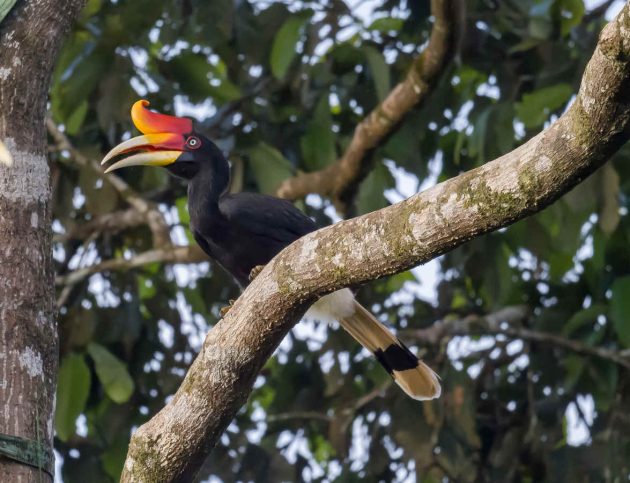
Rhinoceros Hornbill
Someone asked whether one bill was truly enough.
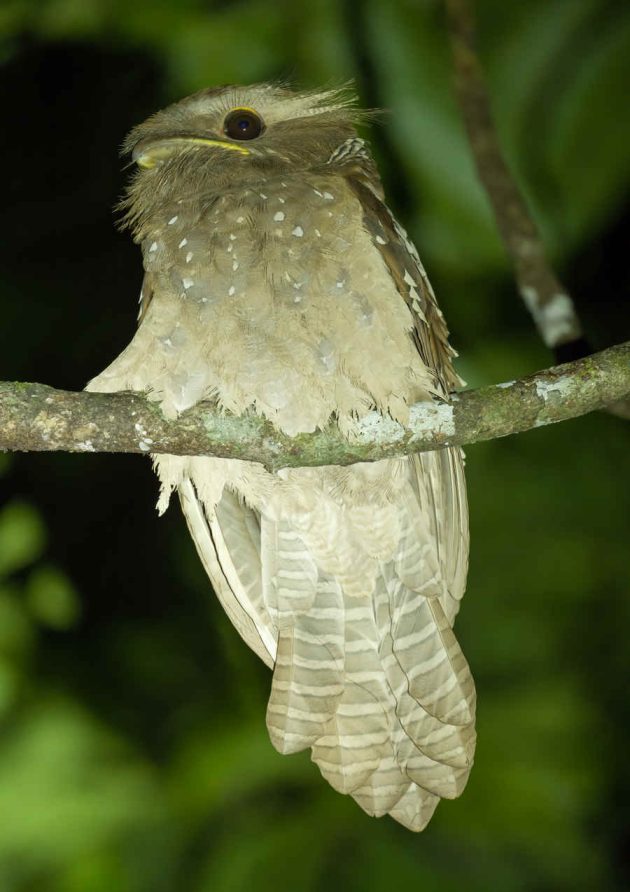
Large Frogmouth
The design process began with the mouth and ended shortly thereafter.
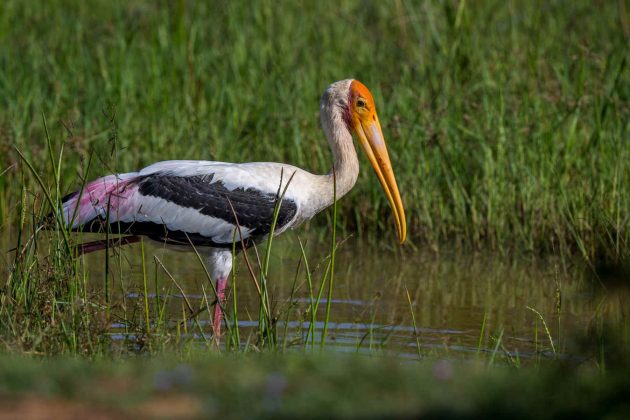
Painted Stork
A structurally sound wader, later subjected to dubious colour enhancement.
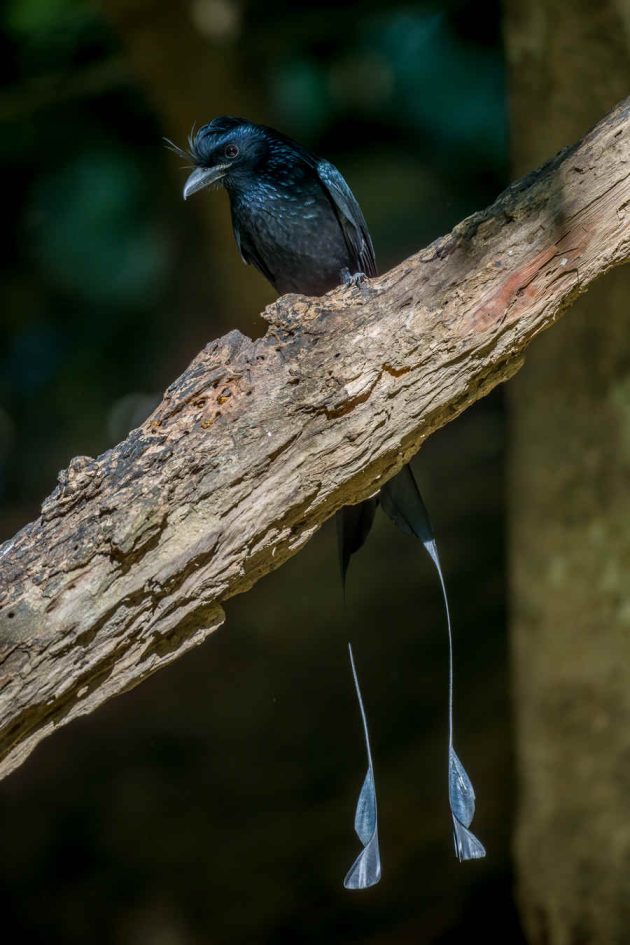
Greater Racket-tailed Drongo
A sensibly designed glossy passerine – until the tail department provided its input.
Photos by Kai Pflug, except:
“Hoatzin – Manu NP – Perù 9203 (15525812066)” by Francesco Veronesi from Italy is licensed under CC BY-SA 2.0.
“The Black Skimmer (Rynchops niger), the coolest bird in the world.” by Terry Foote is licensed under CC BY-SA 2.0.
“Shoebill couple1” by frank wouters from antwerpen, belgium , België , Belgique is licensed under CC BY 2.0.





Hahaha! Right on point, Kai!