

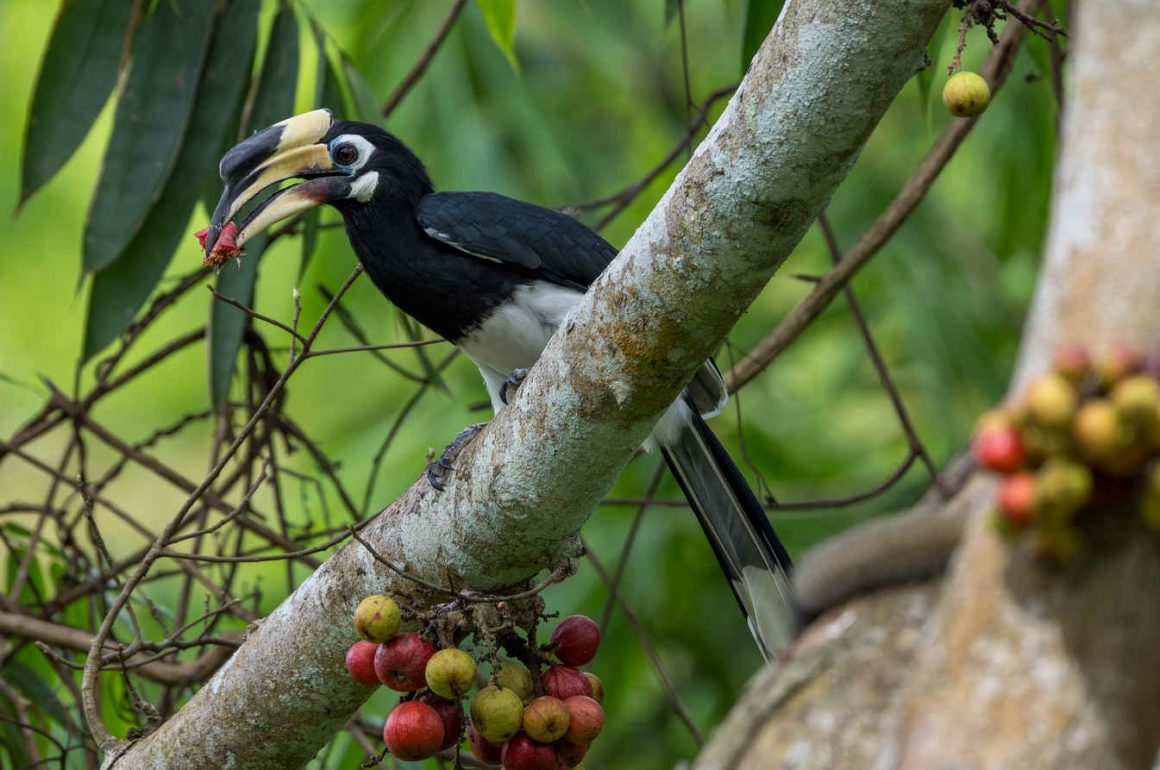
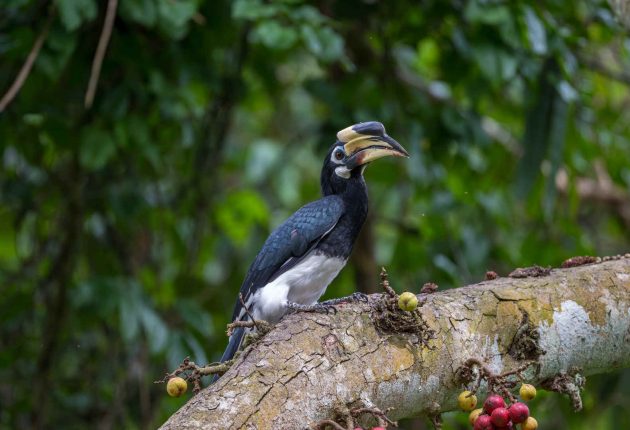
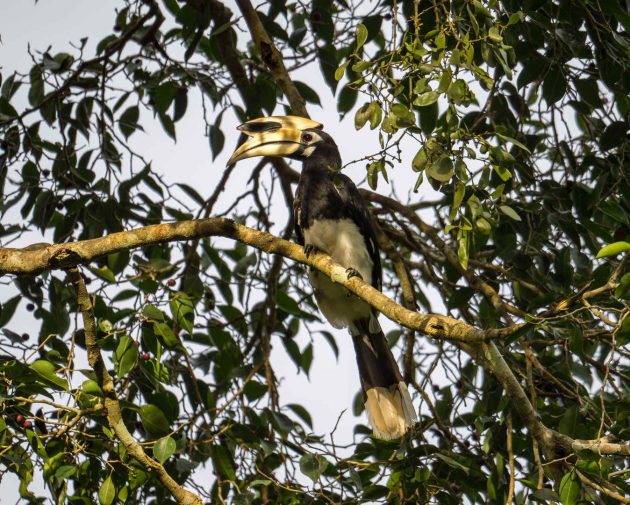
For people living in Southeast Asia, the Oriental Pied Hornbill is the Eurasian Tree Sparrow among the hornbills.
Except that (at least to my knowledge) cannibalism is extremely rare among the sparrows, but not unheard of among Oriental Pied Hornbills (source). Out of 10 breeding cycles observed by video for 2 different females, cannibalism occurred a total of five times. In three of these five cases, the fourth and youngest chick was killed by the mother and either eaten by her or fed to the other chicks. In the other two cases, chicks that had died were used as food.
Of course, eating your own chicks does not provide enough food for the parents and nestlings. In Singapore, Oriental Pied Hornbills have been observed to raid nests of other species and either eat the eggs or the nestlings, for example of sunbirds (source with photos).
Another targets are farmed swiftlets in Malaysia (source) and spiders (described for Singapore).
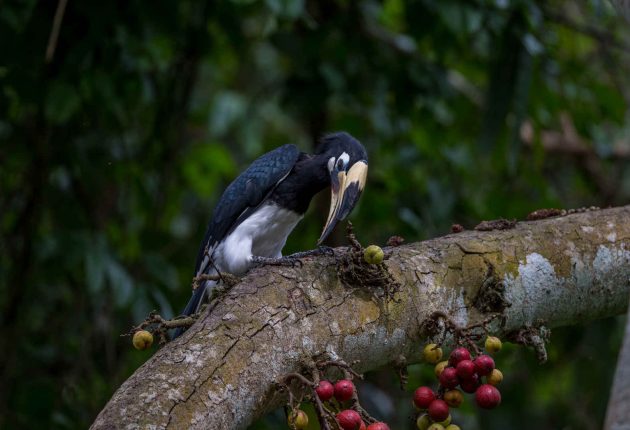
In turn, Oriental Pied Hornbill nests are opportunistically raided by sunbears (source).
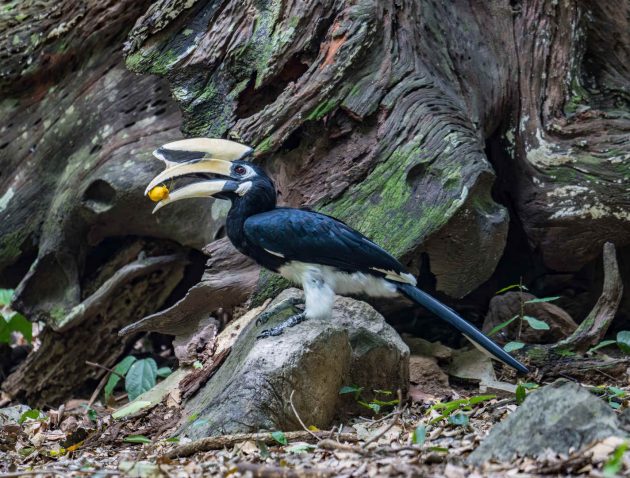
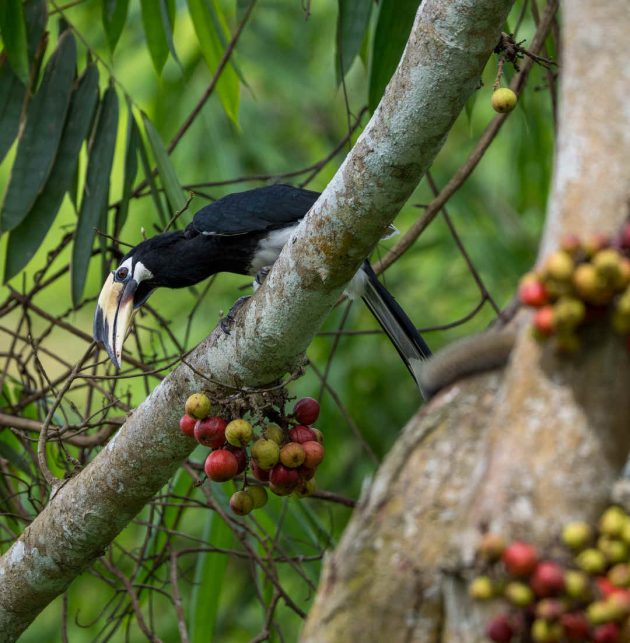
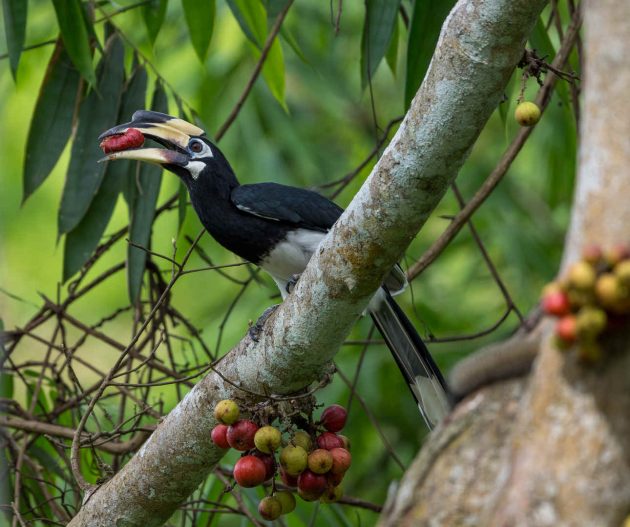
But of course, fruit are a more typical diet, particularly figs.
While the species typically nests in tree cavities, into which the female encloses itself (the male stays outside, stating that it needs to provide food to the female, but this may also be just to protect its sanity), there is also a report of a limestone cavity used to nest.
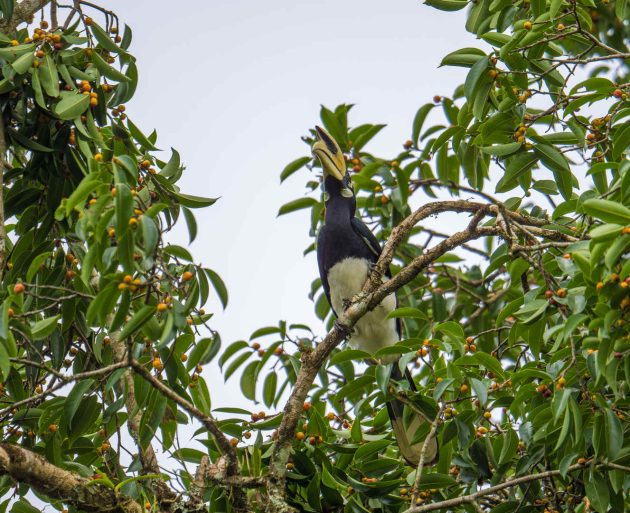
The species has spread substantially in Singapore in the last two decades after a long period of absence (Alfred Wallace apparently still saw it in Singapore in 1855).
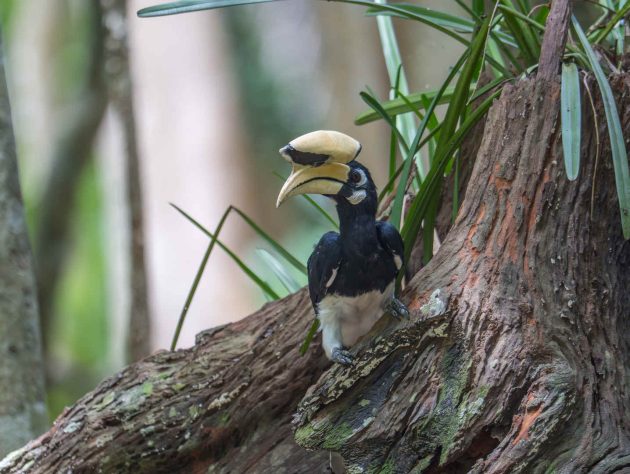
What about its size? A Singapore government page calls it “a large bird”, while eBird describes it as “a small black-and-white hornbill”. Both are right.
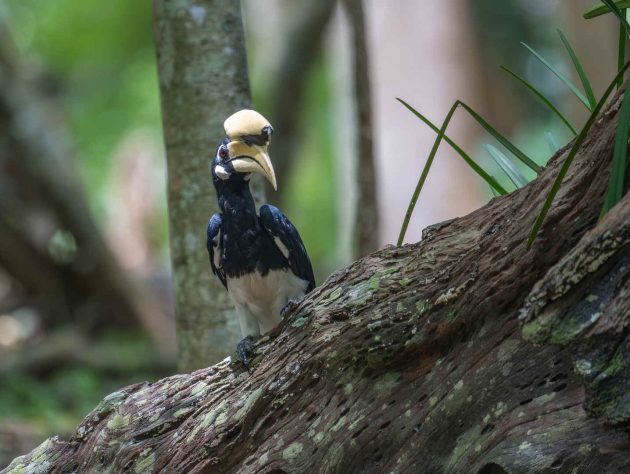
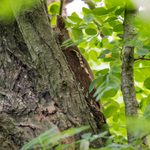
Photos taken at and near Kaeng Krachan, Thailand in July 2025










Leave a Comment