

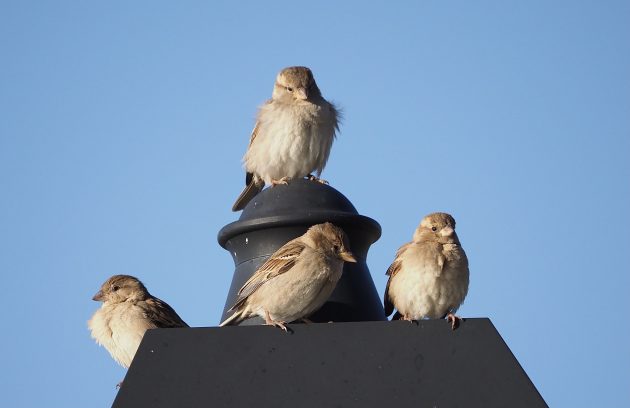
Britain’s most unpopular bird? That’s not an easy question to answer, as there are a number of contenders. For many years the House Sparrow was arguably the No 1 feathered public enemy. W.H.Hudson, writing in his book British Birds (1918), comments that “it is not advisable here to enter into the controversy on the subject of the injury he inflicts, or is believed by many to inflict, on the farmer and the gardener…” In 19th-century Britain so-called Sparrow (killing) Clubs were widespread, and vast numbers of sparrows and their eggs were destroyed by them. Today opinions have changed. House Sparrows have declined alarmingly, and they are Red Listed as a bird of Conservation Concern. I’m pleased to say that most people now seem to like sparrows, and nobody wants to kill them.
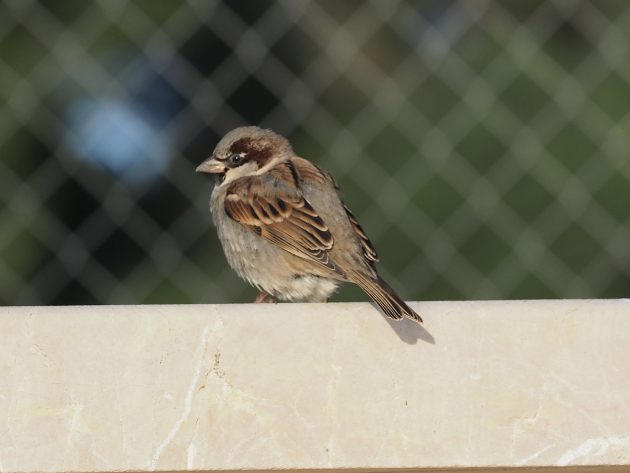
House Sparrows – no longer public enemy No 1
There was a time when Starlings featured low in the popularity stakes, too. Like the House Sparrow these birds have undergone a longterm population decline, and they are also UK Red Listed. Today their image has changed for the better, and they have become celebrities of the bird world. Their winter roosts, with their huge and spectacular murmurations, draw big crowds of people who come to watch them.
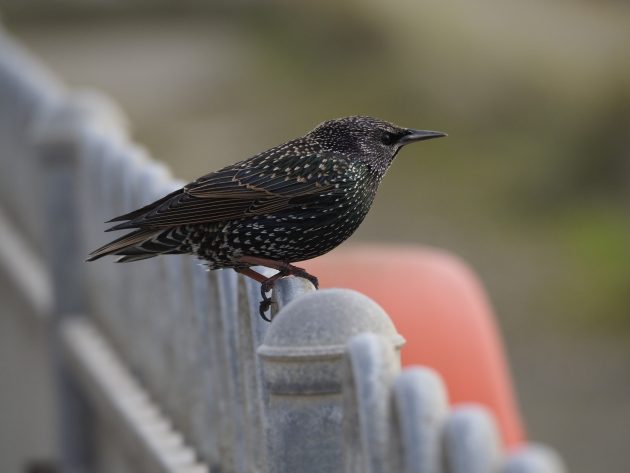
Individual Starlings are really quite beautiful, while their winter murmurations (below) have become popular wildlife spectacles that people travel long distances to come and watch
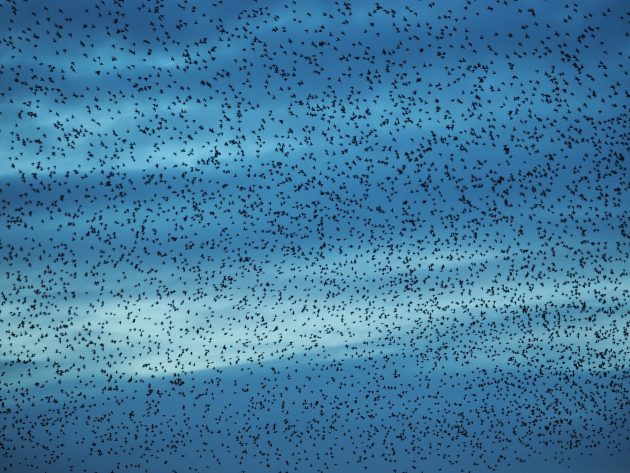
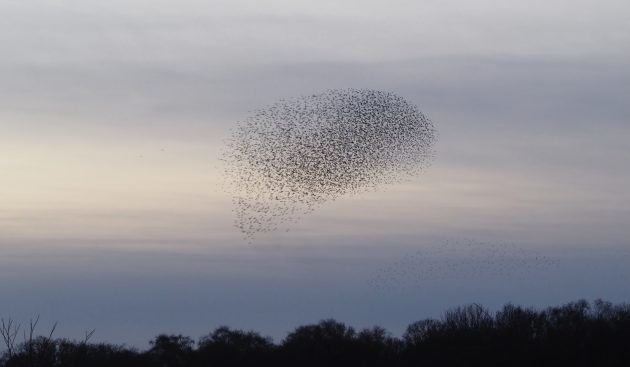
Magpies have never been popular, and they remain one of our most disliked garden birds. This is because in the spring they are dedicated nest robbers, emptying songbird nests of both eggs and young. The beauty of their plumage contrasts with the unattractiveness of their cackling calls. They are birds that many people would rather not have in their gardens.
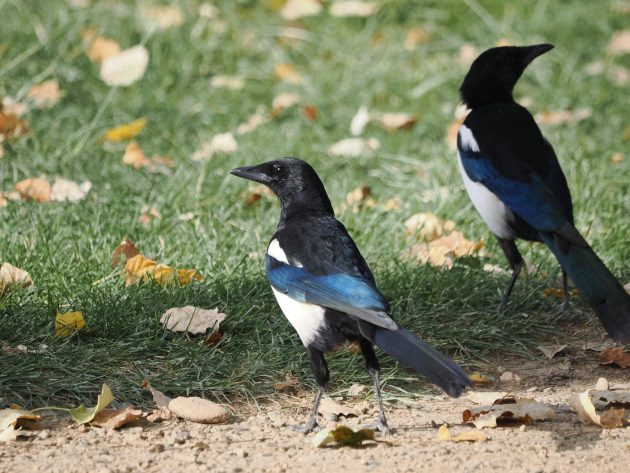
Magpies score badly in the popularity stakes
In London there’s a new bird that many people love to hate: the Ring-necked Parakeet. Many thousands of pairs of these raucous foreigners are now established in London, and they have become one of the most conspicuous, and certainly the noisiest, inhabitants of the many London parks. However, they are attractive birds with their brilliant green plumage, and they have as many fans as detractors.
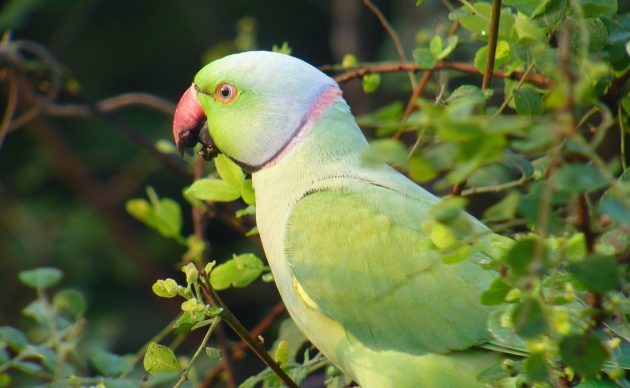
Ring-necked Parakeet: now a conspicuous resident in London
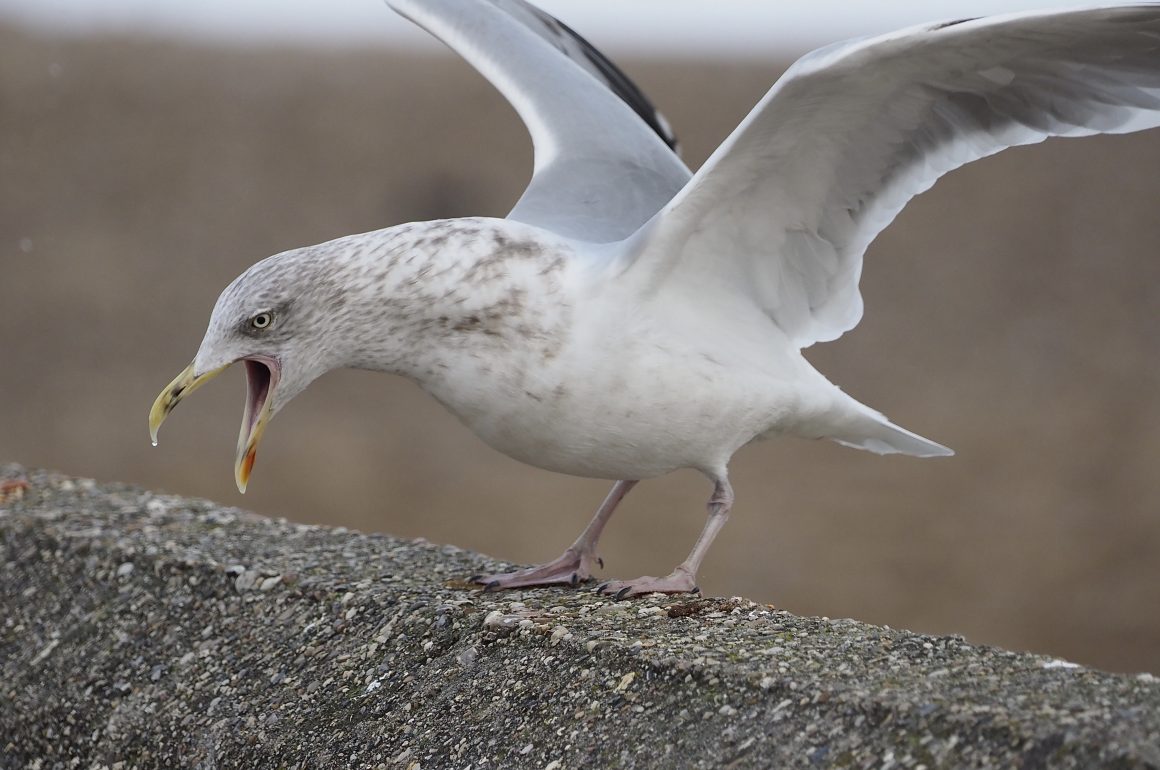
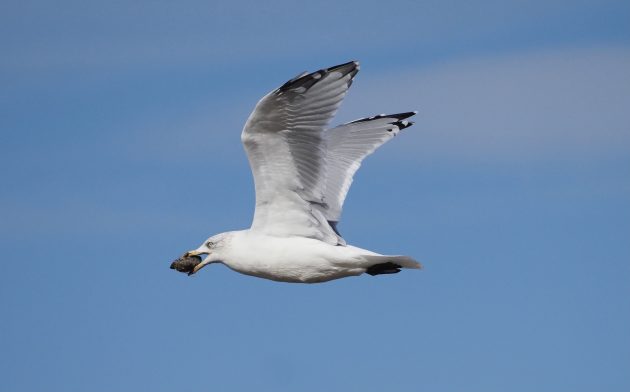
These days the biggest baddie in the bird world here in Britain is almost certainly the seagull. OK, not just any old seagull, but two species in particular: the Herring Gull and the Lesser Black-backed Gull. Both species are opportunists, and have worked out that living alongside man has its advantages, largely in the form of free food and lodging. To be more accurate, the food isn’t always free, but has to be stolen, which explains their unpopularity.
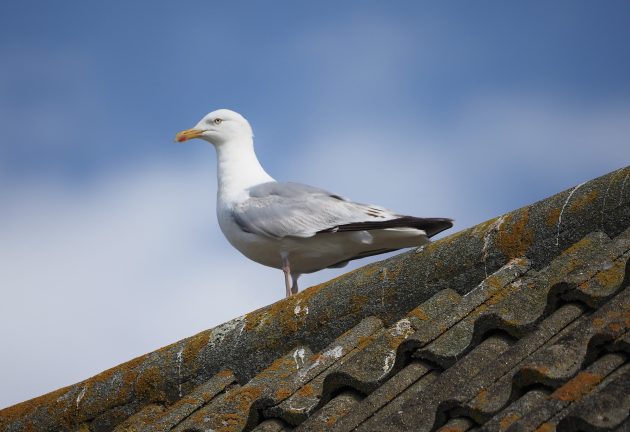
A “giant seagull“, or what we call a Herring Gull
In the summer, these birds frequently hit the headlines for their bad behaviour. In the popular press they are rarely specifically identified. Instead they are often referred to as “Giant seagulls”, making misery for people by stealing, squawking and sh*tting. There’s no denying these crimes, for they have been recorded on camera on countless occasions.
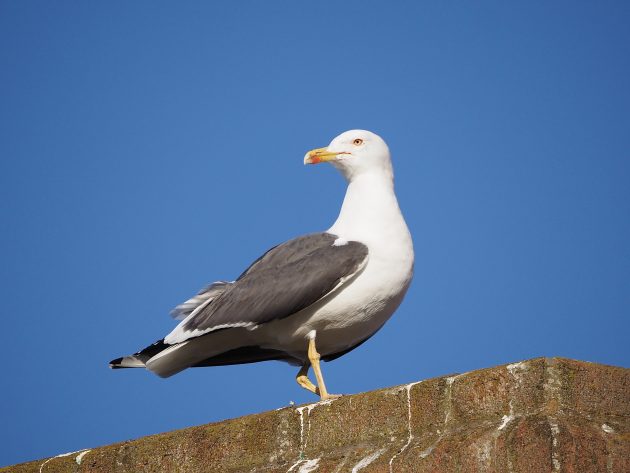
Lesser Black-backed Gull, red-listed but not in danger
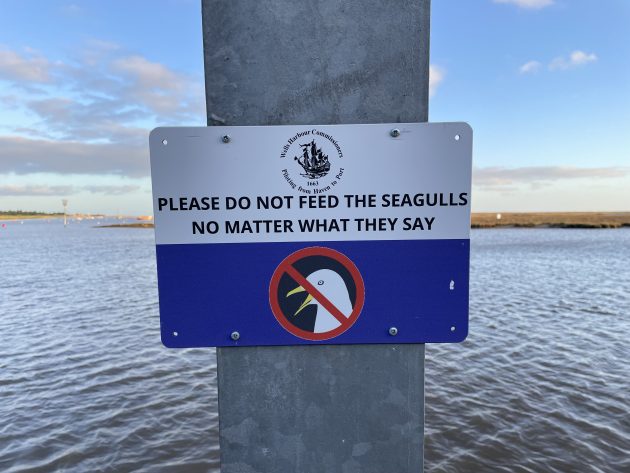
These gulls share with many Britons a love of fish and chips, the national dish. Almost every seaside town has a fish and chip shop. It’s normal for the fish and chips to be wrapped in paper, and for the buyer to consumer his or her take-away sitting on a street bench or somewhere similar. This is a habit that the gulls love, and they sit around waiting for unsuspecting diners to attack. They invariably swoop in from behind, grabbing a beak full of the unfortunate diner’s dinner. Note that they like to approach their unsuspecting victim from behind, never from in front. If you stare at a gull that is planning its attack, you will usually put it off. It has been known for the odd chip to be tossed to the gulls, but this behaviour is heavily frowned upon as it encourages the gulls.
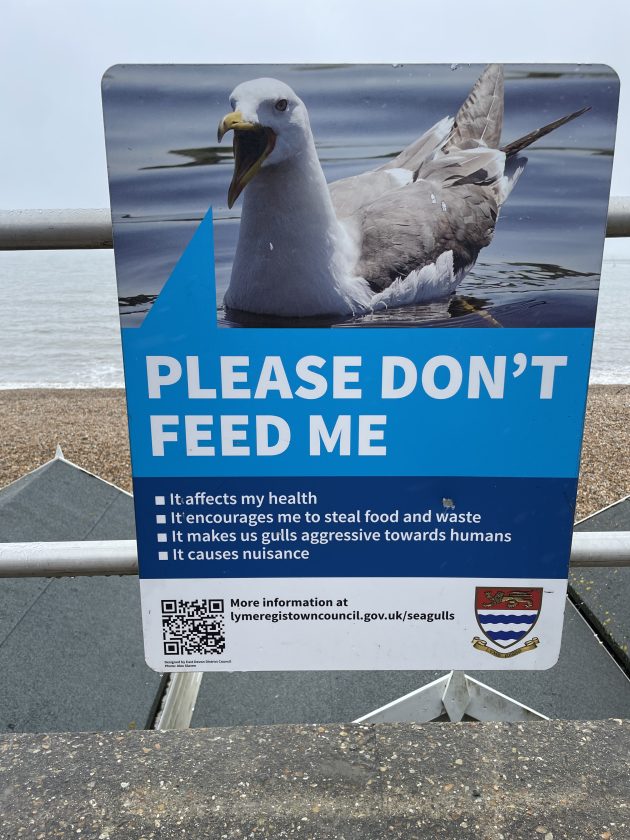
Stealing food is perhaps the most irritating of the giant seagulls’ crimes, but they are guilty of many others, too. In the last 50 years they have increasingly taken to nesting in towns, often many miles from the coast, so they aren’t really seagulls anymore, but towngulls. They particularly like flat-roofed buildings for breeding, as such sites are usually safe and predator free. Their piercing calls are deeply unpopular, waking people up in the early hours of the morning, but once they have young it gets worse, as they vigorously defend their chicks by dive-bombing anyone who walks by. I’m assured that being dive-bombed by a giant seagull is no joke (the closest I have come is being attacked by Great Skuas on their nesting grounds on Shetland).
Gull droppings are both copious and messy, and not something you want to be hit by. They’re not good for the paintwork of cars, either. Some years ago I visited a car-repair company based on an industrial estate which had a colony of roof-nesting gulls. When a freshly resprayed car was hit by a gull it was a financial hit for the company, too, and lethal control was authorised.
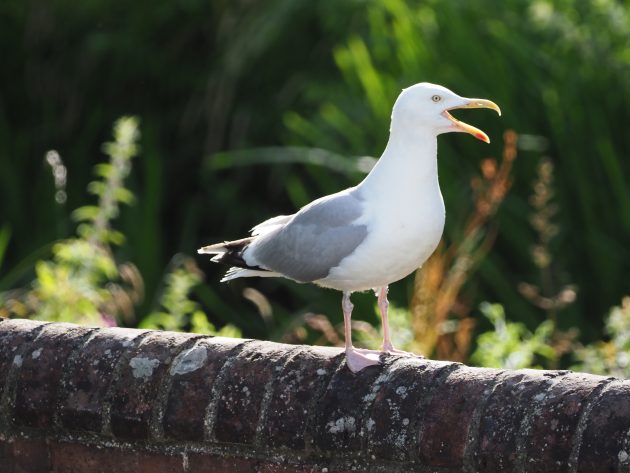
Herring Gull voices are not soothing to the ear
However, these days shooting gulls is rarely allowed. A recent newspaper story about Herring Gulls noted that “According to the RSPB, the herring gull population has ‘plummeted’ in recent years”. It is true that Britain’s herring gull population has fallen sharply this century, and that it is now red-listed species as a UK bird of conservation concern, but it is certainly not endangered. Britain’s herring gull population was relatively small in the 19th century, but it grew hugely during the 20th, with colonies expanding by 12-13% per annum between the 1940s and the 1970s. It’s believed that the increase was fuelled by the increasing availability of urban refuse and fish discards.
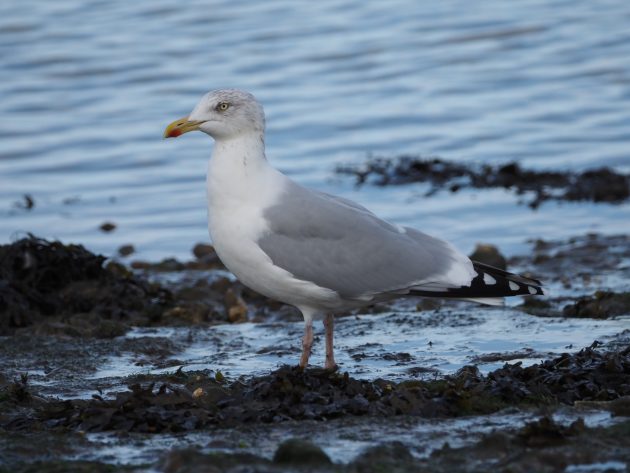
Better waste management appears to be a major reason for the significant fall in numbers in recent decades, but with a current coastal population of around 130,000 pairs this is hardly a species we need worry about too much. The winter population is thought to be around 750,000 individuals.
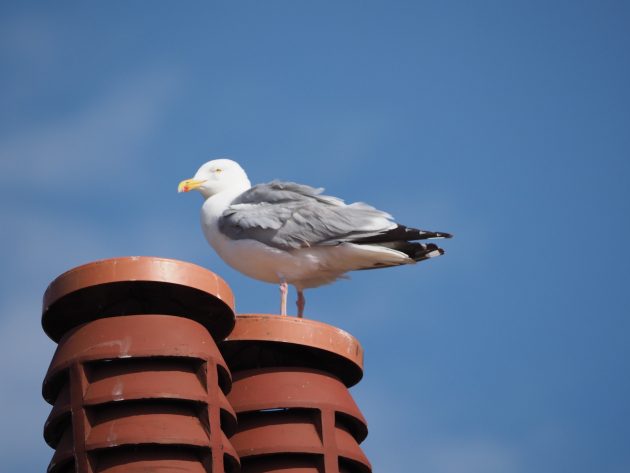
In the last 50 years increasing numbers of Herring Gulls have started nesting inland in towns and cities
The fact that the Herring Gull is red listed is misleading. There are over 70 species of birds on the UK red list, and most of them are indeed threatened. The Herring Gull is also declining, hence its inclusion on the list, but this doesn’t reflect that fact that its population had reached an unsustainable high a few decades before, so its decline was both predictable and inevitable..
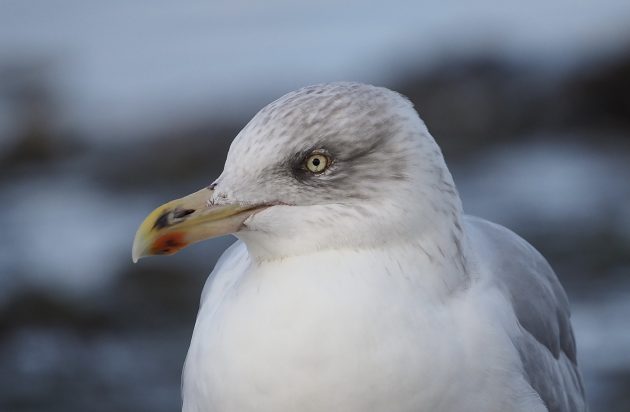
Fifty years ago the British Trust for Ornithology published its original Atlas of Breeding Birds. At the time the Herring Gull population was still booming. The Atlas noted the negative impact the Herring Gull had on colonies on Puffins, Manx Shearwaters and Storm Petrels because of erosion caused by “tussock-pulling by displaying gulls”, while “the sheer weight of numbers of gulls is considered to have excluded late-arriving, less robust seabirds… Control measures, including culls of breeding birds, are being undertaken in several areas.”
These days lethal culls are generally frowned upon: whether this is a good thing depends on your point of view. From a seabird-conservation perspective, the Herring Gull’s decline is arguably a good thing, while there are many people who would also welcome a further drop in numbers. However, it does look as if these so-called giant seagulls will remain our most unpopular birds for a long time to come.









Gull populations exploded because we left our rubbish uncovered for them to pick through – the current “decline” is just a return to the baseline. This is for me a reason to dislike culling (even though L. micahellis affects my favourite seabird populations in Portugal). Stop feeding the gulls and they will decline. For the rest, any bird that sticks around our bio-depleted surroundings: kudos! Thanks for bringing these birds to us through your writing, David.