
Attidiya Bird Sanctuary is one of the largest wetlands in the greater Colombo area, and accordingly offers refuge to a large number of waterbirds, with everything from crakes to pelicans being in evidence here. The place offers a good opportunity to get acquainted with some of Sri Lanka’s more common birds and usually comes up with a few surprise sightings as well, making it well worth the tuk-tuk ride to get there.
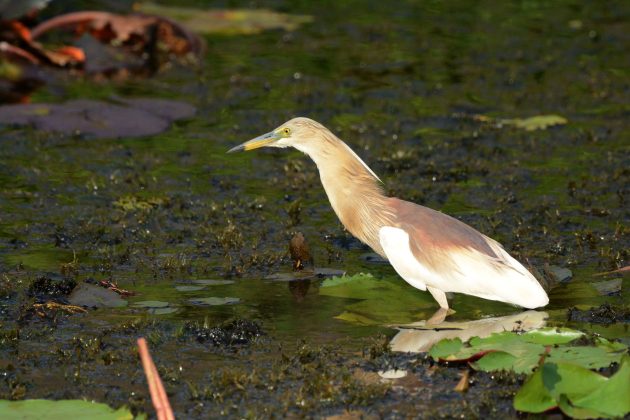
Indian Pond Herons are surely one of the most abundant birds here. The combination of broan and white plumage with blue in their bill as their breeding colouration makes them surprisingly beautiful. They usually stand motionless at the water’s edge for ages, and when you decide that it’s not worth focusing your camera on this frozen beast and turn around, they suddenly pounce on some unassuming fish under water. However, this paper shares an interesting sighting of this species floating in the water to catch fish, a seemingly more innovative technique.
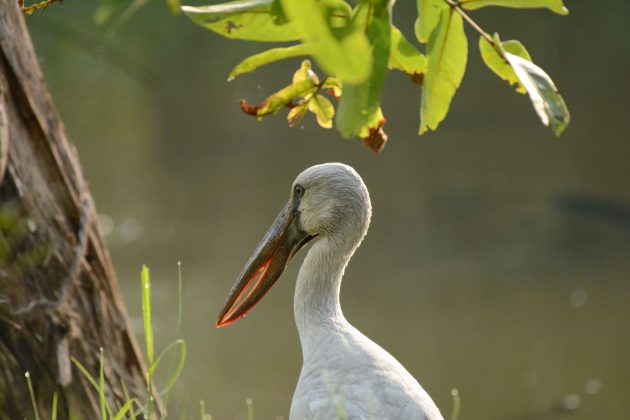
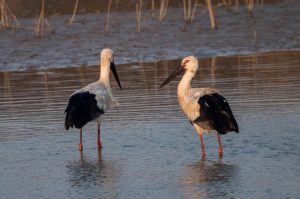
Another common, but way larger, bird is the Asian Openbill. It’s always fun to see this bird in profile, with the gap between upper and lower mandible always appearing as if something was 3D-printed wrong-way-round.
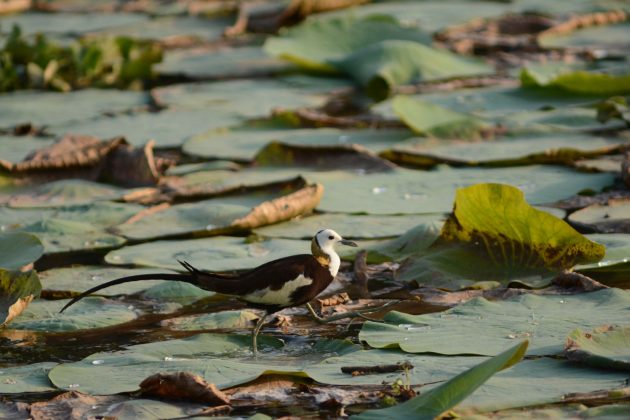
One of the more comical and easily seen birds is the Pheasant-tailed Jacana. This is a common bird in Sri Lanka but has to rank as one of its coolest avian representatives. They always come in especially handy when you need a break from scanning the wetlands for a Cotton Pygmy-Goose or a Watercock.
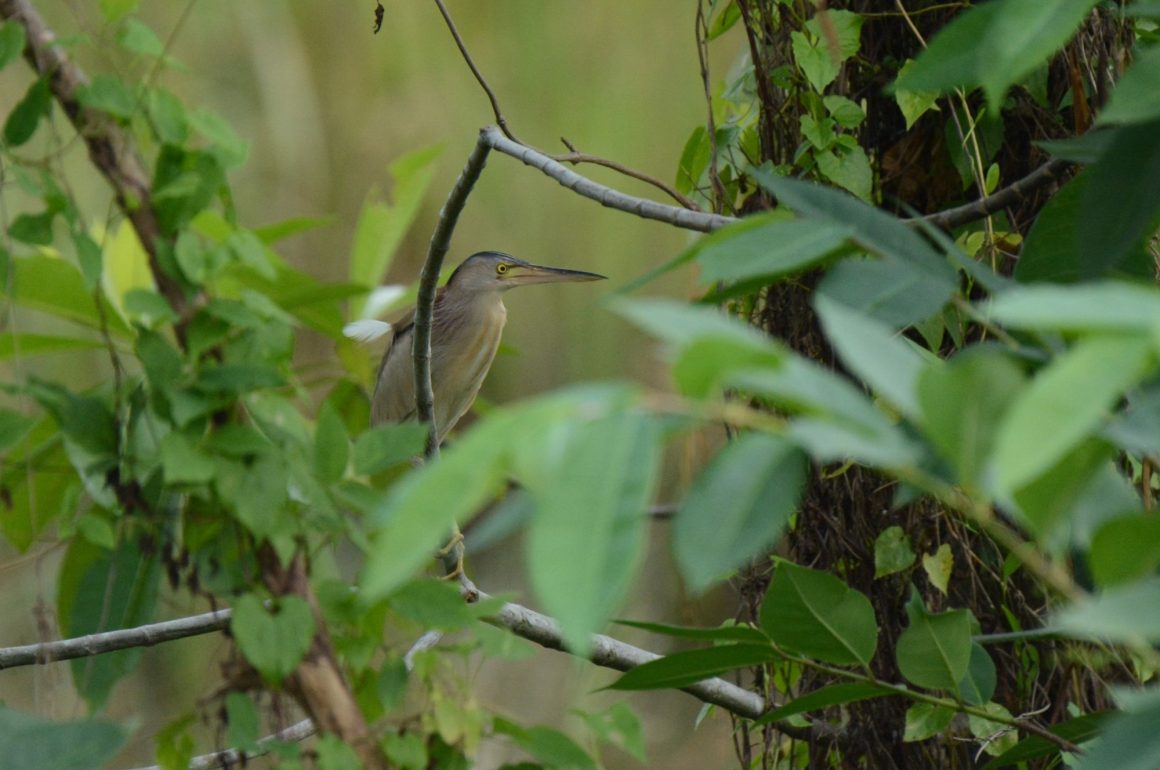
Like many other wetlands in Colombo, Attidiya is a good place for bitterns. Yellow Bittern is particularly common but despite recorded them on nearly every visit, I’m always surprised by their diminutive size when they creep through the vegetation (see featured image). Chances are pretty good for finding its rarer Black and Cinnamon cousins, in addition to other rarities. However, the number of common birds at Attidiya is so great that the masses of herons flying by and the openbills dotting the marshes provide enough entertainment for the visiting birder.




Leave a Comment