

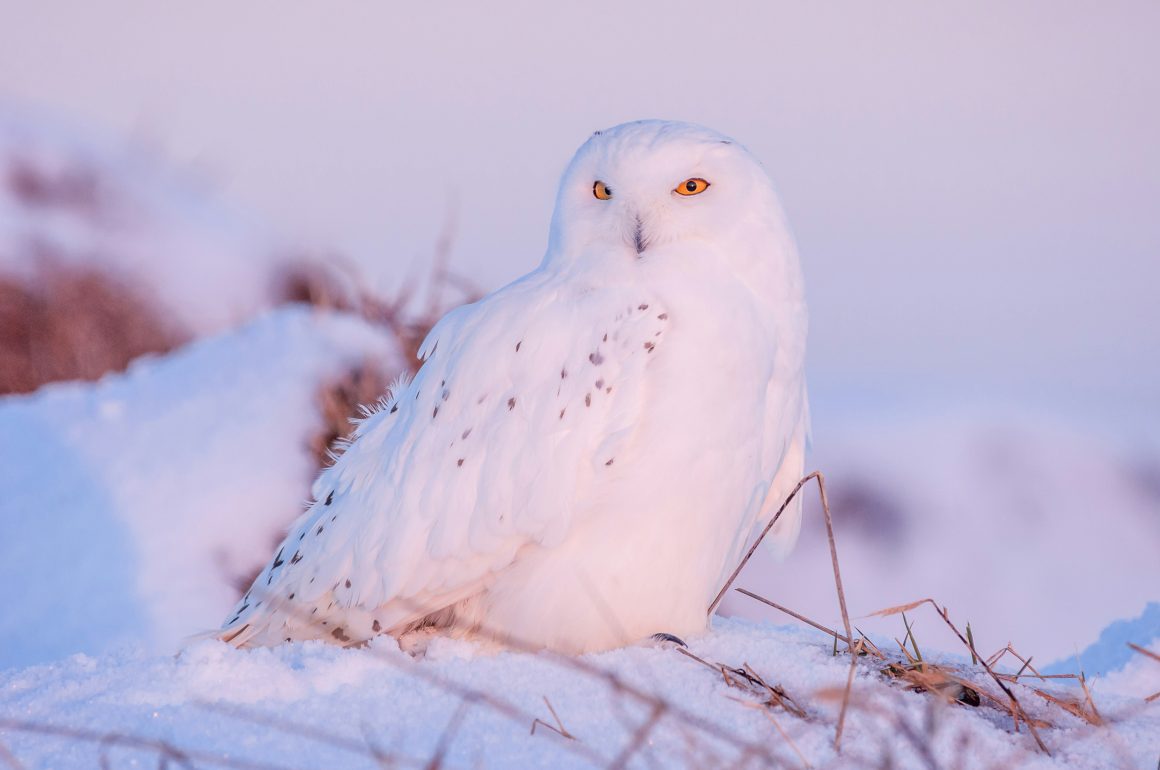
If you’re an avid bird watcher, you’re likely familiar with the elation that comes with spotting a rare bird. After excitedly snapping that photo, your first instinct might be to post it right away, tagging the exact spot so the birding world knows where you saw a Snowy Owl two states south of where it’s supposed to be in February.
While that instinct can feel generous, it’s an impulse that can turn a rare and vulnerable bird’s hiding spot into a destination overnight when multiplied across thousands of birders with phones in their pockets. For birdwatching enthusiasts, knowing the difference between sharing that helps and sharing that harms is critical.
The Rush an Ultra-Rare Bird Can Bring
Birders call an unusual sighting a mega, and word travels fast once one shows up, especially with apps like eBird that send alerts when certain species are spotted. Regional listservs and group chats get active, and within an hour, a quiet patch of woods can fill with cars and long lenses. Most of the time, this energy is a wonderful thing. It connects people and gets more eyes counting birds for science.
Yet, it’s important to acknowledge that a handful of species carry a different kind of weight. Owls and certain grouse species draw attention from poachers and traffickers who follow the same public alerts as everyone else. It doesn’t take long for a precise GPS pin attached to a post to spread, even if you think your audience is being careful.
How Photos Can Endanger a Species
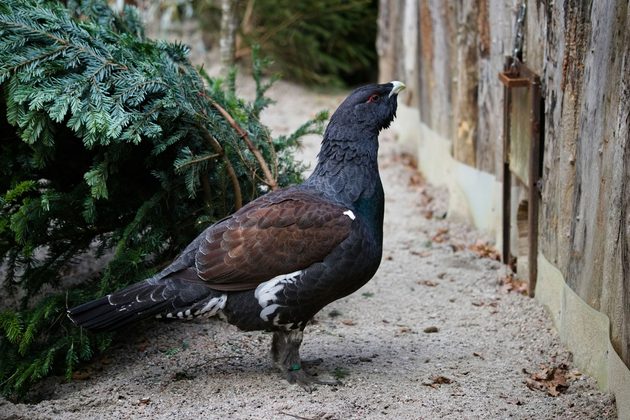
In Scotland’s Cairngorms, the Western Capercaillie has become a clear example of what happens when a species and social media collide. Fewer than 550 of these birds remain in Scotland, and the vast majority live inside a single national park.
Male Capercaillie gather each spring at traditional display grounds called leks, and disturbing them during that window is against the law. After all, habitat loss is one of the top reasons bird species end up endangered.
Journalists have documented cases of birders and photographers posting sightings online in pursuit of likes and clout, sometimes drawing crowds large enough to scare birds away from breeding grounds for the season. Conservation groups now run public campaigns urging birders to exclude Capercaillie locations from their posts entirely. Those incidents show how quickly a rare sighting can shift from shared excitement into conflict, as crowds, photographers and conservationists end up at odds over whether access is worth the risk to the birds.
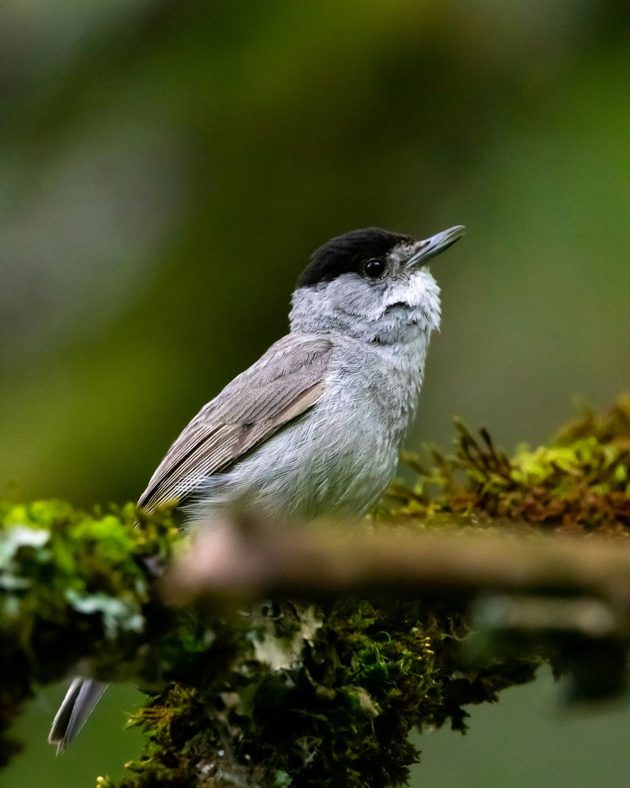
Sharing sightings is one of several human habits that locate birds in ways that nature didn’t intend. For example, feeders have been observed to act as bait, drawing predators toward unusually high prey densities. Research on European songbirds has linked feeding stations to changed migration patterns in Blackcap Warblers each winter. Evidently, wherever humans concentrate birds, whether through a feeder or a viral post, the risk to the birds often goes up.
When Ecotourism Gets It Right
The encouraging news is that plenty of birding destinations have figured out how to share access responsibly. In Michigan, guided tours to see the Kirtland’s Warbler run through experienced forest managers who control both timing and group size, protecting nesting habitat while still letting people see one of North America’s rarest Songbirds.
During nesting season, Kirtland’s Warbler nesting areas are closed to the public, highlighting a dedication to preservation over spectacle. This model works because access is managed and not left to chance.
In Brazil’s Pantanal, the Hyacinth Macaw Project has worked directly with local ranchers to protect nest sites. Lodges built around the Hyacinth Macaw serve to preserve the species and be a source of tourism.
This structure allows guests to enjoy a genuine wildlife encounter while providing the Hyacinth Macaws with consistent protection in return. Today, there is virtually no trafficking of Hyacinth Macaws in the South Pantanal. Ecotourism, when built this way, turns a species’ rarity into its best defense rather than its biggest vulnerability.
Another example demonstrating that tourism can replace the financial incentive to trap rare birds is the Morite Ecolodge, a community-based birding operator. The Moluccan Cockatoo is found nowhere on Earth but eastern Indonesia. Its population has declined due to illegal trading, making it critically endangered. Residents who once trapped and smuggled the salmon-crested cockatoo now lead birdwatching tours to protect it.
Understanding the Code and Building the Right Habits
Sharing your finds is still worth doing. What’s important is that you know where the line sits. The American Birding Association has provided a widely used code of conduct that covers situations like these.
Following these rules still leaves plenty of room for birding and posting, with a short pause before hitting send to think about who else might be watching that pin drop. A key principle here is to respect the birds’ well-being and habitat, ensuring that your actions do not negatively impact either. Ultimately, the bird’s welfare comes before the photo or the post.
Waiting a day or two before posting a sensitive sighting, especially during breeding season, is a simple habit that goes a long way here. Additionally, aim to share general regions instead of exact coordinates when a species is known to be vulnerable.
Enjoy the Environment Without Endangering It
The next time you find something extraordinary through your binoculars, remember that the excitement is worth celebrating. Give yourself a beat before you post it to the world. Ask whether the species can handle a crowd and whether the exact location needs to stay a little more private. Being thoughtful about what you share makes you the kind of birder that rare species need more of.


Fabulous—and incredibly important—post. Thanks for the reminder to all of us.
Excellent post!
Rare bird sightings in the UK can attract crowds of up to 3000 people over a few days. Most major twitches are well managed, often raising considerable sums of money for charity. Twitching a rare vagrant (that, sadly, is probably doomed anyway) is very different from pursuing, and disturbing, a rare bird on its breeding grounds. Grace mentions the case of capercaillie in Scotland – the problem is often caused by photographers rather than birdwatchers. Many photographers do not have a background in birdwatching, and so are less aware of the dangers of disturbing breeding birds.