

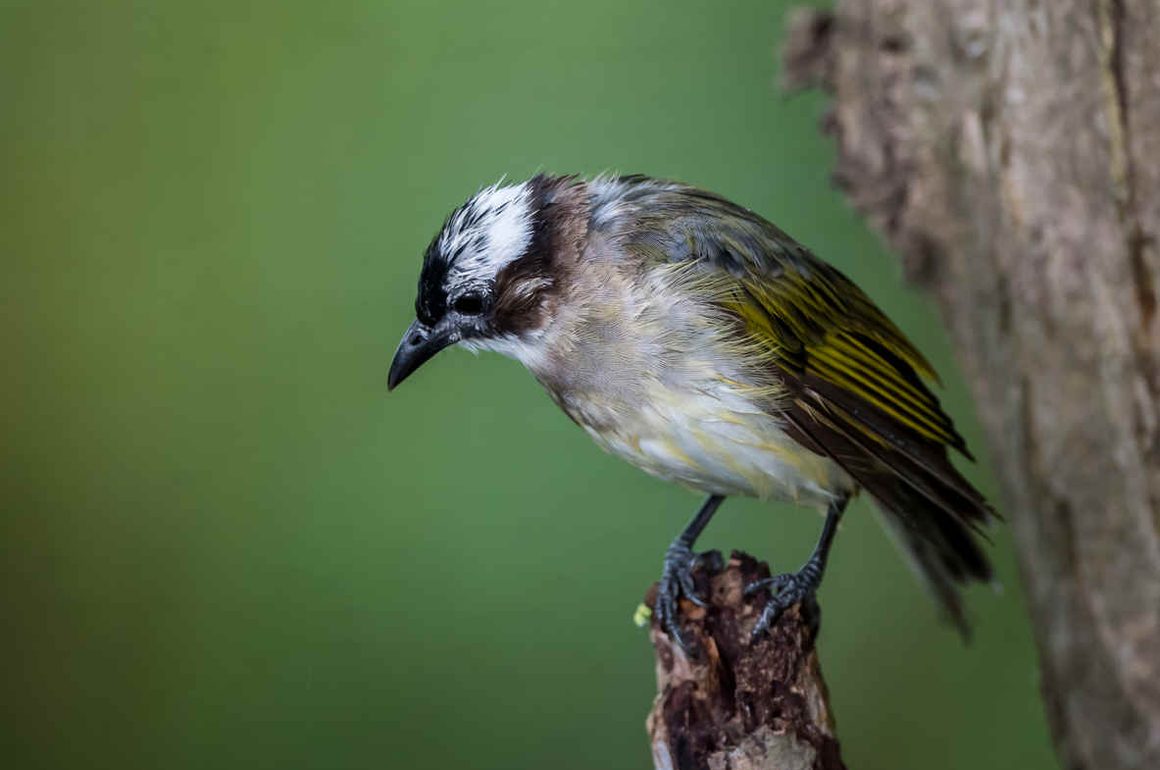
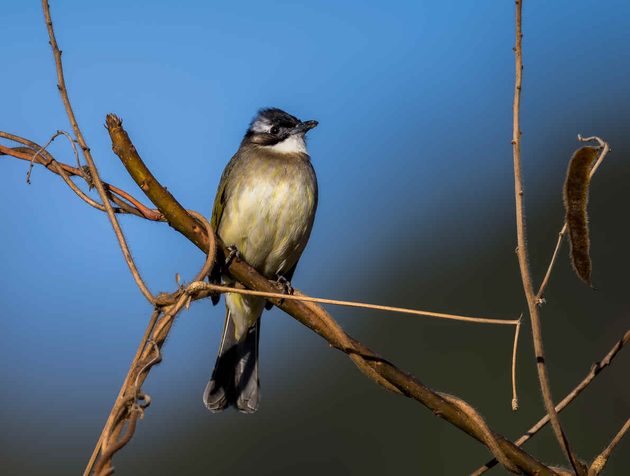
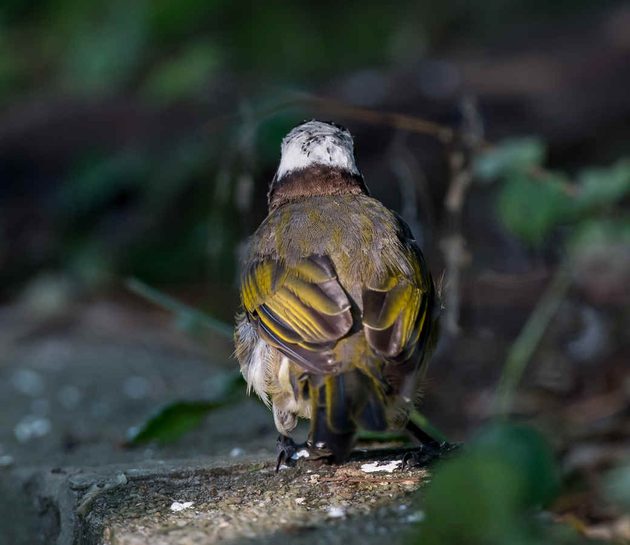
The Light-vented Bulbul is ubiquitous in Shanghai. I once used its characteristic call as the ringtone for my mobile phone but had to abandon this idea as it was simply too confusing to decide whether I received a call or just heard a bird.
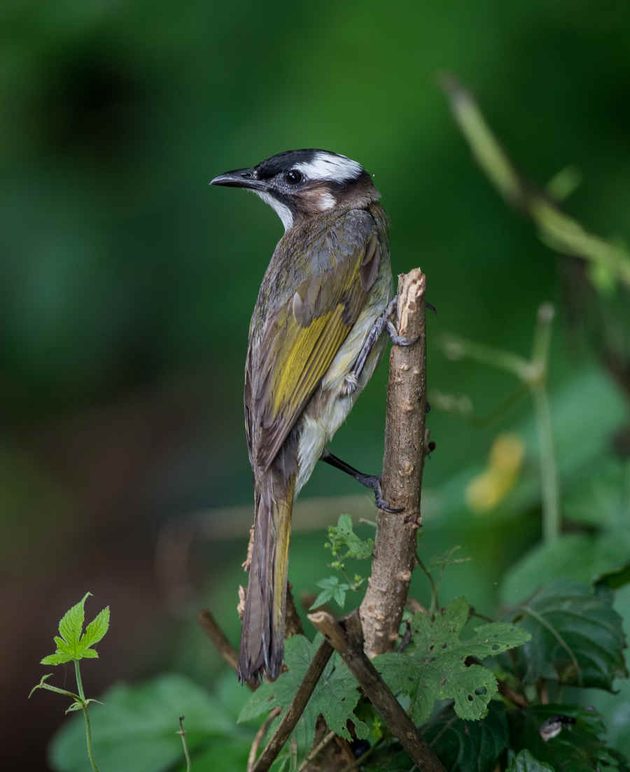
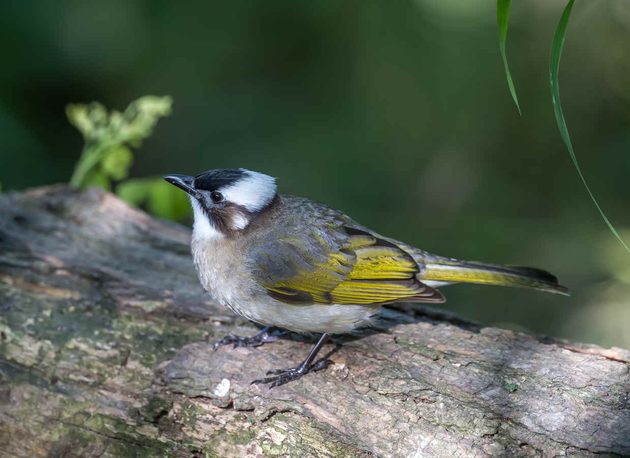
(Masochistic sidenote: Not sure if the Ivory-billed Woodpecker has a characteristic call and whether it has ever been recorded, but its use as a ringtone should limit confusion considerably).
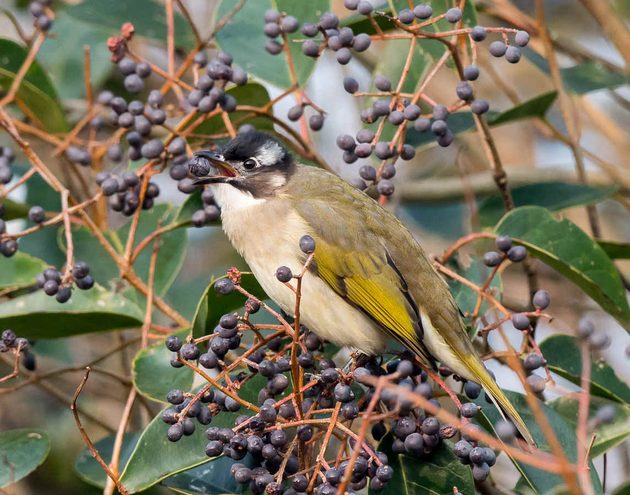

The HBW sounds almost a bit negative about the species: One of the commonest birds in S China, especially in cultivated and settled areas; abundant in many regions … Being commensal with man, this species requires no conservation action; it is favoured by deforestation and tolerant of highly degraded habitats. For this reason, its range is spreading. I guess they like their birds to be a bit more obscure.
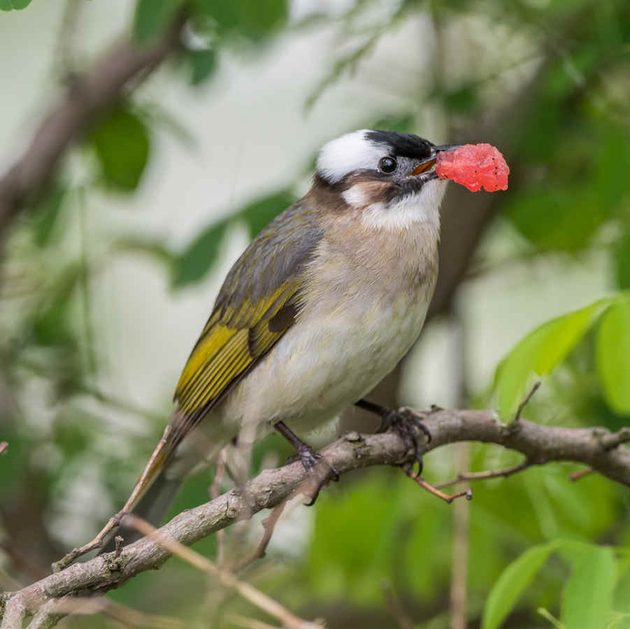
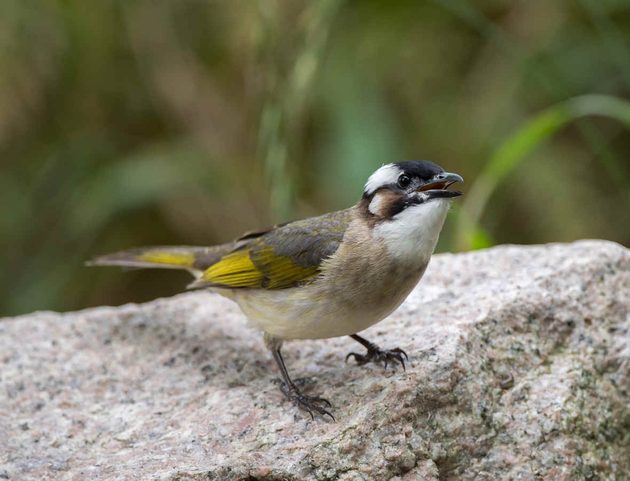
Bulbuls craving the attention of ornithologists better choose university campuses as habitat – for example, the campus of Hainan Normal University in Haikou. Some individuals which used this approach successfully are featured in a recent paper describing their novel behaviors. One involves climbing up trees in the manner of a woodpecker, searching for insects. The other describes foraging for insects, aggregating under artificial light at night.
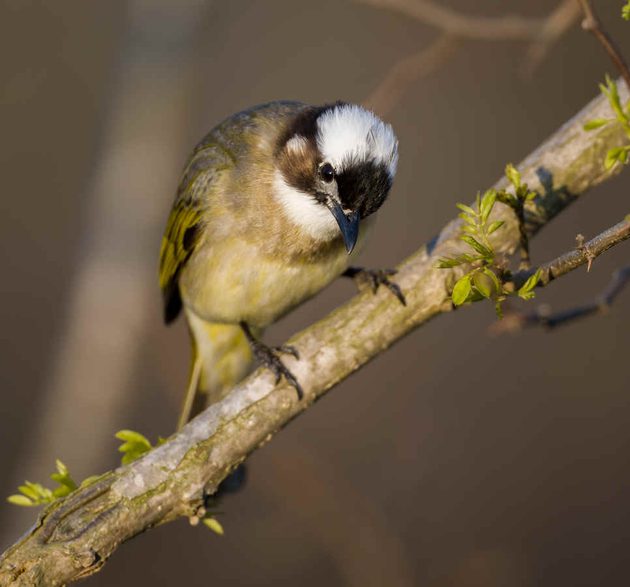
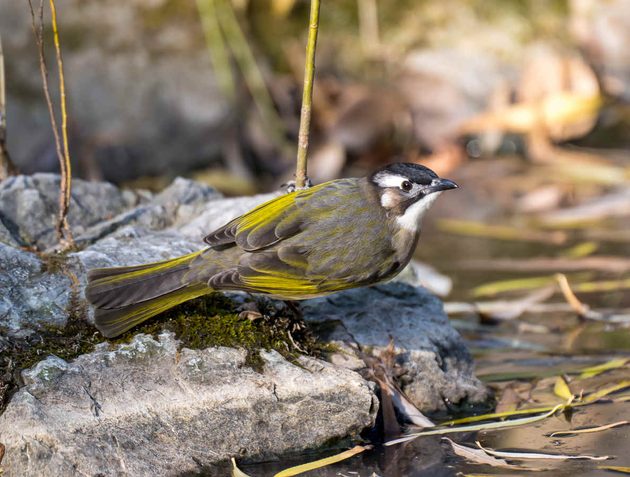
The researchers describe both behaviors as examples of birds adapting to urban environments – though frankly, I do not quite see how the first one fits that description (trees are not a highly characteristic feature of urban compared to non-urban environments).
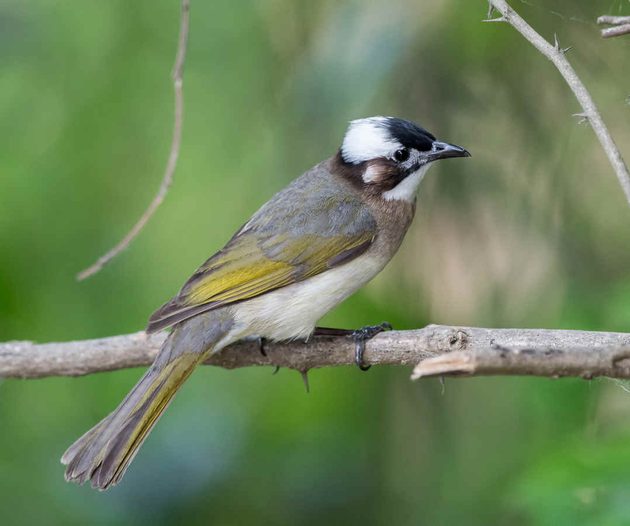
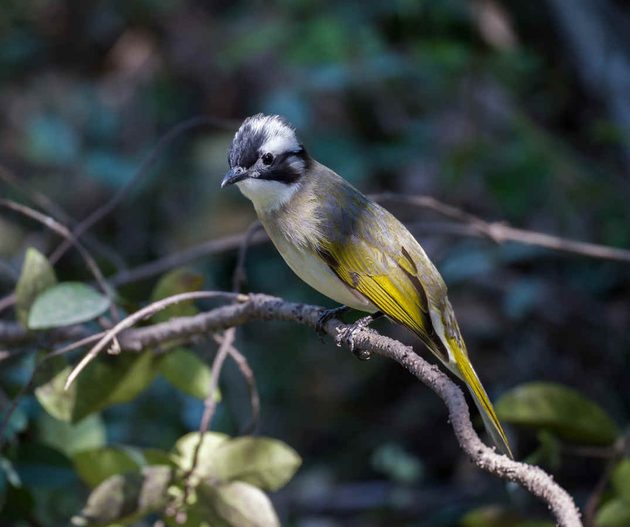
A better example is that, apparently, the nesting material used by Light-vented Bulbuls depends on the type of land they used as habitat. The proportion of anthropogenic materials such as plastics, paper pieces, cloth pieces, nylon particles, and threads increased significantly in more urban habitats. The researchers take a massive leap of faith speculating that this is due to an increase in the availability of anthropogenic nesting materials toward the urban core.
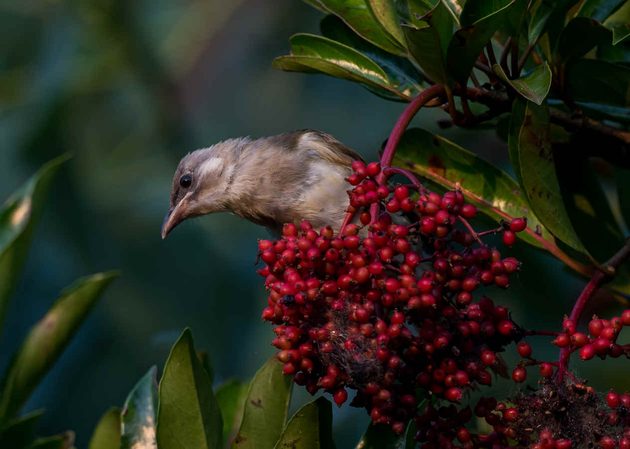
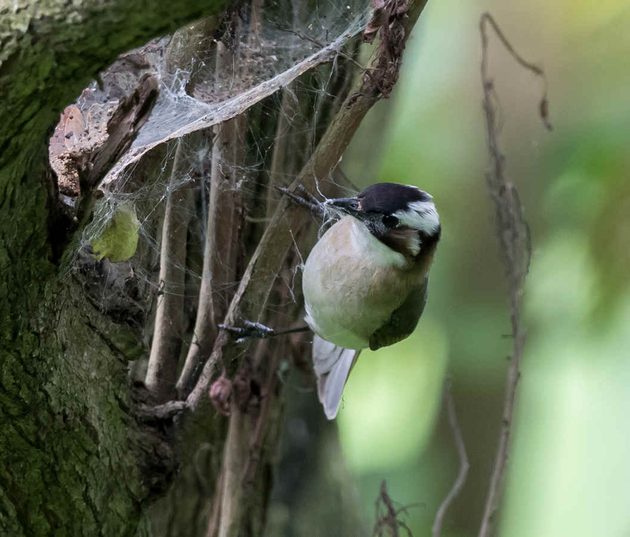
Better access to a greater variety of nest-building materials is not the only advantage of city life for the bulbuls. Yet another study found that more urbanized habitat was linked with earlier nesting, increased frequency of feeding the chicks, and less predation. What’s not to like?
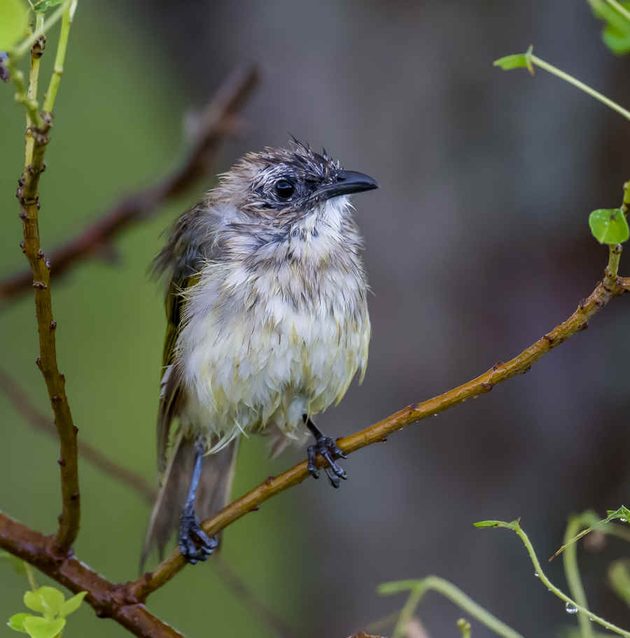
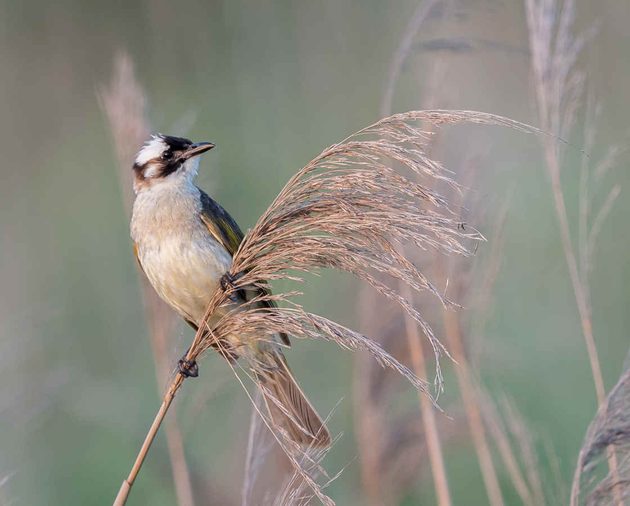
My guess is that it is young urban Chinese who are particularly attracted to bulbuls. To my surprise, the Chinese translation of an old post of mine on bulbuls has received a large number of views on Chinese social media. Apparently, quite a few young Chinese, to some extent, identify themselves with bulbuls. With the help of ChatGPT, I figured out why:
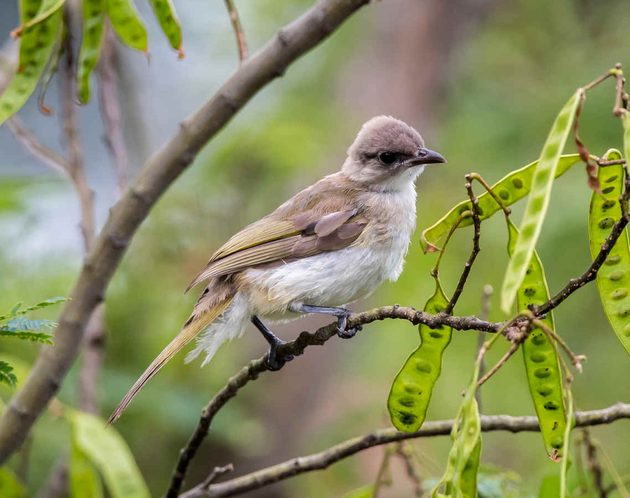
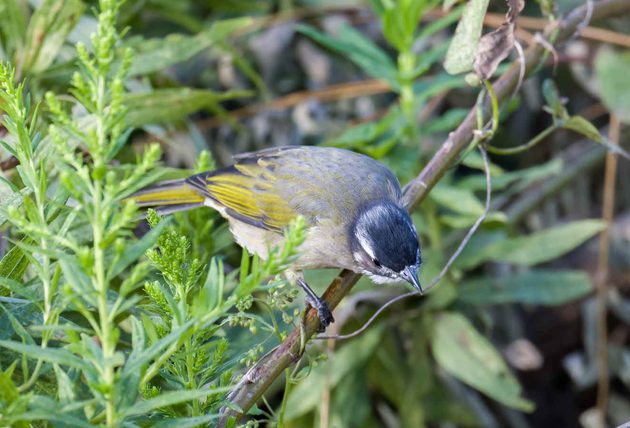
The Chinese word for pessimist, beiguan zhuyizhe, starts with the same sound (but not the same character) as the Chinese word bei for bulbul. So when Chinese people call themselves beiguan zhuyizhe (with the bulbul bei), they are identifying with the bird and with pessimism. Which thus is both a pun and an expression of a weary or downbeat mood through a cute bird identity.











Leave a Comment