

If you had asked me 10 years ago how much impact artificial intelligence, or AI, would have on the humble pursuit of birding I would have predicted not a lot. I would, of course, been completely wrong. Most of us now have Merlin installed on our phones, and enjoy seeing if Merlin has picked up any sounds or songs we haven’t. (Twice in the last week Merlin has noted a Water Rail calling in my local fen. I haven’t heard it.)
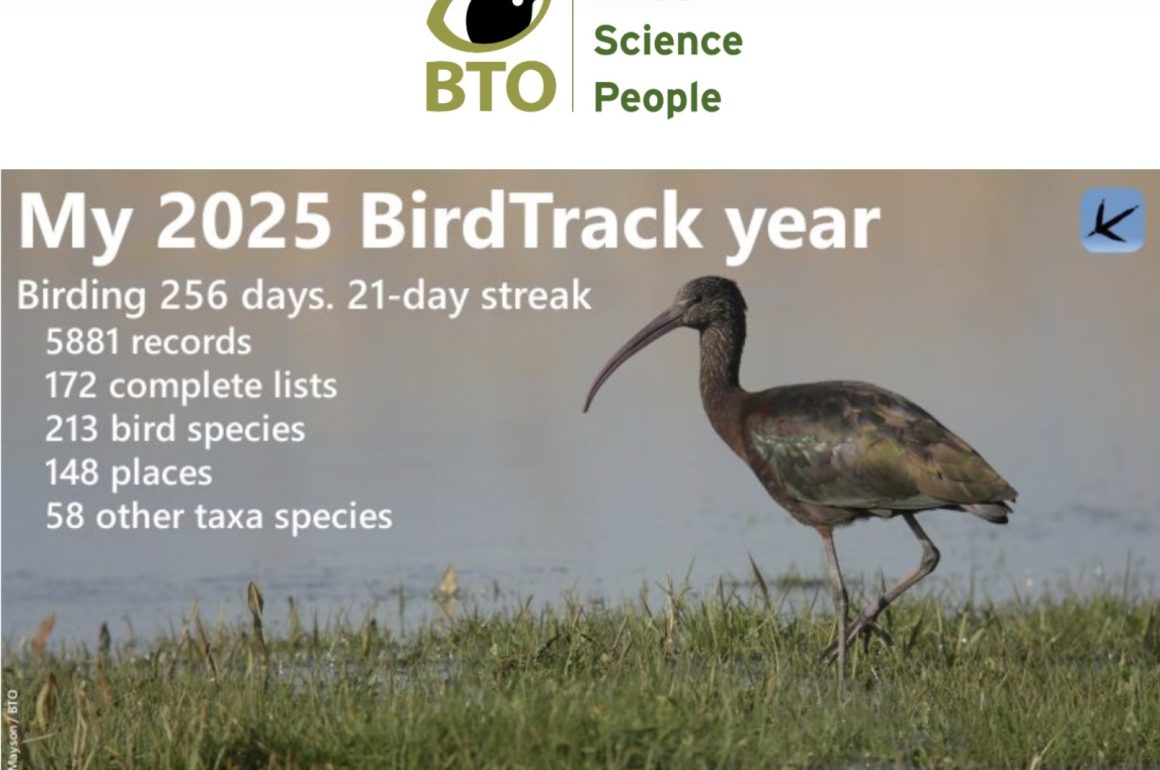
The world of bird recording has also been transformed by AI, as I was reminded earlier this week when I received an e-mail from BirdTrack reporting on my Birding Year 2025, telling me how many records I’d posted last year, the number of species I’d seen and the different places I had visited. They are the sort of figures that you could work out for yourself, but it would take a long time to do so. BirdTrack has done it for me with the help of a little AI. Magic.
BirdTrack is Britain’s equivalent to E-Bird, as it allows you to put your records on line. Organised by the British Trust for Ornithology, it’s a system used by around 13,000 birders (mainly here in the UK) to store and share our records for conservation. According to the BTO, “Collectively, the BirdTrack community recorded 9.6 million records of over 400 bird species in Britain and Ireland, with many coming from the 323,000 Complete Lists. BirdTrackers also submitted 221,000 records of butterflies, mammals and other taxa that we share with other relevant wildlife organisations. Together with records submitted internationally, BirdTrack saw its best ever year with over 10 million records collected.”
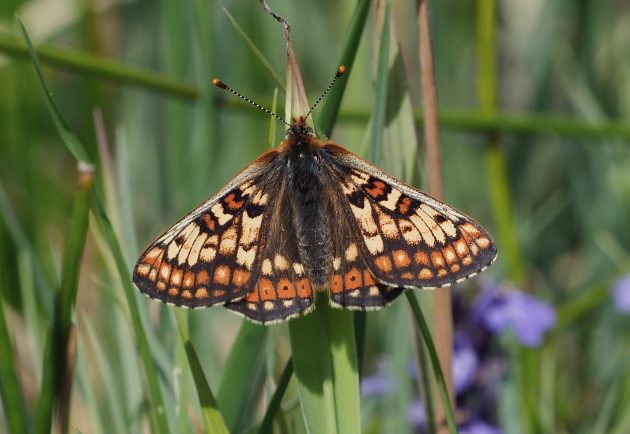
BirdTrack allows other taxa, such as this Marsh Fritillary butterfly, to be recorded
I like using BirdTrack: it’s easy to input my records, and much easier to refer back to them than it was in the old days when my notes and records were on paper. It has excellent search engines that allow me to check my data. For example, it will tell me at the touch of a button how many times I recorded Marsh Harriers last year (108 in case you are interested), and how many different sites I recorded them at (36), while it also tells me that my first sighting of a Marsh Harrier last year was in Hopton Fen on 1 January.
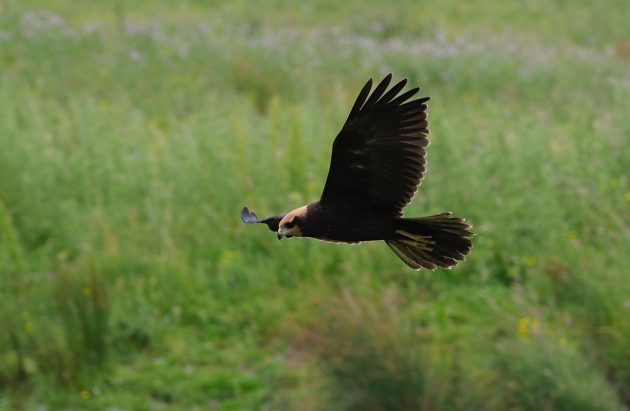
In 2925 I record Marsh Harriers on 108 occasions at 36 different sites in England
The Explore Data function allows me to discover no end of facts and figures about my records, and I suspect that if I was more tech savvy it would enable me to do things that I haven’t even thought about it.
I rarely go a day without adding a record, so I was interested to note that last year I submitted records for Britain and Ireland on 256 days. I also submitted European records on many days, but frustratingly BirdTrack doesn’t tell me how many. The day when I recorded the most species in 2025 was almost exactly a year ago – 14 February, when I scored 74 species. It’s a little disappointing to think that was my best day, and I resolve to submit some 100-species days this year. Seeing 100 species in day takes a bit of work in the UK, but it’s quite achievable.
My 2025 report also tells me my three top recording sites. Heading the list was Hopton Fen, which isn’t surprising as I walk there nearly every morning with my spaniel. Second was my garden, with Knettishall Heath (a nature reserve three miles from home) third. I apparently recorded 87 species in Hopton Fen, which gives me a target to aim for this year.
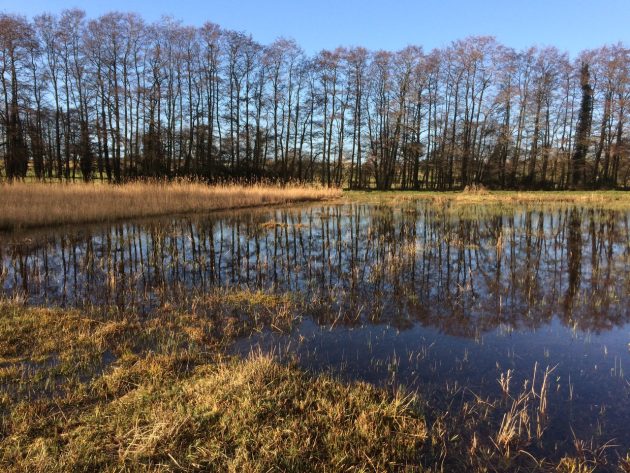
Hopton Fen, my top site in 2025
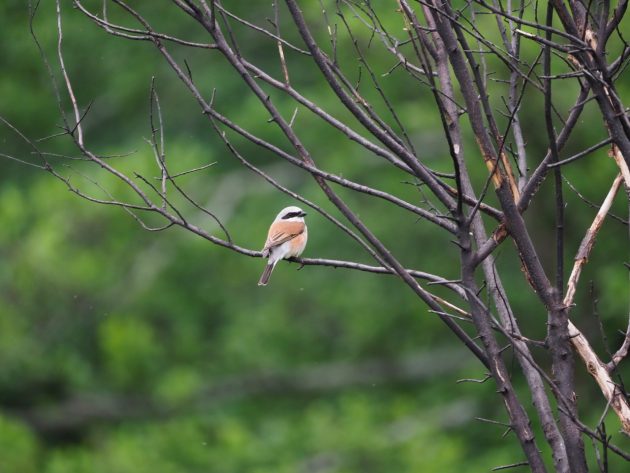
My Top Three Birds (seen by fewest other birders) were Black Stork, Hume’s Warbler and Red-backed Shrike. The Black Stork was a rather sad juvenile that spent a few weeks in Suffolk last summer. I last saw it in early September when it looked far from well, while the fact that it wasn’t recorded again suggested that it might well have died. The Red-backed shrike was juvenile I saw on a miserable wet day in North Norfolk in late summer. I’d enjoyed much better views of adults in breeding plumage in Greece in May, a reminder of why I’m not much of a twitcher. I would much rather see a bird where it ought to be than a lost and possibly doomed migrant.
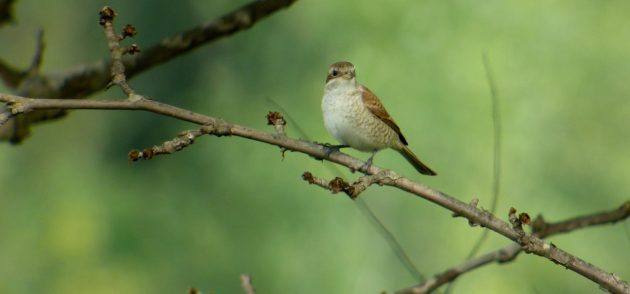
My only English sighting of a Red-backed Shrike was of a juvenile (above), but I saw plenty of adults in Greece in May (below)
As you will see from the header picture, the 2025 BirdTrack report features a Glossy Ibis. This species was chosen by the BTO following an unprecedented influx of this species during 2025. “In total, over 4,000 records of this species were entered to BirdTrack in Britain and Ireland last year, while the weekly reporting rate peaked at over 2%. The distributions of many species are changing in response to climate change and BirdTrack data will play a major role in understanding these changes in the years ahead.”
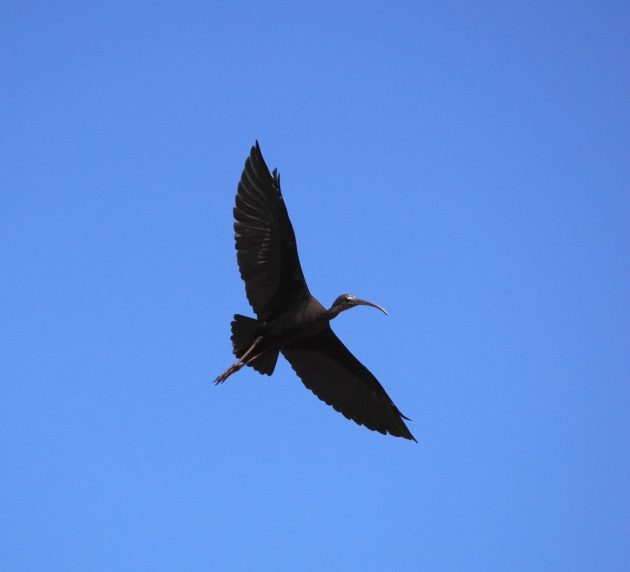
More Glossy Ibises were recorded in Britain in 2025 than ever before, with over 4,000 records
Fittingly, a flock of Glossy Ibises flying over my garden on 16 September was one of my birding highlights of the year. So far this year, according to BirdTrack, I’ve submitted 80 reports and recorded 124 species. At the same time last year I’d recorded over 130 species, so I’ve a little work to do to catch up. Watch this space to see if I manage it.










Leave a Comment