
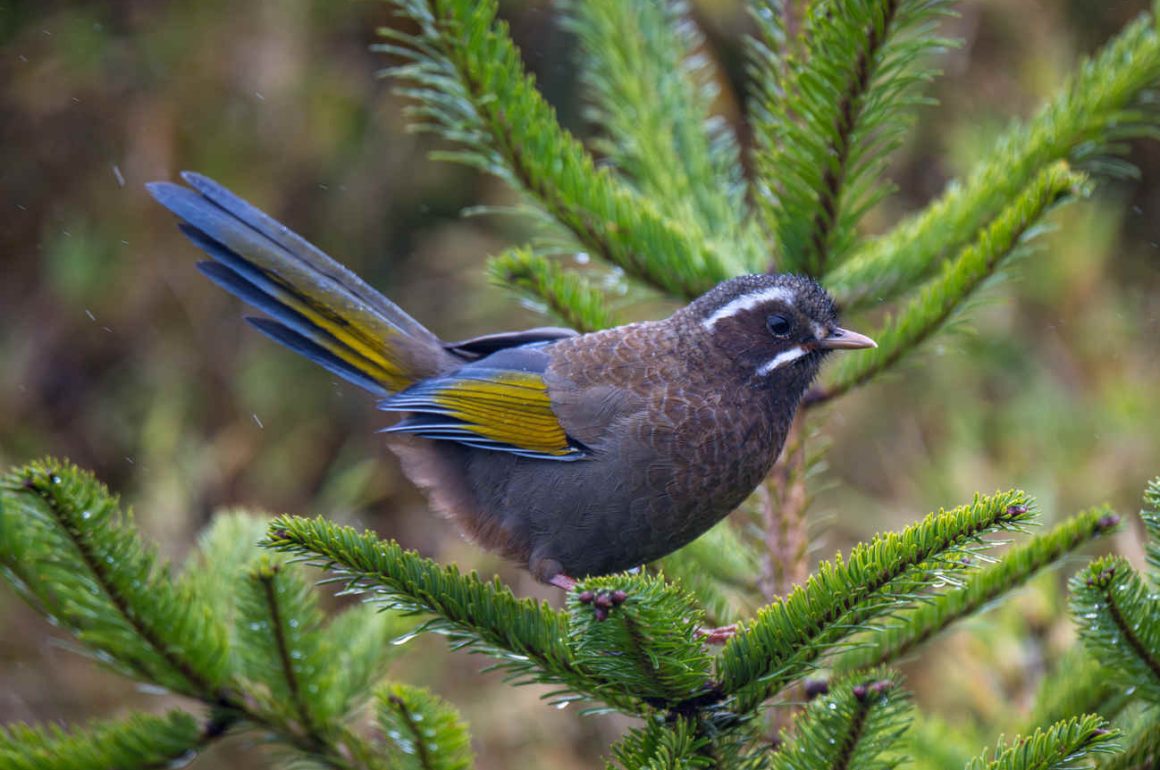
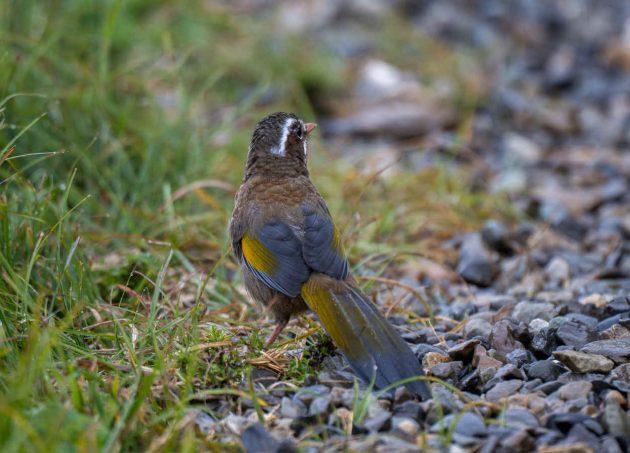
The White-whiskered Laughingthrush is perhaps the one species that gave me the strongest motivation to go on a birding trip to Taiwan.
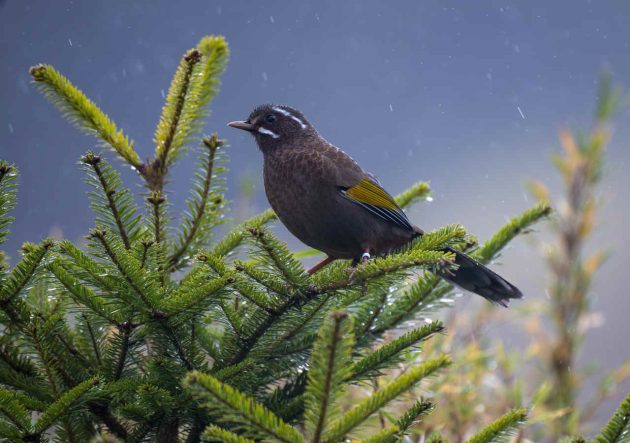
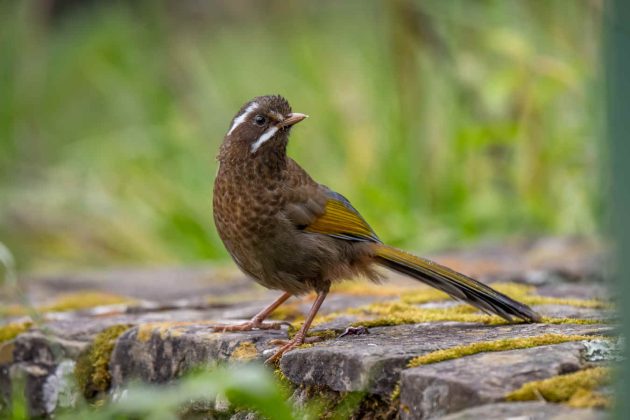
Once a popular cage bird because of its song, it is thankfully less threatened by trapping today. In the wild, it is fairly common in several of Taiwan’s national parks. I saw it several times in small groups, wandering boldly around parking lots and picnic sites in search of anything edible.
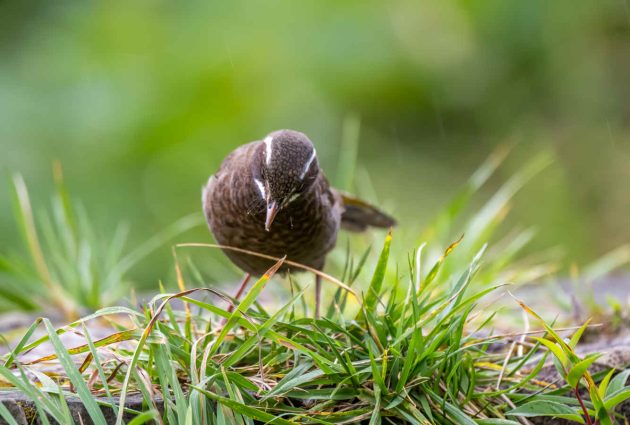
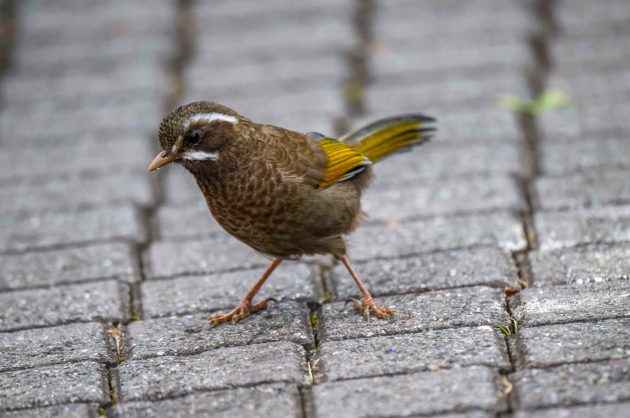
The HBW notes, with mild disapproval, that the species “also scavenges around rubbish piles,” which seems entirely in character.
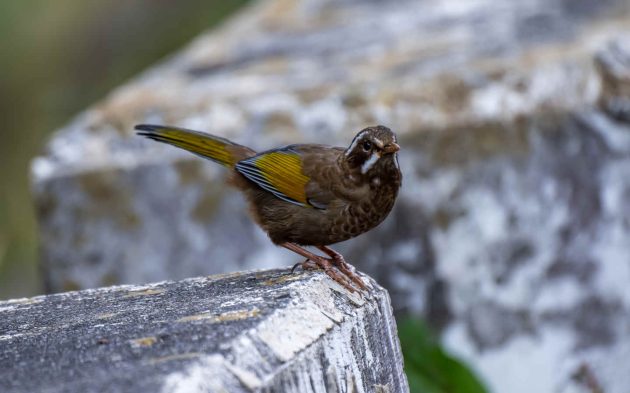
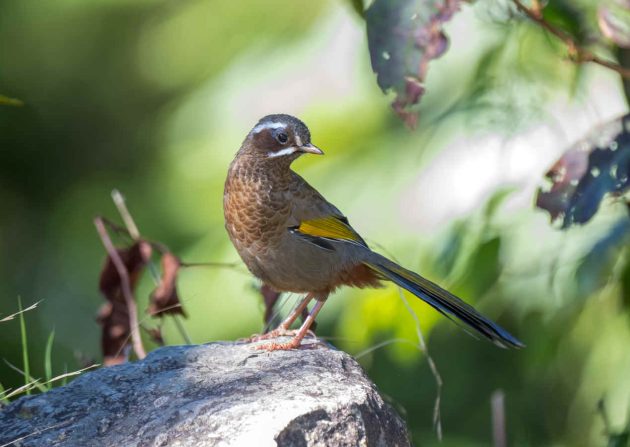
Despite seeming fairly adaptable, the species is listed as Near Threatened, mainly because it is confined to higher elevations—a range that may contract further with climate change. Models suggest climate change could shrink its high-elevation habitat by five to eight percent.
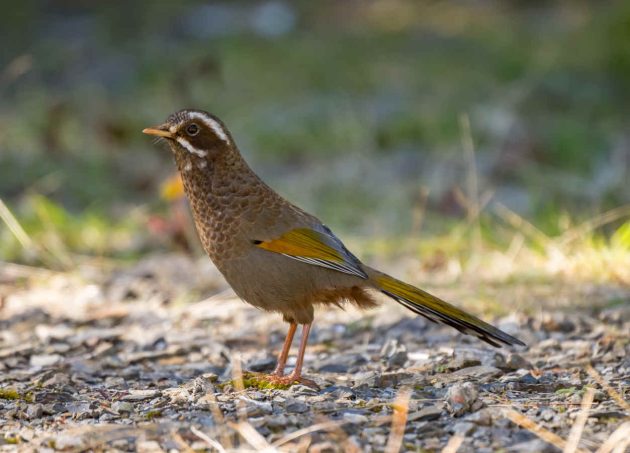
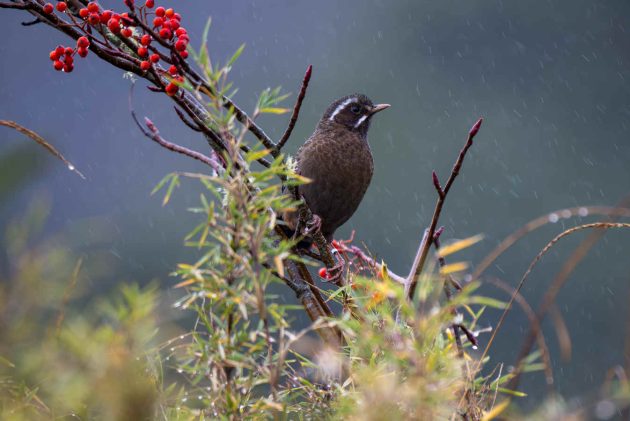
In surveys of endemic birds, it already appears at the lower end of the “common” spectrum, occurring in roughly a tenth of the locations where the Taiwanese Barbet is found, again presumably a consequence of its restriction to higher elevations.
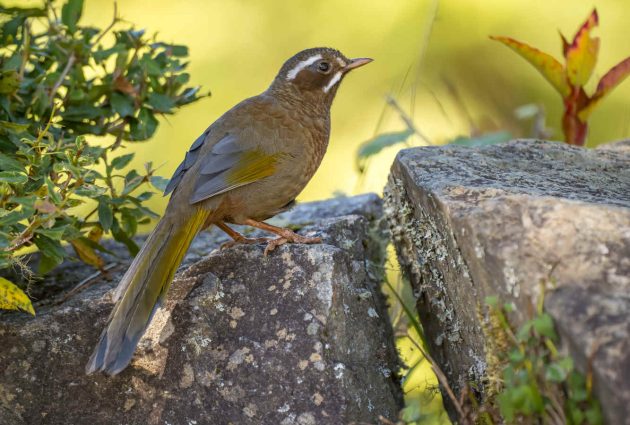
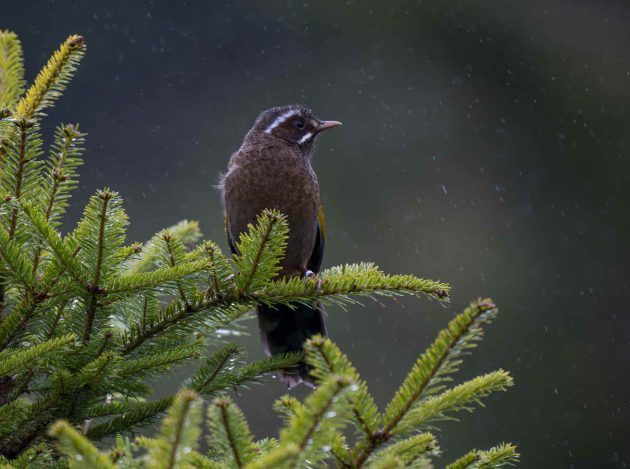
While social among its own, the Laughingthrush is not a major contributor to mixed-species flocks—maybe the other species think they are too noisy?
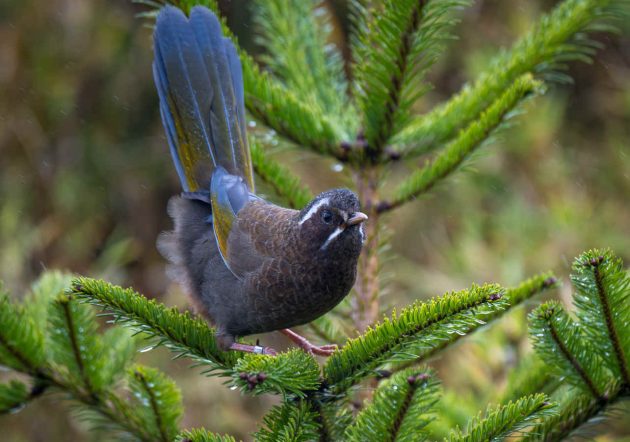
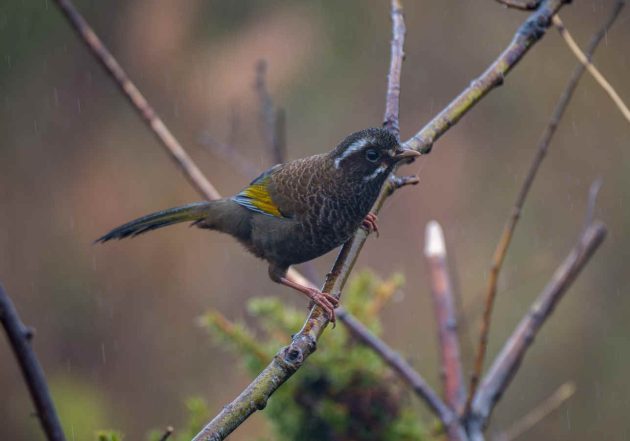
Its scientific name Trochalopteron morrisonianum sounds suspiciously like it was named after another intrepid explorer/colonist/army officer with a birding hobby, but in fact, it is named after Mount Morrison, Yu Shan, the highest mountain on Taiwan.
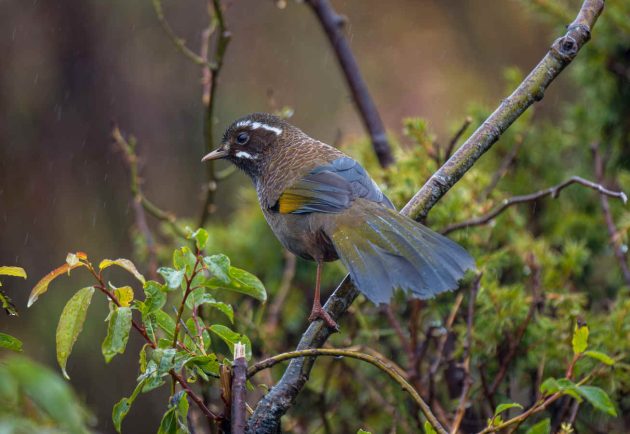
Then again, the mountain itself, at least in its English name, was named after a person, specifically, US mariner Capt. W. Morrison, who sighted the mountain in 1857 (or was the captain of a ship from which it was seen, or whatever).
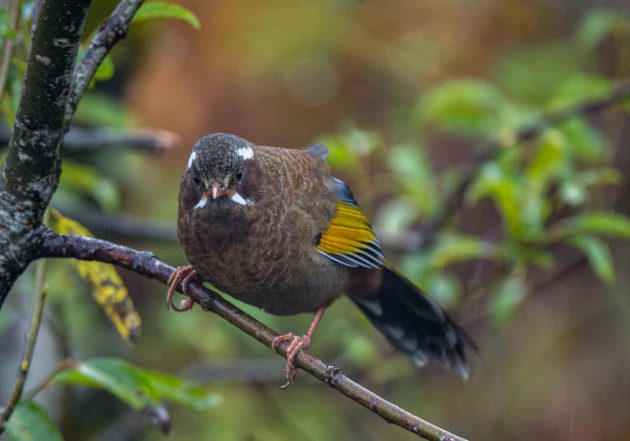
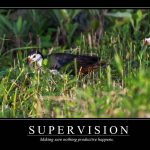
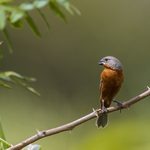
At the end of the trip, after seeing the White-whiskered Laughingthrush in several locations, my bird guide seemed a bit puzzled as to why I was still frantically taking photos of the bird.





Leave a Comment