

The short answer is one that many bird photographers may find rather unsatisfying: probably not. At least, birds almost certainly do not recognize that someone is taking their picture. They have no reason to interpret a large telephoto lens as a camera rather than just another strange object.
But that does not mean they are unaware of the person behind the lens. Several studies show that birds pay close attention to whether humans are watching them and adjust their behavior accordingly:
- European Starlings are sensitive to the gaze direction of a simulated predator. When the “predator” is looking away, they feed more quickly and consume more food overall (source).
- North Island Robins also respond to human gaze. In one experiment, they preferentially stole mealworms from an experimenter whose eyes could not see them rather than from one looking directly at them (source).
- Urban Herring Gulls take longer to approach food when a human stares at them (source), and they also flee at greater distances when approached by someone maintaining direct eye contact (source).
- Hand-raised Common Ravens not only follow where humans are looking but will even walk around barriers to see what a person is looking at. This suggests they understand another individual’s line of sight rather than merely reacting to head direction (source).
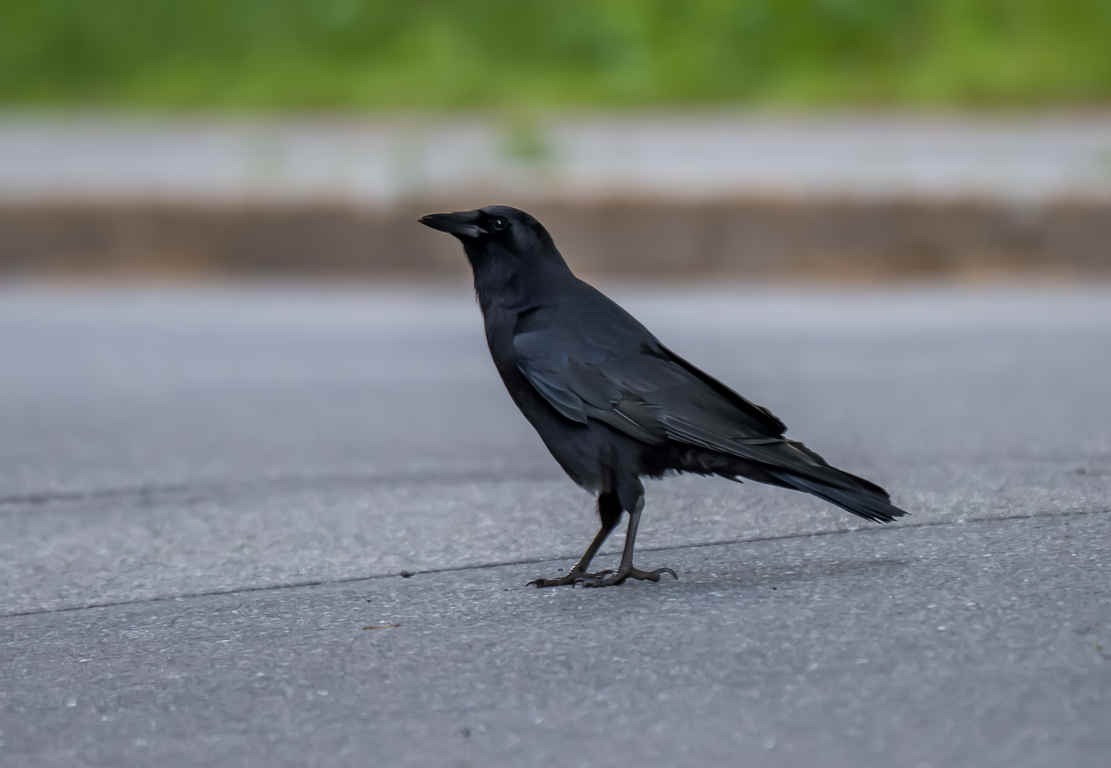
- American Crows can remember the faces of humans they perceive as threatening for years (source).
Put all these studies together, and a clear picture emerges: birds are remarkably good at picking up signs of potential danger. Unfortunately for bird photographers, staring at a bird, slowly moving toward it, and keeping your eyes fixed on it are exactly the sort of things a predator would do. So if a bird flies away before you can press the shutter, it is probably reacting to you—not your big lens.
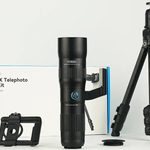
There is one possible exception. In regions where birds are heavily hunted, they may learn to associate long, dark objects carried by humans with guns. In such places, a telephoto lens might indeed trigger an avoidance response—not because the bird understands photography, but because the camera resembles something dangerous.
Photo: American Crow




Leave a Comment