

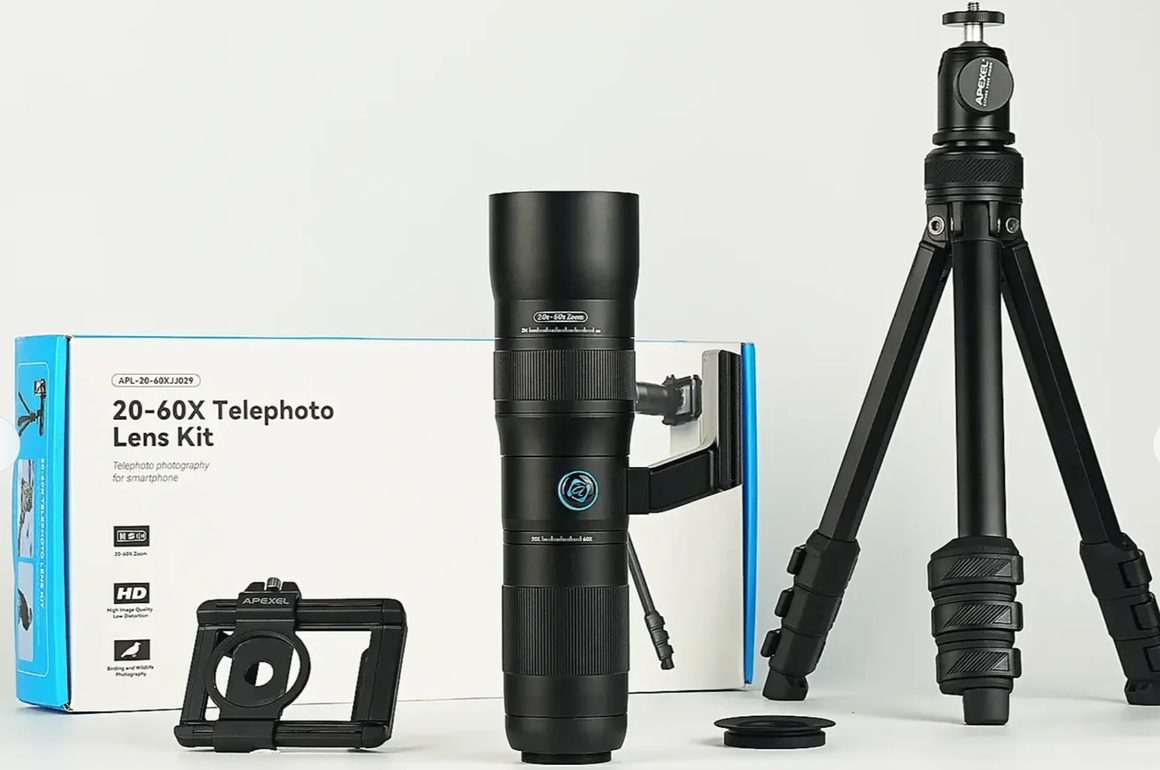
The Apexel 20-60X Zoom Lens is a lens that can be attached to almost all modern mobile phones, turning them into telescopes with an included photo function. It comes with or without an additional tripod and retails online for USD 130 (without tripod) and USD 170 (with tripod).
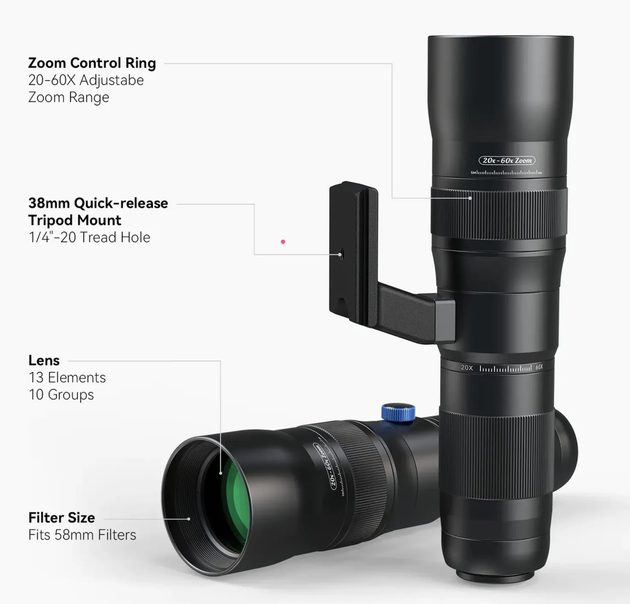
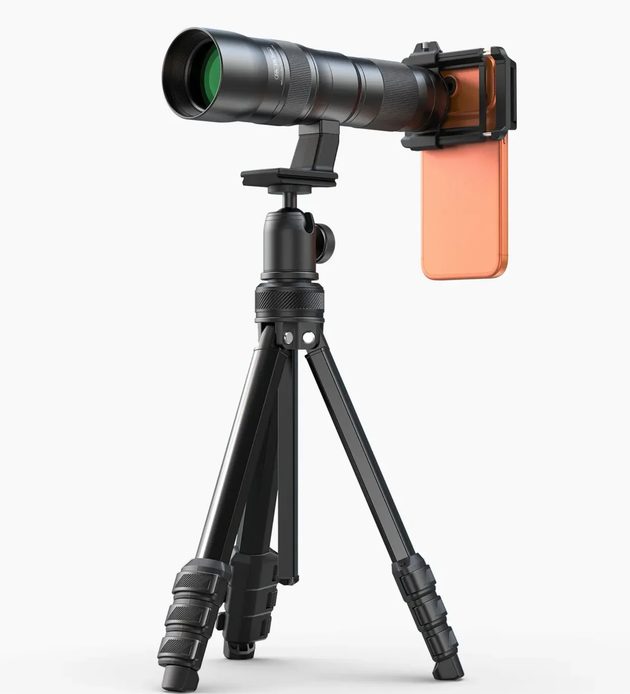
I tested the device indoors and at my usual birding spot in Shanghai, using my Samsung S22 in combination with the lens (of course, anyone who knows me knows that I do not have an orange phone – this is from the company website). Fortunately, the lens itself is black and looks very solid.
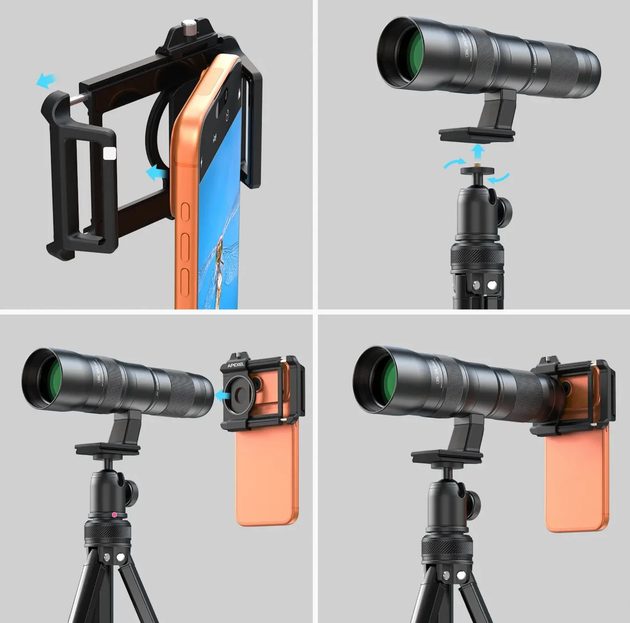
Setup is straightforward, as long as you remember to first fix the phone to the phone holder and only then to the lens, so you know you are using the right camera and opening (I first forgot).
Then, start shooting. The lens needs to be focused manually like a telescope, using the mobile phone screen to control sharpness. You can then select a magnification from 20x …
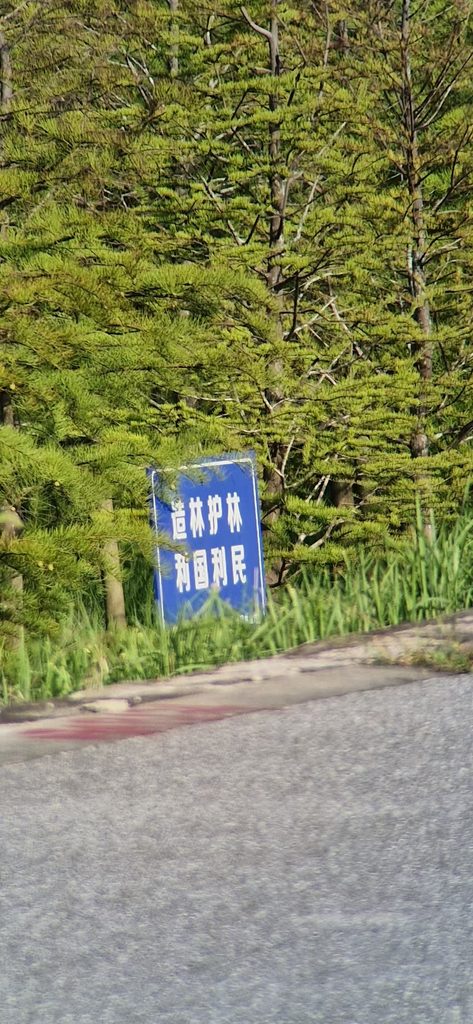
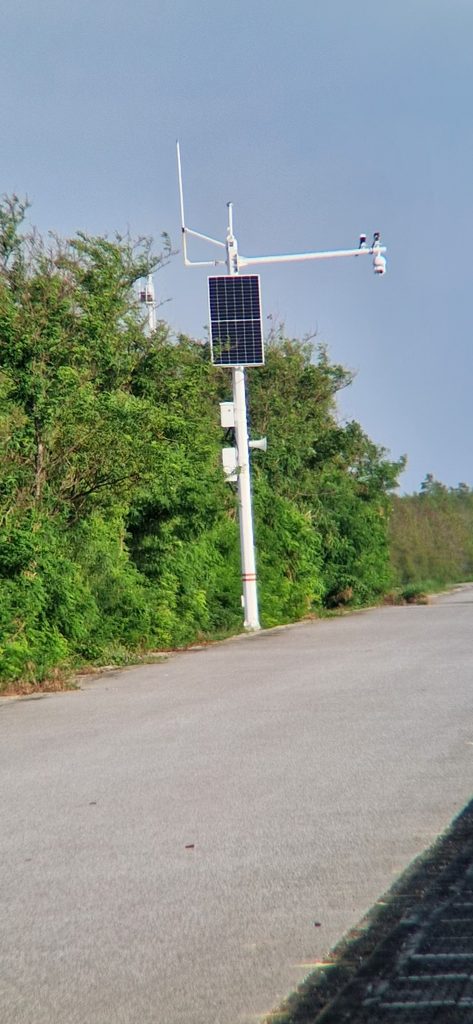
… to 60x.
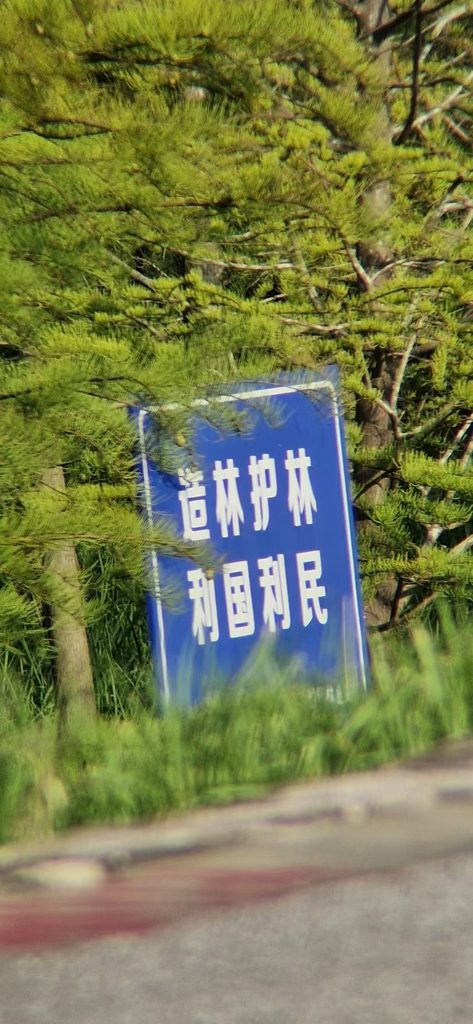
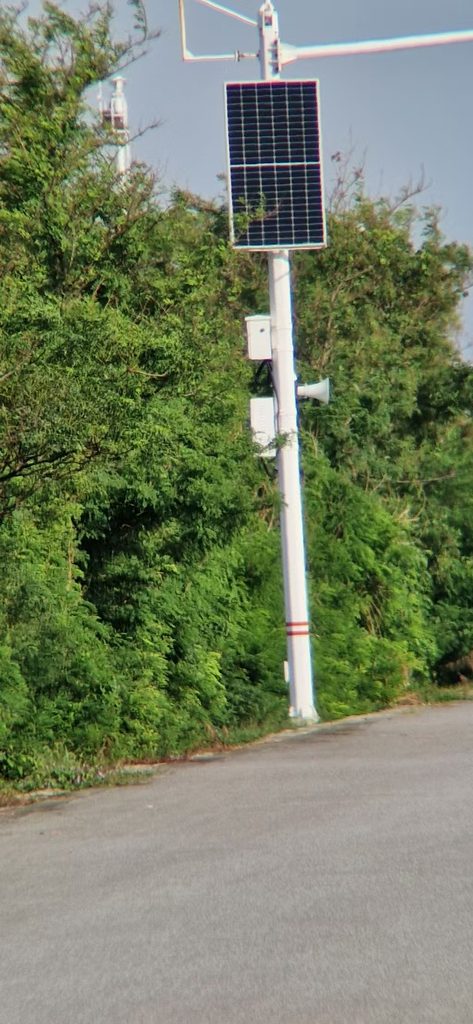
And as a comparison, two similar photos taken with a Nikon Z9 and a Nikon 800 mm f6.3 lens (using the same tripod and location).

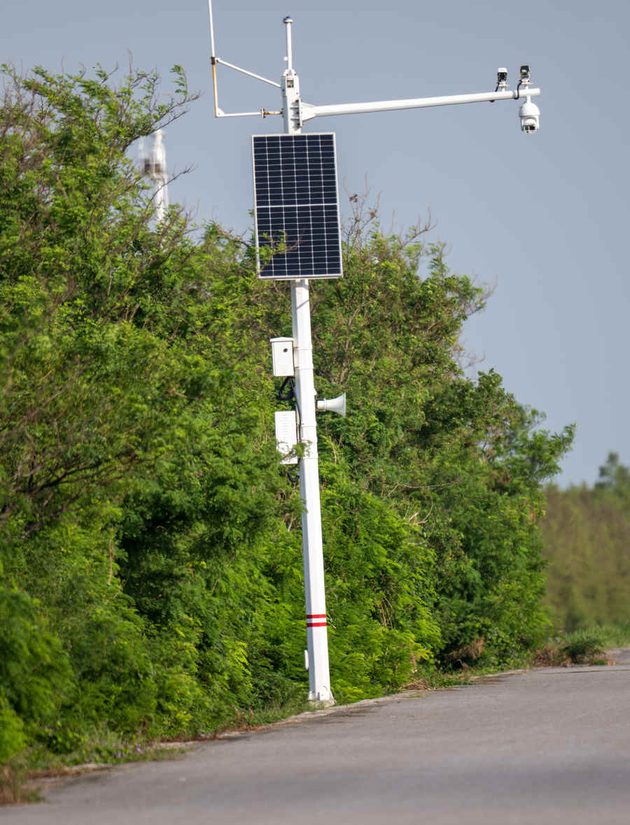
The lens seems to have a bit of distortion, but overall, the results are impressive – here, a Black-faced Spoonbill at a distance of maybe 100 meters.
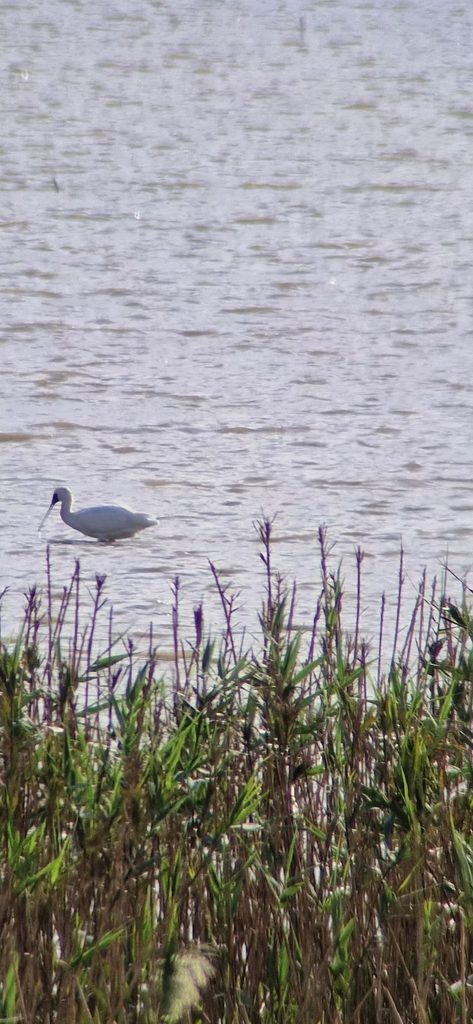
Given the good price and photo quality, the limitations of this product are elsewhere. First of all, due to the high magnification, the use of a tripod is a must (at least for somebody with such a shaky hand as me).
The tripod that can be bought along with the lens may be a bit low for some uses – in any case, the lens has an Arca-Swiss-compatible foot. So, I just used my regular tripod for the tests. This could also be a way for those who already own a tripod to go for the basic package.
The other limitation to keep in mind is that the lens basically replaces a telescope and adds photography (via the mobile phone) – it does not in any way replace binoculars. So, it will work well for taking photos of slow-moving birds in the distance, but not for birds in flight or for birds nearby. Personally, I may in the future use this lens to replace a telescope – the low weight and the photo capability are advantages over traditional ones. However, it will not replace my binoculars nor my (admittedly awfully expensive) camera.
If you are interested in the lens, go to this link and use the discount code BIRD15FN.











Leave a Comment