

Do birds get bored? Probably — though ornithologists hesitate to use that word, wary of anthropomorphizing.
For a wild bird, boredom would be a luxury. Every moment demands attention just to survive. Even the “repetitive” activities — searching for food, watching for predators, keeping track of flock mates, remembering locations — require focus. Sound familiar? Birders do much the same on a typical day, often without feeling bored.
Even when a bird sits still, it’s probably watching its surroundings carefully. No boredom there.
In captivity, things are different. Parrots, corvids, and other intelligent species in restricted environments sometimes pace, squawk for no reason, or simply do nothing. Researchers call this understimulation — basically, the brain has free capacity and nothing to do. Think of a birder stuck at an airport with nothing to watch or track.
Birds evolved to constantly solve problems: Where will I find food today? Is that approaching animal dangerous? Is my conspecific a friend, enemy, or potential mate? Their nervous systems are built for activity — and they run into trouble when that activity is pointless.
Even play is hard to explain without assuming birds seek stimulation for its own sake. Clearly, the absence of mental challenge matters.
So while birds probably don’t experience boredom the way humans do, they can suffer when life becomes too predictable or empty.
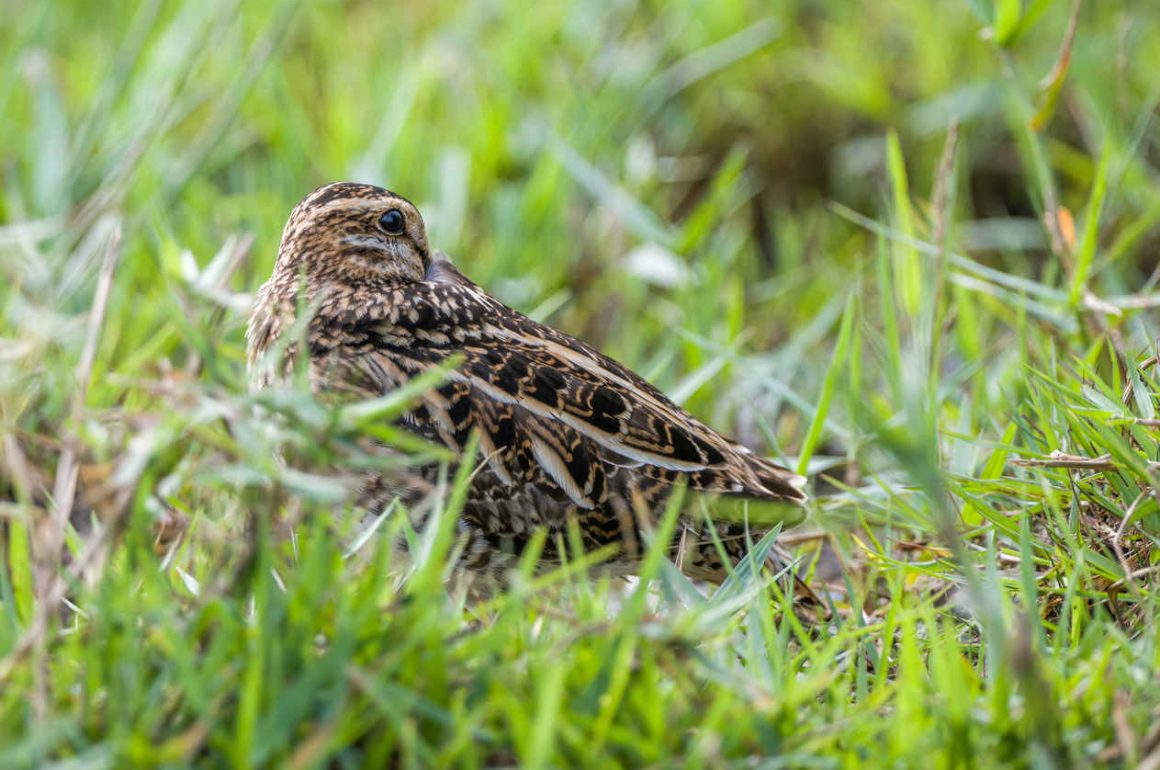
Photo: Common Snipe (probably not bored, but who knows), Hainan, January 2022













Leave a Comment