

This trip did not start out as a birding trip.
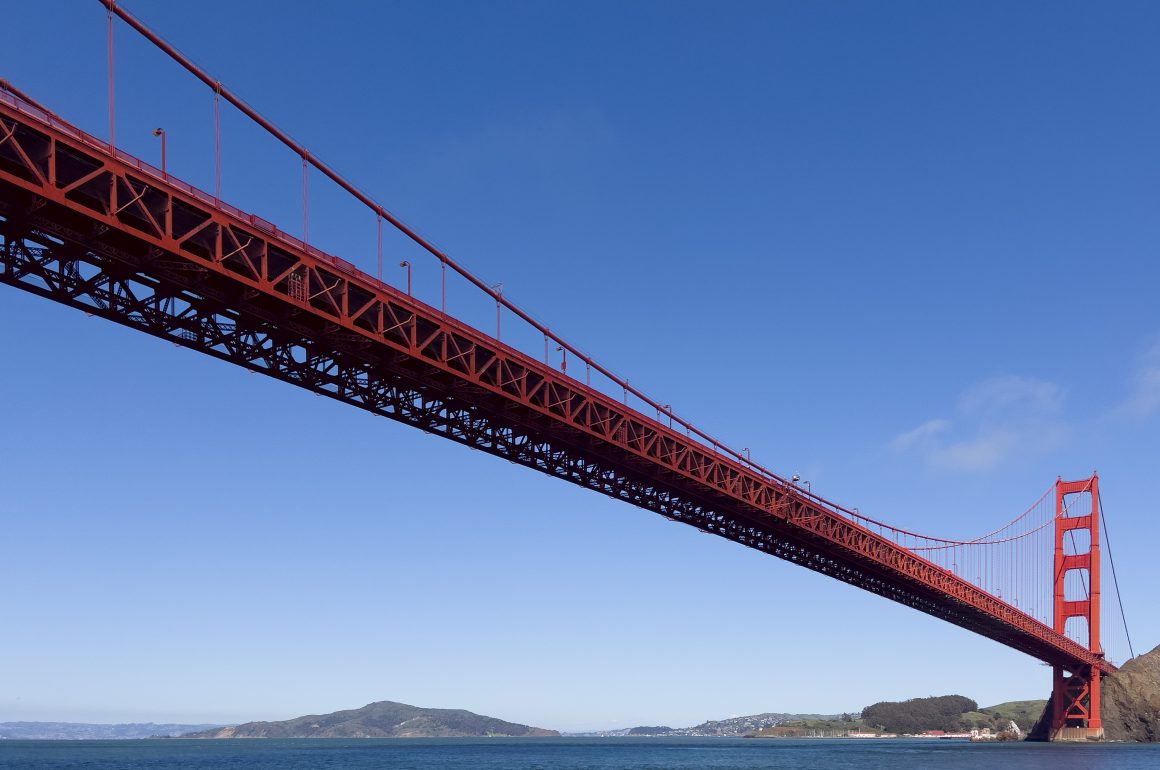
I traveled to San Francisco to attend a Convocation Ceremony. Formal attire. No heavy backpack with camera, lens, guide book and other birding/photography gear. The plan was simple enough: attend the ceremony, go have a look at the Golden Gate Bridge to see what all the fuss was about, sneak a peek at Alcatraz Island, and then hop on a plane back to Panamá.
The weather forecast had not been very promising either. Most of our luggage space was taken up by warm clothing, just to be on the safe side.
The ceremony itself was in Burlingame, as was our hotel, just a hop, skip, and jump from San Francisco International Airport.
On our way to breakfast the first morning, we noticed a flooded marshy area with a paved path running alongside it just outside the hotel. And while we did not know it at the time, that marshy area stretched back and around into the open waters of San Francisco Bay. It was a tidal marsh called Sanchez Marsh and has a nice bit of history.
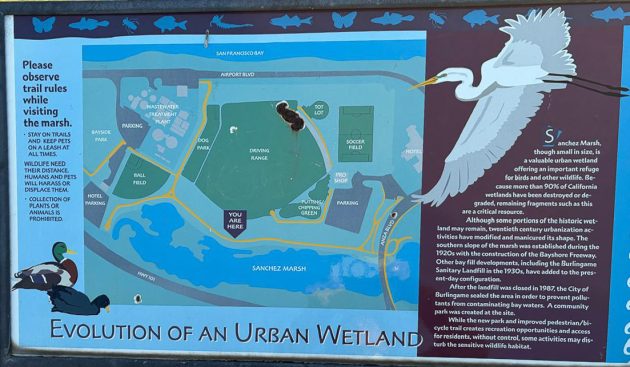
To most people it probably looked like water and mud. To Birders like myself, it looked like possibilities….
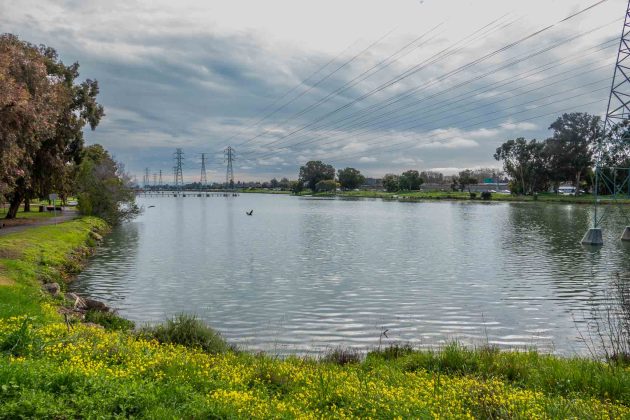
We decided to go check it out after breakfast.
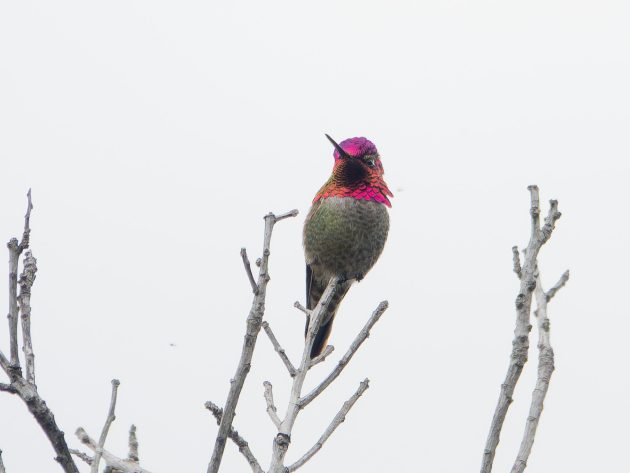
We were not disappointed, as not far from the hotel carpark we encountered the amazing Anna’s Hummingbird. I had heard about this little beauty but never expected to see one on this trip, and certainly not so easily. From this point on I deeply regretted not bring my camera gear. My wife’s bridge camera that she brought along to take photos of the ceremony saved the day.
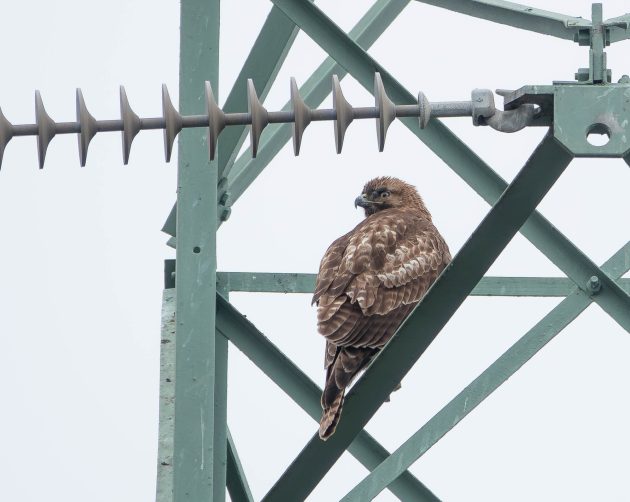
All along the trail we could hear birds in the shrubs and as I was trying to locate a sound in the bushes a Red-tailed Hawk flew by and landed on an electricity tower over the marsh.
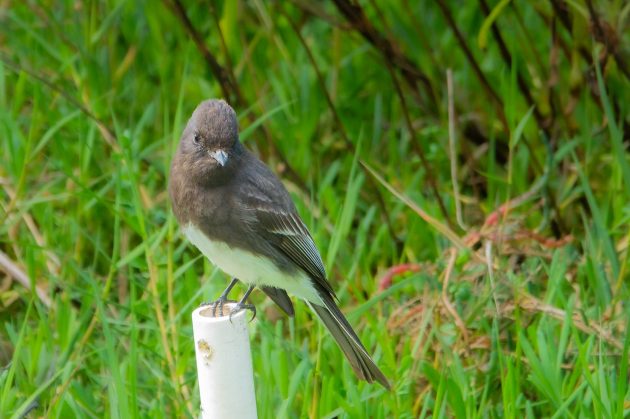
I finally located the sound and found a Black Phoebe on display, not too bothered that we were there. The birds along the path seemed somewhat comfortable with humans as the trail had a decent amount of foot traffic, some jogging, others walking their dogs or cycling. I did spot one guy with binoculars and would possibly have been a birder.
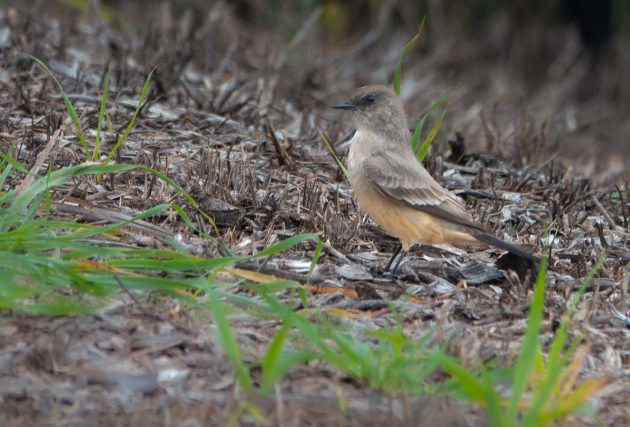
The next sighting was a Say’s Phoebe scratching around on the ground.
This bird was named in honour of Thomas Say, an early 19th-century American naturalist often called the “father of American descriptive entomology.” He was part of several major expeditions exploring the western United States, where many species were being documented for the first time.
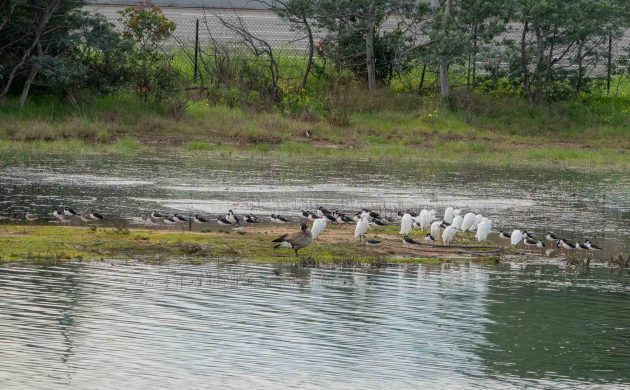
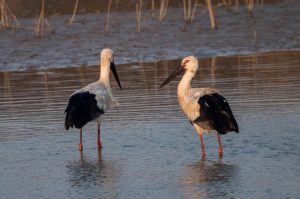
At the very far side of the Marsh we could see a mixed flock of Black-necked Stilts, Lesser Yellowlegs, Canada goose and Snowy Egrets , sadly too far for decent photos with the bridge camera..
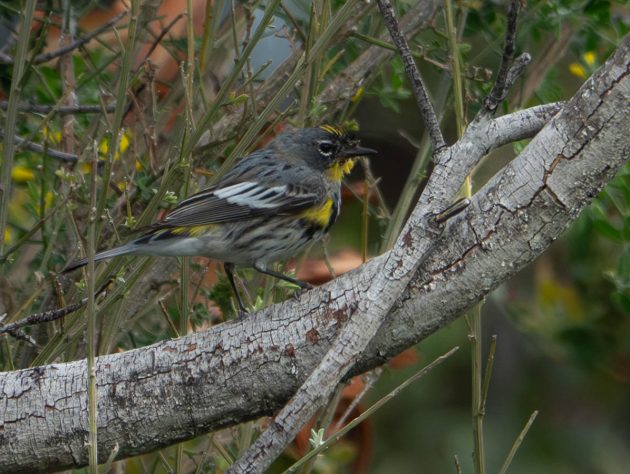
A few Yellow-rumped Warblers were about enjoying the cool sunny morning.
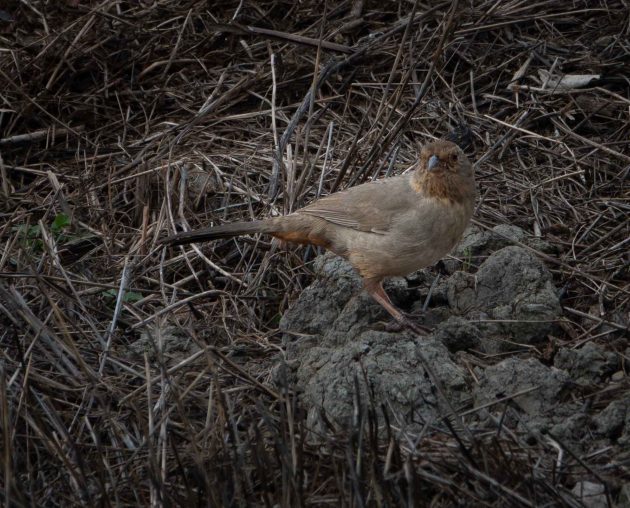
The California Towhee has a funny habit of scratching through leaf litter with both feet at the same time, hopping backward in little bursts to uncover seeds and insects, which often makes it look like it is doing a quick, dusty dance on the ground.
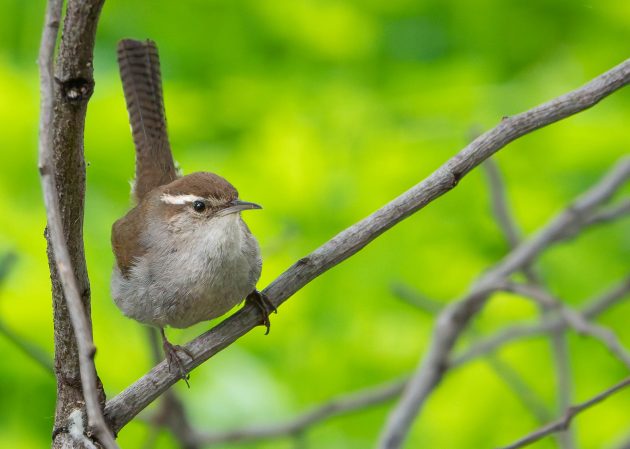
Wrens always put a smile on my face and seeing this Bewick’s Wren was a real pleasure. Its song was loud, happy musical phrases that sound surprisingly rich and confident. Unlike many shy wrens that keep to the shadows, this one stayed in the open long enough to make eye contact. You can read about some of my other Wren sightings here
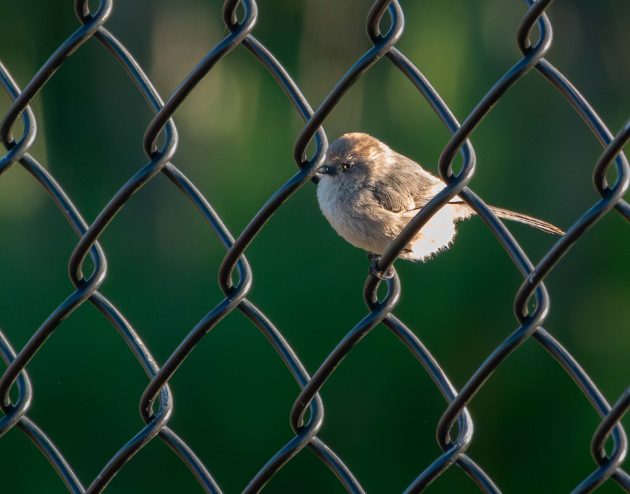
A lone Bushtit sat calmly on the fence paying no attention to the foot traffic along the path. Bushtits are year-round residents in the Bay Area.
Walking along the trail we came around to the Bay and here the ducks were on display. Several Canvasbacks both male and females were out and about feeding. Canvasbacks are winter visitors coming down from Canada and the northern United States.
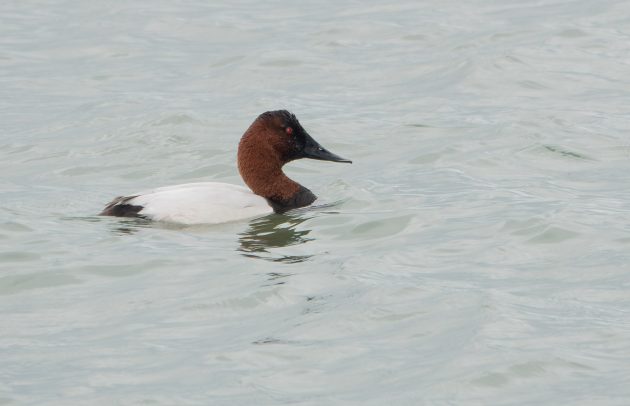
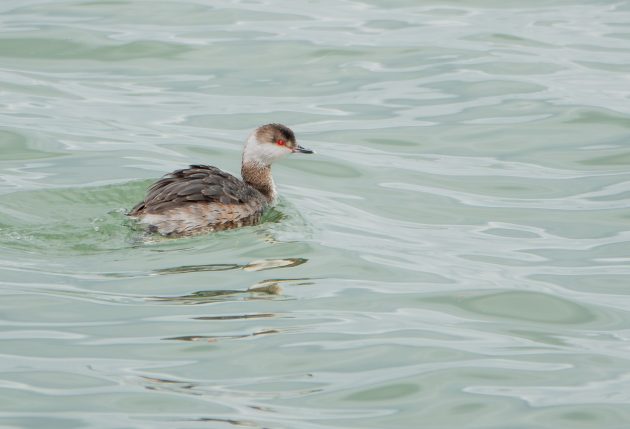
Another winter visitor, the Horned Grebe. Reading up on this duck I learnt that unlike many birds, the Horned Grebe eats its own feathers, which helps protect its stomach from sharp fish bones. During breeding season it develops striking golden “horns” of feathers behind its deep red eyes, giving it a dramatic, almost fiery look.
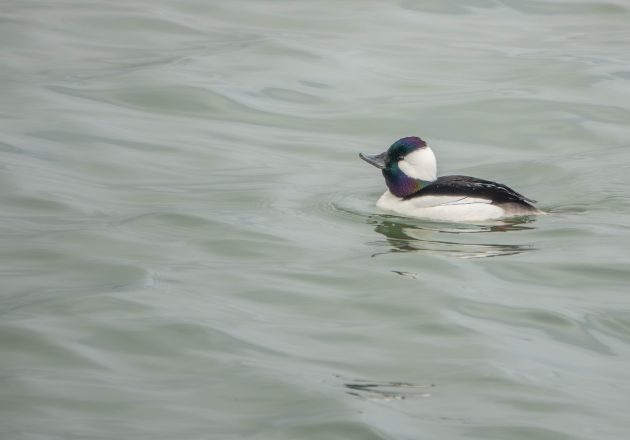
And yes, another winter visitor. Buffleheads.
Buffleheads are among the smallest diving ducks, but they are hard to miss, males have that bold black-and-white look with an iridescent sheen on the head. Females are more subtle, with a neat pale cheek patch.
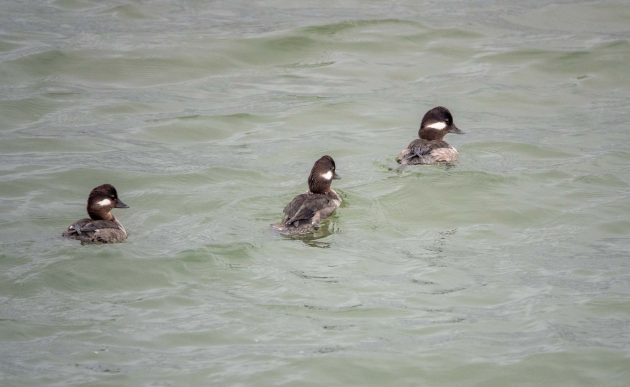
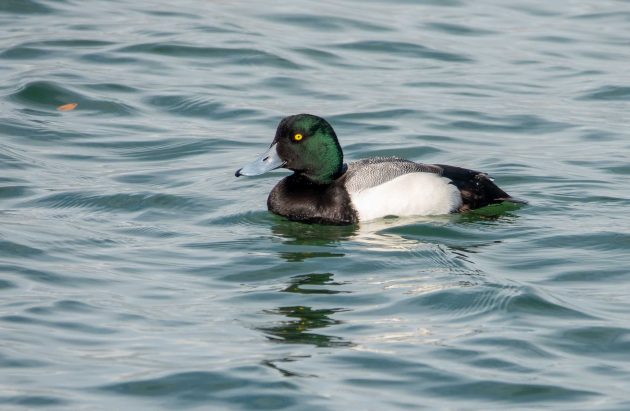
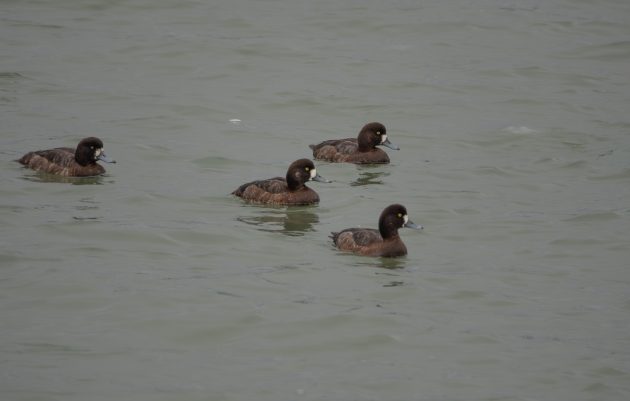
The Greater Scaup feels like one of those birds that blends into the Bay at first glance, just another duck on the water, until you take a closer look. And then you realise you are watching a visitor from the far north, a bird that has traded Arctic silence for a few months on the busy waters of San Francisco before slipping away again with the change of season.
So just like your Canvasbacks, Buffleheads, and Horned Grebes, this is another species that quietly reminds you that winter birding in the Bay is really about migration.
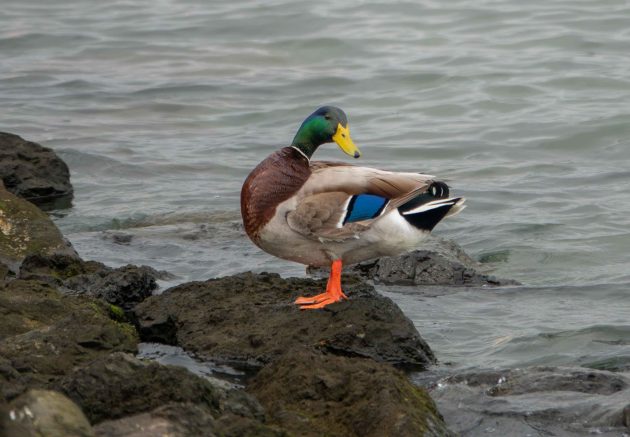
And finally, a year-long resident of the Bay Area. Mallards are certainly not uncommon but I just loved the display of colours on this one.
We also saw Ring-billed Gulls, White-crowned Sparrows, House Finches, Lesser Goldfinch, Northern Mockingbirds, American Crows, Cormorants, Starlings, Spotted Sandpipers and Willets.
For a non birding trip this one turned out to be pretty good with 12 lifers. I didn’t have my birding gear with me but that did not diminish the fun, most of the birds were close enough to observe without binoculars or long lens and that meant I could just observe the birds behaviour instead of worrying about settings, sharpness, or whether I nailed the shot.



Glad you enjoyed your non-birding bird visit. If you didn’t already discover it, may I recommend, for your next visit, the San Mateo County Birding Guide? https://birding.sequoia-audubon.org/
Lots of great places to bird, with suggestions re time of year, and practical info.
Fitzroy, this is a marvelous post. It reminded me of my shenanigans while visiting the Bay Area. That is, travel to San Francisco for a conference, skip the sessions (I’m sure you didn’t do this) of no interest and go birding. On the basis of these memories, I recently reviewed, for 10,000 Birds, the book In the Shadow of the Bridge: Birds of the Bay Area published by Heyday, Berkeley, California. It’s a beautiful [coffee table] book with stunning photos and text that will set you back a few bucks, but I still recommend it. For a guy with no bins or camera, you did well. Congratulations on your 12 lifers!
You were a big 4 miles from where I grew up. Thanks for the memories!