

The day has come. You have had to hand in your badge and you walk out with a box full of useless memorabilia and a chipped coffee mug. You haven’t been fired, but worse: you have retired. It’s over, no more meetings, every day completely at your own disposal, no more phone calls, Zoom or Teams, gone are both the water cooler and the boss. Now what? Your spouse has been clear about “not wanting you moping around” and “doing something useful”. Again, now what? Fortunately, as a birder you can decide to pick up your belongings and move to a birdier country (but leave the coffee mug, please). Here’s a list of options.
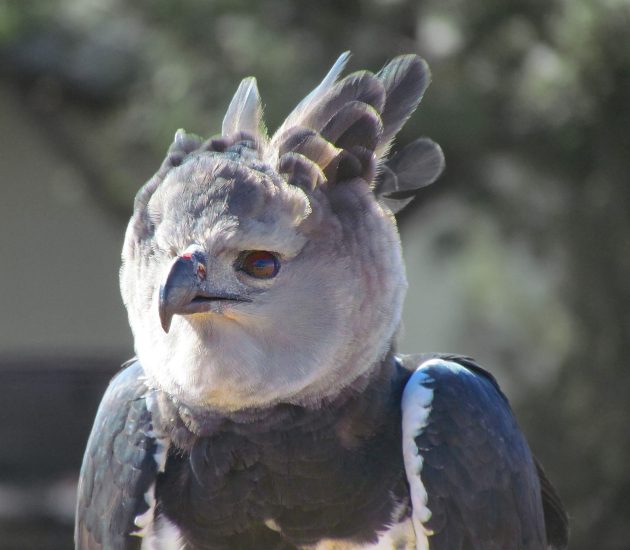
Panama is very welcoming to foreigners and has a whole program dedicated to pensionados. As hardcore birders we don’t need a program, since we would gladly live illegally in a country as long as there are lots of birds. Well, Panama has about 1039 species and Harpy Eagle, so even without the attractive program we would flock there, right?
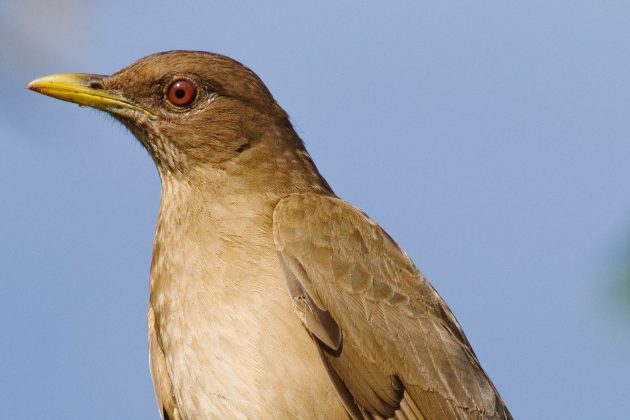
Costa Rica is rich in bio-diversity, very rich. The country also maintains some active volcanoes, stocked with birds. The Ticos kept the fire-spewers for general entertainment and excitement unlike the Germans and French who disabled their volcanoes long ago. The country welcomes both retirees and 963 species of birds. Maybe the perfect combination? However, with all that rich biodiversity, the Ticos chose the Clay-colored Thrush as their national bird. Disconcerting.
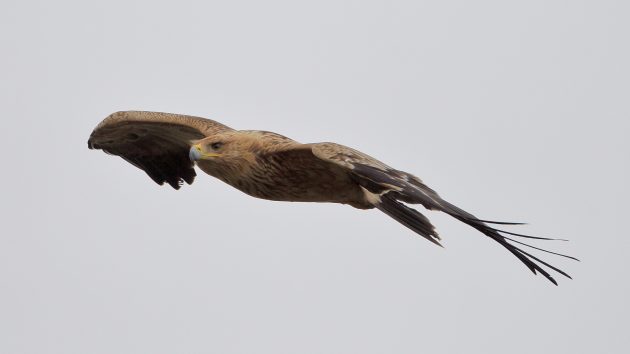
Portugal has it all, birds, sunshine and good food and drinks. It is my impression that English is more widely spoken than in the better-known neighbouring country of Spain. Both Iberian countries share the same birds and biotopes. With Portugal being the smaller country, distances are shorter. This will limit car travel times so with advancing age Portugal may be the better choice, but Spain has better long-distance rail transport. Species count is a toss-up, 645 species in Portugal and 693 species in Spain and both countries have Spanish Imperial Eagle. Note, it is always good to speak the local language especially with advancing age and attending medical needs. One third of expatriate pensioners have to permanently return home for medical reasons. Getting the retirement visa for these countries is like everywhere else: prove you have enough money and “don’t be a burden on the state”. Please.
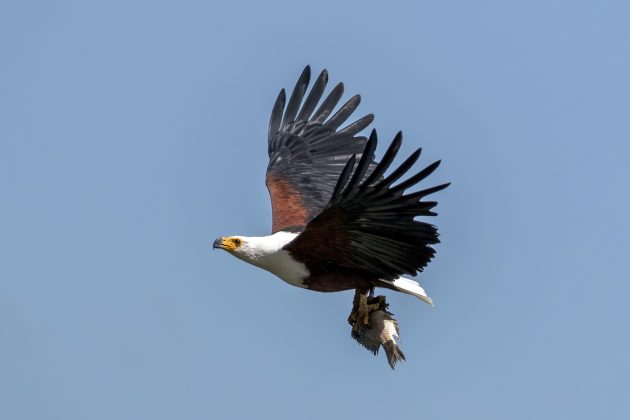
Namibia does not have a dedicated retirement visa, but they do have African Fish Eagle. The country offers a Permanent Residence permit or a “golden visa” for the 60+. These options do require a significant real estate investment. For the wealthier birder there will be 702 species to find in a wonderfully diverse and beautiful country.
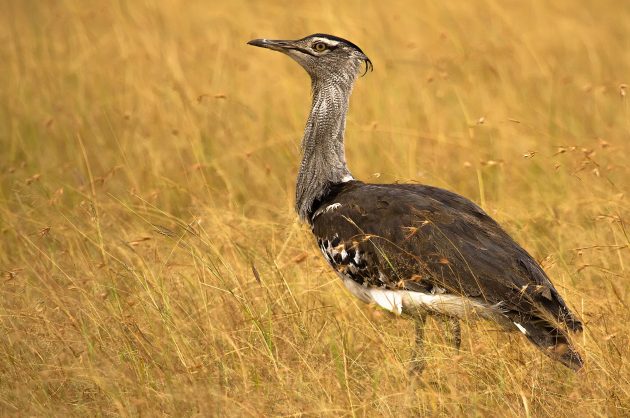
Botswana requires you to be “of good character”. Bummer. Those of us who can cross that bar and have the financial means there is a Retirement Residence Permit. You must typically be over 45, show proof of sufficient passive income or savings, and provide supporting documents like bank statements and a medical report. Mammals (ugh) and the Okavango Delta claim more headlight attention than the 632 species of bird. Kori Bustards would roll out the red carpet for you if they could be bothered.
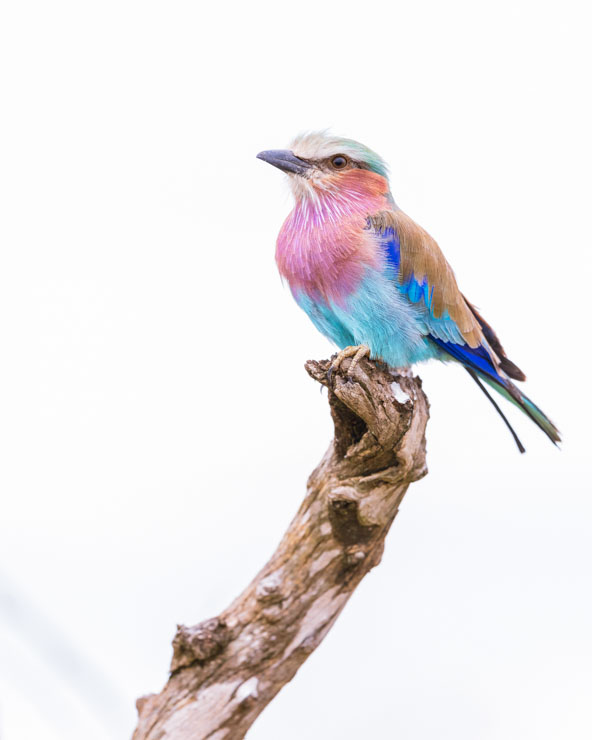
To get a “retirement visa” for Kenya, you must apply for a Class K Ordinary Resident Permit, which is for those 35 and older who have a stable, independent annual income of at least $24,000 from outside Kenya, such as from a pension or annuity. Requirements all low enough for me to regret not getting that permit 25 years ago… The application involves submitting a completed form, a cover letter, passport photos, a copy of your passport, and documentary proof of your income to the Directorate of Immigration Services. After jumping through all those bureaucratic hoops, a whopping 1211 species will receive you with a heartfelt jambo. Among the welcoming committee the Lilac-breasted Roller and many LBJs.
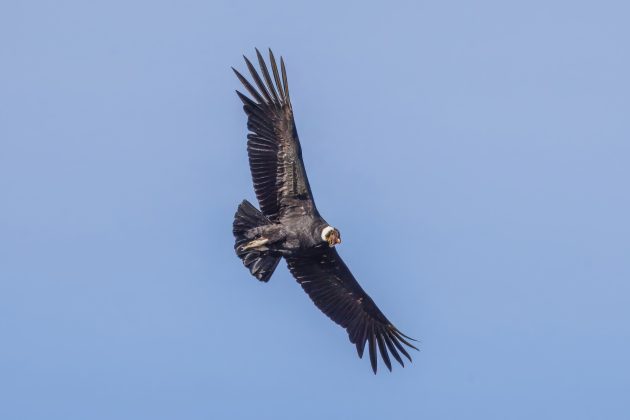
Chile has two temporary visas that allow you to apply for permanent residency after a period of two years. The Retirement Visa (Jubilado) is for people receiving a pension, while the Rentista Visa is for the birding Midases with consistent passive income from rent or investments. This is Latin America, so every piece of evidence should be translated to Spanish, proved, witnessed, apostilled and notarised. All that for 595 species, including the Andean Condor. You may have more rubber stamps than birds.
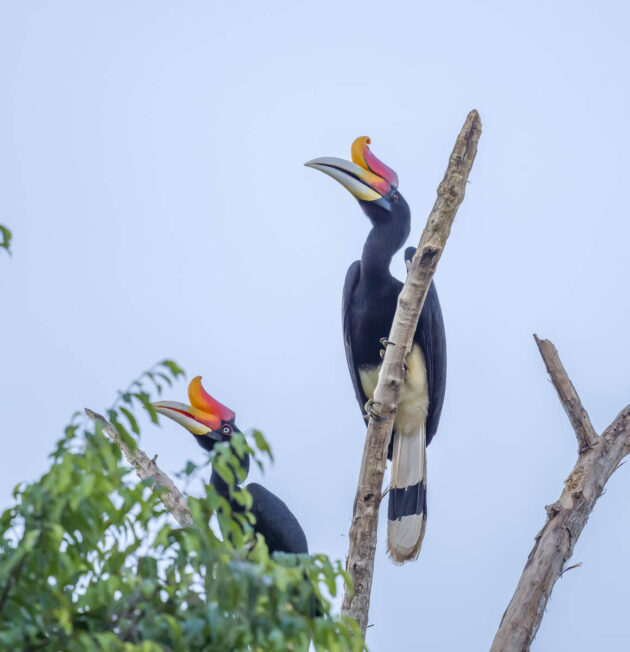
Malaysia‘s retirement visa is through the Malaysia My Second Home (MM2H) program. You must be spending a minimum of 90 days per year in Malaysia, watching 872 species like the Rhinoceros Hornbill, but only if you are willing to make a significant fixed deposit or liquid asset amount, have monthly income, and be of good health. Grey-haired birders can choose between the Gold or Platinum tiers and the application must be submitted through a licensed MM2H operator.
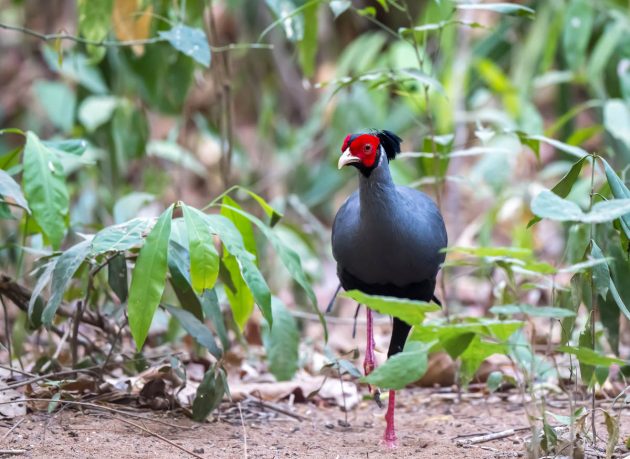
To get a retirement visa (Non-Immigrant O-A or O-X) in Thailand, you must be at least 50 years old and meet specific financial requirements, such as a minimum deposit in a Thai bank account or a sufficient monthly income. The visa allows for a one-year stay and can be renewed annually but prohibits working in Thailand. This does not mean you can only go for the easy species – you will be allowed to “work” for those Siamese Firebacks, for a total of 1128 species. Other requirements include not being a former British prince, health insurance, a medical certificate, a criminal record check, and a valid passport.
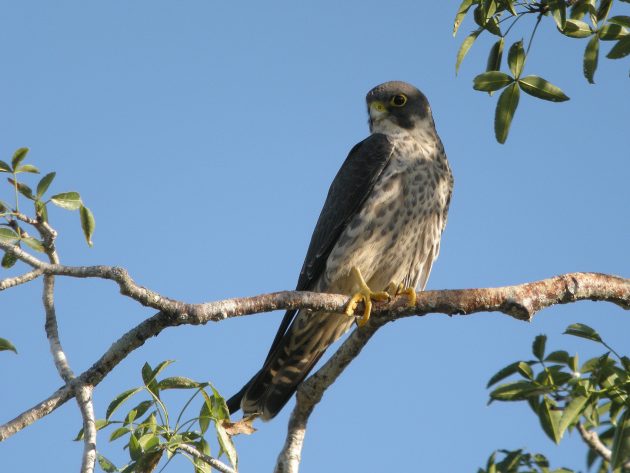
You have always been attracted to glitz and glamour, so you want both birding and hobnobbing with the rich and famous in Dubai. The appropriate retirement visa is a 5-year renewable visa for individuals aged 55 and older. To be eligible, you must of course have a lot of money: monthly income of at least AED 20,000, savings worth AED 1 million, own property in Dubai worth at least AED 2 million or put a fixed deposit of AED 1 million in a local bank. Combining is allowed and while your spouse goes shopping you will be chasing the 422 local species, spotting the occasional Sooty Falcon and going to the excellent airport to travel to better birding destinations. After all, you have enough money.
Or just stay at home. Home is where you know the way. Home is where “I can see way more birds if only I had more time”. You’re retired now, you do have more time. The money you save by staying home can be put to good use on those faraway trips. Don’t forget, by retiring to another country you will see the birds of that country, but not the birds elsewhere. A lot of countries, including the ones I have mentioned, are great to visit but staying forever is quite the different proposition. Listers and twitchers beware, you may be missing out on more than 9000 species.
Disclaimer: do not plan the final phase of your life on my advice only.
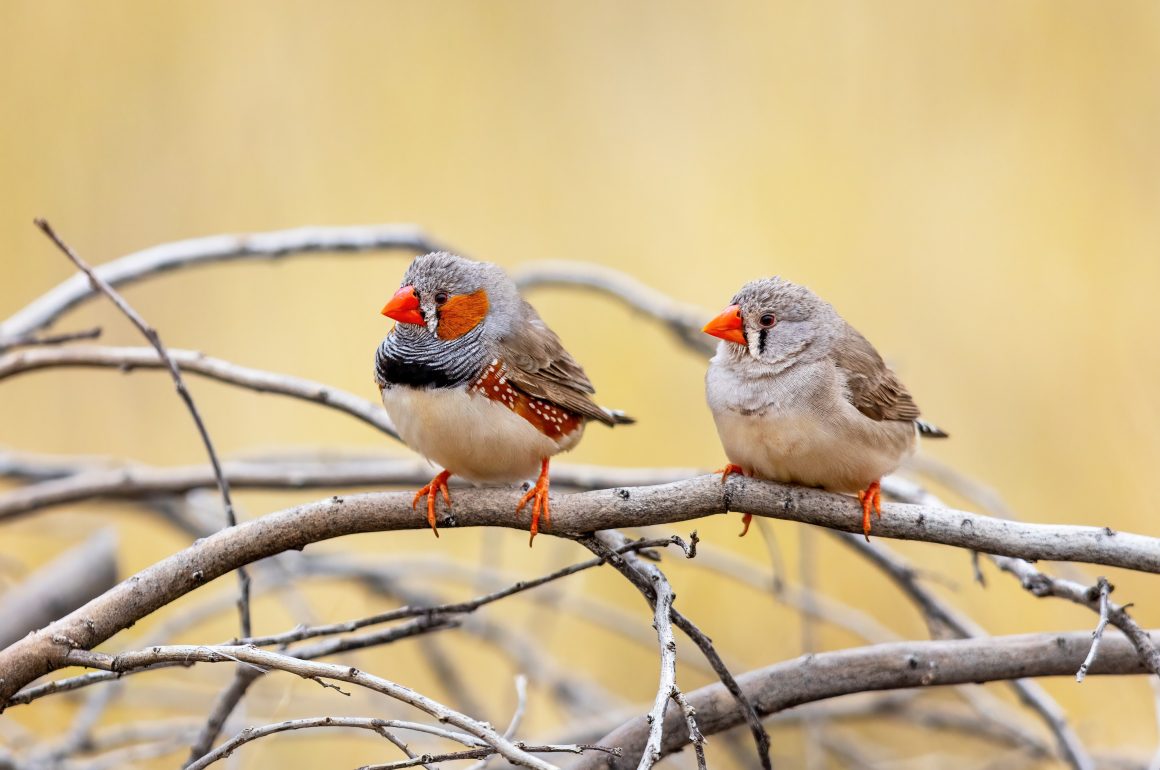
Header photo by JJ Harrison, CC BY-SA 3.0 https://creativecommons.org/licenses/by-sa/3.0, via Wikimedia Commons. The Zebra Finch was chosen not because Australia is a retirement option (it isn’t really) but because these are grey-headed birds. Far-fetched? Sure, but aren’t they cute??








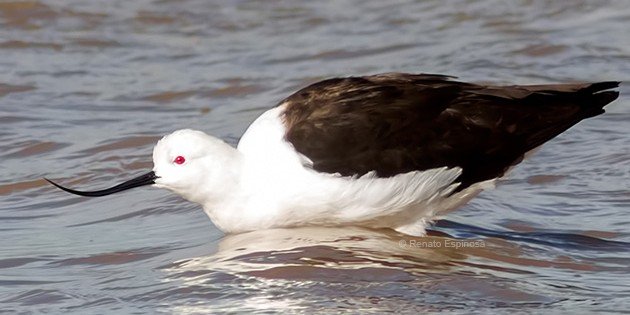

What, no Mexico? Mexico almost always turns up on top 10 lists of countries for expatriate retirement. We have some 1070 species on can reasonably hope to see, and the country’s range of habitats is a wonder. Distances are vastly larger than in Costa Rica or Panama, but travel options to the US, and even Canada and Europe, are much broader. The longest flights to the US are about 4 hours, which makes travel back and forth much less tiring than for many of the options listed here. (Not so much for you Europeans, of course.)
Great article! As someone considering Portugal for retirement, I found your insights very helpful. I’ve been researching the visa requirements and came across some recent changes to the Portugal Golden Visa program. I was reading this overview https://e-residence.com/portugal-golden-visa-2025-what-changed-what-stayed-and-what-it-means-for-you/ and noticed they mention real estate is no longer an option for the investment visa. Since you have experience living in Portugal, have you found that these changes have affected birders looking to relocate there? Does the shift toward investment funds rather than property make it more difficult for retirees who might prefer to own their home near prime birding locations?
Yes, Mexico, I agree! But also like the idea of just staying home and traveling more. I’m headed to Yucatan with a local guide in January but need also to figure out how to see other places in Mexico. I have lots of options, speak 5 European languages and have a nice passport from both USA and an EU country. If I didn’t stay home should I ever retire (unlikely), Mexico would be high on my list.
Traci: they did indeed change the real estate option. Incentives matter and this one had the adverse effect of making housing unaffordable for Portuguese people. The real estate costs have risen disproportionately for Lisboa, Porto and the Algarve while other areas still offer great value for money. Most people come to Portugal for the sunshine and the beach whereas birders will prefer the interior. Just shows how much smarter we are, because good value and birds seem to go hand in hand. My previous posts should provide some ideas. There’s an airport within 3 hours of most birding locations.