
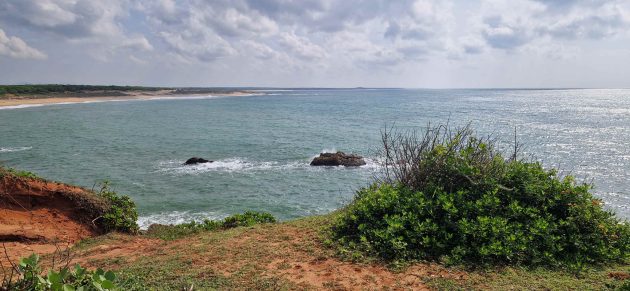
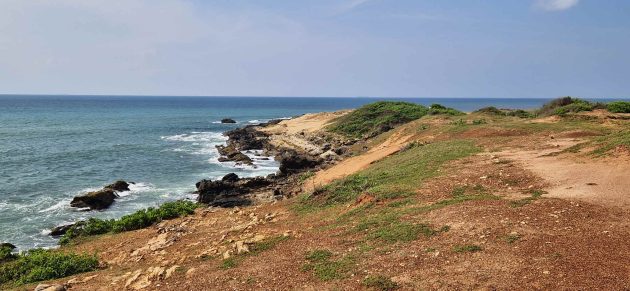
Bundala National Park is a wetland park that has almost 200 bird species, about half of which are waterbirds. It is conveniently located not far away from Tissamaharama, so a stay there allows visiting both this park and Yala National Park.

A warm welcome.

Both parks only allow in visitors using designated jeeps with drivers – that can be annoying at Yala due to the large number of visitors, but is much less of a problem at Bundala. Strangely, people are apparently more interested in elephants and leopards than in birds. Then again, given that a majority of US Americans voted for Trump, it does not come as a big surprise.

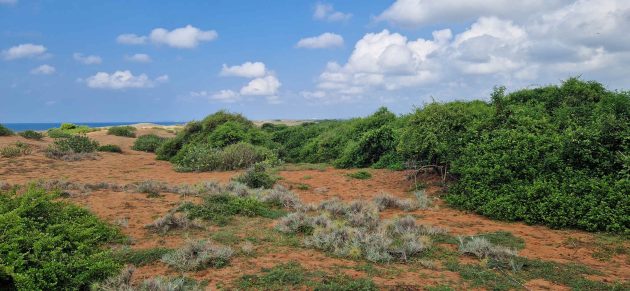
Nor is it surprising, though shameful, that in 2004, the area of the park was reduced by about 40% (source). Commercial salt panning is done inside the park or very close to it.
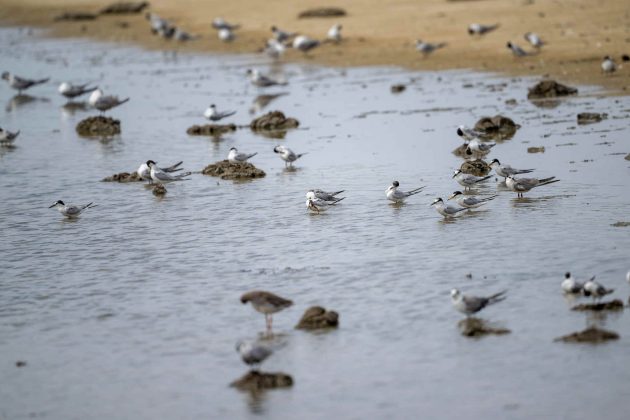
Anyway, waterbirds. Start with terns, the luxury version of gulls, looking much more elegant with their lighter bodies and more streamlined look:
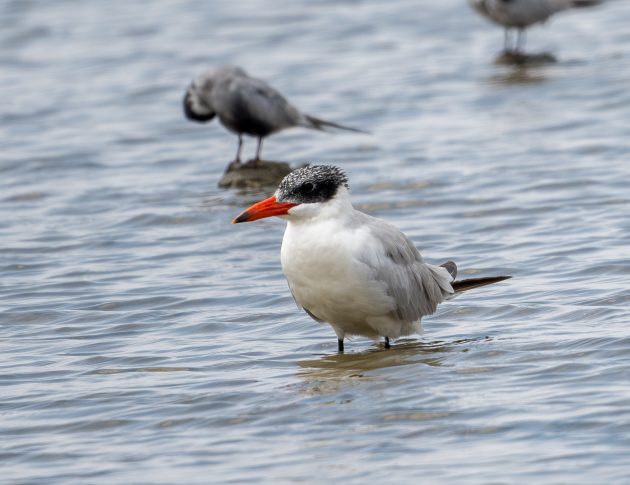
Caspian Tern, the largest of all terns, “easily recognized by its brilliant red fish-knife of a bill” (Allaboutbirds) …
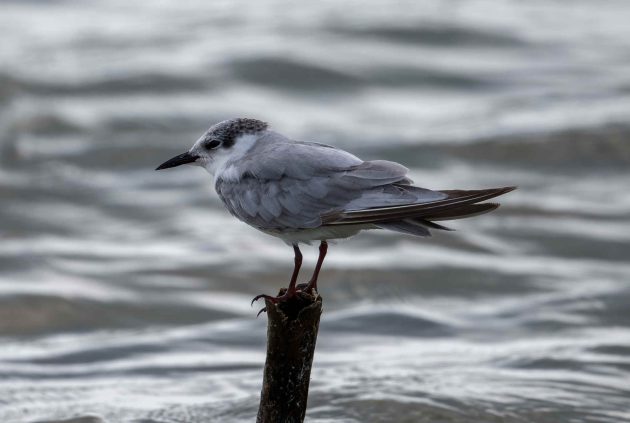
… Whiskered Tern, a much smaller tern with mostly greyish plumage …
… and Greater Crested Tern, another large tern that has its scientific name Thalasseus bergii derived from Karl Heinrich Bergius (1790-1818), a cavalryman, naturalist, and collector for a German museum in South Africa.
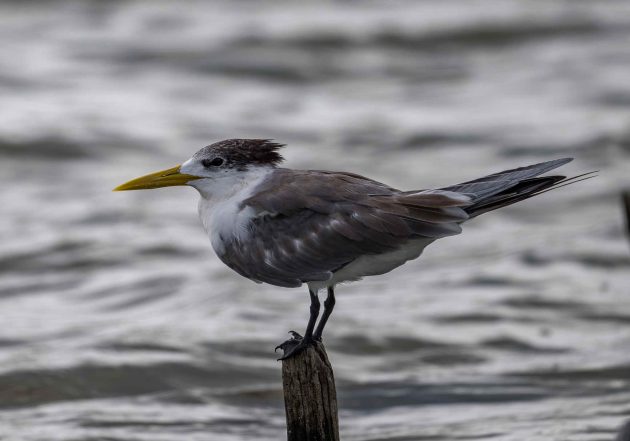
Apart from his short lifespan, his Wikipedia entry also hints at a somewhat tragic life: “He died in isolation and poverty in Cape Town in January 1818 of pulmonary tuberculosis, abandoned by even Mund and Maire with whom he had served in the Prussian Army.”
At the danger of getting lost, I also looked up Mund and Maire, two collectors whose specimens were always labeled under “Mund & Maire”. Apparently, their reputation was not high (making their abandonment of Bergius even more of a sting) – one Scottish minister stated that “the collectors from Prussia [Mund and Maire] spend their time in sloth and gaiety in Cape Town, and are now sunk lower than any Colonist”.
Bundala also has both lapwings present in Sri Lanka, the Yellow-wattled Lapwing …
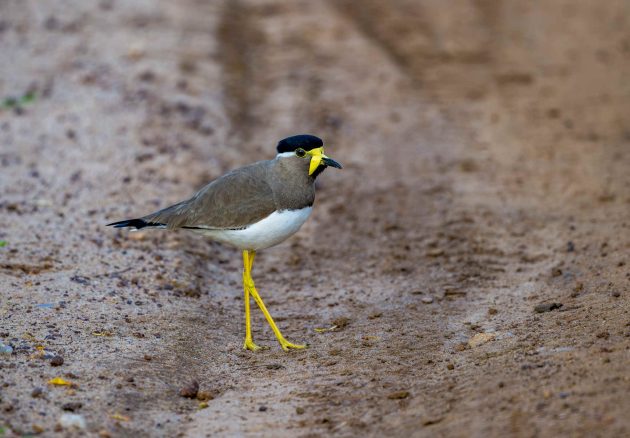
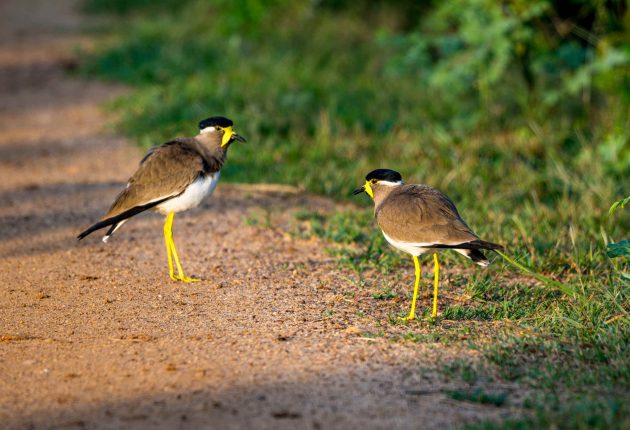
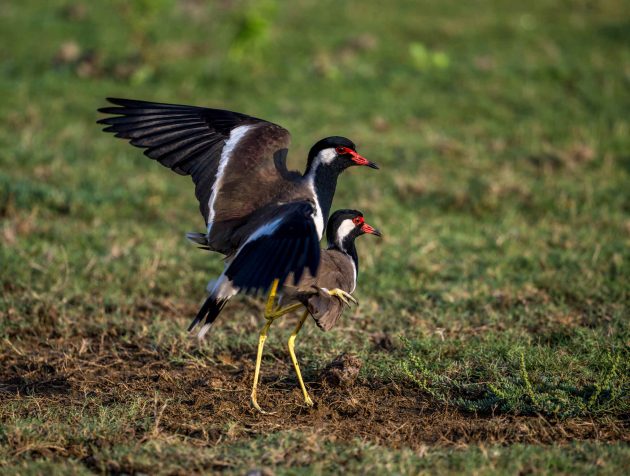
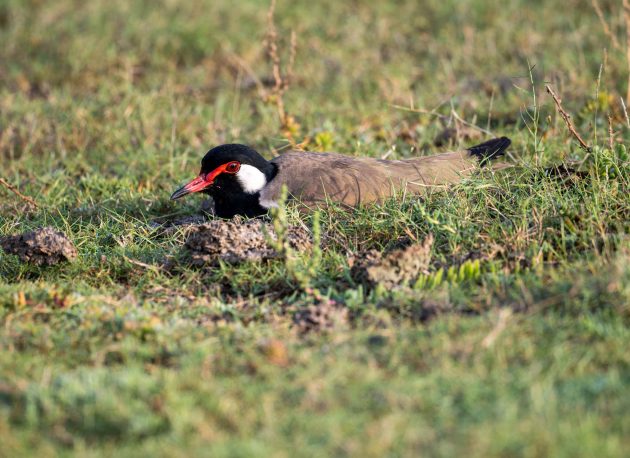
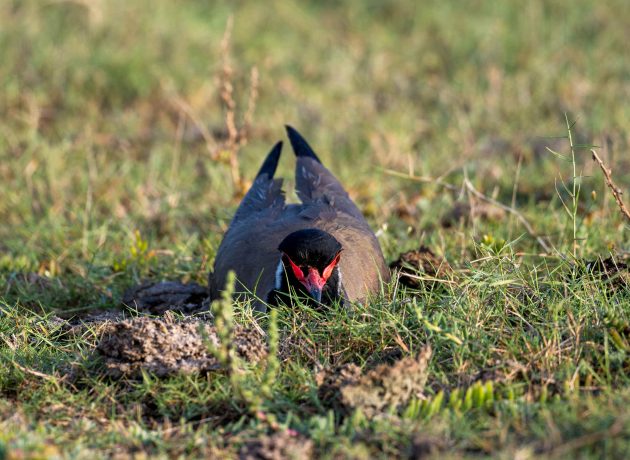
… and the Red-wattled Lapwing.
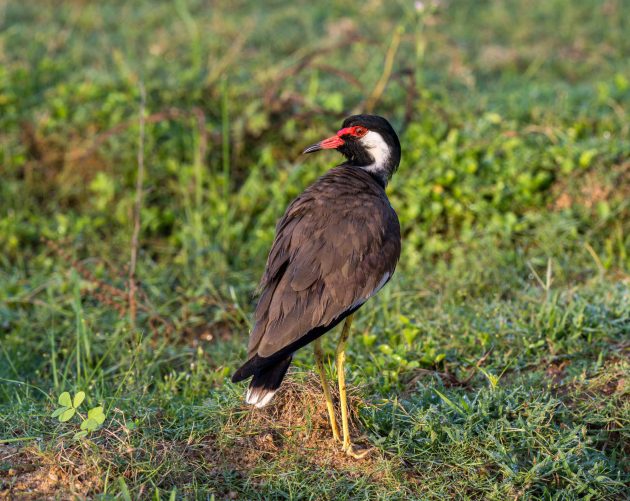
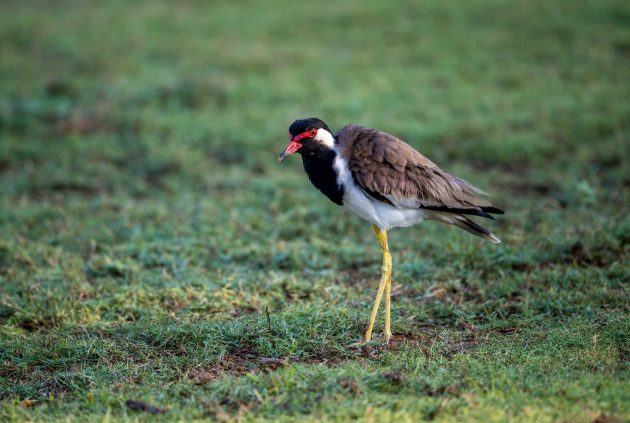
The latter celebrated chasing away a Greater Coucal with some recreational activity.
Both Thick-knees were also present: the Indian Thick-knee (or Indian Stone-curlew, the HBW uses both names on the same page) …
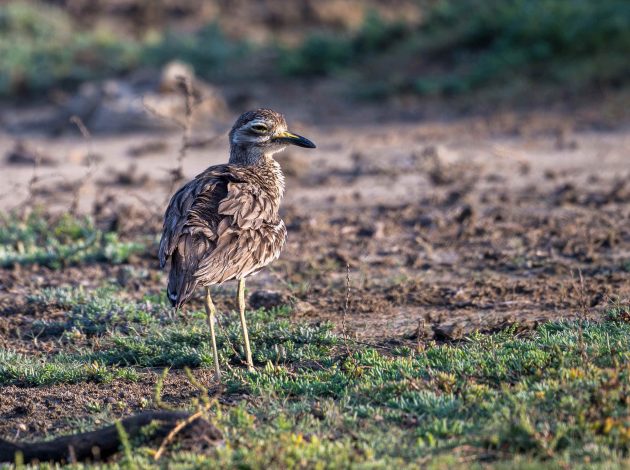
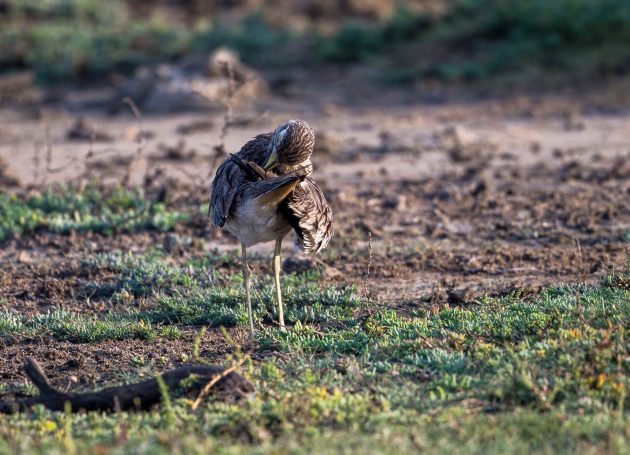
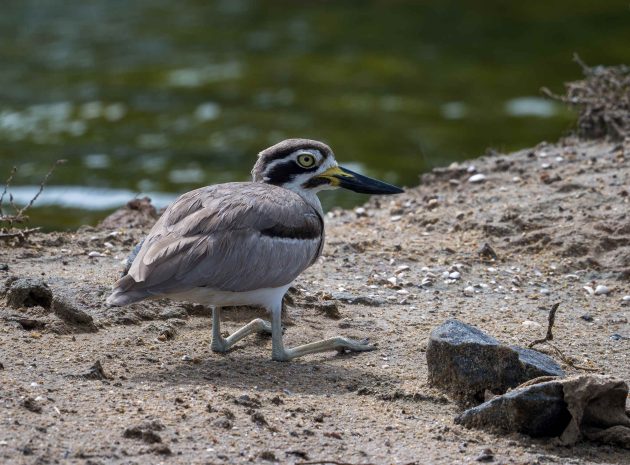
… and the Great Thick-knee (Stone-curlew), which is listed as Near Threatened, possibly because it requires large, undisturbed areas for breeding (HBW).
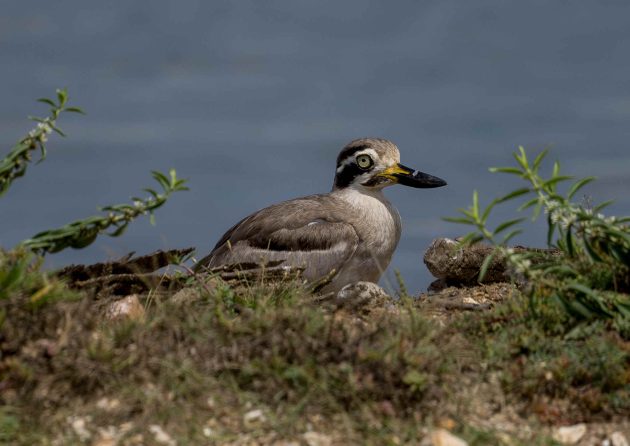
Its scientific name Esacus recurvirostris indicates that its beak is bent backwards (recurvus bent backwards, rostris billed).
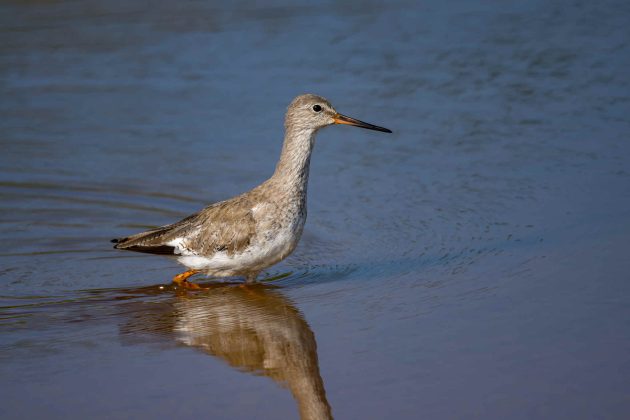
Bundala also has many species of shorebirds that are common in Shanghai and that I was thus less interested in (though that did not keep me from taking some photos): Common Redshank …
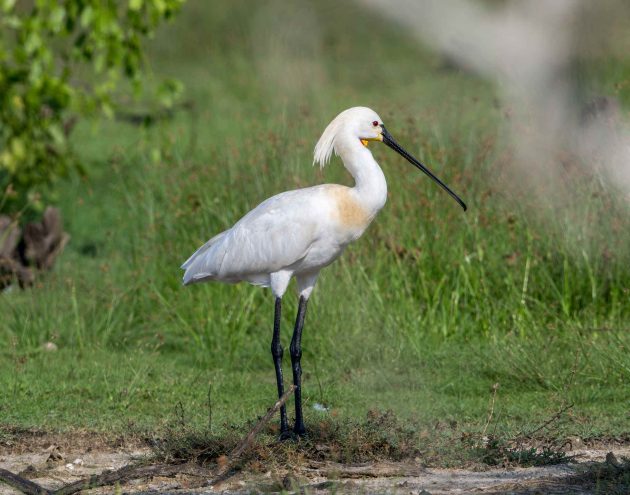
… Eurasian Spoonbill …
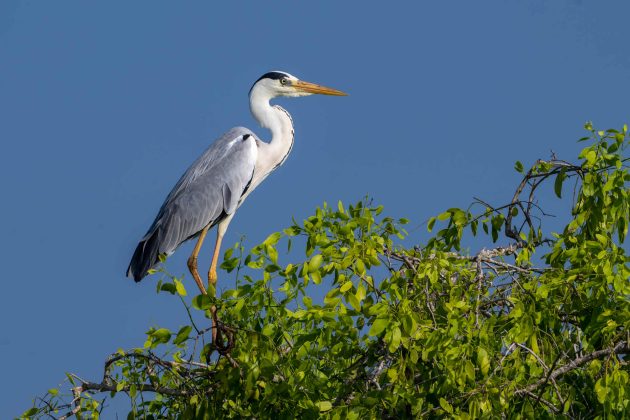
… Grey Heron …
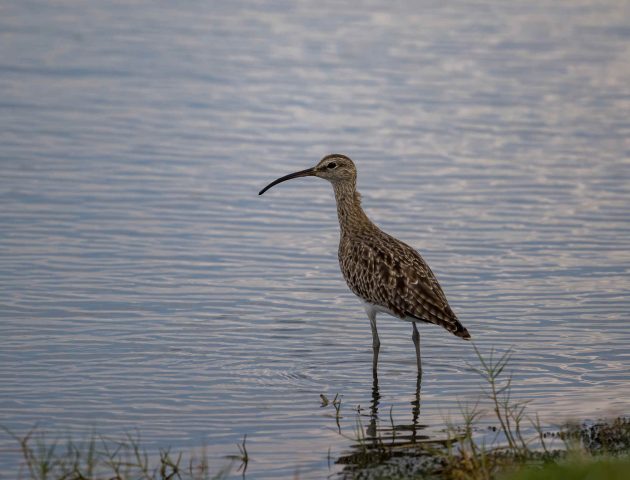
… Whimbrel …
… and Wood Sandpiper.
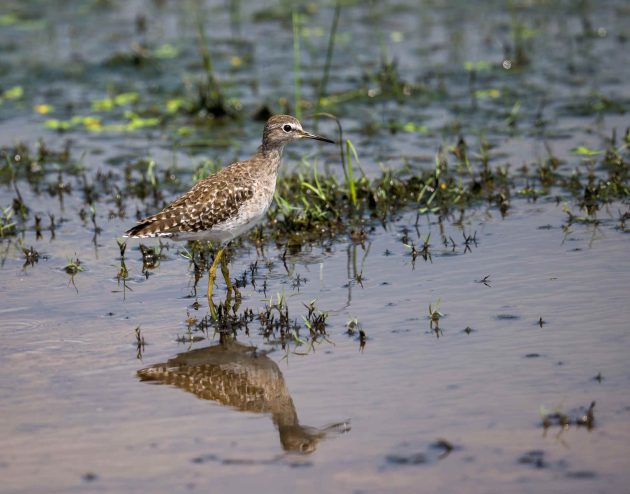
Some other species are possible in Shanghai, but rarer and include species I have never seen in Shanghai myself:
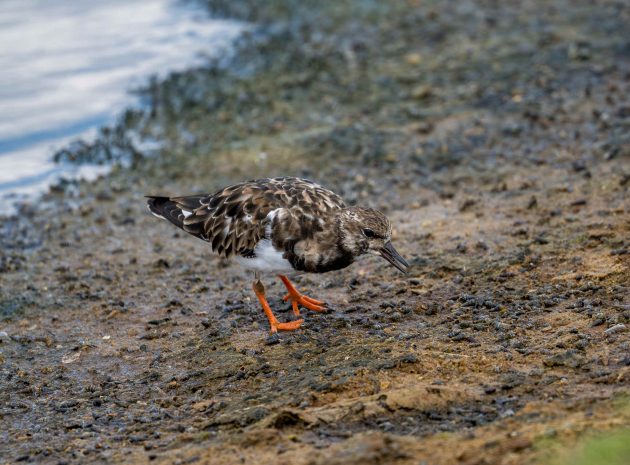
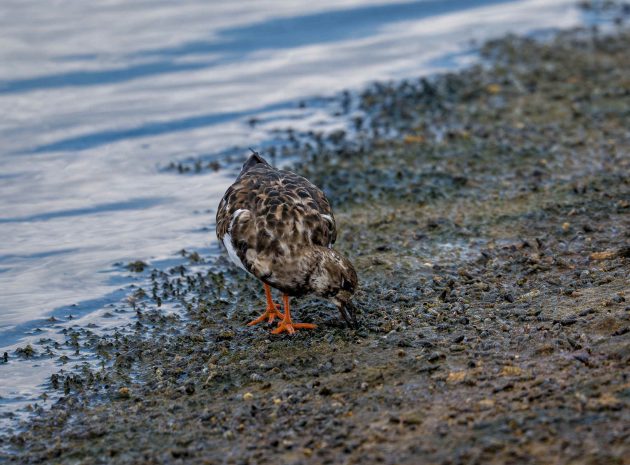
Ruddy Turnstone …
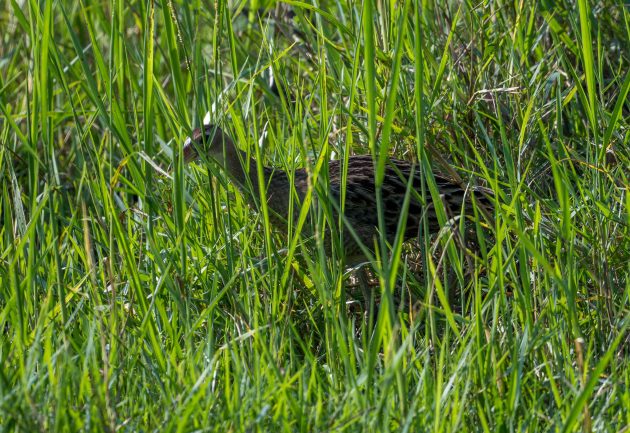
… Watercock …
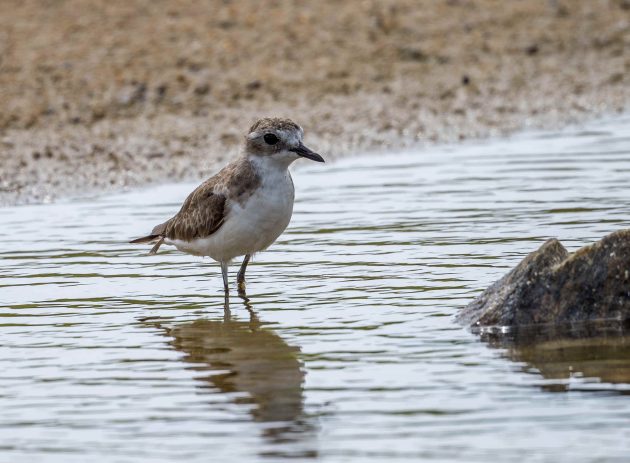
… Greater Sand Plover …
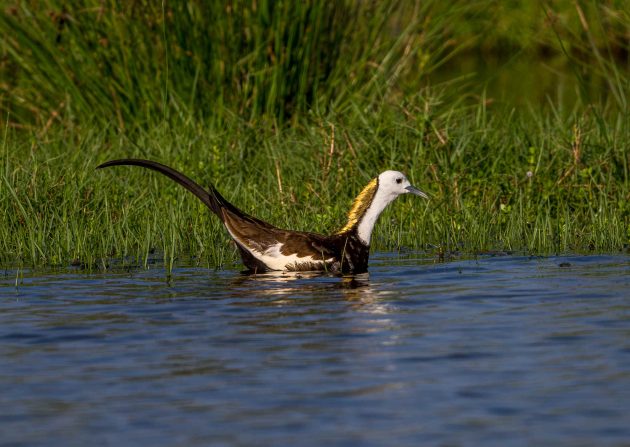
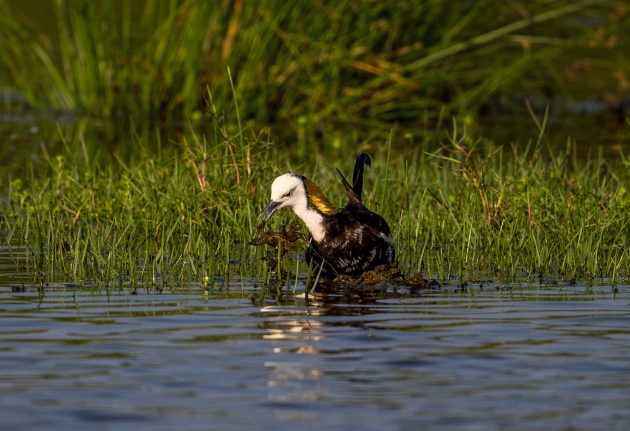
… Pheasant-tailed Jacana …
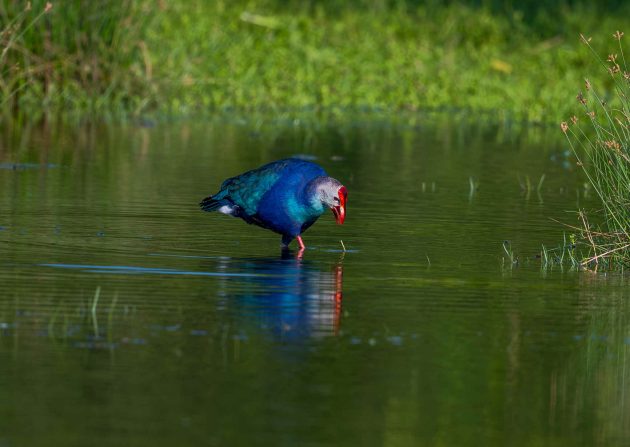
… Grey-headed Swamphen …
… Lesser Whistling Duck …
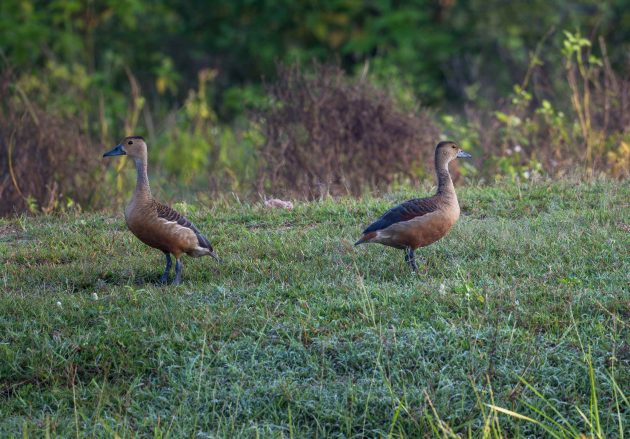
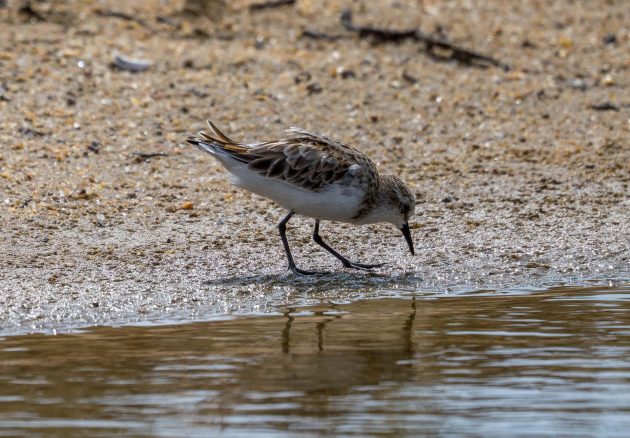
… and Little Stint.
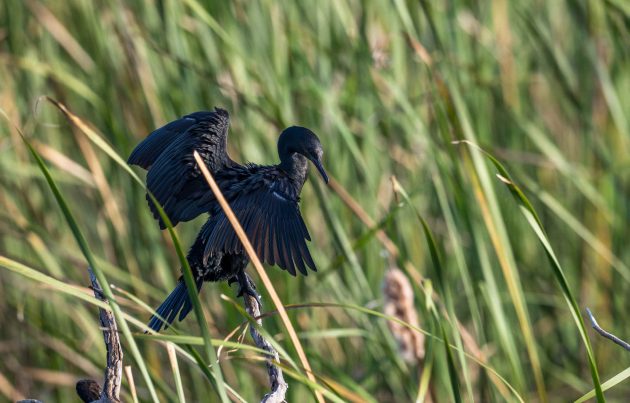
For some reason, it is hard for me to get excited about cormorants, even though in Shanghai, we have neither the Indian Cormorant …
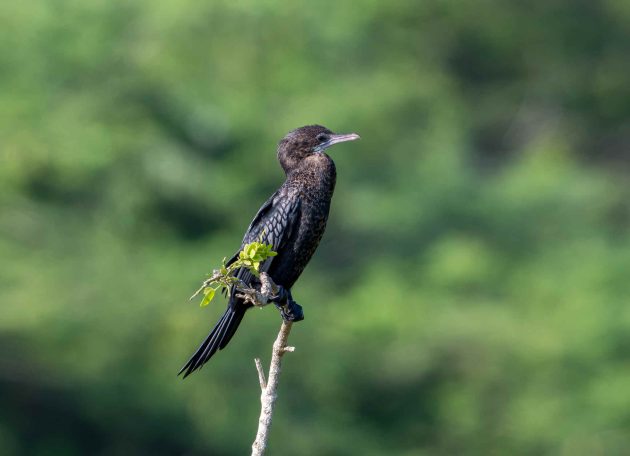
… nor the Little Cormorant.

Switching to raptors while returning to birds also seen in Shanghai, here is the Osprey.
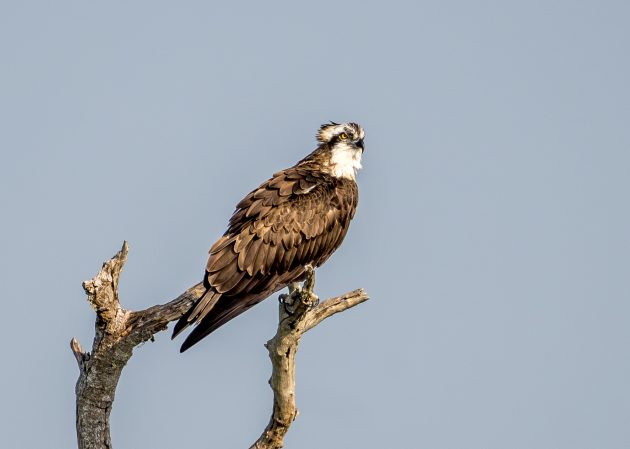
Indeed, Bundala has a few interesting raptors – and they are far less shy than those in Shanghai.
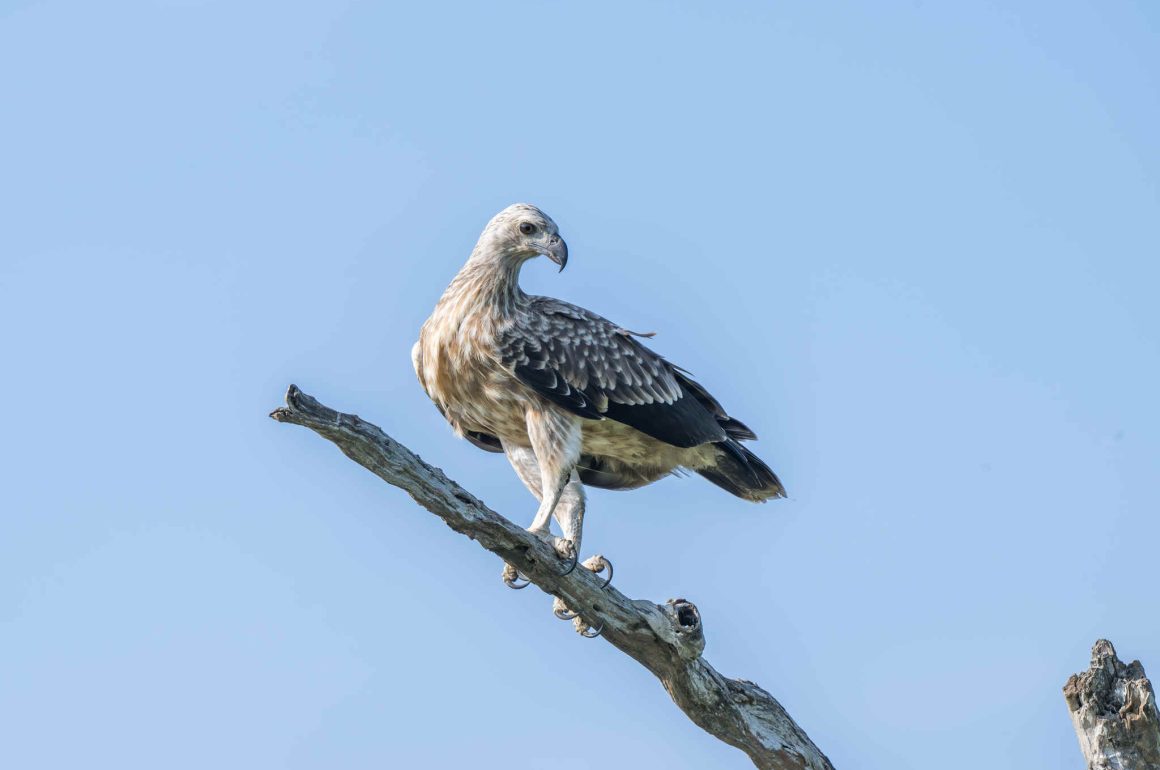
The Grey-headed Fish Eagle indeed seems to be fond of fish, as indicated by both parts of its scientific name Icthyophaga ichthyaetus – ikhthuophagos means fish-eating while ichthyaetus means fish eagle. Fortunately, when coming up with the common name, one of the two fish got dropped – Fish-eating Fish Eagle would make for a slightly stupid name. If you say the same in Greek, the stupidity is less obvious.
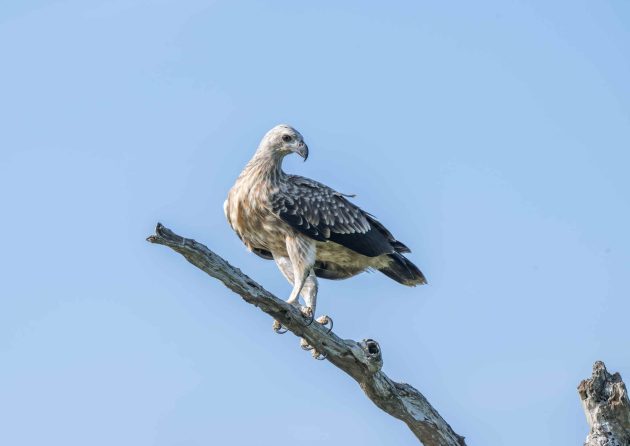
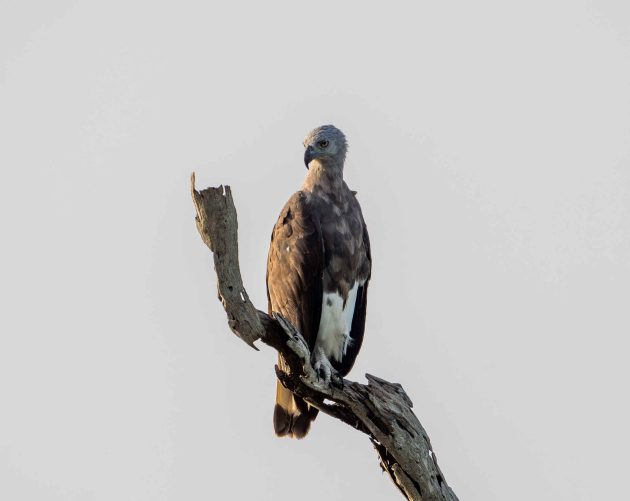
The local fish eagles often complain about disturbances from stupid mammals. You cannot expect much respect from them if you do not eat them.
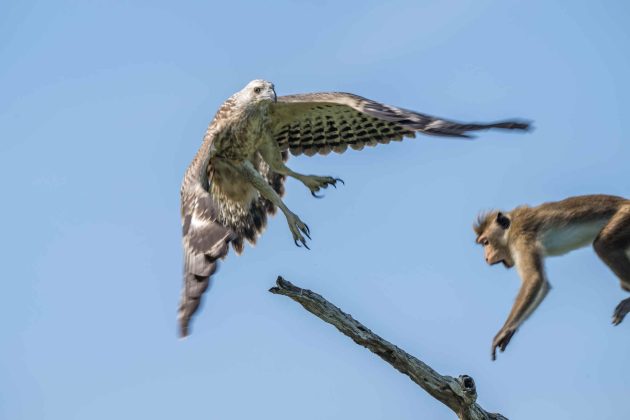
The White-bellied Sea Eagle is larger and more common than the previous species. While it preys mainly on fish, it also eats birds (source). Somebody just pointed out that the picture below is not this species but rather a Brahminy Kite, and he is right (he always is).
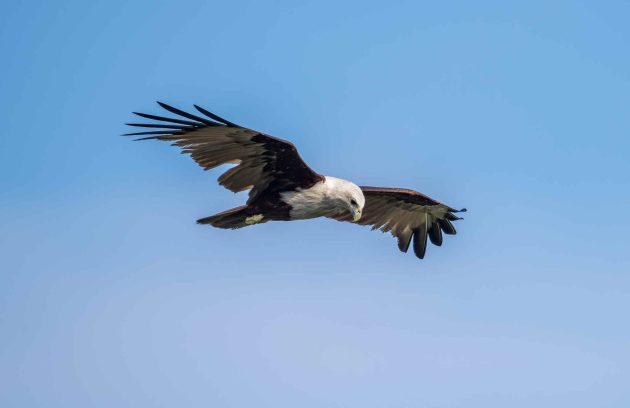
Like humans, White-bellied Sea Eagles are affected by environmental pollution from chemicals such as polychlorinated dibenzo-p-dioxins and furans (source).
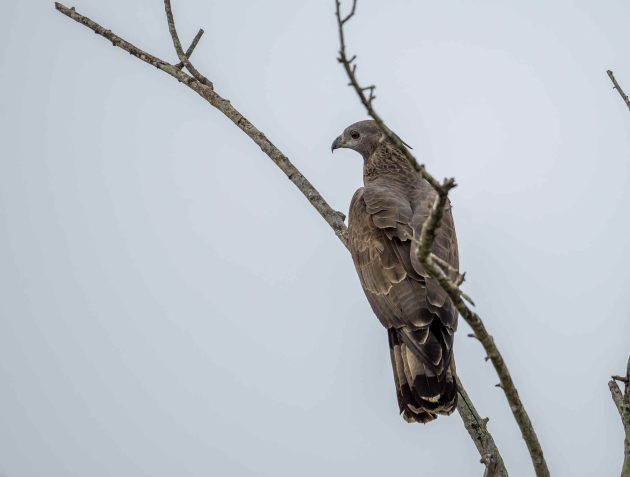
Moving to raptors not eating fish, Bundala has the Crested Honey Buzzard. Juveniles of the species are an interesting example of mimicry – they resemble other, much stronger raptors such as Rufous-bellied Eagle and Osprey (source, well worth checking for several examples of avian mimicry).
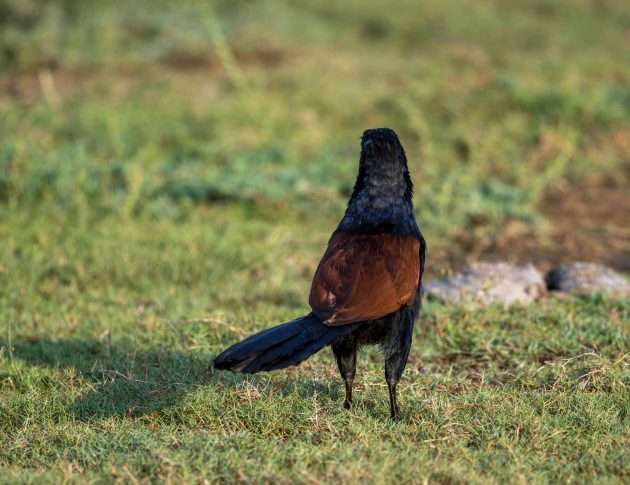
Ironically, given its scientific name Centropus sinensis, I have seen the Greater Coucal in many different countries, but probably not in China yet.
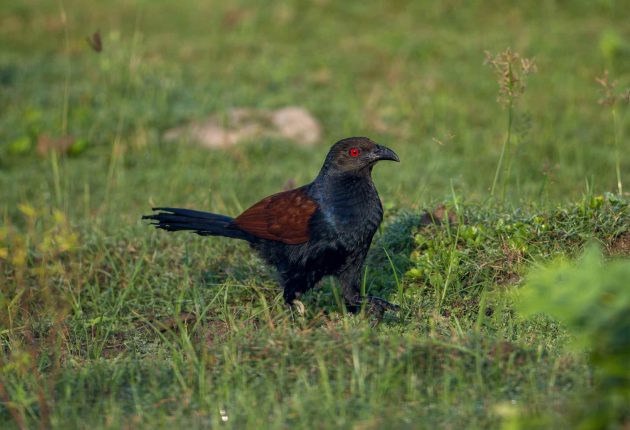
Doesn’t Centropus sound like the evil female companion of a Bond villain?
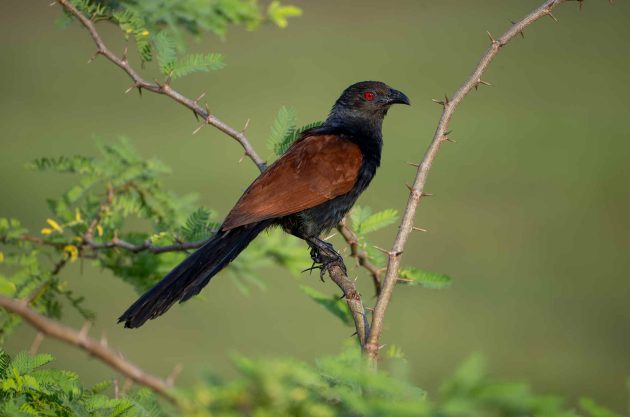
Anyway, this was the coucal individual that got too close to the lapwings shown earlier.
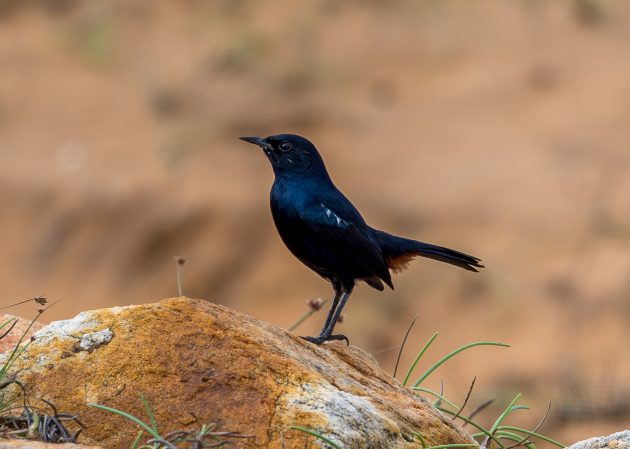
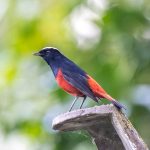
Indian Robins like slightly elevated lookout points …
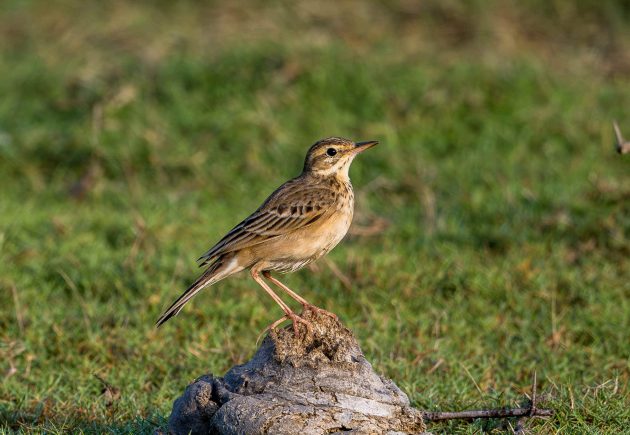
… and their choice is a bit more hygienic than that chosen by this Paddyfield Pipit.
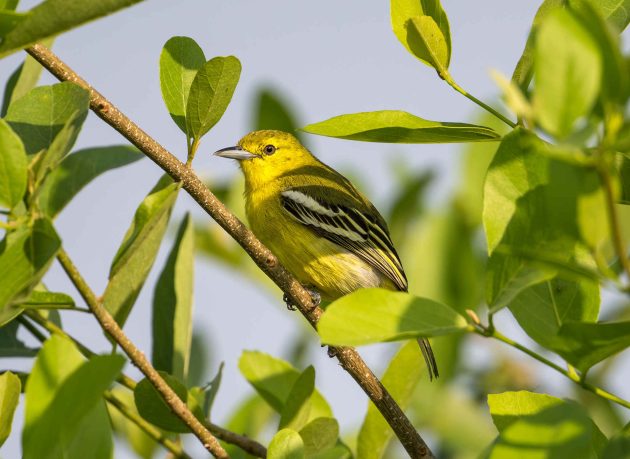
Trees – as chosen by this Common Iora – seem an even better choice.
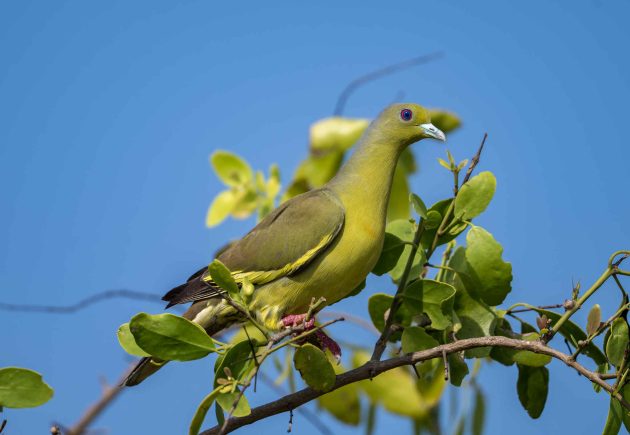
I will end this post with three attractive Bundala species, starting with the Orange-breasted Green Pigeon …
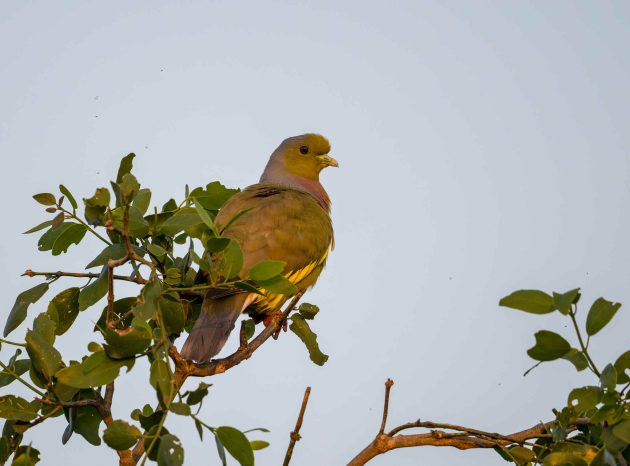
… though the eBird characterization as a “bulky green pigeon” does not sound too tempting.

They feed partly on tender leaves of ficus trees – mature leaves contain tannin and saponin, anti-herbivorous metabolites, i.e., the plant’s anti-avian defense strategy (source).
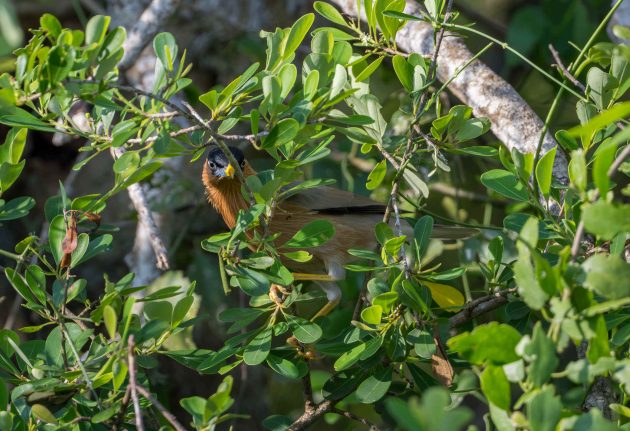
The Brahminy Starling only winters in Sri Lanka, it does not breed. The scientific name Sturnia pagodarum (pagodarum means of the temples or pagodas), as it was apparently initially frequently seen on the towers of pagodas.
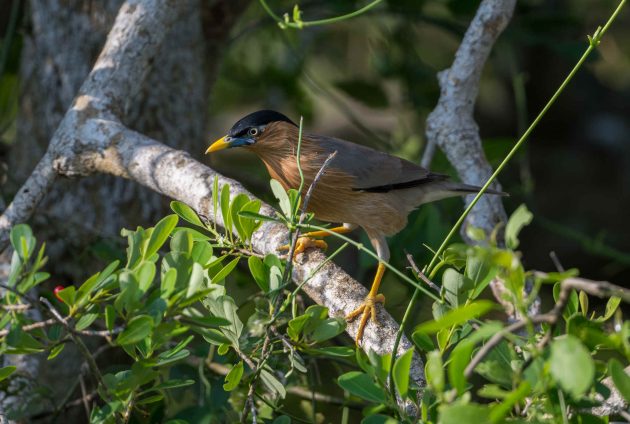
ChatGPT thinks that the bird likely got this name because of its head plumage, which resembles the shaven crown and choti (tuft) traditionally worn by Brahmin priests in India, and that its calm demeanor and frequent presence around temples or holy places may have also contributed to the association.
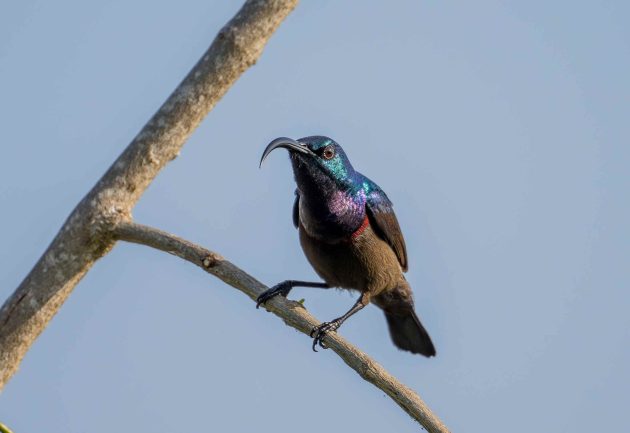
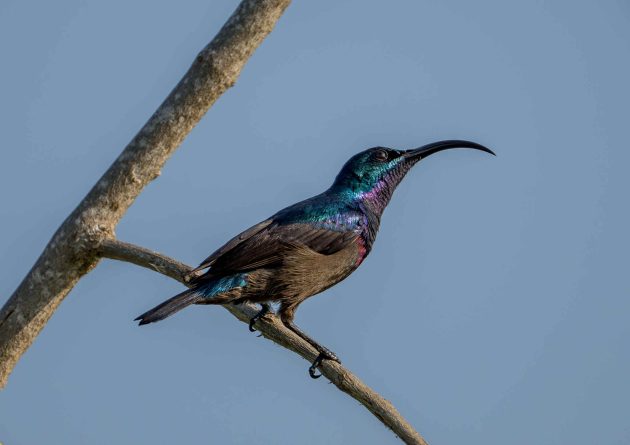
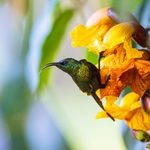
Finally, Loten’s Sunbird is uncharacteristically blandly described as a “medium-sized sunbird with a deeply curved bill”. Research on the species seems to be quite limited …
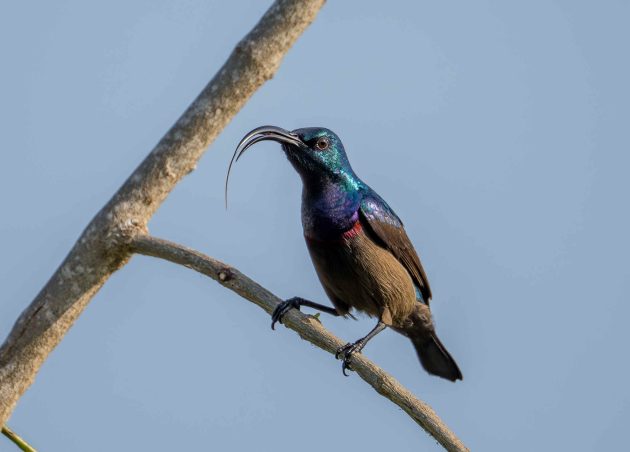
… leaving me with only the bird’s name to write about. Joan Gideon Loten (1710-1789) was the Dutch Governor of Makassar from 1743 to 1752. As expected, being a part of the colonial power in Sri Lanka means his biography has its darker bits.
For example, his longish Wikipedia entry states that “As a prosecutor, he was involved in meting out punishments to those accused crimes … Murderers were to be tortured, branded, and decapitated per contemporary law.”
On the other hand, parts of the entry sound surprisingly positive:
He was usually respectful of the native population and did not exercise immoderate forms of supremacy. During his administration, he attempted to maintain lowland forests which had cinnamon, and keep them from being converted for agriculture under the Ceylonese rulers … There is nothing to indicate that he pursued personal wealth by means considered improper or ruthless by his contemporaries.
Interestingly, though also a bit puzzling, in 2011, an 829-page biography of Loten was published. The review is mixed, remarking that the book is very long, repetitive, and takes a descriptive rather than an analytical approach. The review thus recommends readers to take a “strategic approach” to the book, which I guess means skipping a lot of it.
Seeing how detailed and unstructured the Wikipedia entry on Loten is, I now suspect that the author of this long biography also authored that entry.





I love the description of terns as the luxury version of gulls. Gulls really need better public relations!