

In a previous post, I described some of the birds seen at one hide at Kaeng Krachan, the one commonly named (Mr.) Bird’s hide. While it is generally described as the best one, I found another one, the Lung Sin hide, similarly interesting – and I had it on my own both times I went there. Which was better than sitting between other hide visitors who kept talking to each other.
The hide is also a listed eBird hotspot, so you can get some idea of what species you might expect there at different times of the year. This post describes what I saw on two days in July.
Staying – as I did – at the Baan Maka Lodge, you will probably not need to visit a hide to see some of the common bulbuls of the area. Still, the hide makes it easy to get decent close-up photos of …
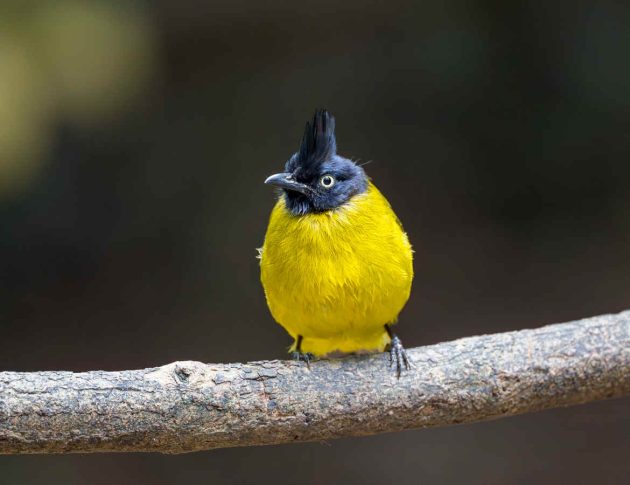
… Black-crested Bulbul (I cannot think of another Elvis joke right now, my apologies) …
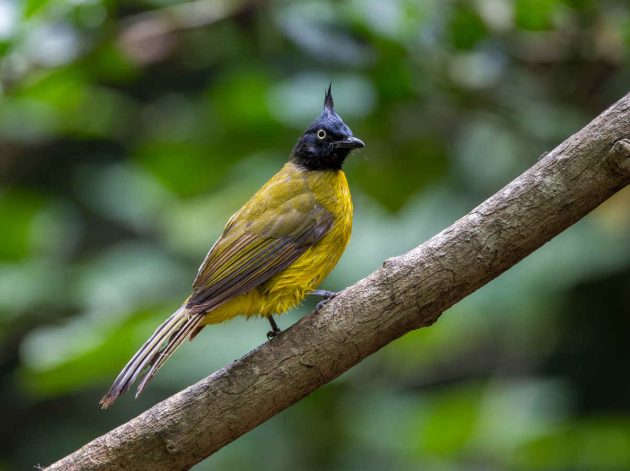
… Streak-eared Bulbul …
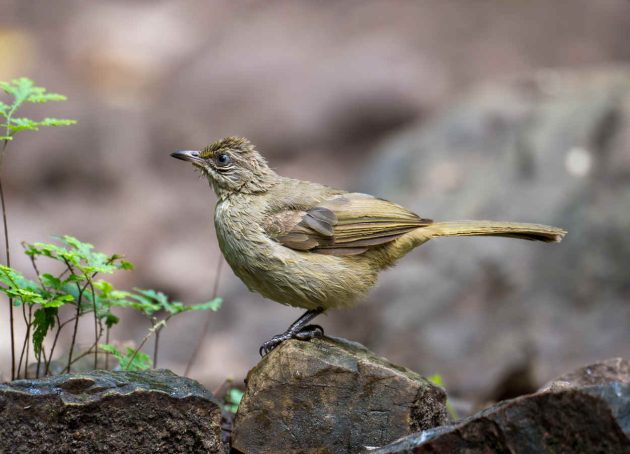
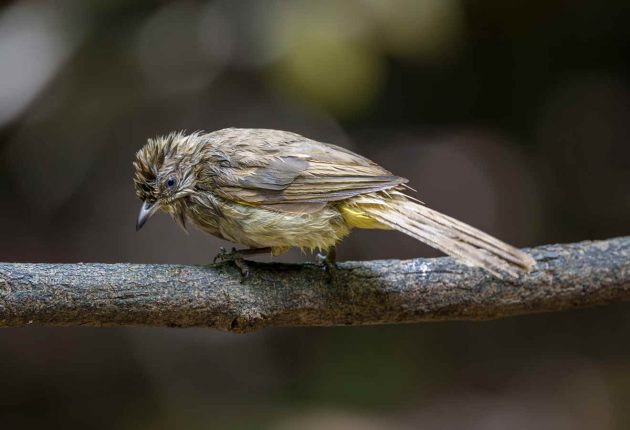
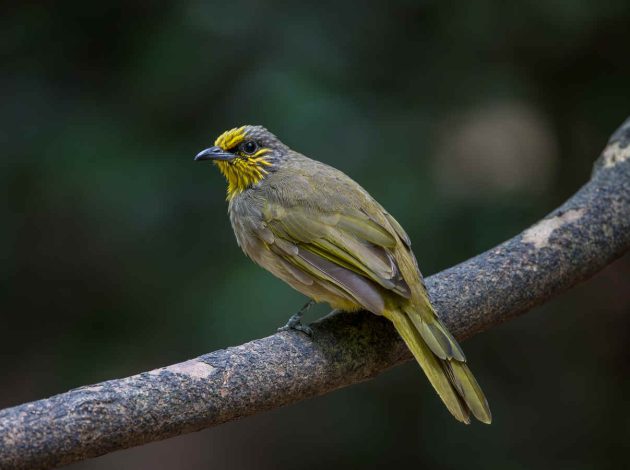
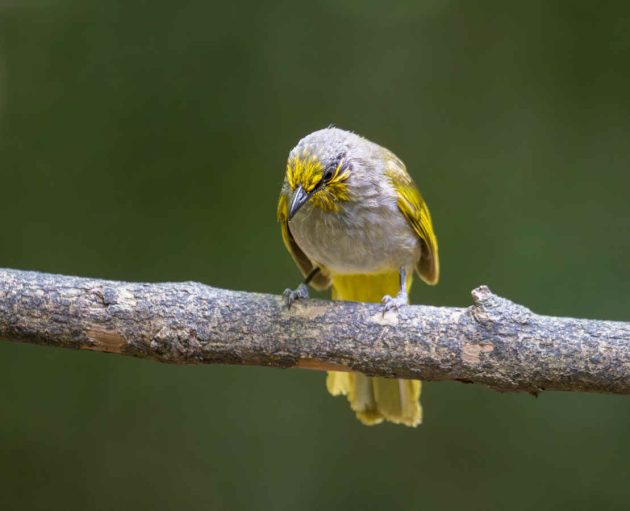
… and Stripe-throated Bulbul.
The number of pheasant (and allied) species in this hide was substantially lower than at Mr. Bird’s (I still cringe writing down that name). Still, there was an abundance of Red Junglefowl …
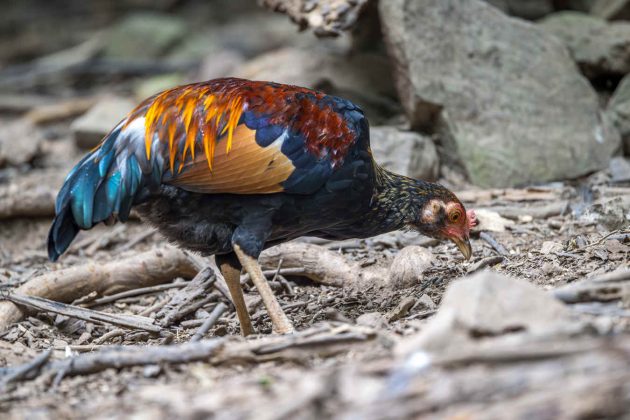
… along with some Kalij Pheasant …
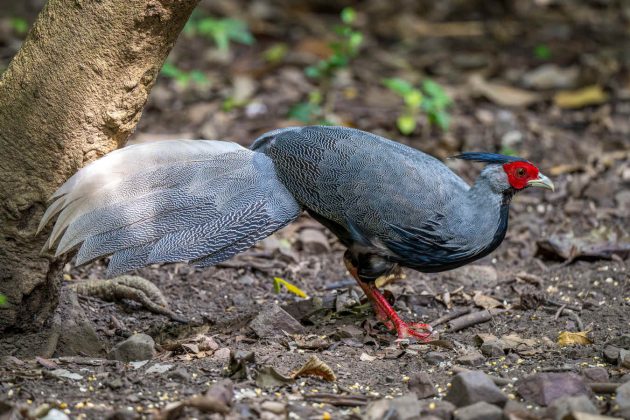
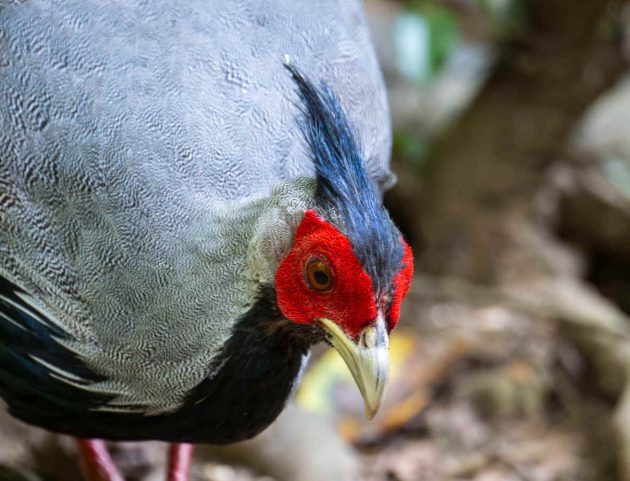
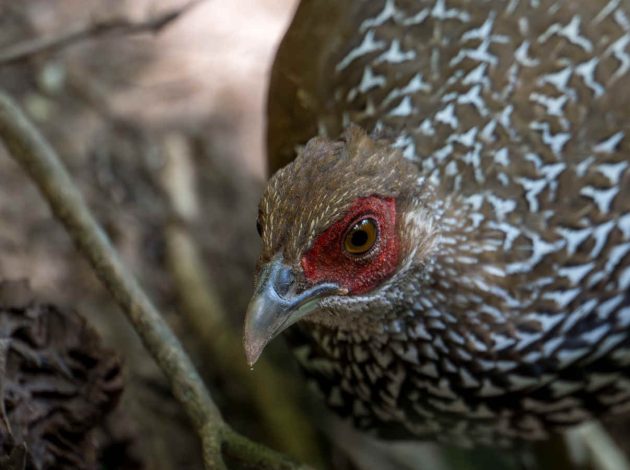
… and Green-legged Partridges.
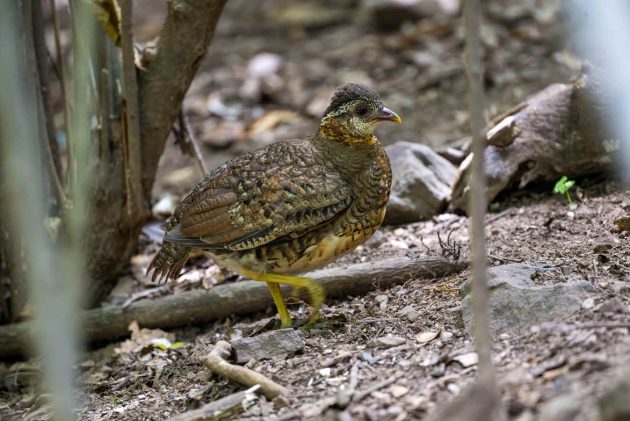
Same for laughingthrushes – only Greater Necklaced Laughingthrush.
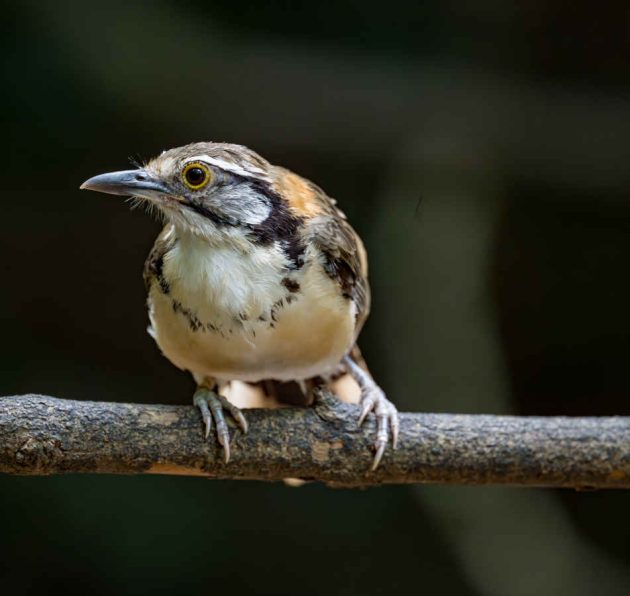
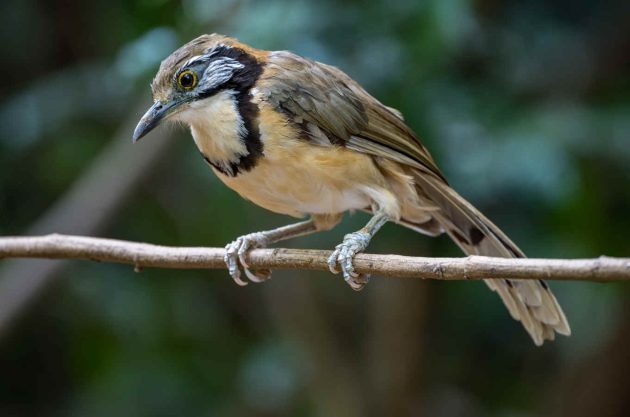
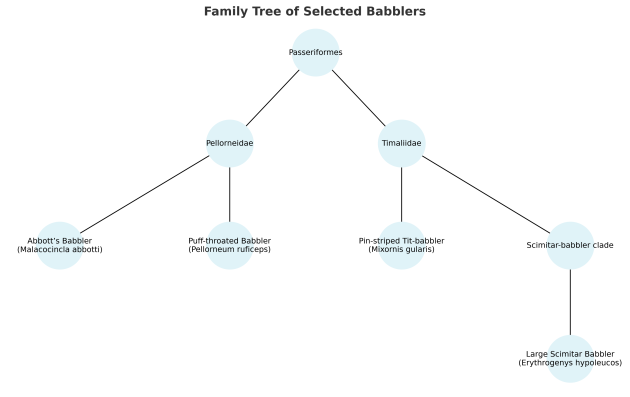
However, the hide gets more interesting when looking at its babblers – though of course, the term babbler is quite a stretchy one, as this family tree of the four babblers I saw at the hide shows.
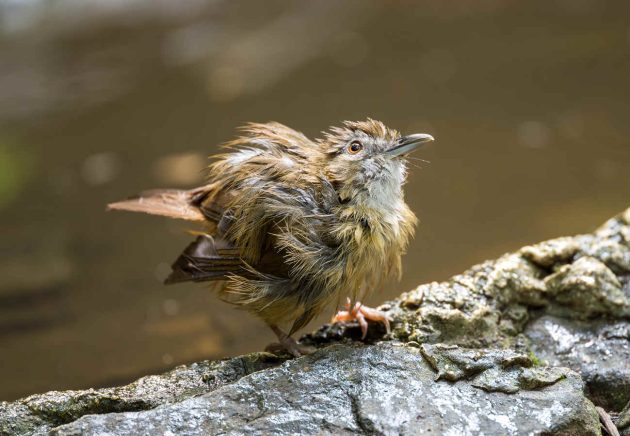
Abbot’s Babbler is not a particularly interesting-looking bird.
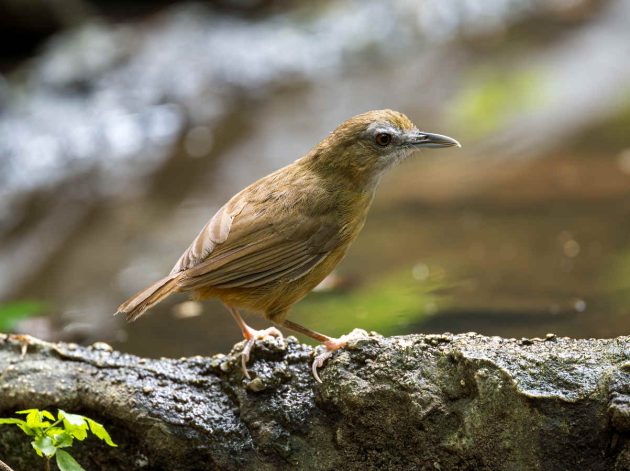
This fits with its name – it is named after Lt.-Col. John Richard Abbott (1811-1888), about whom practically no information can be found online.
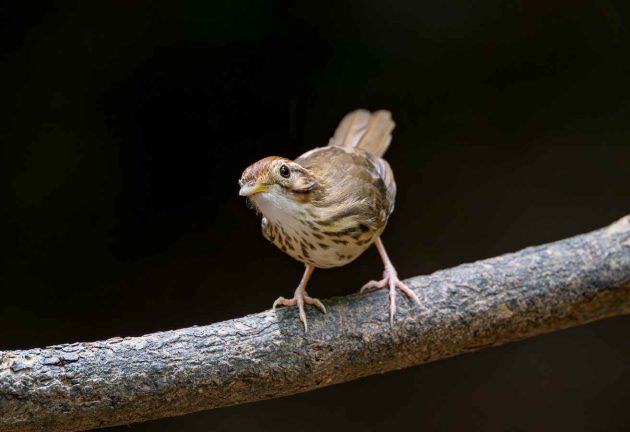
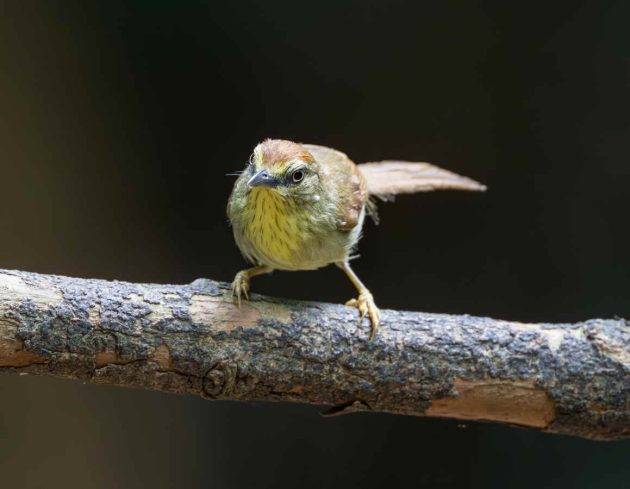
The Puff-throated Babbler looks a bit more interesting …
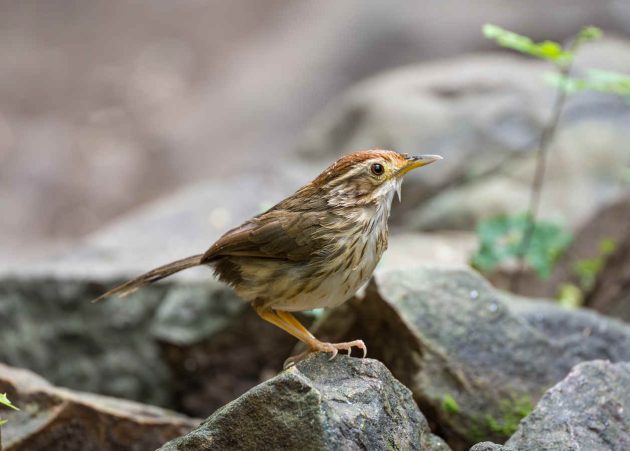
… but any species with 28 (!) subspecies immediately gets some points deducted for trying too hard.
Somehow, the name of the Pin-striped Tit-babbler still sounds to me like the stage name of a female stripper, probably with a real-life name such as Edwina Smith.
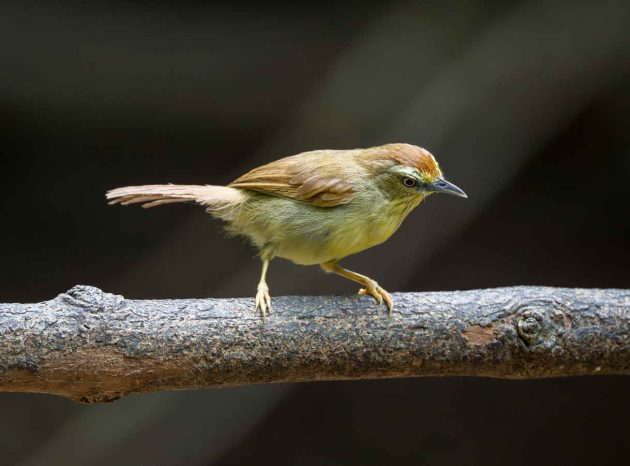
Can’t blame the bird, though.
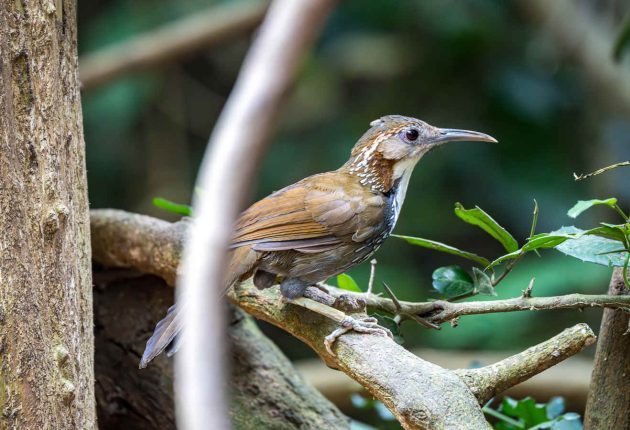
The star among these babblers undoubtedly is the Large Scimitar Babbler …
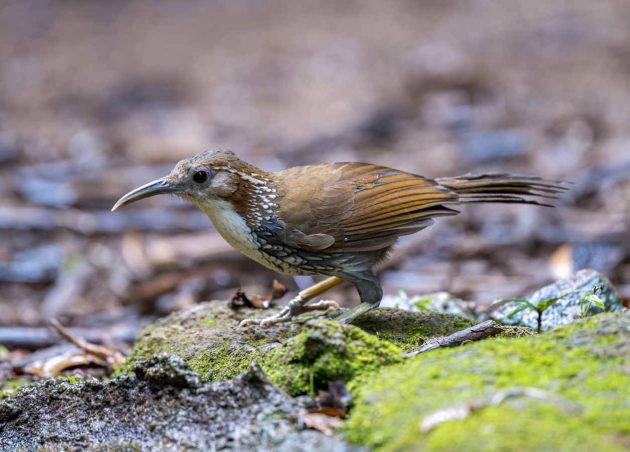
… despite the unimaginative scientific name (Erythrogenys hypoleucos – hypoleucus means something like “white beneath”).
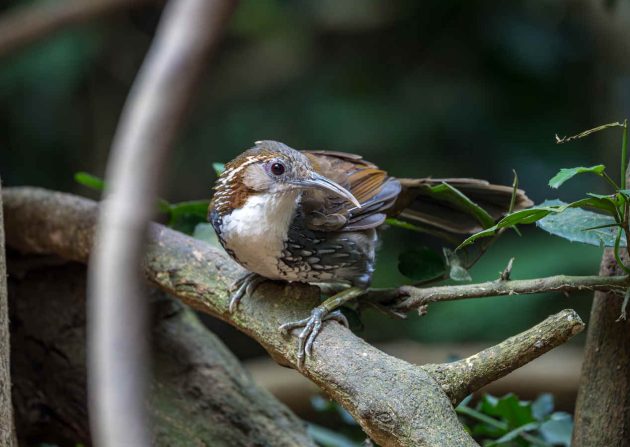
As so often, eBird gets it right, calling it a “handsome and slightly primal-looking babbler”.
There are not that many species left seen at this hide that allow grouping them. However, there were two cuckoo species, though not particularly closely related ones.
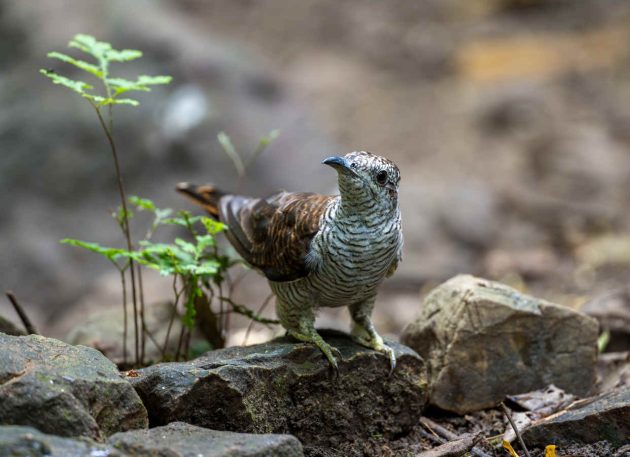
The Banded Bay Cuckoo is a proper, solid cuckoo with a strong, principled belief in letting other species take care of its chicks.
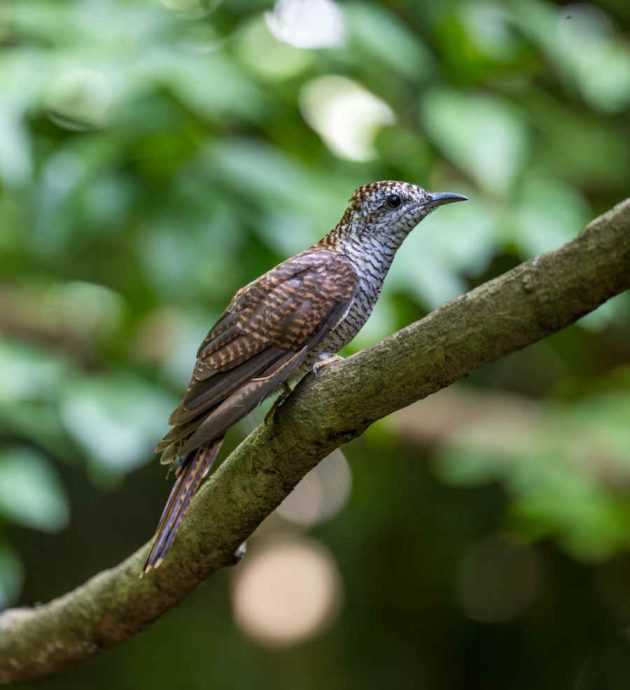
(However, it dislikes the term “brood parasite” – it thinks that sounds rather negative).
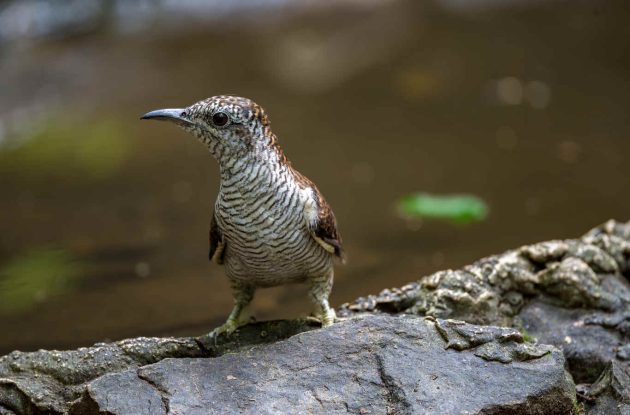
It is a curious-looking bird. Some adoptive parents will probably be surprised.
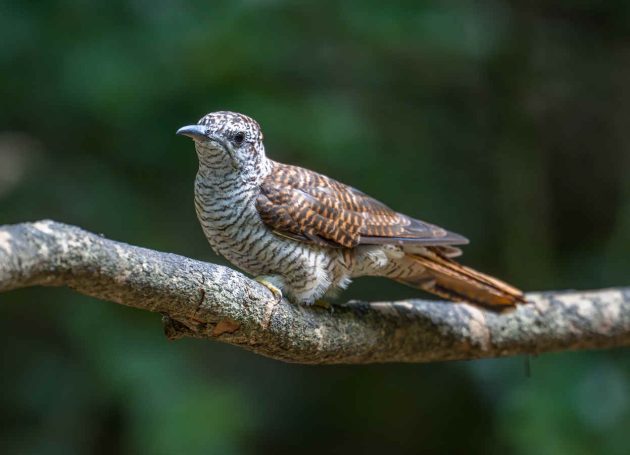
Its scientific name, Cacomantis sonneratii, commemorates Pierre Sonnerat (1748-1814), a French naturalist, colonial administrator, writer, and explorer.
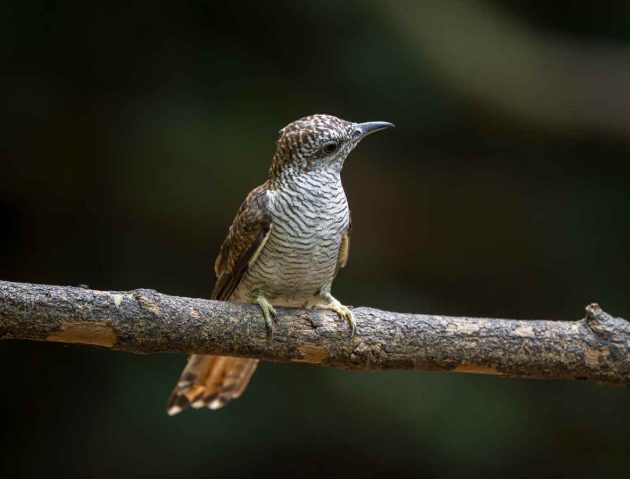
His reputation is not the best, according to a post in a birding blog: “Sonnerat’s reputation has suffered as errors and outright fabrications have been discovered in his works… The secretarybird, for instance, could not have come from anywhere near the Philippines, and that notorious kookaburra … is now thought to have been based on a stuffed bird given to him by Joseph Banks.”
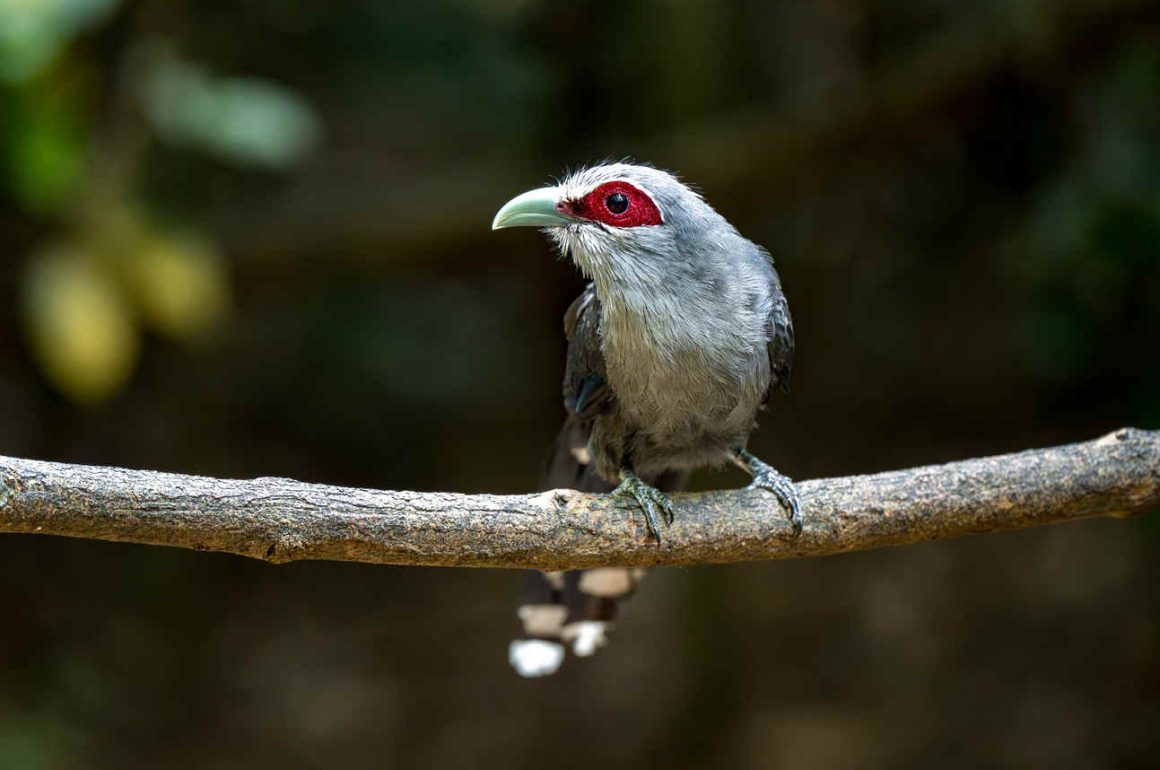
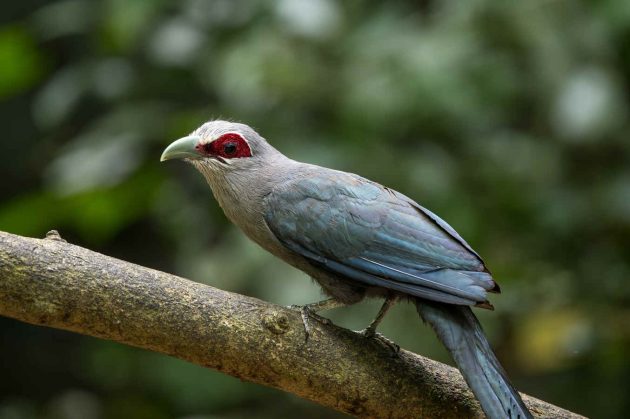
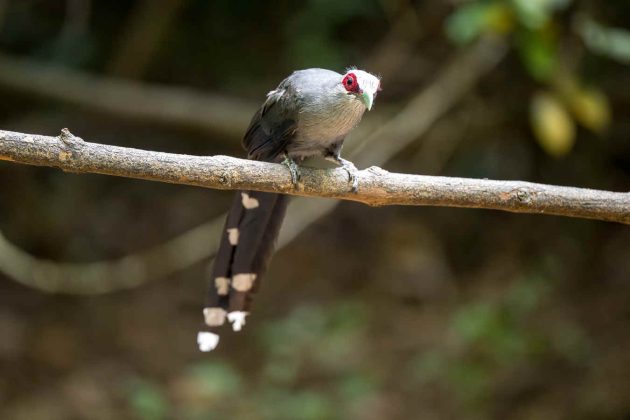
In contrast, the Green-billed Malkoha believes in family values and consequently raises its own chicks (and probably also protects them from pornographic and gay literature).
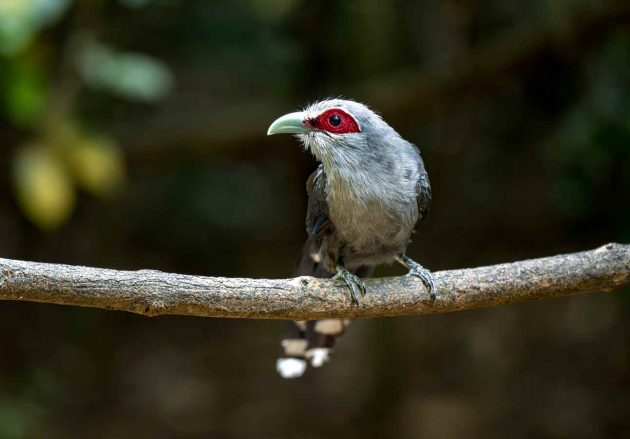
If that sounds like the life of the chicks might be a bit sad, this is accounted for in the scientific name of the bird, Phaenicophaeus tristis.
An assistant professor at the Faculty of Fisheries and Environment, Gorgan University of Agricultural Sciences and Natural Resources, Iran, does not seem to know that the Green-billed Malkoha is not a brood parasite, as he calls the species a brood parasite in a paper. The abstract of that paper is nice to look at, though, as it is written in Farsi.
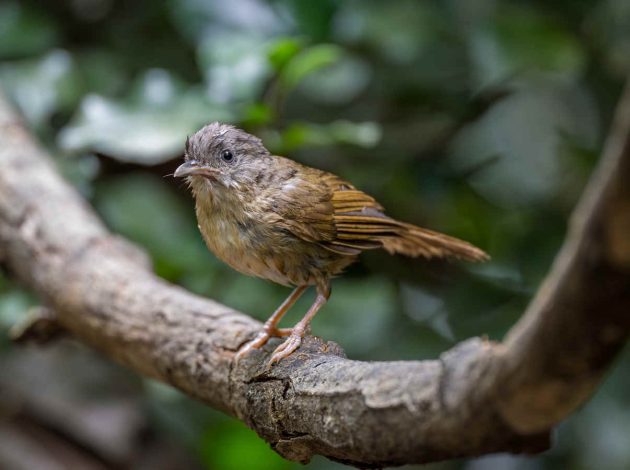
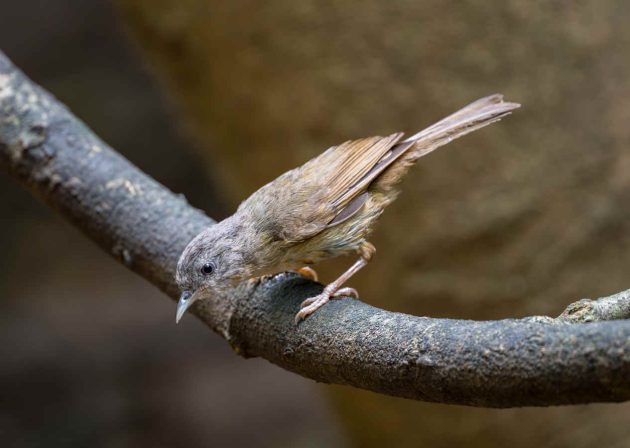
Any hide visit would not be complete without some common and less spectacular-looking birds. The Lung Sin hide has the Brown-cheeked Fulvetta …
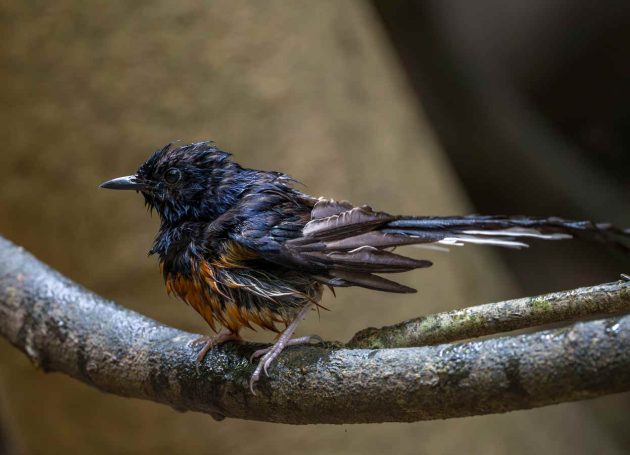
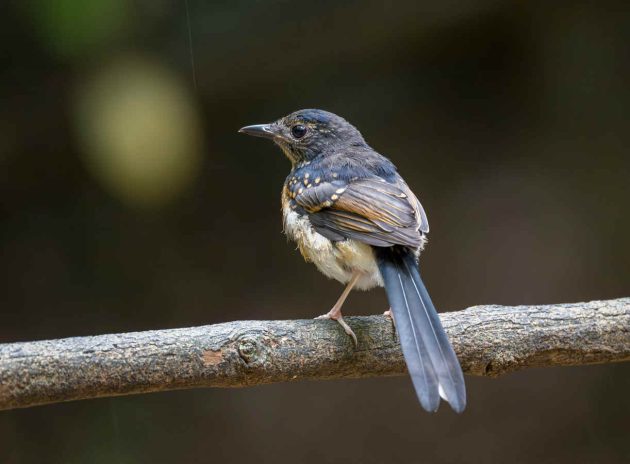
… White-rumped Shama …
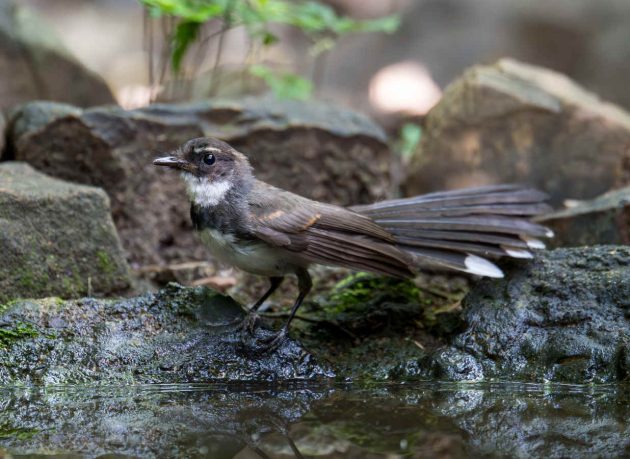
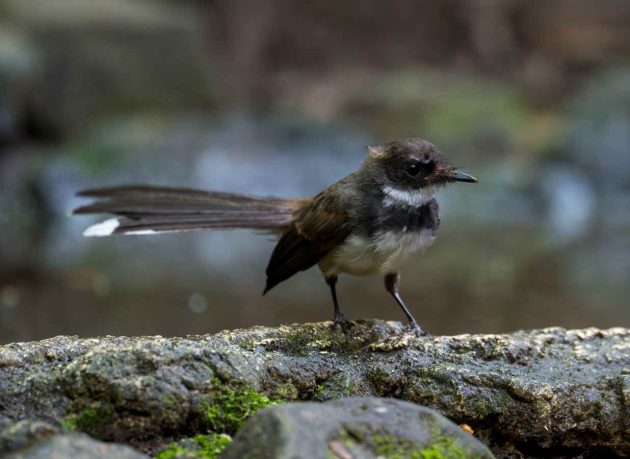
… Malaysian Pied Fantail …
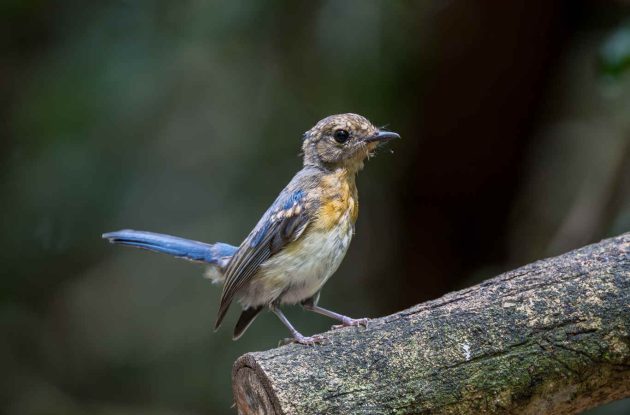
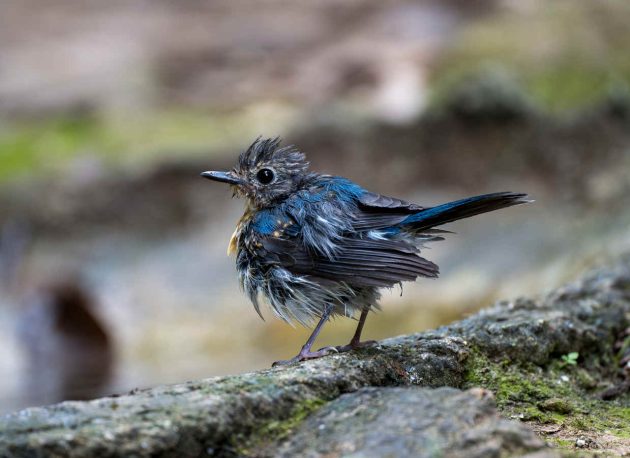
… Indochinese Blue Flycatcher …
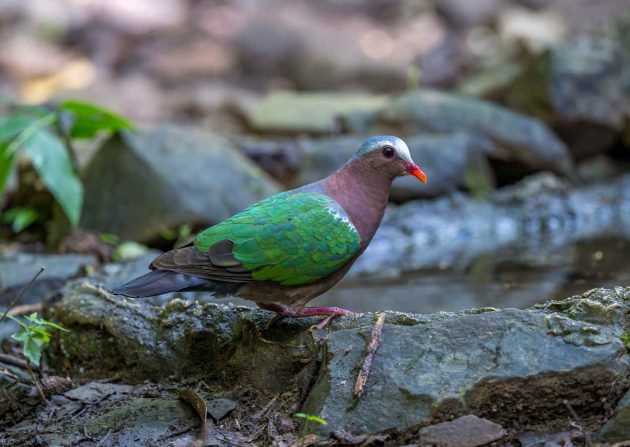
… and the Common Emerald Dove (which admittedly does not look bad, but it is a bit too common in Southeast Asia to thrill me any longer).
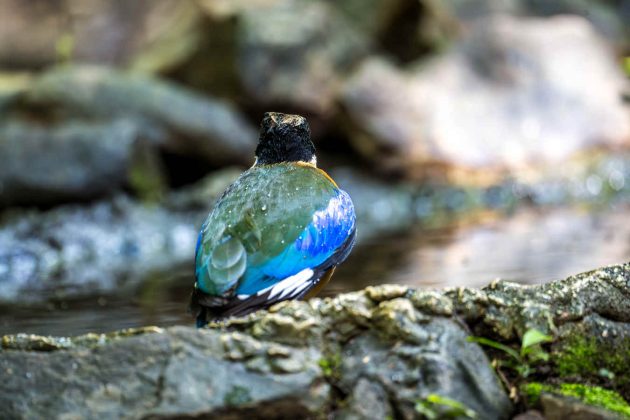
As there will be a separate post on the Blue-winged Pitta, only a teaser photo here:
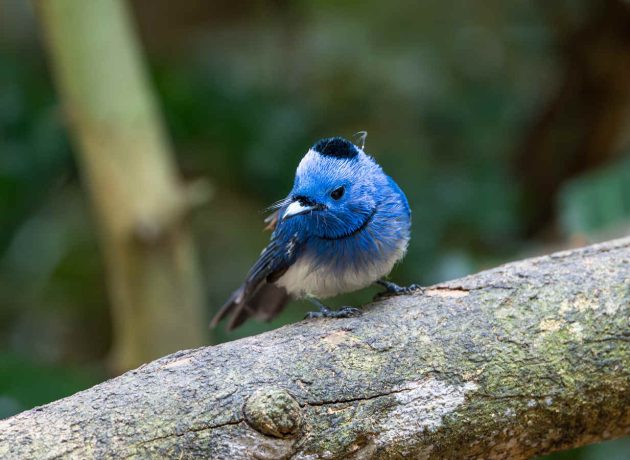
Same for the Black-naped Monarch.
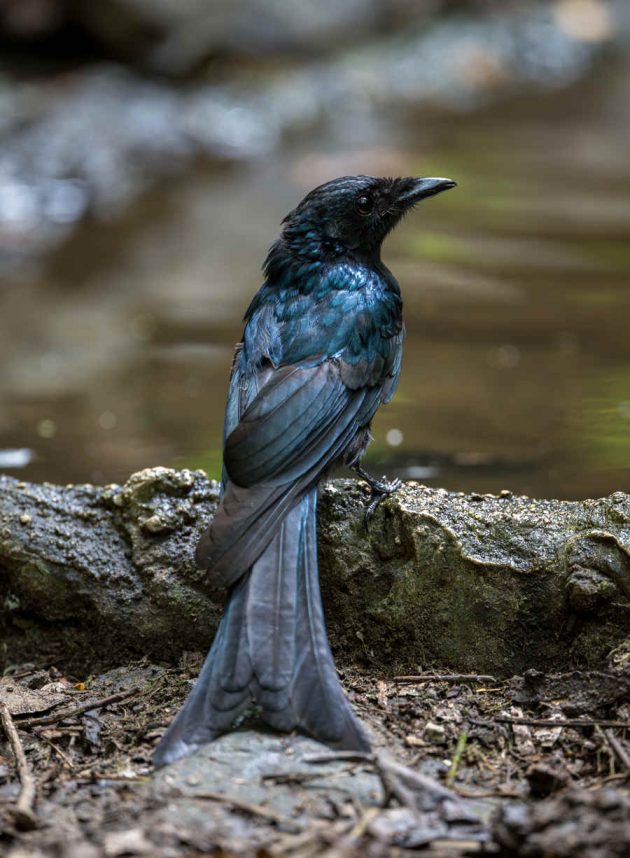
That leaves two more species. The Bronzed Drongo gets mentioned as a serious predator of honeybees.
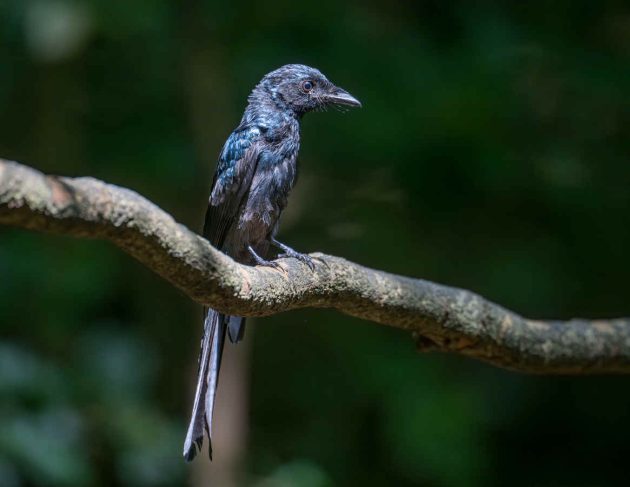
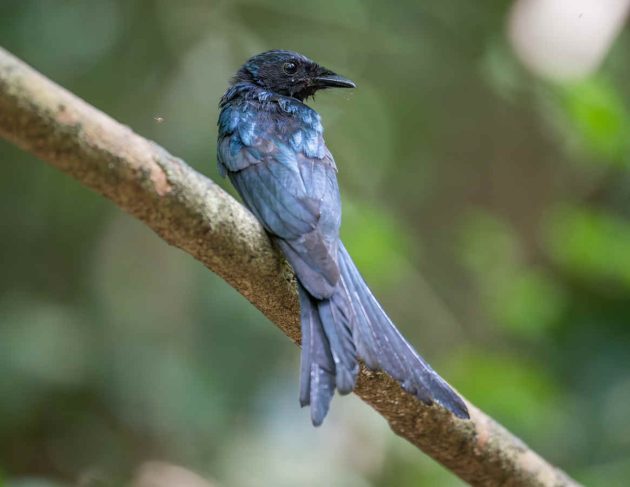
Another paper describes its nest and its behavior to defend it – the author claims that the birds mimicked a Shikra to keep it away from the nest.
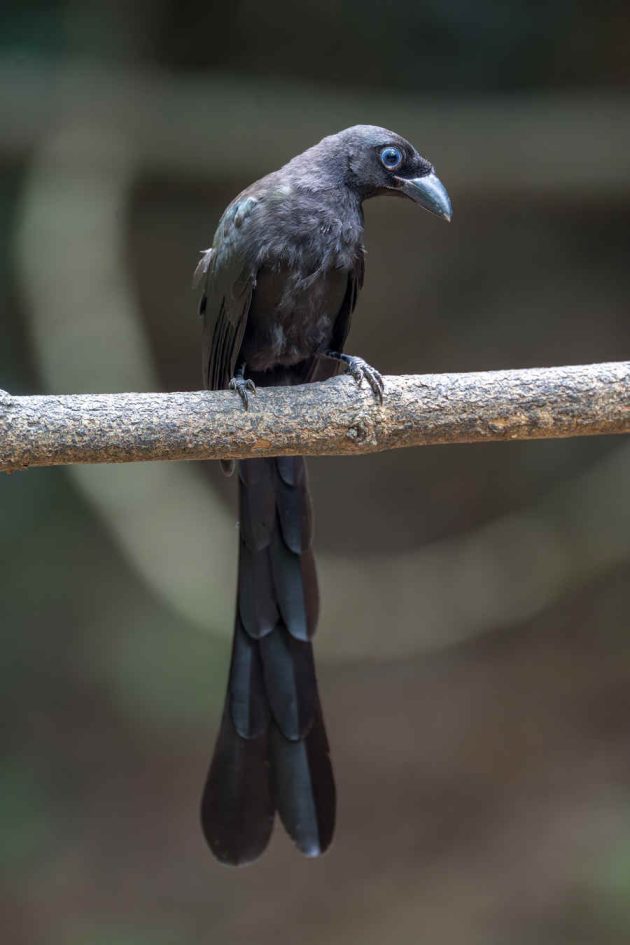
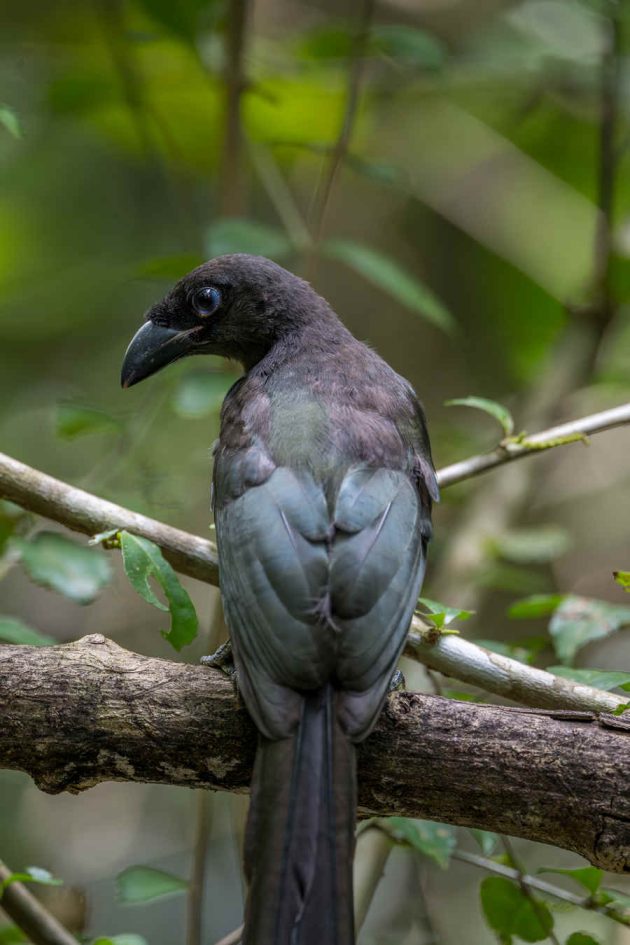
Finally, the Racket-tailed Treepie.
It was found for sale on Indonesian bird markets (source) despite its protected status (source).
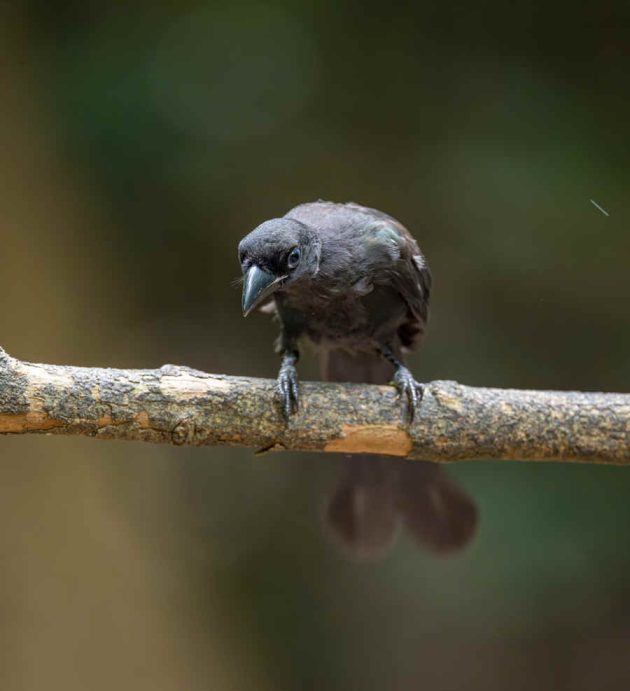
Munias will probably be happy to hear this – another paper describes a Racket-tailed Treepie killing and eating a White-headed Munia.
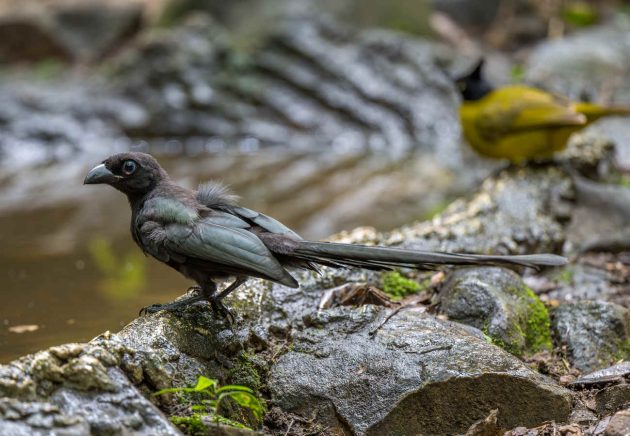
Then again, shouldn’t a bird with such “brilliant blue eyes” (eBird) be given some leeway?












It’s wonderful to get a window into this part of the world. I would be thrilled to see the Common Emerald Dove.