


There’s nothing quite like spotting a rare bird in its native habitat. The colors seem more vivid and the call more resonant when you know you’re witnessing something precious and fleeting. Your travel choices hold real power to protect these experiences for future generations. Worldwide, visionary lodges and destinations prove that responsible tourism can safeguard wild bird populations from trafficking and habitat loss.
A Two-Fold Success Story in Assam, India
India’s Assam region stands as a conservation powerhouse, demonstrating that different approaches can achieve equally strong results. Here, a grassroots community movement and a responsible tourism enterprise work side by side to protect vulnerable bird populations.
A Community Rallies for a Feared Stork
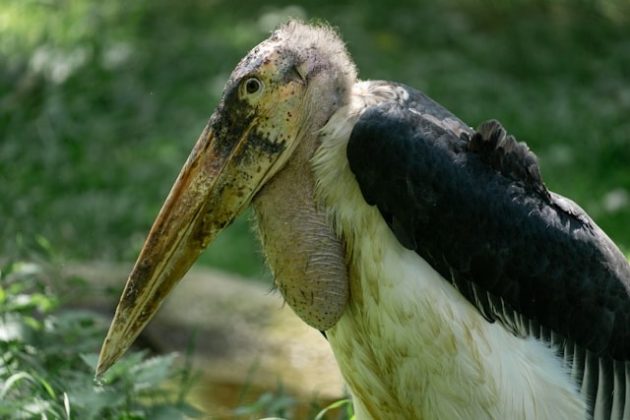
Image via Unsplash
The Greater Adjutant Stork once faced an uncertain future in Assam, where local communities viewed these massive birds as pests and unsanitary. However, 20,000 women from the women-led conservation movement the Hargila Army worked tirelessly to change how communities viewed the species.
They built bamboo platforms for nesting, rescued injured birds and educated residents about the birds’ ecological importance. Its local populations have recovered from just 750 to over 1,800 because of the group’s efforts, proving that community engagement can reverse even steep declines.
A Lodge Investing in People and Planet
Diphlu River Lodge demonstrates how lodges can address the root causes of poaching and habitat destruction by investing in both wildlife and people. The operation commits 5% of every room booking to a foundation supporting environmental protection and community development, creating stable conditions for bird populations while giving local communities economic opportunities that don’t depend on exploitation.
Creating Safe Havens in the Ecuadorian Andes
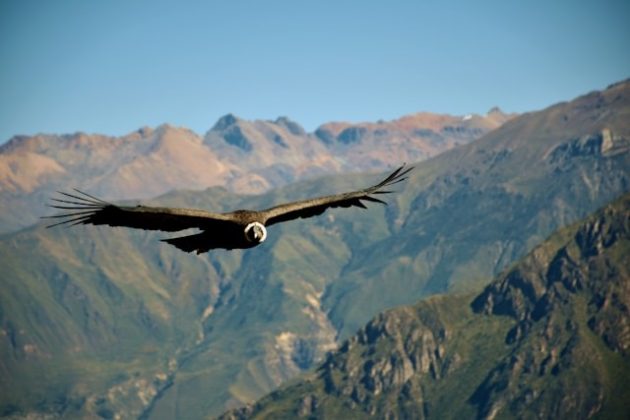
Image via Unsplash
Private reserves allow operators to take direct ownership of habitat protection and act swiftly against emerging threats. The San Jorge Eco-Lodge demonstrates this by owning and managing four private reserves in the Ecuadorian Andes. Together, these protected areas create a sanctuary for over 1,000 bird species.
This structure allows for rapid response when illegal logging or poaching pressures increase. Lodge staff can immediately deploy protection measures without waiting for government bureaucracy, making private reserves particularly valuable for species facing urgent threats.
Restoring Critical Nesting Ground in Alaska
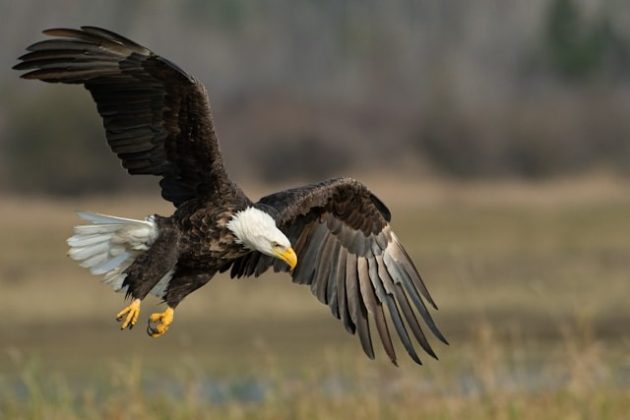
Image via Unsplash
Some lodges go beyond protecting existing habitat to restore degraded areas. In Alaska, Ridgewood Wilderness Lodge shows how proactive habitat work enhances both conservation outcomes and birding experiences at a property adjacent to Kachemak Bay State Park.
Lodge management has preserved native vegetation while reincorporating trees and shrubs for nesting birds throughout the property. These plantings provide vital habitat for species that have lost natural land to development elsewhere.
Birders staying at Ridgewood can explore nature trails, book guided excursions, or watch from the deck as Bald Eagles, Common Ravens and shorebirds move through the restored landscape. The experience proves that luxury accommodations and serious conservation work can coexist beautifully.
Why a Life in the Wild Matters for Birds
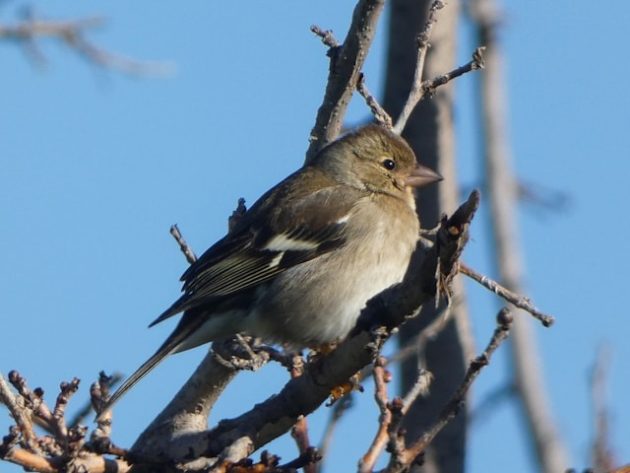
Image via Unsplash
Illegal wildlife traffickers devastate bird populations across multiple continents, and poachers remove millions of birds from their habitats each year in the Mediterranean, Arabian Peninsula, Northern and Central Europe and the Caucasus. The Eurasian Goldfinch vividly illustrates the crisis.
This species has lost 56.7% of its range in the Western Maghreb due to extensive hunting and trading, and scarcity has driven prices to $50 per bird. That’s nearly a third of the average monthly income in the region, fueling illegal international trading networks.
Beyond trafficking, captivity inflicts severe psychological damage on wild birds. Nearly 50% of caged birds pluck their own feathers due to stress, boredom and inadequate environments, a self-destructive behavior that rarely occurs in wild populations. This underscores why protecting natural habitats matters.
The Urgent Need for True Conservation Tourism
Forty-nine percent of migratory bird species covered by United Nations treaties are declining due to habitat loss, climate change and pollution. While many tourism operators claim environmental credentials without meaningful action, genuine conservation tourism accounts for less than 0.01% of the global tourism industry, making these destinations exceptionally rare.
Light pollution from hotels and cities can make migration riskier and more confusing for species that navigate by celestial cues, proving that even well-intentioned development can harm birds. Choosing operators who minimize their environmental footprint matters more than ever for protecting migratory routes.
How to Choose a Destination That Truly Makes a Difference
Image via Unsplash
In 2016, Alaska welcomed 300,000 birdwatchers who spent $378 million and supported nearly 4,000 jobs. Selecting responsible operators sends a clear signal that conservation-focused tourism deserves investment. Look for these markers when selecting your next birding destination:
- Direct habitat protection: Does the operator own, manage or financially support protected areas?
- Community partnerships: Are local communities employed and empowered by the operation?
- Transparent practices: Can you verify conservation claims through independent sources or certifications?
- Active restoration work: Does the operator invest in improving degraded habitat?
- Education programs: Do they teach visitors and locals about conservation challenges?
- Minimal environmental impact: Are they reducing light pollution, waste and carbon emissions?
Before booking, request details about conservation funding, community employment and habitat protection measures. Legitimate operators will eagerly share this information rather than hiding behind vague claims.
Protecting the Birds You Love, One Trip at a Time
The challenges facing bird populations are substantial, but the solutions are tangible and proven. Every trip you plan offers an opportunity to support operators who put conservation first. Choose wisely, and your passion for birding becomes a powerful force protecting the species you love for generations to come.










Excellent article.