
The town of Nuwara Eliya is the getaway to several birding spots in Sri Lanka’s highlands, including several spots in the town itself, and Horton Plains National Park to the south. I’ve been to Nuwara Eliya several times and enjoyed the town’s surprising potential to produce really special birds, while Horton Plains offers a great chance for some hiking in crisp mountain air, quite an odd feeling when coming from the hot and humid lowlands.
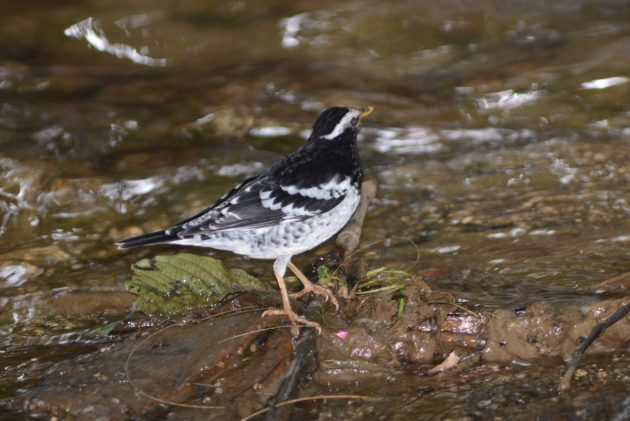
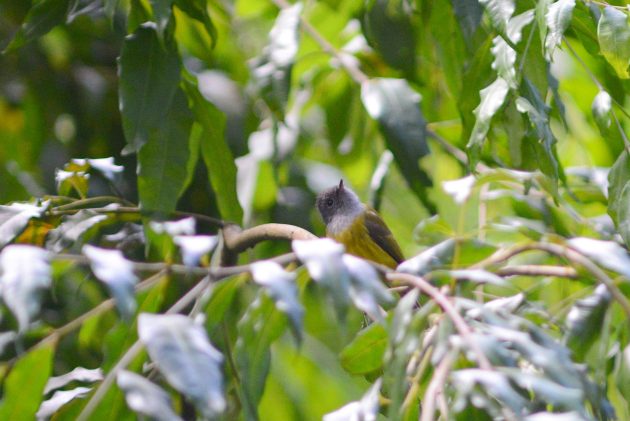
The best-known spot in Nuwara Eliya is Victoria Park. Admittedly, the main reason for this is not due to any endemics occuring in the area, but for Pied Thrush, a highly sought-after bird breeding in the Himalayas. This park is probably the best site to see this bird. Similarly popular is Kashmir Flycatcher, which also has a very similar migratory pattern, breeding in the north-west Himalayas. Both birds can be surprisingly difficult to find and when they are seen, the dark understorey makes photographing them well really tricky. Grey-headed Canary-Flycatcher on the other hand is seen way more easily and also often perches higher up in the canopy, where there is more light.
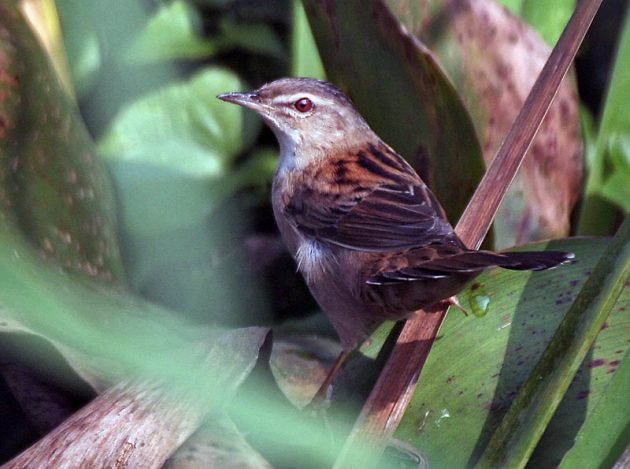
Nuwara Eliya’s horse race track is another indicator of Britain’s highly problematic colonial rule of then-Ceylon. Parts of this open area are flooded and populated by reeds. Oddly enough, this is prime habitat for Pallas’s Grasshopper Warbler. Seeing any grasshopper warbler is quite a feat and Pallas’s is definitely no exception. I’ve only attempted to find this bird once and did so without too much effort, but I cannot tell whether I was simply lucky or this is a quite reliable spot. Anyway, getting a glimpse of its bright rusty-coloured rump among the reeds is definitely rewarding.
Horton Plains National Park is a great spot to see some endemics like Sri Lanka Wood Pigeon and Sri Lanka Whistling-Thrush. The latter is incredibly tricky to see; without a guide who knows several alternative stake-outs, your chances to come across one are vanishingly slim. The main spot for this bird in Horton Plains has also been excessively strained by tour groups using call recordings, which has probably further reduced the chances of seeing the birds there. Do check out this recent post on this blog for some incredible photos of this bird.
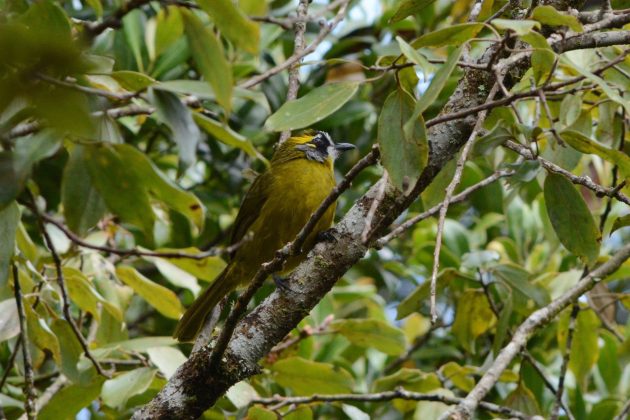
More commonly seen in the park is the endemic Yellow-eared Bulbul. With its intricately patterned facial plumage, it’s really an attractive bird. Moreover, they are not secretive at all unlike the whistling thrush, meaning you can fully enjoy their yellow “ears” (looks a bit more like eye-lashes in my opinion) at your leisure without having to worry about the bird immediately sneaking back into the undergrowth.
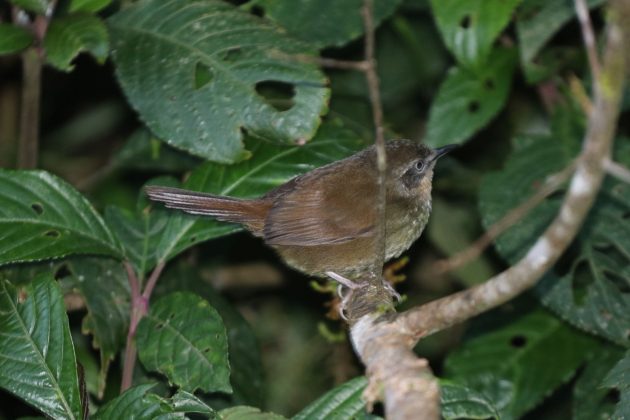
The Sri Lanka Bush Warbler is more appropriately placed into the whistling thrush department when it comes to secrecy though. Fortunately, it’s not that rare and especially at dawn and dusk your chances of coming across one on a longer hike are pretty good. I also spent one morning watching one individual hopping around in the open behind one of the accommodation chalets in the park.
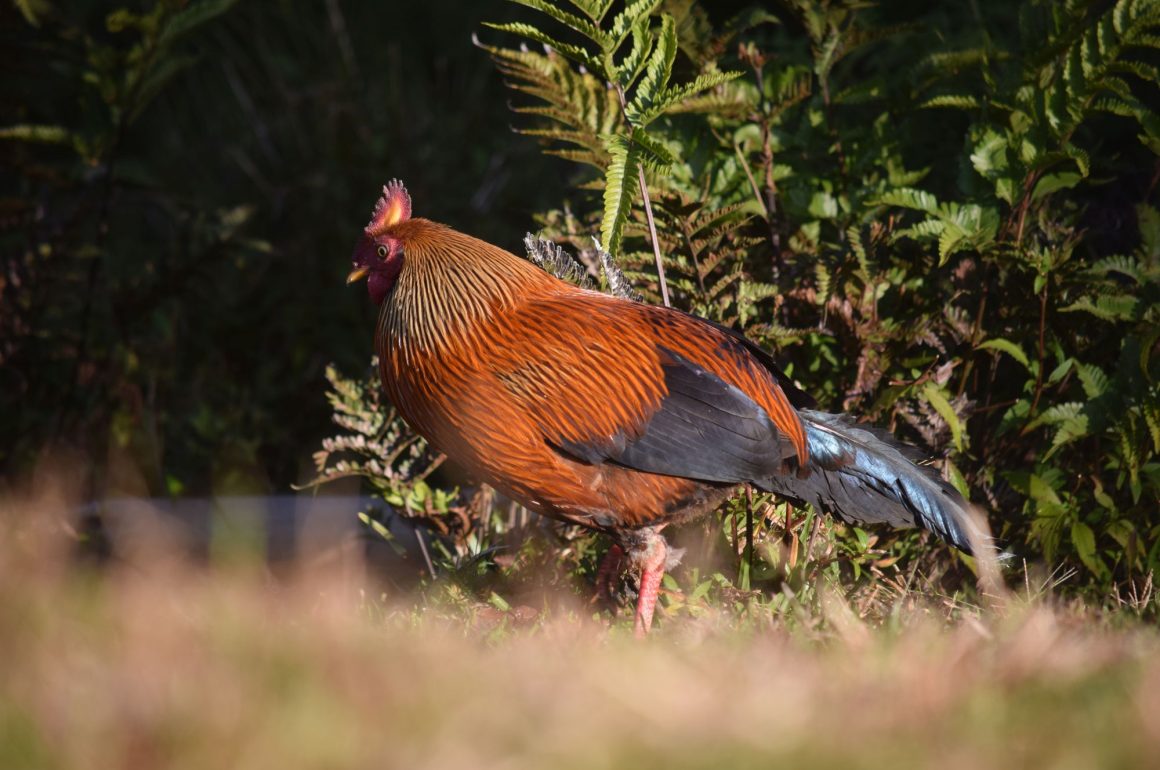
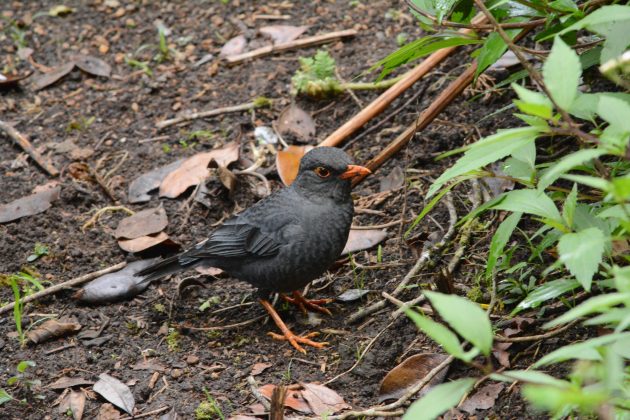
Dark undergrowth is usually also the habitat occupied by Indian Blackbird. I really like the contrast between the slate-coloured body and bright orange bill and legs in this bird. These featured can be appreciated fully because unlike the bush warbler, the blackbird is pretty tame and often forages on the verges of paths. Sri Lanka Junglefowl (featured image) employ the same behaviour, making them one of the endemics most easily seen in the park.
The highlands are really a different world to the tropical forests and drylands closer to the coast. This diversity of environments makes Sri Lanka a truly special place to explore, especially given the ease with which these places can be reached due to the excellent infrastructure.




Leave a Comment